成交手续费0%!2026年9月30日前注册,前 2 笔成交免佣金!
繁殖者 招募中!
在BreederDirect发布商品,直接销售给全国客户!
我们的 6 大透明度承诺
上架小动物时,繁殖者公示以下信息。确保健康检查、疫苗接种、芯片植入等信息的完全透明。
- 驯化程度
- 健康检查
- 疫苗接种
- 芯片植入
- 实物照片
- 月龄说明
查看全部28个品种
小动物分类正在招募认证繁殖者
繁殖者正在陆续注册,即将上架。设置上架通知,不错过新商品。
「接收上架通知」需免费注册会员即可设置。当有符合您保存条件的新商品上架时,我们会通过邮件和站内通知提醒您。
已注册的繁殖者(抢先看)
狐獴的基本数据
- 饲养难度
- 适合高级者
- 寿命
- 12〜14年
- 体型
- 25〜35cm / 620〜970g
- 饮食
- 昆虫、生肉、鸡蛋、少量蔬菜和水果
- 社交性
- 高度的社会性。单独饲育会造成极大的应激,因此必须进行群体饲育。
- 饲养环境
- 需要沙地挖掘空间和日光浴区域。防逃脱措施必须完善。
- 饮食
- 杂食性,偏肉食。主要以昆虫、肉类、蛋类为中心,均衡喂食。
- 法规
- 在某些地区被指定为特定动物。必须确认饲养许可证。
关于狐獴
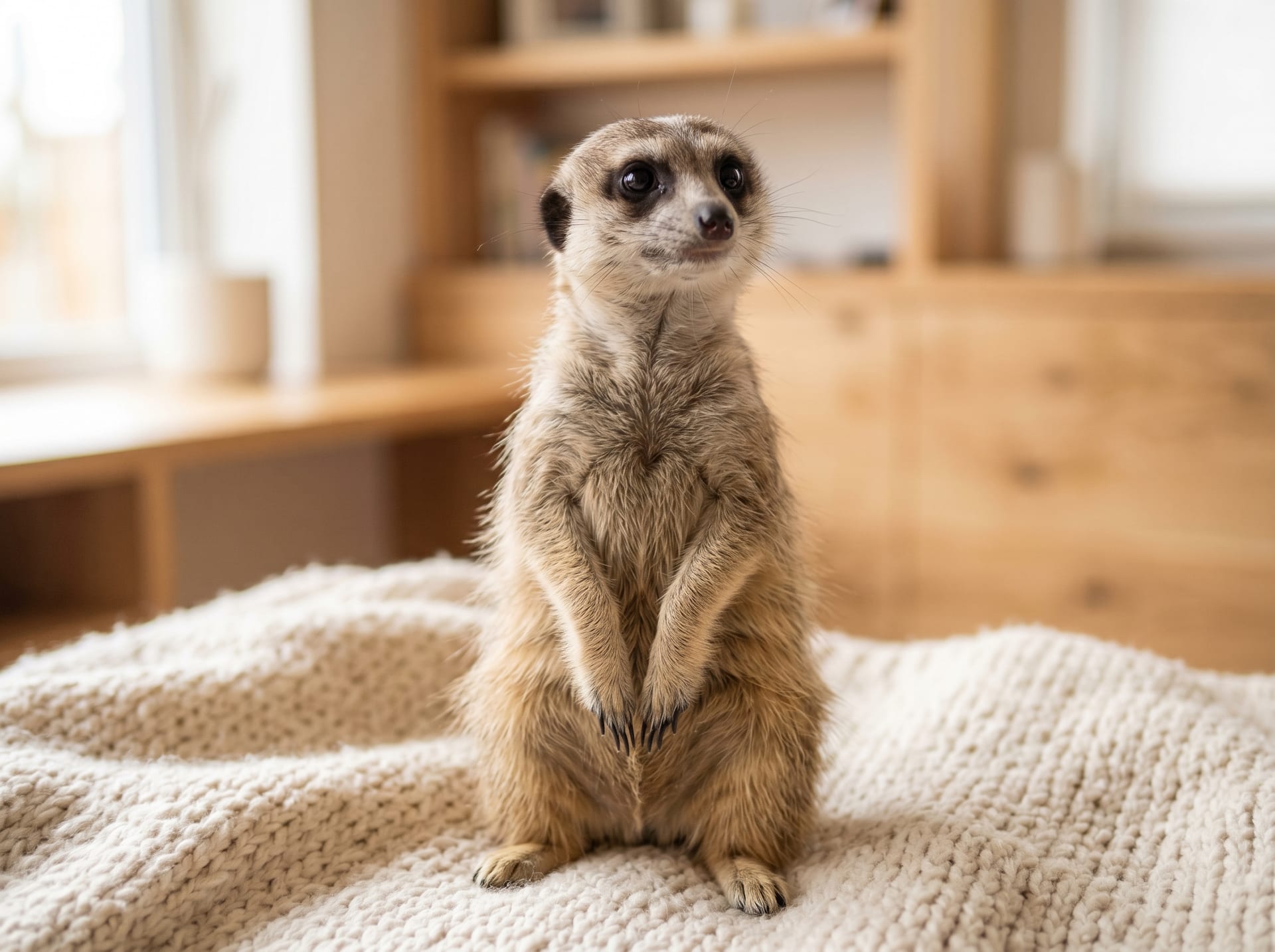
细尾獴是原产于非洲南部卡拉哈里沙漠和纳米布沙漠的猫鼬科小型哺乳动物。体长约25〜35厘米,体重约620〜970克,特征为沙色至茶色的体毛和背部的条纹图案。眼睛周围的黑色纹路据说具有类似太阳镜的作用,可以缓解强烈的日照。最令人印象深刻的是它们用后腿直立进行"放哨行为",在群体中分工协作、警惕外敌的高度社会性。它们智力高、好奇心强,通过耐心互动可能与主人亲近,但本质上仍是野生动物。饲养的魅力不仅在于它们可爱的表情和动作,还在于可以近距离观察群居动物的社会行为。
迎接狐獴前需要了解的7件事
1群居饲养为基础
狐獴在野生环境中以10~30只的群体生活,是高度社会化的动物。单独饲养容易导致压力和问题行为,因此建议至少饲养2只以上。引入前请准备好能接纳多只狐獴的环境。
2需要宽敞的笼舍
由于具有活跃好动的习性,宽敞的立体笼舍或户外圈地最理想。挖掘的本能很强,可以铺设较深的垫材或提供可翻掘的土壤区域。至少要确保多只狐獴能够自由奔跑的空间。
3紫外线和保温很重要
由于原产沙漠,喜欢高温环境,气温低于20℃时容易体况不佳。有日光浴时合成维生素D的习性,因此UVB灯的安装是必不可少的。冬季要使用加热设备,不能疏忽适当的温度管理。
4饮食需要多样性
在野生环境中,狐尾鼠以昆虫、蝎子、小型爬行动物、卵等多种动物性食物为食。在饲养条件下,通常以蟋蟀、黄粉虫等昆虫为主食,辅以煮鸡蛋或小型动物饲料。偏食容易导致维生素缺乏和代谢性骨病,因此需要注意营养均衡。
5需要注意咬伤风险
狐尾鼠虽然天性好奇,但在恐惧或兴奋时会凶狠地咬人。幼时的人工驯化和社会化很重要,但很难完全驯服,因此需要时刻警惕咬伤风险。特别是在发情期或领地意识增强的时期,处理时要格外谨慎。
6必须确保有专科兽医
能够诊治狐尾鼠的兽医在国内极其稀少。在开始饲养前,必须找到异域宠物专科兽医。建议进行定期体检和接种疫苗(如犬瘟热等),并建立紧急应对机制十分重要。
7法律法规和获取渠道确认
狐獴在日本未被指定为特定动物,但根据地方自治体,饲养限制规定可能会有所不同。获取时,必须确认个体持有基于《华盛顿公约》(CITES)附录的合法进口证明。从值得信赖的繁殖者或专业商店购入状况清楚的健康个体是非常重要的。
狐獴的常见问题
- Q.狐獴会和饲主亲近吗?
- A.从幼年开始,如果饲主耐心地长期相处,狐獴会逐渐习惯饲主并可被触摸。但要注意,它们不会像狗猫那样听从,作为野生动物,本能仍然存在。由于个体差异也很大,重要的是不要急躁,逐步建立信任关系。
- Q.可以只养一只狐獴吗?
- A.从技术角度讲是可以的,但由于狐獴是群居动物,单独饲养会造成强大的压力。在某些情况下可能出现问题行为和健康恶化,因此尽可能建议采用多只饲养。
- Q.狐獴的寿命有多长?
- A.在饲养环境下,狐獴通常可以活12〜14年左右,如果获得适当照顾,也有活得更长的例子。由于野生环境中存在天敌和疾病风险,饲养下的狐獴往往寿命更长。这种宠物需要长期承诺。
- Q.饲养狐獴的费用是多少?
- A.个体价格通常在数十万日元以上,初期费用还需要大型饲养笼和保温设备。维护费用包括昆虫饵料、电费和兽医费等每月支出,通常比一般小动物的饲养成本要高。购买前应该综合估算成本。
- Q.这种动物的气味很重吗?
- A.獴鼠通过肛门腺进行领地标记,会产生独特的气味。虽然可以通过频繁清洁和通风来缓解,但完全消除气味是困难的。对气味敏感的人士或住在集合住宅的人士需要特别注意。
适合饲养狐獴的实用工具
Learn more about 狐獴 in the encyclopedia
查看狐獴的图鉴条目 →
收录饲养难度、寿命、体长、食性等基础数据。