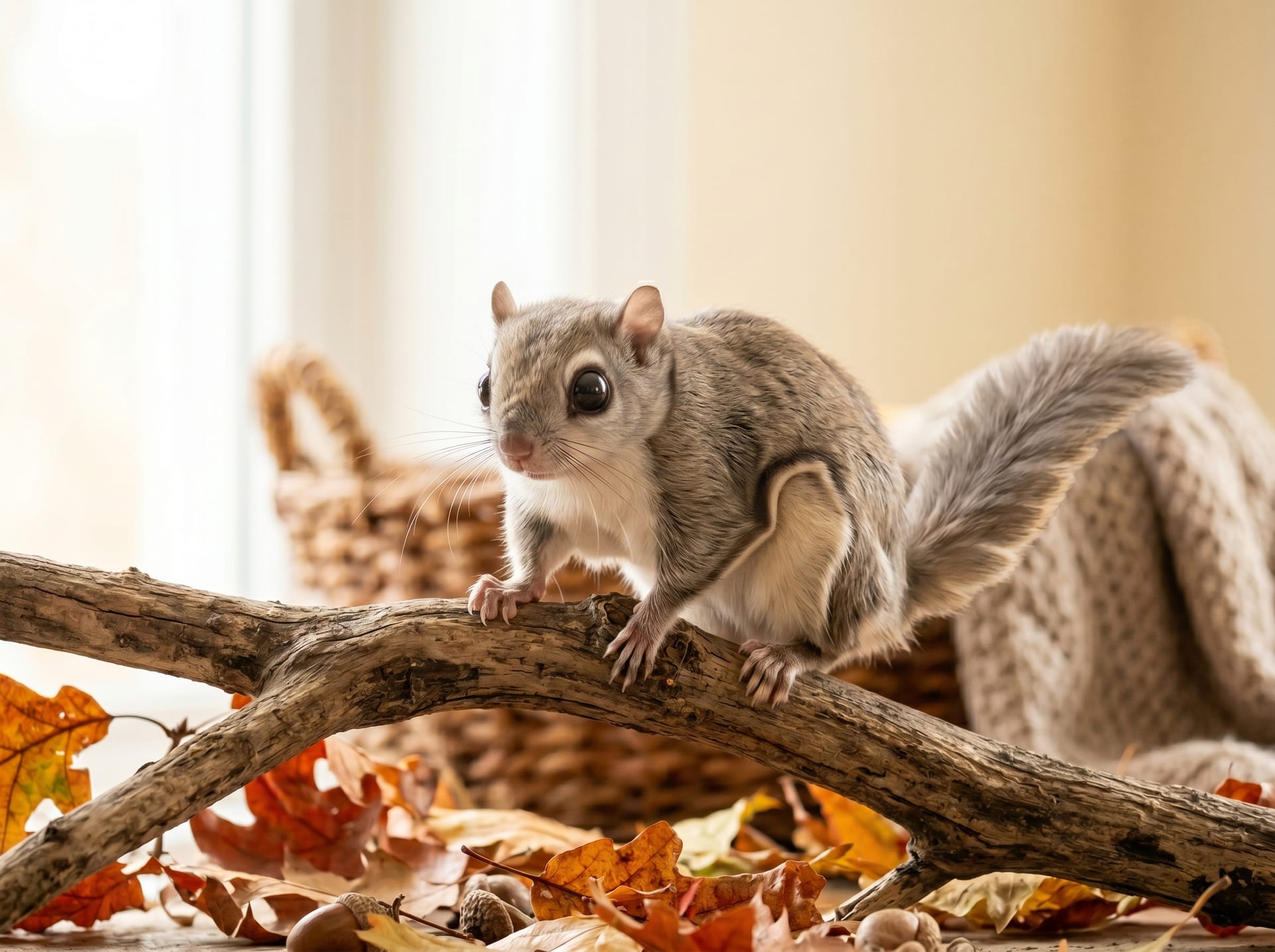
Adorable gliding squirrel with large eyes and fluffy fur. Nocturnal and shy but bonds with patient owners.
View 鼯鼠 encyclopedia →前3笔销售免佣金!在2026年7月31日前注册为繁殖者,前3笔销售免佣金!
繁殖者 招募中!
在BreederDirect发布商品,直接销售给全国客户!
上架小动物时,繁殖者公示以下信息。确保健康检查、疫苗接种、芯片植入等信息的完全透明。
价格区间
地区
属性
繁殖者正在陆续注册,即将上架。设置上架通知,不错过新商品。
「接收上架通知」需免费注册会员即可设置。当有符合您保存条件的新商品上架时,我们会通过邮件和站内通知提醒您。
想上架小动物吗?
注册成为繁殖者,即可与买家直接联系。
Two species are commonly kept as pets: the sugar glider (a marsupial native to Australia and Indonesia) and the American flying squirrel (a rodent). In Japan, the sugar glider is by far the more popular choice. In the wild, they are highly social, living in tree-top colonies and gliding between trees using a membrane that stretches from forelimb to hindlimb, sometimes covering dozens of meters in a single glide. They are tiny animals, typically weighing just 100–160 g, with large dark eyes and rounded ears that give them an endearing appearance. Sugar gliders are curious and lively, but also naturally wary of strangers and may make a defensive crabbing sound when startled. With consistent, gentle handling they form strong bonds with their owners and are known to sleep curled up in a bonding pouch or shirt pocket. Their long lifespan makes them a deeply rewarding companion, but their specific needs around socialization, diet, and temperature regulation require dedicated preparation before bringing one home.
1Nocturnal Lifestyle
Sugar gliders are nocturnal and most active after sunset. They sleep quietly during the day and become lively in the evening and night. Be mindful of noise and lighting in their environment, as their schedule may not align with yours.
2Tall Cage Required
Since sugar gliders glide between trees in the wild, vertical space is essential. A cage at least 90 cm tall with branches, ropes, and perches allows natural climbing and gliding behavior. A width of 60 cm or more is ideal.
3Taming Takes Patience
Sugar gliders are naturally cautious and may take weeks or months to feel comfortable with humans. Avoid forcing interaction; instead start by letting them sense your body warmth through a pouch or soft cloth to gradually build trust.
4Vocalizations and Scent Glands
Sugar gliders produce a distinctive "crabbing" sound when threatened or demanding attention. Males have scent glands on their head and chest used for marking territory, which causes a notable odor. Regular cage cleaning and liner changes help manage the smell.
5Diet Needs Variety
In the wild, sugar gliders eat nectar, fruit, insects, and tree sap. In captivity, a specialized diet such as BML or TPG is recommended as a base, supplemented with fresh fruits, vegetables, and feeder insects. Relying solely on commercial pellets often leads to nutritional deficiencies.
Social Needs
View 鼯鼠 encyclopedia entry →
Care difficulty, lifespan, size and diet — all basics covered.
Sugar gliders are highly social animals that live in groups in the wild. Keeping one alone can lead to stress and self-destructive behavior. If you are away for long periods, consider keeping a same-sex or neutered pair to provide companionship.
7Vet Costs and Specialists
Veterinarians experienced with sugar gliders are limited, so find an exotic animal specialist before you need one. Metabolic bone disease from poor nutrition and injuries are common issues. Annual veterinary costs can reach tens of thousands of yen, so financial preparation is important.