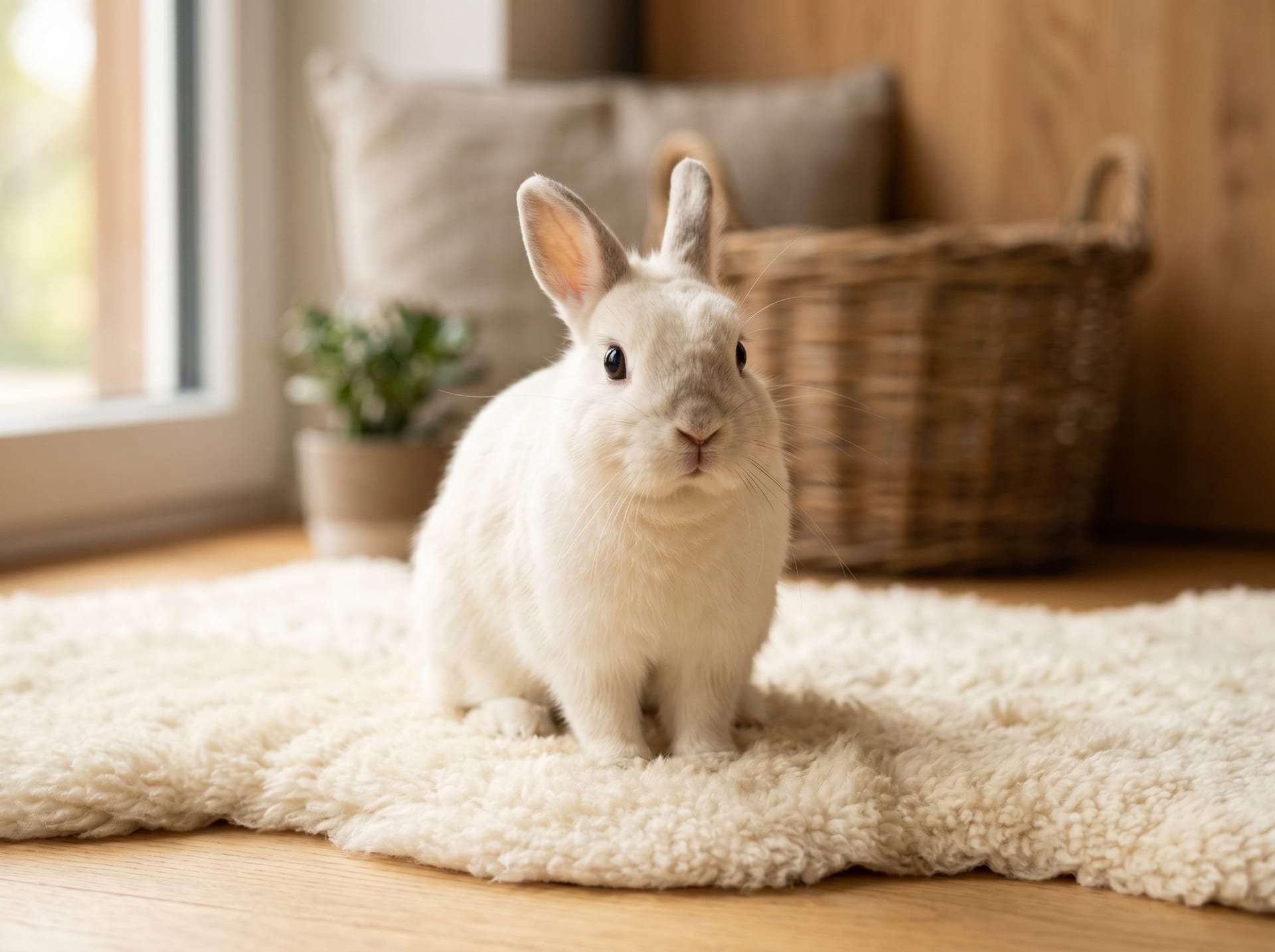
兔子
兔子是温和且好奇心旺盛的动物,即使在安静的居住环境中也很容易饲养,从饲养者处直接领养可以充分了解健康状况和性格。许多兔子更喜欢靠近而不是被抱起来,通过逐步建立信任关系可以开创丰富的互动。由于不同品种在体型、毛质和性格上差异很大,选择符合自己生活方式的兔子是长期养护的第一步。
成交手续费0%!2026年9月30日前注册,前 2 笔成交免佣金!
繁殖者 招募中!
在BreederDirect发布商品,直接销售给全国客户!
我们的 6 大透明度承诺
上架小动物时,繁殖者公示以下信息。确保健康检查、疫苗接种、芯片植入等信息的完全透明。
- 驯化程度
- 健康检查
- 疫苗接种
- 芯片植入
- 实物照片
- 月龄说明
查看全部28个品种
小动物分类正在招募认证繁殖者
繁殖者正在陆续注册,即将上架。设置上架通知,不错过新商品。
「接收上架通知」需免费注册会员即可设置。当有符合您保存条件的新商品上架时,我们会通过邮件和站内通知提醒您。
已注册的繁殖者(抢先看)
关于兔子
兔子的祖先是欧洲穴兔,自古代罗马时代起就因食用和毛皮用途而被驯化。兔子在江户时代传入日本,自明治时代起作为宠物广泛普及。如今存在荷兰侏儒兔、荷兰垂耳兔、迷你兔等众多品种,体重从约500克的小型种到超过6公斤的大型种不等,具有垂耳、立耳、短毛、长毛等丰富的外观差异。性格因品种和个体而异,既有活泼好动的个体,也有温和贴心的个体。与犬猫相比,兔子几乎无声,可安静地生活,饲养所需的空间相对较小,因此在公寓居民中也很受欢迎。兔子的平均寿命为7〜10年,相对较长,通过日常互动可以培养深厚的感情纽带,这是兔子饲养的重大魅力。
迎接兔子前需要了解的6件事
1宽敞安全的笼舍选择
兔子需要每天运动几个小时,因此应准备尽可能宽敞的笼舍。选择木条垫或牧草垫等对脚部负担较小的垫料,预防足底炎(足部炎症)很重要。由于兔子有啃咬习性,务必确保电线和有害植物放在笼舍外。
2以牧草为中心的饮食管理
兔子的主食是提摩西草等禾本科牧草,需要全天供应,这对维持消化道健康至关重要。根据兔子体重给予适量的兔粮,每天1~2次;过量喂食会导致肥胖和消化问题。蔬菜和水果仅作为零食供应,特别要避免食用淀粉和糖分含量高的食物。
3梳理与被毛护理
兔子会自行梳理毛发,但在换毛期(春季和秋季)会摄入更多毛发,患毛球症的风险增加。每周2~3次梳毛可以去除脱毛,并提供充足的牧草以保持消化道通畅。垂耳兔和安哥拉兔等长毛品种需要定期检查耳朵内部和毛发缠结情况。
4定期的健康检查
兔子容易隐藏症状,因此每天观察食欲、粪便和行为是早期发现问题的关键。由于兔子的牙齿终生不断生长,咬合不正(牙列错位)需要通过定期的兽医检查及早发现并处理。提前寻找一家能够诊治"异宠"且有兔子诊疗经验的动物医院,会让人更加安心。
5社交与沟通
兔子是独行的动物,但与饲主建立牢固的信任关系后,会主动靠近你。强行抱起可能会导致压力或骨折,所以最好先从地面上的接触开始。如果学会识别跺脚或磨牙等身体语言,就能更容易理解兔子的想法。
6初期费用和日常维护成本
兔子的购买费用根据品种和血统而异,初期用品(笼子、饮水器、饲料盆、厕所等)需要准备1~3万日元左右。每月的牧草和颗粒饲料费用约为3,000~5,000日元,考虑到修剪爪子和定期健康检查的费用,年间可能需要约10万日元。为了应对突发疾病或手术,购买宠物保险也是一个选择。
兔子的常见问题
- Q.兔子可以在一个人生活的情况下饲养吗?
- A.即使一个人生活也可以饲养兔子,但每天的喂食、换水和清理厕所是必不可少的。旅行或长期外出时,需要提前确保有地方寄养。回家后与兔子进行交流互动,也有助于培养信任关系。
- Q.兔子能学会用厕所吗?
- A.兔子有在固定地点排泄的习性,所以排泄训练相对比较容易。如果在兔子自然排泄的地方放置厕所,它会学得更快。不过,完全掌握需要的时间因个体而异,而且标记行为有时可以通过绝育来缓解。
- Q.兔子不喜欢被抱是正常的吗?
- A.兔子天性通过逃离来保护自己,因此很多个体本能地害怕被抱起。强行抱起可能导致骨折或逃脱的风险,需要格外谨慎。建议您坐在地上,与兔子保持同样的视线高度互动,这样可以逐步建立兔子主动靠近您的关系。
- Q.兔子的平均寿命是多少?
- A.在适当的饲养环境和合理的食物管理下,兔子的平均寿命据说约为7〜10年。不同品种和个体之间存在差异,大型品种往往寿命较短。定期的健康检查和及早发现疾病是延长寿命的重要关键。
- Q.可以饲养多只吗?它们的相性如何?
- A.兔子在同种间有较强的领地意识,相性不合时容易发生激烈打斗。尤其是公兔之间更容易变得具有攻击性。建议先确保已绝育/阉割的配对,或在缓慢确认相性后再同居。不要突然把它们放在同一个笼子里,应该先在各自的空间内让它们慢慢适应一段时间。