成交手续费0%!2026年9月30日前注册,前 2 笔成交免佣金!
繁殖者 招募中!
在BreederDirect发布商品,直接销售给全国客户!
我们的 6 大透明度承诺
上架小动物时,繁殖者公示以下信息。确保健康检查、疫苗接种、芯片植入等信息的完全透明。
- 驯化程度
- 健康检查
- 疫苗接种
- 芯片植入
- 实物照片
- 月龄说明
查看全部28个品种
小动物分类正在招募认证繁殖者
繁殖者正在陆续注册,即将上架。设置上架通知,不错过新商品。
「接收上架通知」需免费注册会员即可设置。当有符合您保存条件的新商品上架时,我们会通过邮件和站内通知提醒您。
已注册的繁殖者(抢先看)
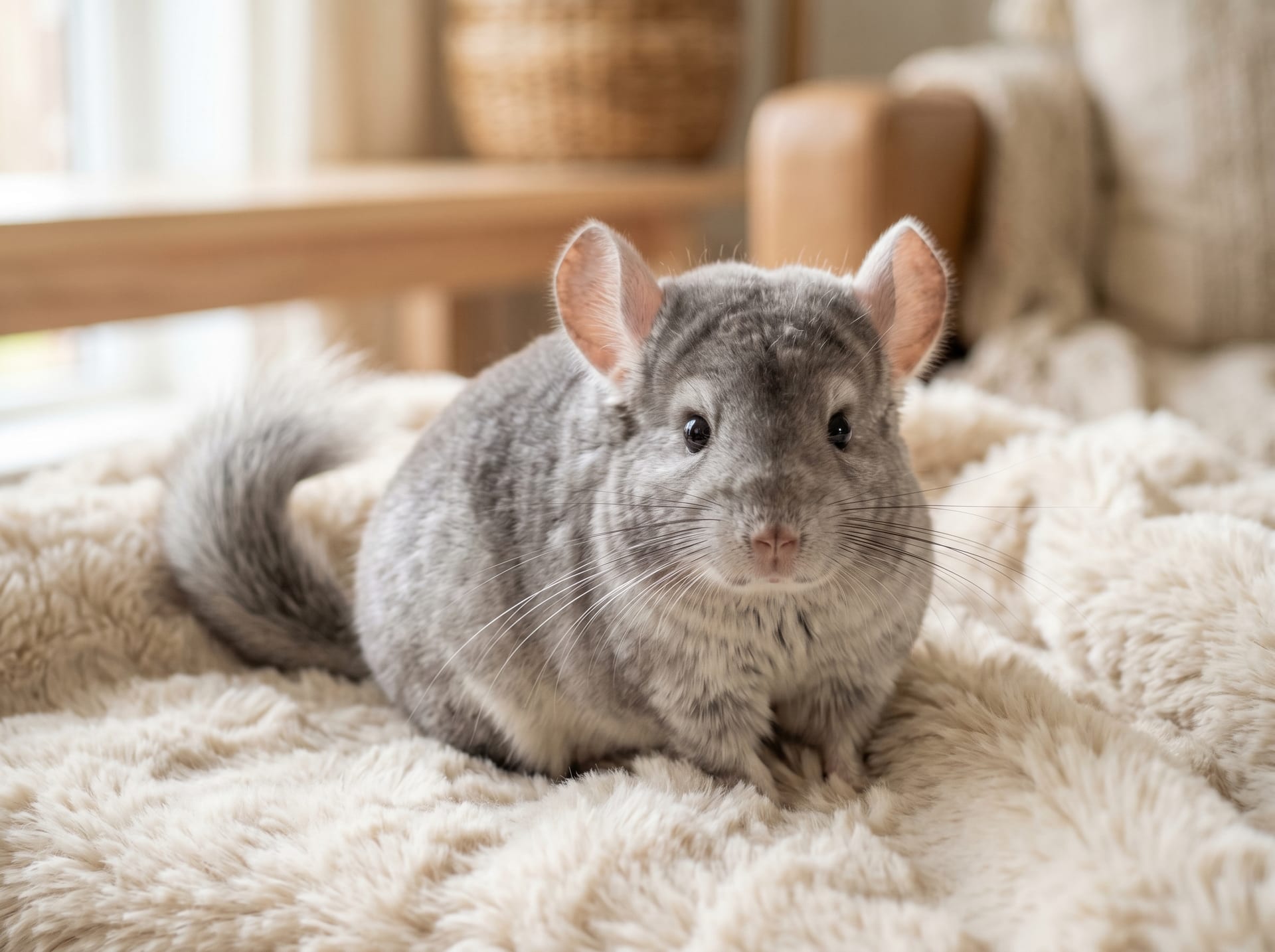
龙猫的基本数据
- 饲养难度
- 适合中级者
- 寿命
- 15-20年
- 体型
- 25-35厘米 / 400-600克
- 适宜温度
- 15〜22℃
- 适宜湿度
- 30〜50%
- 饮食
- 全营养猫粮。最好选择毛球护理专用粮
- 温度管理
- 非常害怕高温。必须保持在22℃以下,夏季空调是必需的
- 沙浴
- 每日需要15-30分钟的沙浴。使用专用龙猫沙
- 笼子
- 多层高笼。需要设置跳台和啃咬木
- 注意事项
- 不能接触水分。寿命较长,需要做好长期饲养的准备
关于龙猫
龙猫原本生活在南美洲安第斯山脉标高3,000〜5,000m的高地。为了适应严厉的温度变化和干燥的环境,每平方厘米有数十根毛发密生,发展出了超高密度的被毛。这种毛发的柔软程度在陆生哺乳动物中非常出众,曾经因作为高级毛皮而遭到过度捕猎。现在作为宠物在世界各地普及,虽然以灰色为主,但也存在白色、黑檀木色、紫罗兰色等多种颜色。性格好奇心强、警戒心也强,适应需要时间,但一旦建立信任关系,很多个体会对主人撒娇。由于寿命长,需要独特的护理(沙浴、温度管理),饲养难度相对较高,但也正因此能享受到长久而深厚的陪伴。
经营龙猫的精选繁殖者
查看全部龙猫繁殖者列表(1)→迎接龙猫前需要了解的7件事
1寿命是15〜20年
齿鼠与其他小型宠物相比寿命非常长,在适当的饲养环境下可以活15~20年。应提前理解,饲养齿鼠是一个长期的承诺。在做出决定前,也应考虑将来生活方式可能发生的变化。
2不耐高温高湿
齿鼠是适应南美安第斯高地干燥凉爽气候的动物,气温25℃以上、湿度60%以上的环境会对其身体造成很大负担。夏季必须用空调将室温保持在20~23℃左右。由于中暑风险较高,温度和湿度管理是饲养中最重要的要点之一。
3每天需要进行沙浴
齿鼠的毛发非常浓密,用水浸湿后很难干燥,容易导致霉菌和皮肤问题。应改用专用沙子进行沙浴,大约每周3~5次。沙浴容器和专用沙是必需物品,应提前准备。
4夜行性,白天休息
毛丝鼠是夜行性动物,白天大多时间都在睡眠,傍晚至夜间活动频繁。白天强行唤醒它们会导致压力,因此尊重它们的生活规律至关重要。如果夜间活动的声音让您感到困扰,不妨考虑调整笼子的摆放位置。
5骨骼纤细 - 需小心处理
毛丝鼠的骨骼十分纤细,极易骨折,抱持或处理时需格外谨慎。从高处坠落或紧握躯干都可能导致骨折。在它们习惯被触摸前,请在靠近地面的低处处理,避免强行约束。
6宽敞的笼子和运动空间
毛丝鼠活动量很大,能够在垂直方向活动,因此需要高度足够的多层笼。每天让它在笼外自由活动一段时间(室内放风),有助于释放压力。电线、缝隙等危险物需提前防护。
7牙齿和消化系统护理很重要
龙猫的牙齿终生不断生长,需要通过将牧草(提摩西草)作为主食并持续提供来使其自然磨损。纤维素摄入不足会导致消化系统问题和牙齿咬合不正的风险。应避免过量喂食零食或谷物,要以牧草为中心进行简单的饮食管理。
龙猫的常见问题
- Q.独居者可以饲养龙猫吗?
- A.虽然独居也可以饲养龙猫,但由于龙猫是夜行性动物,在白天互动较少的环境中也符合其自然节奏。不过,在长期不在家时,一定要确保有人能够进行温度管理和照料。
- Q.龙猫会变得很亲人吗?可以触摸它吗?
- A.虽然个体存在差异,但花时间建立信任关系的话,许多个体会主动接近饲主。由于有些个体不喜欢被抱起,重要的是避免强行束缚,而是按照龙猫的节奏来互动。
- Q.龙猫可以多只饲养吗?
- A.如果相性合得来,可以进行配对饲养或多只饲养。但是,如果性别不同,需要采取措施防止繁殖,初次饲养的情况下,从同性开始会更安全。注意笼内的领地争执,首次接触时要谨慎进行。
- Q.什么食物适合龙猫?
- A.主食是提摩西牧草,需要自由采食。作为辅助食物,少量给予龙猫专用粒饲料。由于水果、蔬菜和甜食会给消化系统造成负担,如果要给的话,请只给极少量。
- Q.龙猫的叫声吵吗?
- A.通常相对安静,但当感到不满或警戒时会发出"吱吱"、"咕咕"等声音。龙猫在夜间会在笼内活跃活动(踩跑轮、跳跃到架子等),产生的声音可能会回响,因此在卧室设置笼子需要格外注意。
适合饲养龙猫的实用工具
在图鉴中详细了解龙猫
查看龙猫的图鉴条目 →
收录饲养难度、寿命、体长、食性等基础数据。