 © Cephas / CC BY-SA 3.0
东部花鼠
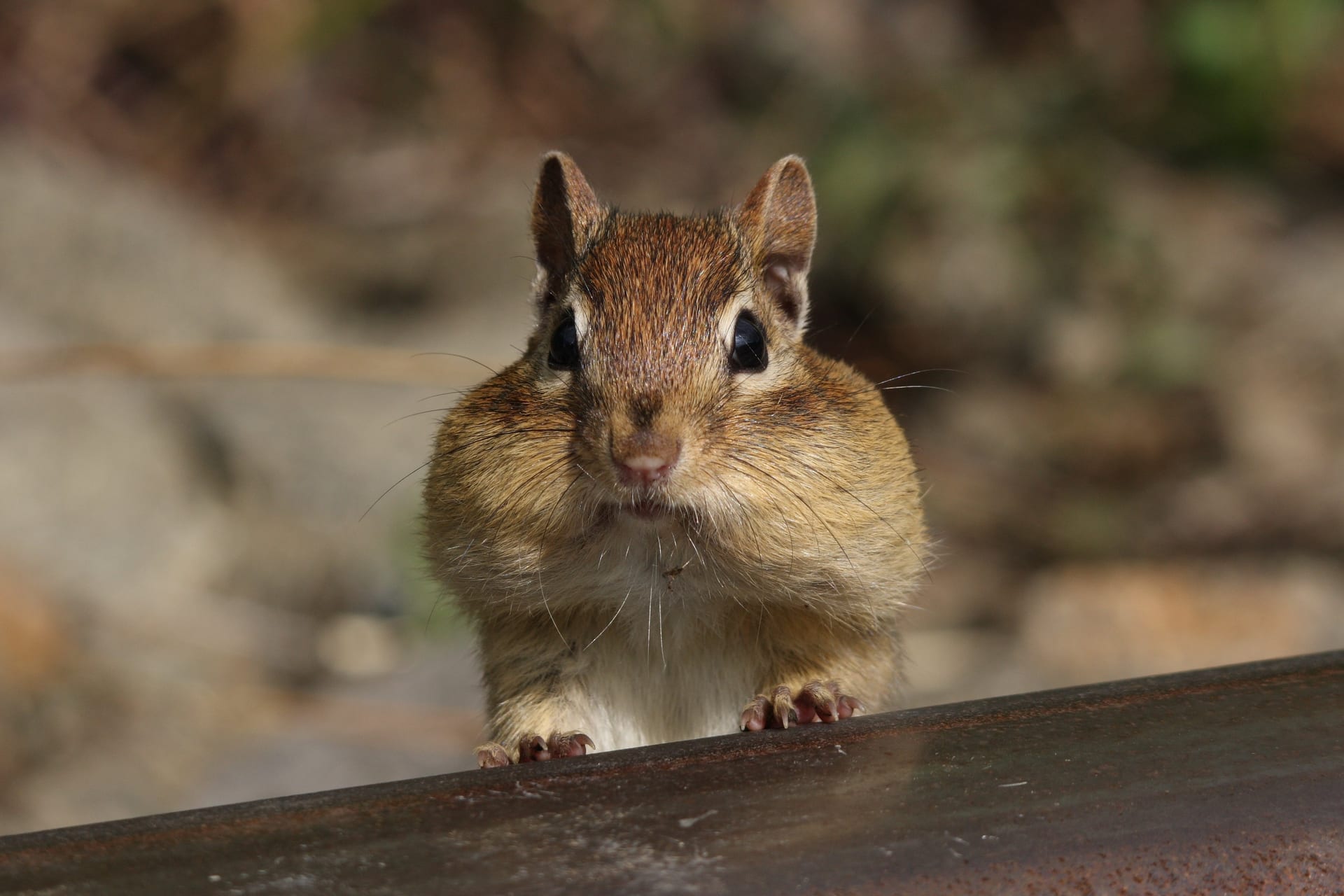
The Eastern chipmunk is a chipmunk native to the forests of eastern North America. Five dark stripes run down its back, and the rump shows yellow to reddish tones. Adults measure about 30 cm in total length including the tail and weigh 66 to 115 g. Carrying food in its cheek pouches and stashing it in a burrow is a big part of its charm. Because it is active during the day, it is easy to watch. It is also solitary and territorial, and can take time to get used to people, so it is rated as suitable for intermediate keepers. Learn its habits first, then prepare a calm setup before bringing one home.
View 东部花鼠 encyclopedia →成交手续费0%!2026年9月30日前注册,前 2 笔成交免佣金!
繁殖者 招募中!
在BreederDirect发布商品,直接销售给全国客户!
我们的 6 大透明度承诺
上架小动物时,繁殖者公示以下信息。确保健康检查、疫苗接种、芯片植入等信息的完全透明。
- 驯化程度
- 健康检查
- 疫苗接种
- 芯片植入
- 实物照片
- 月龄说明
查看全部168个品种
小动物分类正在招募认证繁殖者
繁殖者正在陆续注册,即将上架。设置上架通知,不错过新商品。
「接收上架通知」需免费注册会员即可设置。当有符合您保存条件的新商品上架时,我们会通过邮件和站内通知提醒您。
已注册的繁殖者(抢先看)
东部花鼠的基本数据
- 饲养难度
- 适合中级者
- 寿命
- 野生通常2年以下,人工饲养记录为8年
- 体型
- 全长约30cm(含尾),体重66〜115g
- 饮食
- 杂食。以果实、种子、坚果为主,也食昆虫等
- 笼舍
- 虽然在地面采食,但也擅长爬树。应在高大的笼舍内放置巢箱和爬木,床垫应铺足够厚以便其进行打洞活动。
- 饮食
- 以果实、种子、坚果为主食,也食昆虫和蚯蚓。具有用颊囊运输并贮存食物的习性,需定期检查隐藏的食物是否腐败。
- 性格
- 独居生活,在洞穴周围维持领地。多只饲养会引发争斗,应单只饲养。
- 温度管理
- 不储存冬眠脂肪,冬季在休眠和清醒之间交替。进入冬眠休眠后进食量下降,冬季应保持室温稳定并注意体重变化。
- 法律规定
- 作为松鼠科动物,进口时需要物种证明书。进口个体属于《传染病防控法》规定的进口申报对象。
- 注意事项
- 与常见饲养的花鼠(西伯利亚花鼠)为不同物种。由于外来松鼠在国内造成生态问题,请绝对不要将饲养个体放归野外。
关于东部花鼠
Learn about the Eastern chipmunk: its five dark back stripes, cheek pouches, daytime and solitary habits, what to know before bringing one home, and answers to common questions.
迎接东部花鼠前需要了解的7件事
1Active in the daytime
The Eastern chipmunk is diurnal, spending the day running and climbing. That makes it easy to watch, but constant foot traffic or loud noise during the day can leave it unsettled. Place the cage in a quiet spot away from direct sunlight and drafts from an air conditioner.
2Keep them alone
In the wild this species lives alone and defends its territory. Housing several together can lead to fights, so the basic rule is one animal per cage.
3Give it plenty of room
This animal stores food in a burrow, so it needs space to run, climb, and hide. Since adults reach about 30 cm including the tail, choose a roomy cage and add a nest box, deep bedding it can burrow into, and branches to climb. It is small and quick, so check doors and gaps regularly.
4Hoarding and diet
It fills its cheek pouches and carries food back to its nest to store. Fresh food that is stashed away can spoil and grow mold, so check the nest box regularly. Do not rely on seeds alone, and mix in vegetables and other foods. An experienced vet or keeper can help you plan the details.
5Watch for cold and torpor
This species lives through cold winters in eastern North America, and in the wild it enters a state close to hibernation. In captivity, prolonged cold can also make it stop moving, which can be hard to tell apart from illness. Keep the room temperature stable, and decide how you will manage winter before you bring one home.
6Taming takes patience
Some individuals are wary, and whether one becomes comfortable on your hand depends on the animal and on how you approach it. At just 66 to 115 g, it must never be gripped tightly, so build trust gradually with your voice and small treats. A frightened chipmunk may bite or become stressed, so never force contact.
7Find a vet in advance
At 66 to 115 g, changes in condition can show up quickly. Make it a habit to check its appetite, droppings, and activity every day. Before bringing one home, look for a vet who can see chipmunks or other small animals, so you are not scrambling if something goes wrong.
东部花鼠的常见问题
- Q.Can a beginner keep an Eastern chipmunk?
- A.It is rated as suitable for intermediate keepers. It is solitary and territorial, some individuals are wary, and the setup and room temperature need care, so experience with small animals helps. If you are new to this, research its habits and required equipment thoroughly first.
- Q.Can I keep more than one together?
- A.The basic approach is one animal per cage. They live alone in the wild and are territorial, so sharing a cage can lead to fights.
- Q.How long do they live?
- A.In the wild they usually live less than two years, and a captive lifespan of eight years has been recorded. That eight-year figure is a record rather than a typical lifespan, so individuals vary. Because it could be a long commitment, plan ahead before bringing one home.
- Q.How big do adults get?
- A.Adults reach about 30 cm in total length including the tail and weigh 66 to 115 g. They are light, so handle them gently, and provide a roomy cage where they can move around freely.
- Q.Why do their cheeks puff out?
- A.They are filling their cheek pouches to carry food, a habit tied to storing it in a burrow. If it is just food, there is no need to worry, but if the swelling lasts, consult a vet.
适合饲养东部花鼠的实用工具
在图鉴中详细了解东部花鼠
查看东部花鼠的图鉴条目 →
收录饲养难度、寿命、体长、食性等基础数据。