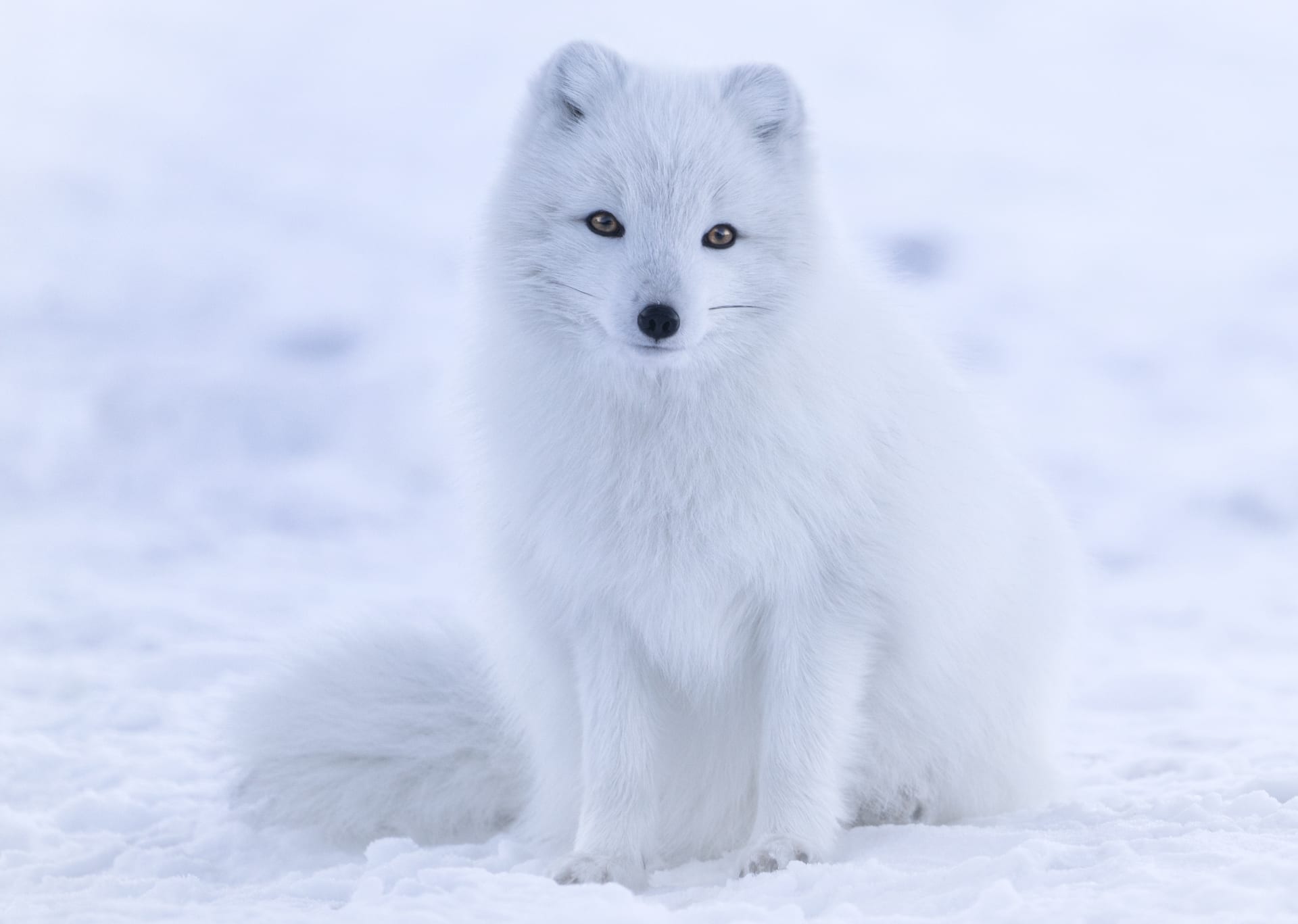
 © Jonatan Pie (unsplash.com/@r3dmax) / CC0
北极狐
The Arctic fox is a small fox species adapted to life on the tundra, best known for its dramatic seasonal coat change — pure white in winter and brownish in summer for the white morph. With a rounded face, short ears, and a bushy tail, its dense, cold-weather coat gives it a distinctly plush appearance. In the wild it is agile and alert, adapted to harsh conditions, though individuals raised around people can also show a curious, engaging side. Arctic foxes are rarely kept as pets domestically, and they are considered an advanced-keeper animal requiring specialized knowledge and facilities. Anyone considering bringing one home should first prepare an environment suited to its natural needs, including ample space to roam and careful temperature control.
View 北极狐 encyclopedia →成交手续费0%!2026年9月30日前注册,前 2 笔成交免佣金!
繁殖者 招募中!
在BreederDirect发布商品,直接销售给全国客户!
我们的 6 大透明度承诺
上架小动物时,繁殖者公示以下信息。确保健康检查、疫苗接种、芯片植入等信息的完全透明。
- 驯化程度
- 健康检查
- 疫苗接种
- 芯片植入
- 实物照片
- 月龄说明
查看全部145个品种
小动物分类正在招募认证繁殖者
繁殖者正在陆续注册,即将上架。设置上架通知,不错过新商品。
「接收上架通知」需免费注册会员即可设置。当有符合您保存条件的新商品上架时,我们会通过邮件和站内通知提醒您。
已注册的繁殖者(抢先看)
关于北极狐
A tundra-dwelling fox known for its dramatic seasonal coat change from winter white to summer brown. Keeping one requires specialized knowledge as an advanced-keeper species.
迎接北极狐前需要了解的7件事
1An Advanced-Keeper Species
Arctic foxes are considered an advanced-keeper species and are not recommended for first-time exotic pet owners. Strong wild instincts remain even in farm-raised individuals, so prior knowledge and hands-on experience matter. Study its natural behavior and housing needs thoroughly with reliable sources before bringing one home.
2A Coat That Changes With the Seasons
The white morph's most striking trait is its seasonal molt — pure white in winter, brownish in summer. Grooming demands increase noticeably during these shedding periods, so plan a brushing routine in advance. The changing appearance through the seasons is also part of the appeal of keeping one.
3Built for a Cold Climate
Because Arctic foxes evolved for the cold tundra, typical indoor conditions and Japan's hot, humid summers can place significant stress on them. Careful temperature and humidity control is a central part of setting up a suitable environment.
4Requires Ample Space to Move
With a body length of roughly 41–68cm and weight of 1.4–9.4kg, Arctic foxes are active animals that don't do well confined to a small cage alone. Carefully consider whether you can provide an outdoor run or sufficiently spacious enclosure before committing.
5Alert and Independent by Nature
Their strong, wild-derived wariness means they lack the reflexive obedience often expected of dogs, which can surprise new owners. Even farm-raised individuals retain much of this natural temperament, so understanding it and adapting your approach accordingly is essential.
6Diet and Health Care
In the wild they are primarily carnivorous, so a nutritionally balanced, specialized diet is required in captivity. Finding a veterinary clinic experienced with exotic animals in advance will make it much easier to respond if health issues arise.
7A Long-Term Commitment
While wild lifespans are typically only 3–4 years, Arctic foxes in captivity can live up to around 16 years, meaning a long-term commitment to responsible care. Think ahead about how your lifestyle may change and whether you can sustain that care over the years.
北极狐的常见问题
- Q.Can beginners keep an Arctic fox?
- A.Arctic foxes are classified as an advanced-keeper species. Because strong wild instincts remain, they are not recommended for first-time owners and are best suited to keepers with specialized knowledge.
- Q.Are there any legal restrictions?
- A.Arctic foxes are not subject to CITES. Even so, it's a good idea to independently confirm the latest applicable regulations before deciding to keep one.
- Q.How large do Arctic foxes grow?
- A.Adults typically reach a body length of about 41–68cm and weigh 1.4–9.4kg. Because individual variation is significant, it's safer to prepare housing with generous extra space.
- Q.How long can I expect to live with one?
- A.Wild Arctic foxes typically live only 3–4 years, but in captivity they can live up to around 16 years. Keep in mind that this means a long-term, ongoing responsibility.
- Q.Does its coat really change color with the seasons?
- A.Yes — the white morph molts to pure white in winter and brownish in summer. Grooming routines should be adjusted to match this seasonal coat change.
适合饲养北极狐的实用工具
在图鉴中详细了解北极狐
查看北极狐的图鉴条目 →
收录饲养难度、寿命、体长、食性等基础数据。