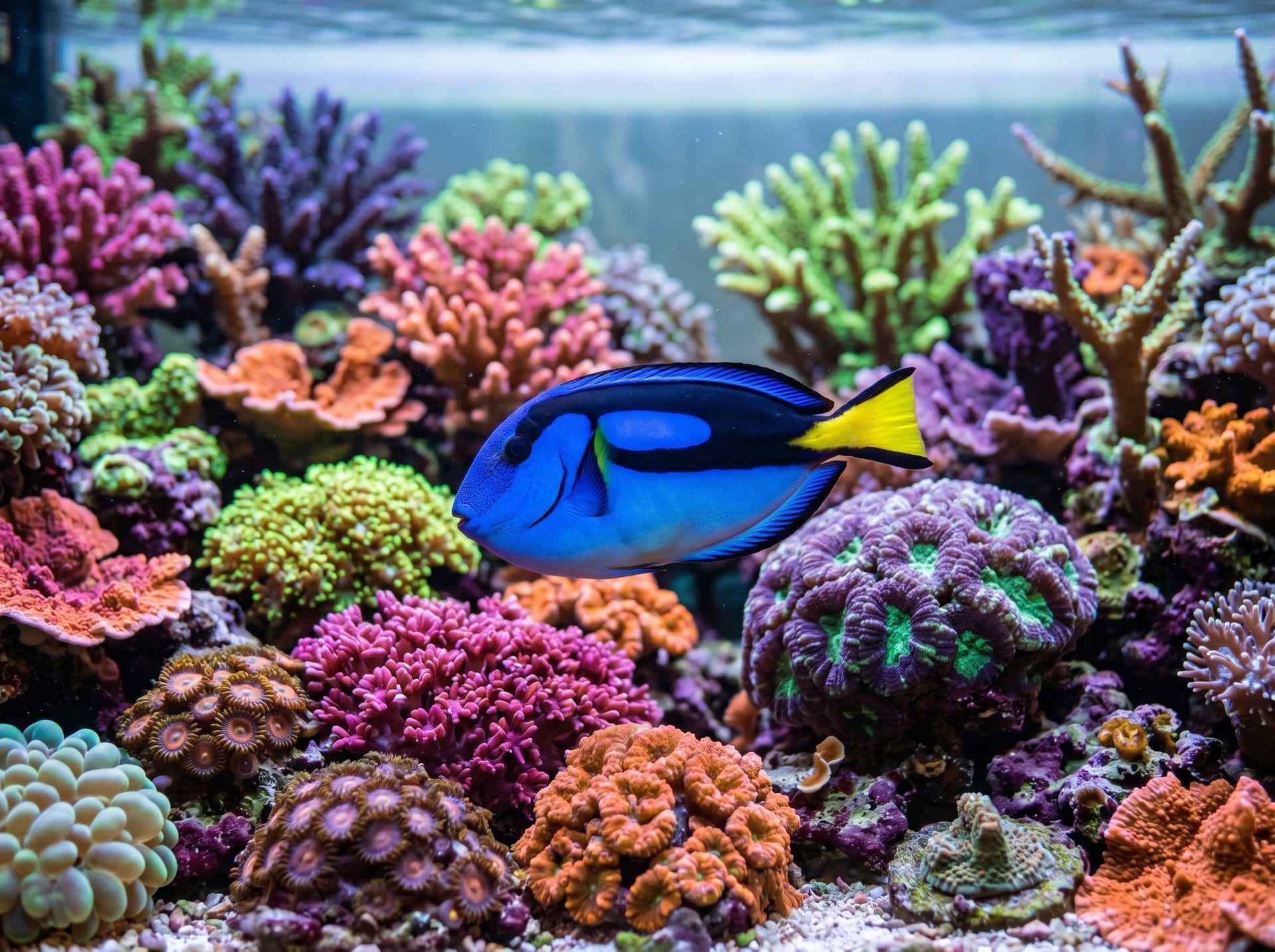
Tangs and surgeonfish are vibrant, active marine fish that bring energy and color to any reef aquarium. Named for the sharp, scalpel-like spine near their tail, they require careful handling. Many species are relatively hardy and popular with beginners, though their eventual size means a spacious tank is essential.
前3笔销售免佣金!在2026年7月31日前注册为繁殖者,前3笔销售免佣金!
繁殖者 招募中!
在BreederDirect发布商品,直接销售给全国客户!
繁殖者在海水鱼・珊瑚出品中公开以下信息。避免过度捕捞的野生个体,确保养殖CB为主、推荐水箱尺寸、气质信息的透明化。
价格区间
地区
属性
想上架海水鱼・珊瑚吗?
注册成为繁殖者,即可与买家直接联系。
Tangs and surgeonfish belong to the family Acanthuridae and are found throughout coral reefs of the Indo-Pacific region. With over 100 known species — including the Blue Tang, Rainbow Tang, and Unicornfish — they bring vivid blues, yellows, and striped patterns to the aquarium. Their most distinctive feature is the scalpel-like spine on the caudal peduncle, used for defense and territorial disputes. As devoted herbivores, they graze continuously on reef algae, playing a vital role in maintaining ecosystem balance. Curious and quick to recognize their keepers, they can nonetheless be highly territorial, particularly toward related species. With an appropriately sized tank and stable water parameters, tangs reward dedicated hobbyists with dynamic movement and stunning color for many years.
1Tank Size Matters
Many tangs grow to 20–30 cm and require a minimum of 150 liters, ideally over 200 liters. Insufficient swimming space can cause stress, weakened immunity, and color loss over time.
2Beware the Tail Spine
Tangs have a sharp, scalpel-like spine on the caudal peduncle that can be deployed when threatened or agitated. Avoid placing bare hands near the fish during netting or tank maintenance to prevent injury.
3Same-Species Aggression
Tangs of the same or similar species often become territorial, especially in smaller tanks. If keeping multiple tangs, provide ample space, hiding spots, and ideally introduce them simultaneously to reduce aggression.
4Herbivore Diet Needs
Tangs are primarily herbivores and thrive on a diet rich in algae, including dried nori, spirulina-based pellets, and marine greens. Relying solely on meaty foods leads to nutritional deficiencies, faded coloration, and increased disease susceptibility.
5Prone to White Spot
Tangs are notoriously susceptible to marine ich (Cryptocaryon irritans). A mandatory quarantine period of at least two weeks in a separate treatment tank is strongly recommended before introducing any new fish to your display tank.
6Water Quality and Flow
Tangs prefer well-oxygenated water with strong circulation, mimicking their natural reef environment. A high-capacity protein skimmer and circulation pumps are essential to maintain low nitrates and support long-term health.
7Estimated Setup Costs
Common species like blue tangs and yellow tangs typically range from a few thousand to around 10,000 yen, while rare or large species can cost significantly more. Full equipment setup, including tank, skimmer, and circulation pumps, can easily exceed 100,000 yen in initial investment.