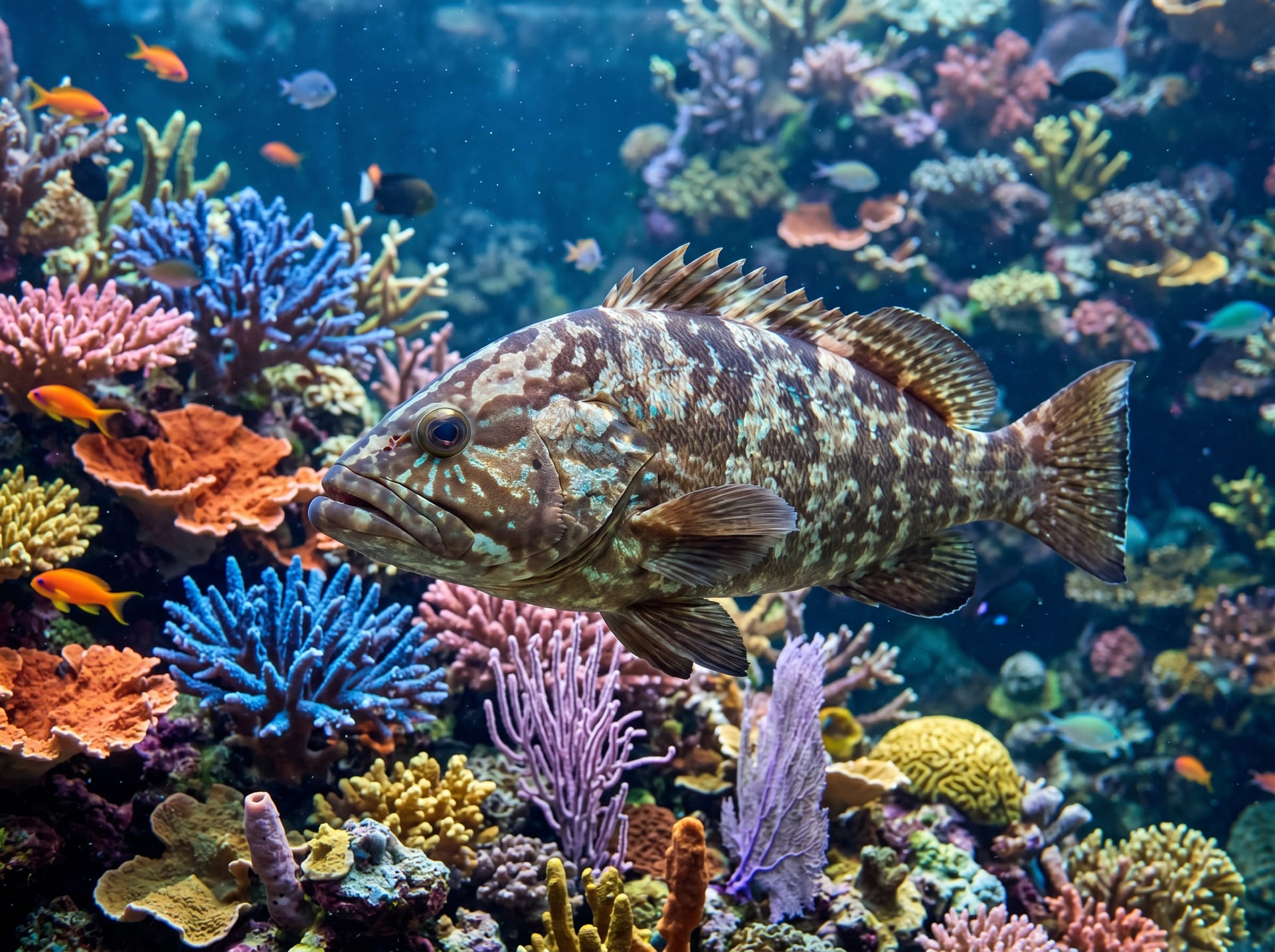
石斑鱼
石斑是生活在热带和亚热带岩礁域的大型肉食鱼,鲜艳的花纹和雄浑的体态在水槽中显得气势非凡。这类鱼相对强健,多数对人类容易驯化,多年来一直深受水族爱好者的喜爱。但许多石斑种类成长后体型会变得很大,因此长期的饲养计划至关重要。
成交手续费0%!2026年9月30日前注册,前 2 笔成交免佣金!
繁殖者 招募中!
在BreederDirect发布商品,直接销售给全国客户!
我们承诺的6大透明化亮点
繁殖者在海水鱼・珊瑚出品中公开以下信息。避免过度捕捞的野生个体,确保养殖CB为主、推荐水箱尺寸、气质信息的透明化。
- 养殖CB
- 实物照片
- Reef-safe
- 含饲育信息
- 产地明示
- 气质明示
查看全部42个品种
没有符合条件的商品
请调整筛选条件,或在有新商品时接收通知。
「接收上架通知」需免费注册会员即可设置。当有符合您保存条件的新商品上架时,我们会通过邮件和站内通知提醒您。
已注册的繁殖者(抢先看)
关于石斑鱼
石斑科(Serranidae)广泛分布于世界各地热带和亚热带的岩礁和珊瑚礁中,其种类超过400种。虽然自古以来就以食用鱼而闻名,但其作为观赏鱼的历史也很悠久。鲜艳的橙红色或红色底纹上散布白色斑点的条纹石斑、具有深邃蓝绿色体色的青目石斑等,呈现出丰富多彩的外观。成鱼在岩石缝隙中占据领地,作为伏击型捕食者以一击制胜的方式捕获猎物,充满野性气息。然而在人工饲养环境中,它们容易对人类产生亲近感,每次投喂时都会游至水槽前面,甚至某些个体能够识别饲养者的情况也并不罕见。由于多数种类体型会长得相当大,需要宽敞的水槽和强大的过滤系统,但正因为长期的陪伴会增进对它们的喜爱,无论是高级玩家还是初中级爱好者,都对这种海水鱼情有独钟。
迎接石斑鱼前需要了解的7件事
1需要大型水槽
石斑随着成长,体长会达到30〜60cm以上,成鱼需要300L以上的水槽,这种情况并不罕见。购买时即使个体较小,也应根据将来可能的体型大小来选择水槽,这是至关重要的。
2注意其强烈的肉食性
石斑会捕食能够放入口中的鱼类和甲壳类。如果要与其他鱼混养,必须充分注意体型差异,避免与体型较小的鱼类混养是基本原则。
3人工饲料驯饵
野生个体或刚采集的个体可能只接受活饵,转换冷冻饵或人工饲料需要较长时间。驯食难度因个体和种类而异,建议购买前向销售店确认其当前的饵料摄食情况。
4水质管理的彻底执行
大型肉食鱼进食量大,排泄物导致水质恶化迅速。需配备强力的蛋白质去沫器和适当的过滤系统,通过定期换水保持硝酸盐浓度低位,这是维持健康的关键。
5饲养成本较高
大型鱼缸、高性能过滤器、蛋白质去沫器等初期投资较大,电费和饲料费用也相应增加。与小型海水鱼相比,维护成本更高,建议进行长期费用估算后再考虑引入。
6按种类确认最大体型
石斑鱼科包含众多种类,体型跨度极大,从小型种到超过1m的巨石斑鱼。购买前务必确认学名和成鱼体长,选择适合饲育环境的种类非常重要。
7单独饲养是基本原则
石斑鱼具有强烈的领地意识,同种或近缘种混养时易发生激烈争斗。基本上应采用1水槽1条的饲育方式,如要尝试混养需确保充足空间和躲避场所。
石斑鱼的常见问题
- Q.石斑鱼可以在珊瑚水槽中饲养吗?
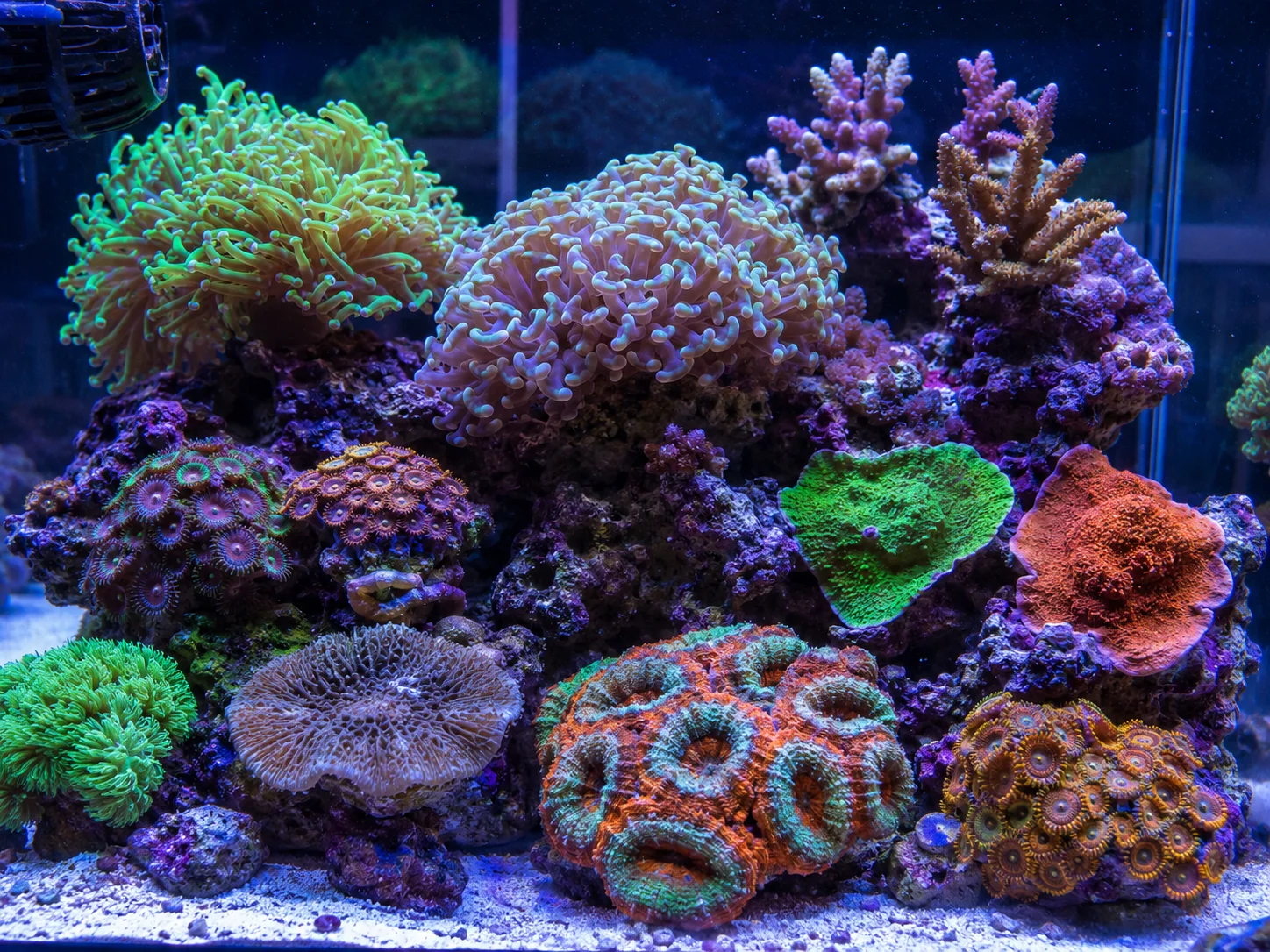
- A.这种鱼本身不会啄珊瑚,所以引入珊瑚缸并非不可能。但当它长大后,可能会破坏岩石堆积,因此FOWLR水槽(裸缸)会更容易管理。
- Q.可以和哪些鱼混养呢?
- A.基本条件是选择不会被它吞下去的鱼。大小相等或更大的刺盖鱼、长鼻刺尻鱼和金梦鱼等被认为是相对安全的混养伙伴。性情凶悍的物种组合需要注意领地争夺。
- Q.大概能活多少年?
- A.在适当的环境中饲养,10~20年的寿命对该物种来说并不罕见。野生环境中甚至有记录显示大型种能活超过30年。正因为这是长寿的鱼,所以在引入前规划好长期饲养计划是很重要的。
- Q.需要多大的水槽?
- A.这取决于你饲养的物种。即使是小型的横纹石斑鱼也需要150~200升以上,而条纹石斑鱼和大型种则建议500升以上。购买前一定要确认成鱼的大小,并准备相应的水槽。
- Q.它会接受人工饲料吗?
- A.根据驯化方式的不同,很多个体最终都能接受人工饲料。先用活饵或冷冻饵激发食欲,然后逐步转换到颗粒饲料是一个有效的方法。一旦驯化完成,管理会轻松得多。