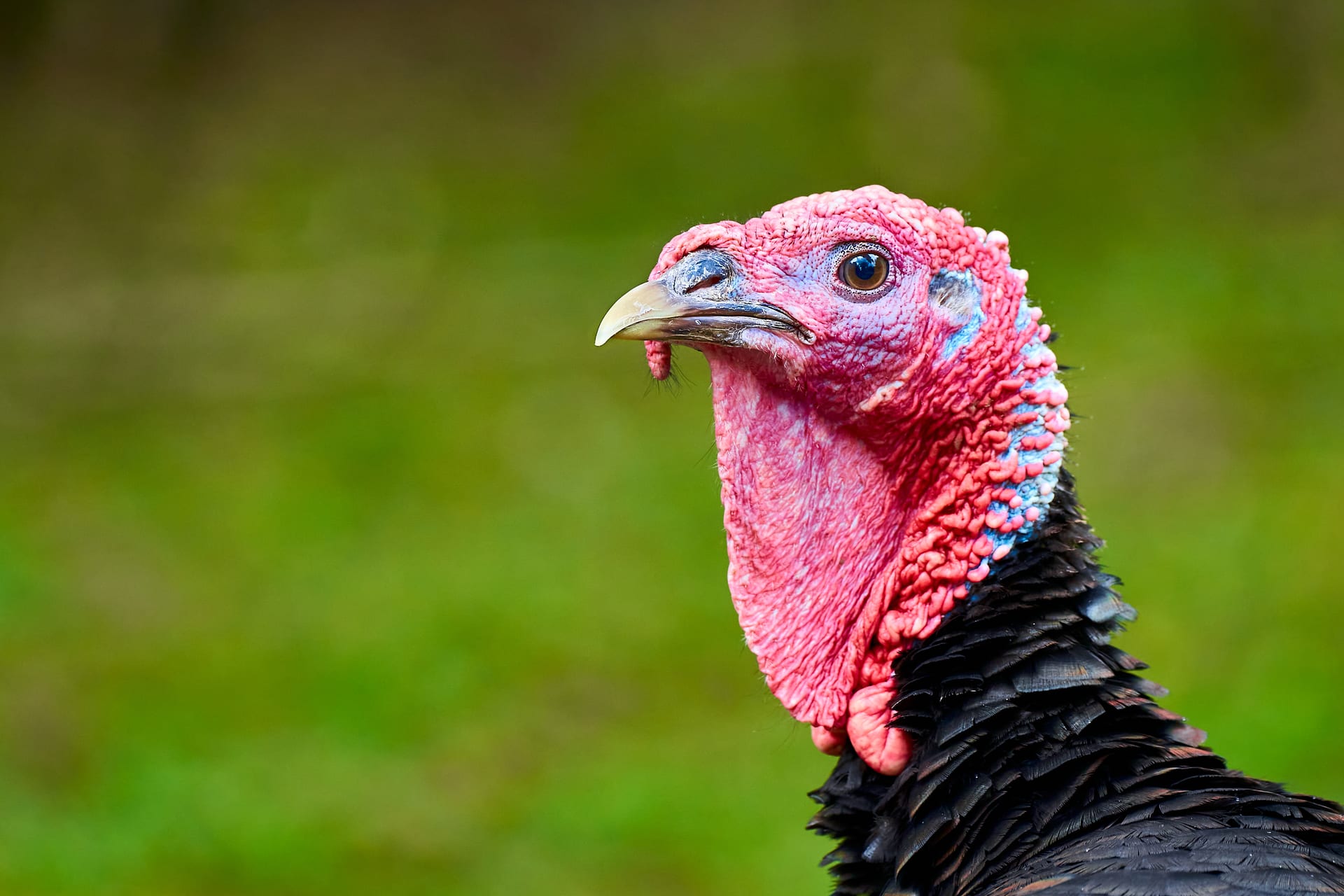
 © Anil Öztas / CC BY-SA 4.0
火鸡
The domestic turkey is a large fowl best known for the bare, featherless skin on its head and neck, which flushes red, blue, or purple when the bird gets excited. Descended from wild turkeys native to central Mexico, males famously fan out their tail feathers in a dramatic display during the breeding season. Turkeys are curious and can become quite friendly with their keepers, but their size means they need plenty of room to roam comfortably. Because of the space and care they require, they're generally considered a better fit for keepers with some prior poultry experience rather than absolute beginners. With their striking looks and confident presence, turkeys make an eye-catching addition to a spacious yard.
View 火鸡 encyclopedia →成交手续费0%!2026年9月30日前注册,前 2 笔成交免佣金!
繁殖者 招募中!
在BreederDirect发布商品,直接销售给全国客户!
BreederDirect承诺的6个透明度要点
繁殖者在鸟出品中明示以下信息。保证手乘、DNA性别鉴定、健康诊断的透明度。
- 手乘
- DNA性别鉴定
- 健康诊断
- 产地明示
- 颜色明示
- 月龄明示
查看全部286个品种
鸟分类正在招募认证繁殖者
繁殖者正在陆续注册,即将上架。设置上架通知,不错过新商品。
「接收上架通知」需免费注册会员即可设置。当有符合您保存条件的新商品上架时,我们会通过邮件和站内通知提醒您。
已注册的繁殖者(抢先看)
火鸡的基本数据
- 饲养难度
- 适合中级者
- 寿命
- 资料很少
- 体型
- 野生雄性 全长122厘米
- 饮食
- 火鸡专用混合饲料(根据生长阶段调整)、青菜、谷物
- 饲养环境
- 因体型较大,需要准备宽敞的运动场和带有栖木、能挡风遮雨的小屋。年幼火鸡能飞行短距离,所以要注意围栏的高度。
- 性格
- 繁殖期的雄鸟会展开尾羽进行炫耀,脾气会变得急躁。通常以一只雄鸟配数只雌鸟的群体方式饲养比较自然。
- 鸣声
- 雄鸟发出独特的"咕咕"声,警戒声非常响亮。在住宅区饲养需要特别注意。
- 健康·注意事项
- 为生肉而人工选择大型化的品系容易出现腿部和关节受伤,所以要注意控制体重增长。根据《家畜传染病防预法》,火鸡属于养殖卫生管理标准的适用对象,即使只饲养1只,饲养者也有义务每年6月15日前向都道府县(家畜保健卫生所)报告饲养羽数等信息。如果饲养不足100只,报告内容会简化;如果没有出售鸡蛋或鸡肉,则无需附加文件。
- 饲料·饲喂
- 以与生长阶段相应的配合饲料为基础,辅以青菜。幼鸟阶段需要高蛋白饲料。
关于火鸡
A large domestic fowl known for head and neck skin that flushes red, blue, and purple when excited, with males fanning their tails in a dramatic display — a breed suited to keepers with some poultry experience.
迎接火鸡前需要了解的7件事
1Room to Roam
Wild turkeys can reach around 122 cm in length, making this one of the larger domestic fowl breeds. A cramped cage won't do — plan for an outdoor run with plenty of space plus a shelter that protects them from wind and rain.
2Vocal Neighbors
Males announce themselves with a distinctive gobbling call, especially when excited, and it carries. If you live in a densely populated area, it's worth considering how the sound might affect neighbors before bringing one home.
3Curious & Social
Turkeys are inquisitive and can become quite attached to their keepers, though males can get keyed up during the breeding season, fanning their tails to assert themselves. They're a flock animal by nature, so keeping more than one tends to suit them better than raising a single bird alone.
4Keep Chickens Separate
Housing turkeys together with chickens is thought to raise the risk of parasites that chickens commonly carry. Where possible, it's best to keep their living areas separate and maintain good hygiene.
5Balanced Feeding
A poultry feed suited to their growth stage, along with fresh water, forms the basis of their diet. If they have outdoor access, they'll naturally forage on grass and insects too, so adjust feeding amounts accordingly.
6Mood in Color
The bare skin on the head and neck is this breed's signature trait, flushing red, blue, or purple when the bird is excited. Watching for these color changes can be a useful way to read a turkey's mood day to day.
7Not for Beginners
Turkeys are large-bodied and demand real space and daily care, which is why they're generally considered suited to keepers with some poultry-raising experience. Before bringing one home, think carefully about whether you can commit the long-term space and time they need.
火鸡的常见问题
- Q.Can beginners keep a domestic turkey?
- A.Domestic turkeys are generally considered a breed for intermediate keepers, since they need adequate space and some day-to-day care experience. If you're new to poultry, getting used to smaller fowl like chickens first can be a good way to build up to keeping a turkey.
- Q.How long do domestic turkeys live?
- A.There isn't much reliable reference data on turkey lifespan available in Japan at this time. Before deciding to keep one, it's a good idea to ask the breeder directly about the bird's health and their own track record raising them.
- Q.How big do domestic turkeys get?
- A.Wild turkeys grow to around 122 cm in length for males, making this a genuinely large fowl. Keep this size in mind and make sure you can provide adequately spacious housing before bringing one home.
- Q.Are there legal requirements for keeping turkeys?
- A.Domestic turkeys are not subject to CITES. However, under Japan's Act on Domestic Animal Infectious Diseases Control, turkeys are livestock covered by the hygiene management standards, and anyone keeping even a single bird must file an annual report of the number of birds kept with their prefecture (via the local Livestock Hygiene Service Center) by June 15 each year. With fewer than 100 birds the report is simplified, and no supporting documents are needed if you don't ship eggs or birds.
- Q.Why do male turkeys fan out their tails?
- A.Male turkeys have a natural habit of fanning their tail feathers into a wide, dramatic display to show themselves off. This behavior is tied to courtship and asserting territory, and it's often accompanied by the head and neck skin changing color as the bird gets excited.
适合饲养火鸡的实用工具
在图鉴中详细了解火鸡
查看火鸡的图鉴条目 →
收录饲养难度、寿命、体长、食性等基础数据。