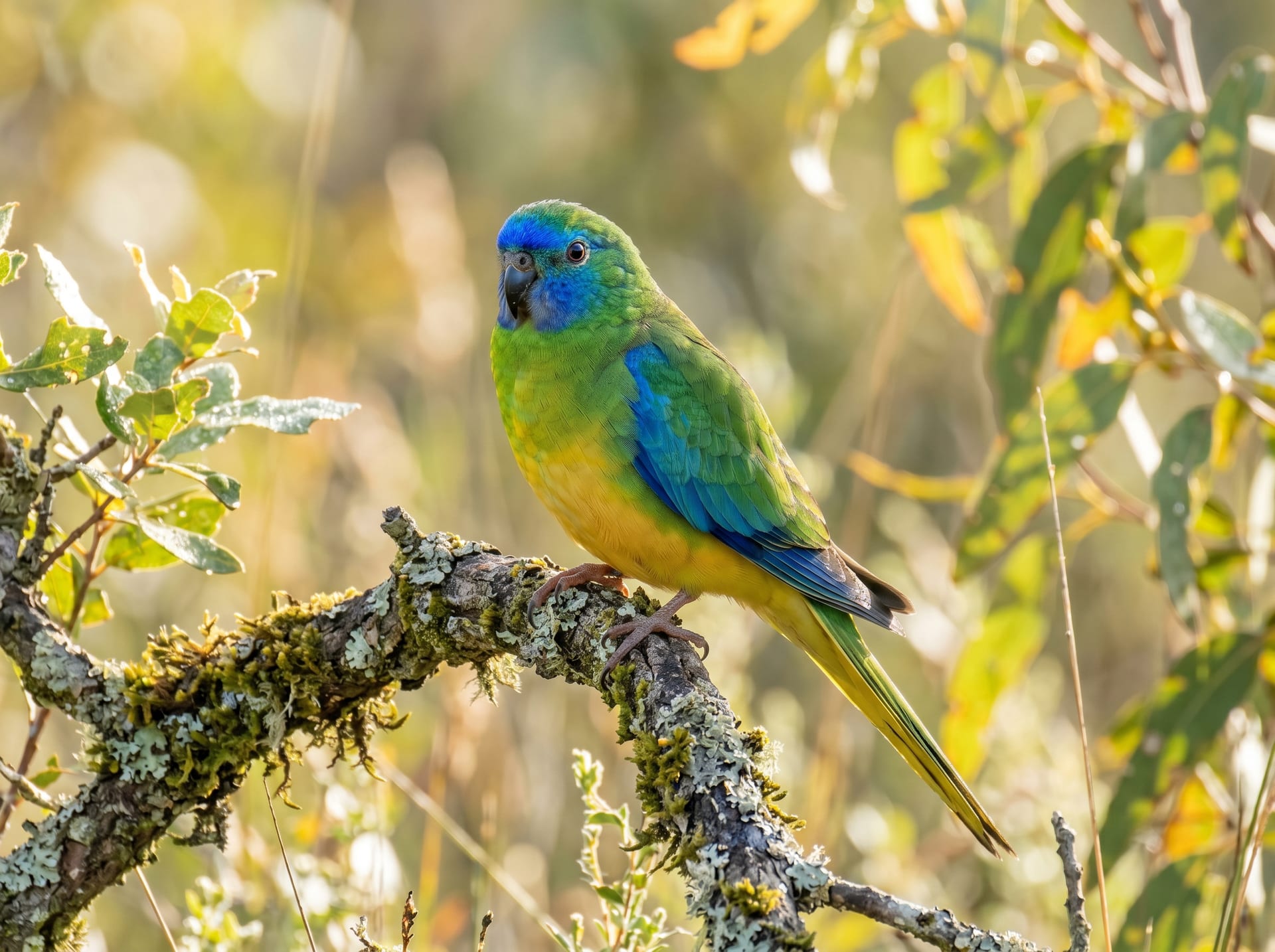
草原鹦鹉
澳洲小型鹦鹉(包括多种色彩变异)是原产于澳大利亚的小型鹦鹉,以温顺、亲人的性格而著称。色彩丰富多样,叫声较轻,体型小巧,适合公寓饲养。作为相对容易饲养的品种,在初学者中很受欢迎。
- 价格范围
- ¥210,000〜¥210,000
成交手续费0%!2026年9月30日前注册,前 2 笔成交免佣金!
繁殖者 招募中!
在BreederDirect发布商品,直接销售给全国客户!
BreederDirect承诺的6个透明度要点
繁殖者在鸟出品中明示以下信息。保证手乘、DNA性别鉴定、健康诊断的透明度。
- 手乘
- DNA性别鉴定
- 健康诊断
- 产地明示
- 颜色明示
- 月龄明示
查看全部35个品种
鸟分类正在招募认证繁殖者
繁殖者正在陆续注册,即将上架。设置上架通知,不错过新商品。
「接收上架通知」需免费注册会员即可设置。当有符合您保存条件的新商品上架时,我们会通过邮件和站内通知提醒您。
已注册的繁殖者(抢先看)
关于草原鹦鹉
澳洲小型鹦鹉是原产于澳大利亚内陆干旱灌木林地区的小型鹦鹉。自19世纪被引入欧洲以来,因其温和的气质和美丽的羽毛在世界各地备受喜爱。Rosy Bark是这种鹦鹉的代表色变,具有柔和的粉红至玫瑰系色彩。体长约19~23cm,娇小玲珑,圆润的身形和温和的眼神显得格外可爱。叫声较轻,音色悦耳如歌唱般。性格非常温顺,攻击性低,一旦获得信任就能享受把玩的乐趣。具有薄明薄暮性特征,日间活跃度低,白天多数时间安静休息,因此特别适合在职工作者或忙碌家庭饲养。虽然是初学者相对容易饲养的品种,但保温管理和营养均衡需要细心照料。
迎接草原鹦鹉前需要了解的7件事
1安静度和叫声特征
澳洲小型鹦鹉相比其他鹦鹉类叫声较小较柔和,因此在集合住宅中也相对容易饲养。不过它们会在清晨和傍晚鸣叫,所以仍需考虑对近邻的影响。
2薄明薄暮性的生活节律
赤尾鹦鹉具有薄明薄暮性(在黎明和黄昏时最为活跃)这一独特习性。与其他鹦鹉不同,它们在白天并非整日活跃,而是大部分时间相对安静。制定饲养计划时,请充分考虑这一习性。
3合适的笼舍尺寸
虽然是小型鹦鹉,但需要飞行空间,因此推荐使用宽度60cm以上的鸟笼。若饲养成对或多只鹦鹉,需要更宽敞的空间。同时要注意栖木的高度和位置。
4温度管理和寒冷天气的注意事项
赤尾鹦鹉原产于澳大利亚内陆,对寒冷环境有相对较好的耐受性,但需要注意急剧的温度变化和冬季的低温。室温应保持在20-25℃左右,避免将鸟笼放在直接受冷气吹拂的地方。
5食物与营养平衡
主食应为含有燕麦的小粒混合种子或颗粒饲料。定期喂食蔬菜(小松菜、小白菜等)以补充维生素不足。要注意不要过量喂食脂肪含量高的种子,以免导致肥胖。
6色彩变异的知识
美色鹦鹉通常指赤尾鹦鹉的玫瑰(粉色系)色变品种。还存在黄色、鲁比诺、乳白色等多种色变。由于不同色变个体的价格差异较大,购买前应向饲养者确认具体品种的详细信息。
7健康监测与兽医预约
伯克鹦鹉有隐藏身体不适的本能,因此每天仔细观察粪便状况、体重、羽毛光泽等是很重要的。最好提前找到能诊治鸟类的兽医(鸟类专科或小动物科),这样在紧急情况下才能放心。
草原鹦鹉的常见问题
- Q.独居时可以饲养伯克鹦鹉吗?
- A.可以。伯克鹦鹉叫声相对较轻,体型小巧,对生活空间的负担很小。不过,需要提前确认自己的生活环境是否能稳定地坚持每天放飞、喂食、换水等日常护理工作。
- Q.可以一起饲养多只吗?
- A.伯克鹦鹉性格温和,相对适合多只一起饲养。同种个体之间当然可以,与其他温顺的鹦鹉类混合饲养也有先例。不过需要仔细确认笼子大小和彼此的相容性,然后逐步让它们相互适应是很重要的。
- Q.它们有多容易变得亲人?
- A.从小养大的个体,或在饲养者处习惯了人类的个体,通常会相对容易地变得亲人。即使是成鸟,通过耐心的互动也有可能逐渐习惯。关键是不要急促,要按照鹦鹉的节奏慢慢建立信任关系,这就是诀窍。
- Q.寿命是多少?
- A.在适当的饲养环境下,通常可以活8~12年左右。均衡的营养饲食、适当的保温和定期的健康检查是延长寿命的主要因素。由于会是长期的陪伴,建议在开始饲养前,连同人生规划一起慎重考虑。
- Q.怎样才能找到会看鹦鹉的动物医院呢?
- A.寻找能够专门诊治鸟类的"鸟类专科医生"或"异宠动物应对"的动物医院很重要。可以通过互联网搜索"鸟类 动物医院 [你所在地区]",或者向饲养者和鸟类爱好者社群请求推荐,这也是一个有效的方法。最好在接宠前就确认附近有能看诊的医院,这样会更安心。