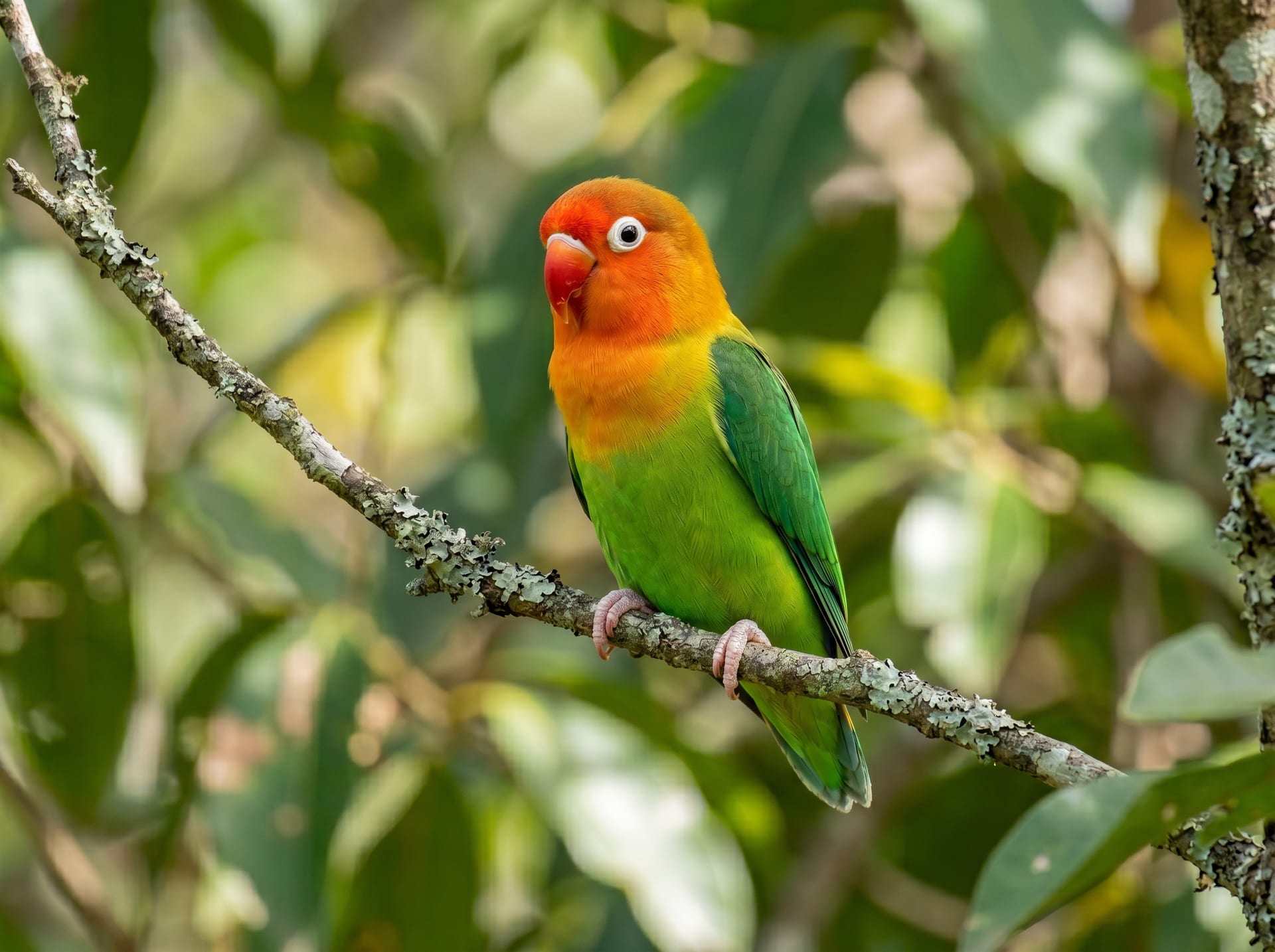
费舍氏鹦鹉
牡丹鹦鹉是原产于非洲的小型鹦鹉,以圆润可爱的脸型和鲜艳的羽色为特征。它们好奇心强、性格活泼,容易与主人亲近,但同时也具有较强的独立性,无论是配对饲养还是单独饲养都能带来乐趣。尽管体型小巧,但存在感很强,从初学者到资深爱好者都很喜爱。
View 费舍氏鹦鹉 encyclopedia →- 价格范围
- ¥210,000〜¥210,000
成交手续费0%!2026年9月30日前注册,前 2 笔成交免佣金!
繁殖者 招募中!
在BreederDirect发布商品,直接销售给全国客户!
BreederDirect承诺的6个透明度要点
繁殖者在鸟出品中明示以下信息。保证手乘、DNA性别鉴定、健康诊断的透明度。
- 手乘
- DNA性别鉴定
- 健康诊断
- 产地明示
- 颜色明示
- 月龄明示
查看全部35个品种
鸟分类正在招募认证繁殖者
繁殖者正在陆续注册,即将上架。设置上架通知,不错过新商品。
「接收上架通知」需免费注册会员即可设置。当有符合您保存条件的新商品上架时,我们会通过邮件和站内通知提醒您。
已注册的繁殖者(抢先看)
关于费舍氏鹦鹉
牡丹鹦鹉属于生活在非洲大陆的Agapornis属小型鹦鹉,共有9种。在日本,它们与桃面爱情鹦鹉并称"爱情鸟"而为人所知。名字的由来据说是因为其圆润、饱满的体形让人想起衣服上的纽扣。在野生环境中,它们群居生活,一旦成对就会形成强有力的纽带,这正是英文名"Lovebird(爱之鸟)"的由来。体长约13~17cm,虽然身材小巧,但拥有丰富的色彩变化——绿色、蓝色、黄化及紫罗兰色等,鲜艳的羽色能吸引人的目光。性格好奇心强、喜欢玩耍,只要进行适当的手驯就能与主人很亲近,但它们也具有较强的领地意识和强劲的咬合力。虽然性格坚强、相对容易饲养,但维持其社交性和适当的饮食管理是长寿的关键。平均寿命为10~15年,相比同类小型鹦鹉来说寿命较长,是能够长期作为家庭成员陪伴的鸟类。
迎接费舍氏鹦鹉前需要了解的7件事
1笼子要宽敞
牡丹鹦鹉性格活泼好动,因此需要一个足够宽敞的笼子供其飞行活动。建议笼子宽度至少45cm以上,并在内部设置多个栖木。狭小的笼子会导致鹦鹉因压力过大而出现拔毛的行为。
2单独饲养 vs 配对饲养
单独饲养时,与主人的感情容易加深,鹦鹉会很亲近。而配对饲养时,鹦鹉之间会相互亲近,对主人的关注可能会减少,因此应根据你的目标来选择。无论哪种饲养方式,都需要充分的互动和玩耍时间。
3对温度变化敏感
牡丹鹦鹉对急剧的温度变化很敏感,适温约为20~28℃。冬季应使用加热灯或面板加热器保温,夏季要避免直射日光和空调冷风直吹。羽毛蓬松且保持静止不动是身体不适的信号。
4喙和爪的护理
牡丹鹦鹉的喙通过啃咬硬物会自然磨损,但需要定期修剪爪子。爪子过长容易卡在栖木上导致受伤。如果不习惯自己修剪,建议交由动物医院或鸟类专卖店处理会更放心。
5领地意识强
牡丹鹦鹉种群中领地意识特别强,有时会激烈攻击其他鸟类或陌生的鸟。多只饲养时,提供充足的空间和循序渐进的适应期很重要。如果相性不合,应在单独的笼子里饲养。
6以颗粒饲料为主食
只吃种子的饲食脂肪含量高,长期营养平衡容易失衡。以颗粒饲料为主食,同时提供新鲜蔬菜(小松菜、小白菜等)作为副食是理想的做法。牛油果、巧克力和洋葱会引起中毒,绝对不要喂食。
7初期费用参考
牡丹鹦鹉的购买费用根据品种和颜色,通常在5,000〜30,000日元左右。笼子、食盆、栖木、保温器等初期用品另需约10,000〜20,000日元。定期健康检查(每年1〜2次)以及患病时的治疗费也应考虑在内。
费舍氏鹦鹉的常见问题
- Q.鹦哥可以单只饲养吗?
- A.单只饲养是可行的,能够加深与饲主的感情纽带。不过,由于它们有孤独的一面,每天需要确保充足的互动和玩耍时间。
- Q.鹦哥的叫声很大吗?
- A.鹦哥的叫声属于中等程度,虽然不如大型鹦哥那么响亮,但有时会活跃鸣叫。特别是在早晚时段叫声会增加,如果住在公寓需要考虑隔音措施。
- Q.鹦哥的寿命有多长?
- A.在适当的饲养环境和食物管理下,鹦哥通常能活10~15年。定期进行健康检查、提供营养均衡的食物,这些都有助于延长寿命。
- Q.牡丹鹦鹉会说话吗?
- A.牡丹鹦鹉几乎不会说话,与大型鹦鹉和虎皮鹦鹉相比,它们的语言学习能力倾向较低。相反,它们通过独特的叫声进行交流,有时能学会口哨般的声音。
- Q.牡丹鹦鹉能与其他鹦鹉一起饲养吗?
- A.牡丹鹦鹉有强烈的领地意识,如果与其他种类的鹦鹉在同一笼中饲养,可能会发生攻击行为。因此,基本上建议将其饲养在单独的笼子中。可以通过笼子隔离逐步适应,但直接接触时需要谨慎。
适合饲养费舍氏鹦鹉的实用工具
Learn more about 费舍氏鹦鹉 in the encyclopedia
查看费舍氏鹦鹉的图鉴条目 →
收录饲养难度、寿命、体长、食性等基础数据。