成交手续费0%!2026年9月30日前注册,前 2 笔成交免佣金!
繁殖者 招募中!
在BreederDirect发布商品,直接销售给全国客户!
BreederDirect承诺的6个透明度要点
繁殖者在鸟出品中明示以下信息。保证手乘、DNA性别鉴定、健康诊断的透明度。
- 手乘
- DNA性别鉴定
- 健康诊断
- 产地明示
- 颜色明示
- 月龄明示
查看全部35个品种
鸟分类正在招募认证繁殖者
繁殖者正在陆续注册,即将上架。设置上架通知,不错过新商品。
「接收上架通知」需免费注册会员即可设置。当有符合您保存条件的新商品上架时,我们会通过邮件和站内通知提醒您。
已注册的繁殖者(抢先看)
虎皮鹦鹉的基本数据
- 饲养难度
- 适合新手
- 寿命
- 7~15年
- 体型
- 18~20厘米
- 适宜温度
- 20~30℃(适温25℃左右)
- 饮食
- 谷物+颗粒饲料+蔬菜和水果
- 笼舍
- 宽度35厘米以上。需安装栖木和水浴盆
- 饮食
- 种子混合+颗粒饲料。也可喂小松菜和豆苗
- 驯养
- 从幼鸟开始饲养会变得驯养。每天放飞很重要
- 注意事项
- 特氟龙涂层厨具的烟雾致命。必须通风
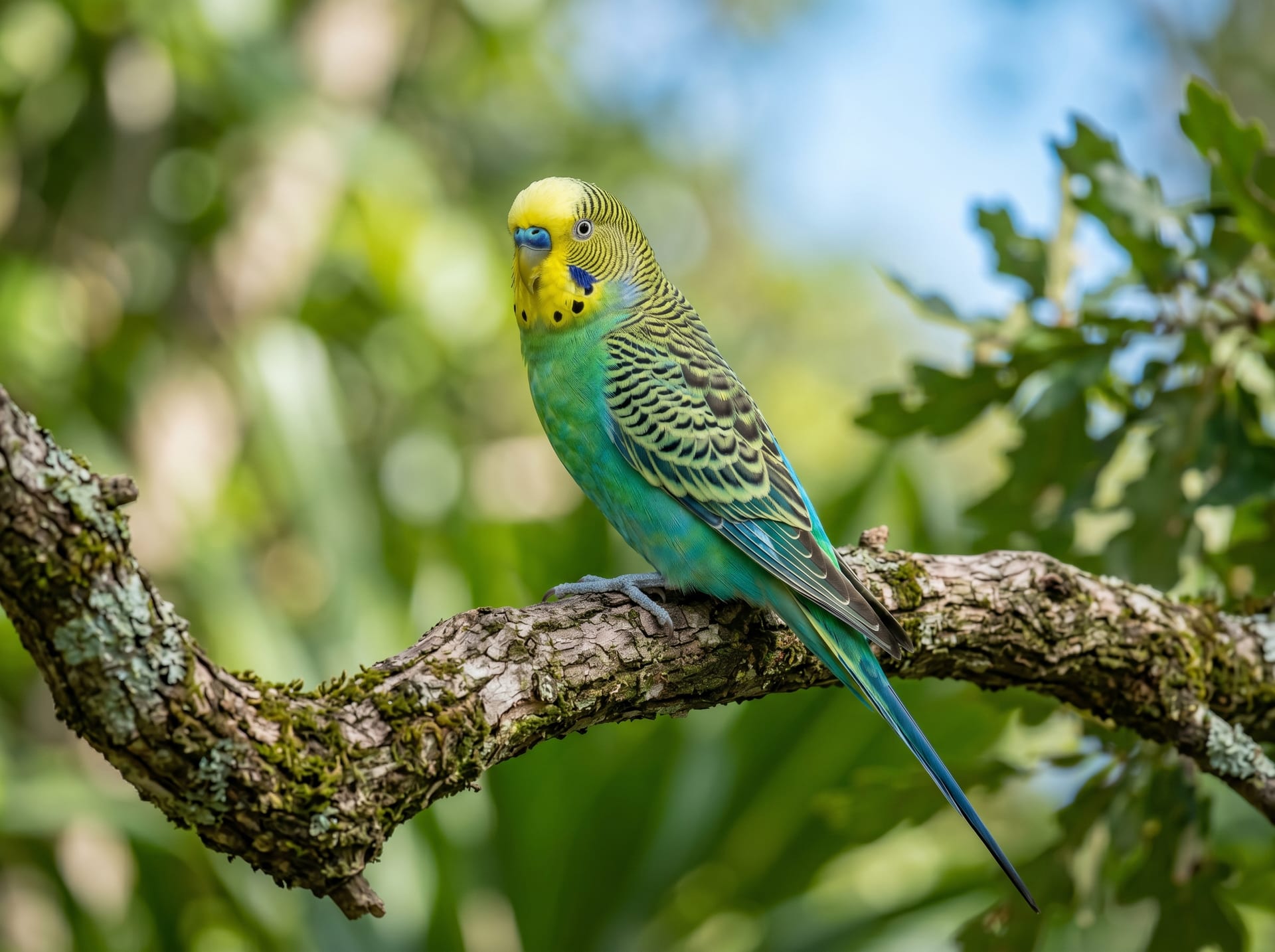
关于虎皮鹦鹉
虎皮鹦鹉是原产于澳大利亚内陆的鹦鹉,自19世纪传入欧洲后,已成为世界各地广受欢迎的宠物。野生种体色为黄绿色,但经过长期人工选择繁殖,已产生了蓝色、白色、粉彩等数百种色彩变异。体长约18〜20cm,身材小巧,可通过嘴周围蜡膜的颜色区分性别。性格好奇、爱社交,易与人亲近,容易驯成手乖鸟,许多公鸟还能学会说话。饲养空间需求小,月度饲料费用低廉,初次养宠物者或独居者都能轻松饲养。通过日常互动培养,感情纽带会逐渐加深,有时可成为10年以上的长期伴侣。
迎接虎皮鹦鹉前需要了解的7件事
1鸟笼宽度需60厘米以上
虎皮鹦鹉活跃好动,建议选择宽度60厘米以上、高度50厘米以上的鸟笼。需在笼内安装多根栖木,为鸟儿提供充足的活动空间以便上下左右自由活动。过小的笼子容易导致压力和运动不足。
2温度20〜25℃最为舒适
虎皮鹦鹉对温度变化较敏感,理想的室温为20〜25℃。冬季空调和夏季直射日光需特别注意,避免将鸟笼放在窗边或冷暖风直吹的地方。
3社交性强,易感到孤独
虎皮鹦鹉是群居鸟类,单独饲养时需要与主人进行充分的互动。长期缺乏陪伴会导致鸟儿叫声不止或拔毛。若单只饲养有困难,也可考虑配对饲养。
4学说话有个体差异
虎皮鹦鹉在鹦鹉中相对容易学会说话,但具体能力因个体而异。一般而言,公鸟比母鸟更容易学会语言,每天重复同样的词语是提高学习效率的关键。需要理解的是,并非所有个体都能学会说话,请在购买前充分了解这一点。
5主食是颗粒饲料或混合种子
主食使用虎皮鹦鹉专用颗粒饲料或混合种子。仅用种子容易导致脂肪摄入失衡,建议每周数次添加蔬菜(小松菜、小白菜等)来平衡营养。鳄梨、葱类和巧克力会引起中毒,不能饲喂。
6定期进行爪和喙的护理
爪过长容易挂在栖木上造成受伤的风险,因此需要定期修剪。使用较硬的天然木栖木可以放缓爪的生长速度。如果发现喙过度生长或变形,请不要自行处理,应咨询禽类专科兽医。
7月度费用预算约为3,000~6,000日元
包括饲料费和易耗品(垫材、笼罩等)的月间维护费约为3,000~6,000日元。初期设备费用(笼子、给水器等)约需15,000~30,000日元。将年度健康检查费用(1~2次,约3,000~5,000日元)纳入预算中会更加放心。
虎皮鹦鹉的常见问题
- Q.虎皮鹦鹉是单只饲养还是多只饲养更合适?
- A.如果想让鹦鹉亲人或教它学说话,单只饲养会使鹦鹉对人的依赖度更高,更容易进行互动交流。多只饲养时,鹦鹉之间可以互相陪伴玩耍,压力较少,但对人的关注度会降低。根据你的饲养目标和生活方式选择比较好。
- Q.鸣声很大吗?公寓里也能饲养吗?
- A.虎皮鹦鹉的鸣声相对较小,与大型鹦鹉相比不易引起噪音困扰。但在早晨或放飞时,它可能会活泼地叫喊,因此通过薄墙也能听到。公寓中的饲养在大多数情况下是可能的,但建议事先确认管理规约。
- Q.寿命有多长?需要做好长期照顾的准备吗?
- A.在适当的饲育环境下,通常能活7〜10年左右,有些个体甚至能活15年以上。由于需要长期照顾承诺,建议在迎接前考虑旅行、搬家、生活方式变化等因素。请在确认能够负责到底后再迎接它回家。
- Q.每天需要花多少时间照顾?
- A.每日基本护理包括更换食物和水、笼内简单清洁,大约需要15〜20分钟。如果能额外安排1〜2小时的放飞和互动时间会更理想。即使在忙碌的日子,隔着笼子和它说话也能维持关系。
- Q.从雏鸟饲养和迎接成鸟有什么区别?
- A.从雏鸟开始饲养更容易使其驯化并建立深厚的信任关系,但需要专业的温度管理和人工饲喂等专业护理。成鸟饲养相对稳定,但适应新环境需要时间。对于初学者,刚断奶的幼鸟(生后2〜3个月左右)最容易处理,也是推荐选择。
适合饲养虎皮鹦鹉的实用工具
Learn more about 虎皮鹦鹉 in the encyclopedia
查看虎皮鹦鹉的图鉴条目 →
收录饲养难度、寿命、体长、食性等基础数据。