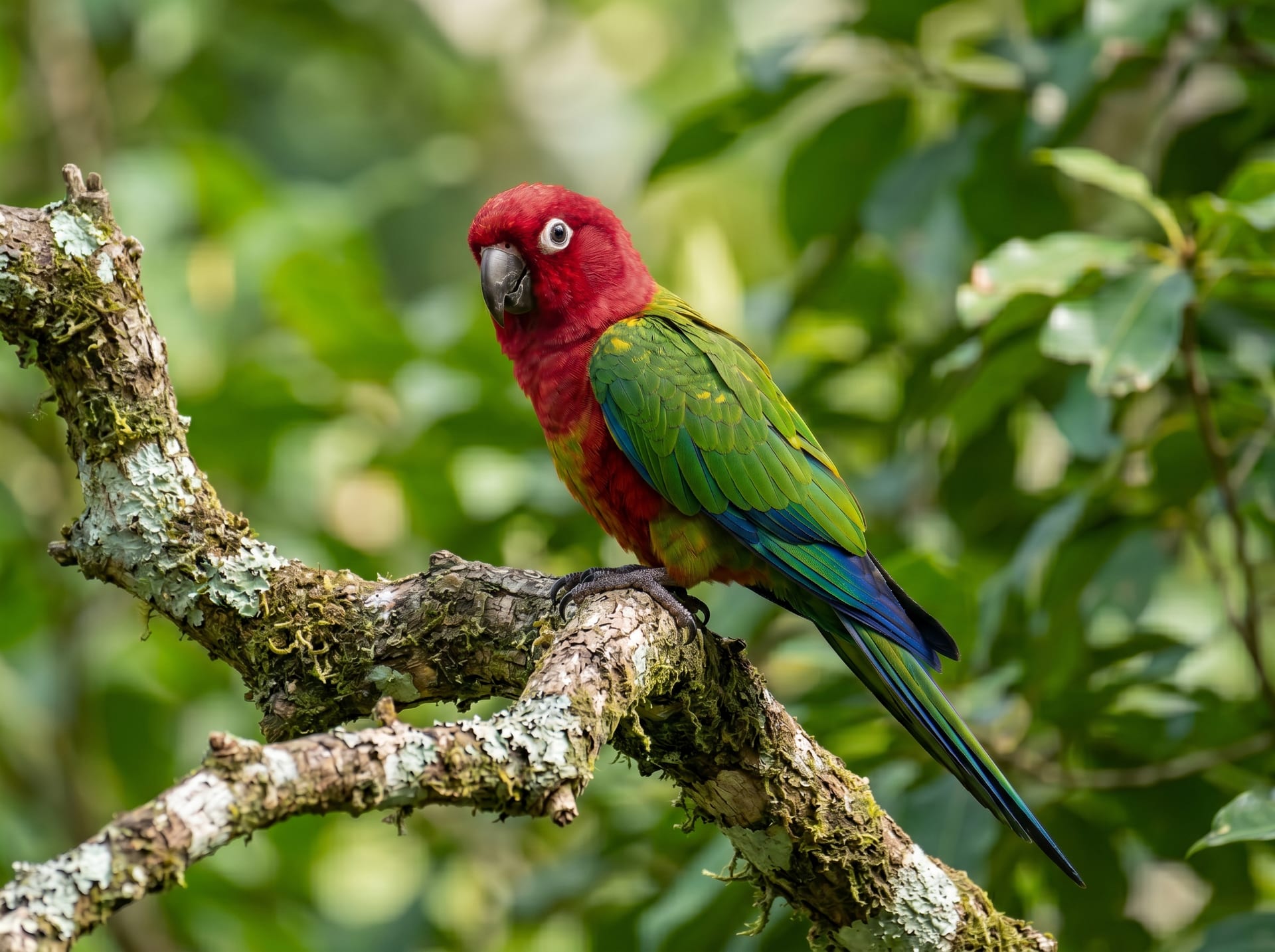
锥尾鹦鹉
中型鹦鹉总称。绿颊锥尾鹦鹉、绿脸鹦鹉等受欢迎。活泼好玩,感情表达丰富。寿命15-30年。成体大小25-35厘米。饲食为颗粒饲料、种子、蔬菜和水果。
View 锥尾鹦鹉 encyclopedia →- 价格范围
- ¥210,000〜¥210,000
成交手续费0%!2026年9月30日前注册,前 2 笔成交免佣金!
繁殖者 招募中!
在BreederDirect发布商品,直接销售给全国客户!
BreederDirect承诺的6个透明度要点
繁殖者在鸟出品中明示以下信息。保证手乘、DNA性别鉴定、健康诊断的透明度。
- 手乘
- DNA性别鉴定
- 健康诊断
- 产地明示
- 颜色明示
- 月龄明示
查看全部35个品种
鸟分类正在招募认证繁殖者
繁殖者正在陆续注册,即将上架。设置上架通知,不错过新商品。
「接收上架通知」需免费注册会员即可设置。当有符合您保存条件的新商品上架时,我们会通过邮件和站内通知提醒您。
已注册的繁殖者(抢先看)
锥尾鹦鹉的基本数据
- 饲养难度
- 适合中级者
- 寿命
- 15~30年
- 体型
- 25~35cm
- 饮食
- 颗粒饲料、种子、蔬菜、水果
- 笼舍
- 45cm以上的宽敞笼舍
- 放飞
- 需要每天放飞
- 玩具
- 常备益智玩具和啃木棍
- 鸣叫
- 根据品种,鸣叫声较大。集合住宅需要考虑
- 注意事项
- 咬合力强。从幼鸟开始建立信任关系很重要
关于锥尾鹦鹉
锥尾鹦鹉是原产于中南美洲热带和亚热带地区的中型鹦鹉总称,包括Aratinga属和Pyrrhura属等多个属的多样化物种。野生环境中,它们在森林和草原中小群居住,高度的社群性为其亲人的性格奠定了基础。体长约25-35厘米,从绿颊锥尾鹦鹉这样沉静色彩的品种到太阳锥尾鹦鹉鲜艳的橙黄色,外观变化丰富。它们性格好奇、好玩,情感表达率直,容易与饲养者建立羁绊,一些个体还能学会主人的名字和简单的词语。在适当的饲养条件下,寿命可达15-30年,长期深层关系的魅力令人向往。虽然相对容易被初学者饲养,但每天的互动和刺激的环境是必不可少的。
迎接锥尾鹦鹉前需要了解的7件事
1注意叫声音量
锥尾鹦鹉表情丰富,兴奋时会发出很大的叫声。在集合住宅中需要考虑对邻居的影响,建议考虑隔音措施。不同品种的音量有差异,建议提前确认。
2需要宽敞的笼舍
成体25~35cm,需要足够宽敞的笼舍让其活动。建议笼舍尺寸为宽60cm×深45cm以上,并配置多个栖木和玩具。每天需要有笼外活动时间。
3喜欢群居的社交性
锥尾鹦鹉是群居鸟类,长时间独处会感到压力。每天需要充分的互动和游戏时间。经常外出的人可以考虑多羽饲养。
4啃咬习性的训练
锥尾鹦鹉有用嘴喙探索环境的习性,幼鸟时期可能会出现啃咬现象。用平静的声音说"不",并引导它们去啃咬合适的玩具,采用正面的训练方法是有效的。避免体罚,因为这会导致压力和恐惧。
5饮食平衡是关键
以颗粒饲料为主食,结合种子、蔬菜和水果来保持营养均衡。鳄梨、巧克力和洋葱类因有毒性,绝对不要喂食。每天更换新鲜水是基本护理。
6定期健康检查
锥尾鹦鹉有隐藏疾病的习性,需要日常观察粪便状况、食欲和羽毛情况。建议每年进行1~2次由鸟类专科兽医进行的健康检查。提前寻找能诊治鸟类的动物医院会更加安心。
7长期饲养的成本
由于寿命长达15~30年,食费、医疗费和消耗品的累计成本会相应增加。除了笼子和玩具的初期投资外,建议提前估算年度维持费会更加安心。可以把这看作是为让它长期健康生活的环境投资。
锥尾鹦鹉的常见问题
- Q.初心者也可以饲养锥尾鹦鹉吗?
- A.绿颊锥尾鹦鹉等性格相对温和的种类适合初心者。但需要每天的互动和适当的饮食与环境。建议提前通过饲养书籍和专业店铺充分收集信息。
- Q.只饲养一只会不会感到孤独?
- A.如果主人每天花充足的时间与鸟互动,即使只养1只鸟也能过上精神稳定的生活。对于经常长时间外出的家庭,养2只鸟也是有效的,但由于相性问题,应该谨慎考虑。
- Q.在公寓里也能饲养吗?
- A.鸣叫声的大小因种类而异。像绿颊鹦鹉和白腹凯克鹦鹉这样相对安静的种类,在公寓中饲养是可能的。但入住前必须检查租赁合同的规定。
- Q.小鹦鹉能学会多少词汇?
- A.小鹦鹉的会话能力个体差异很大,有的能学会数个~十多个词,有的几乎不会说话。与鹦哥等大型鹦鹉相比,词汇量较少,但它们用独特的嗓音丰富地表达情感。
- Q.寿命很长,但进入老年期会有什么变化?
- A.随着年龄增长,活动量会减少,羽毛质地和食欲可能会发生变化。定期进行健康检查以便早期发现问题很重要。老鸟对温度变化变得敏感,因此应维持稳定的温度环境。
适合饲养锥尾鹦鹉的实用工具
Learn more about 锥尾鹦鹉 in the encyclopedia
查看锥尾鹦鹉的图鉴条目 →
收录饲养难度、寿命、体长、食性等基础数据。