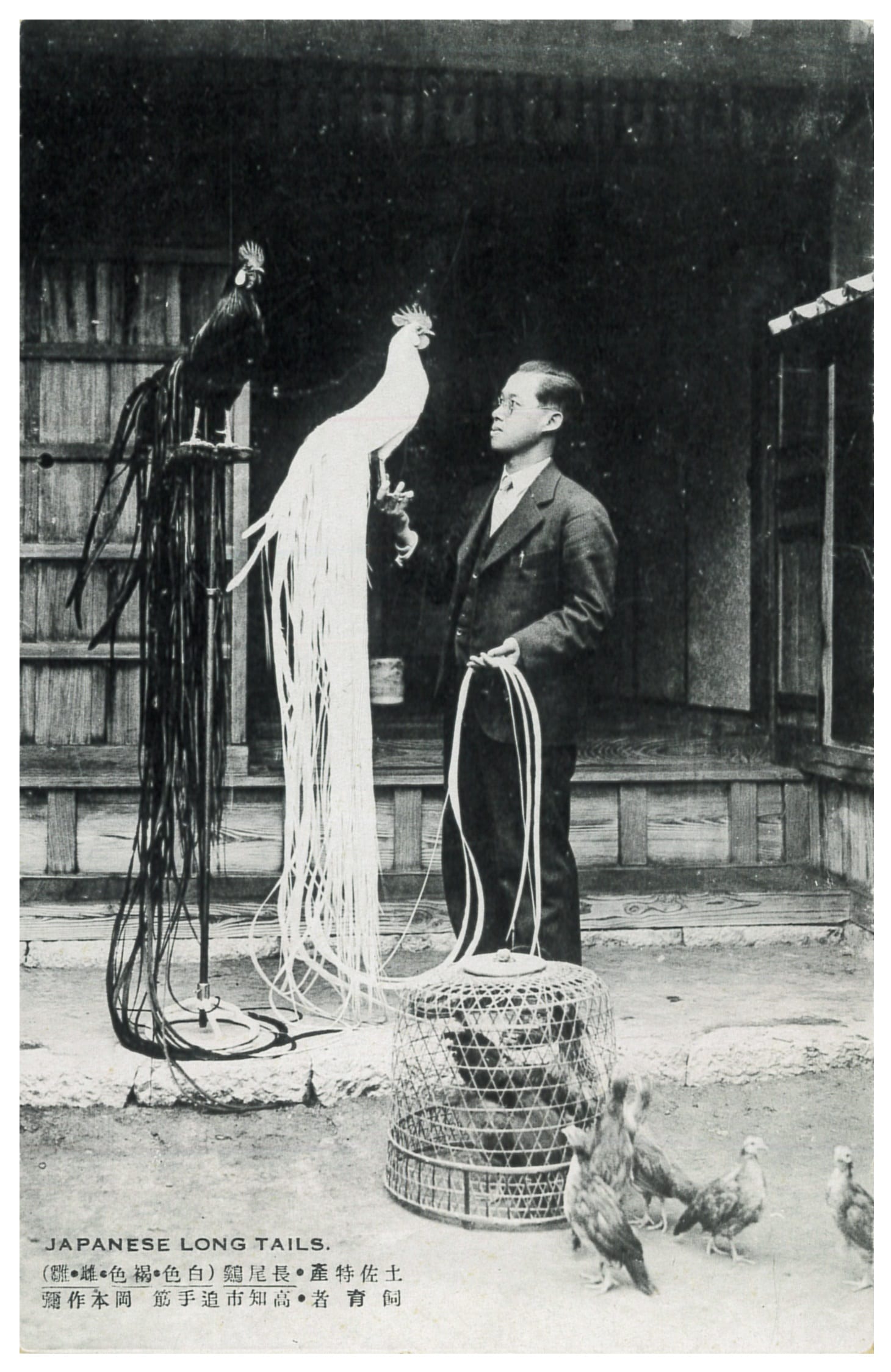
 © 岡本作彌 Sakuya Okamoto / Public domain
尾长鸡
The Onagadori is a rare chicken breed native to Kochi Prefecture, Japan, prized for the rooster's tail feathers, which never molt and can grow to several meters in length. Cherished by local breeders since the Edo period, it is the only chicken breed designated a Special Natural Monument of Japan, officially known as the "Tosa no Onagadori." Its flowing, dramatic tail sets it apart from any other breed and has long made it a favorite ornamental fowl. Because the tail feathers must be protected from damage, keepers need specialized perches and housing, making this a breed best suited to experienced keepers.
View 尾长鸡 encyclopedia →成交手续费0%!2026年9月30日前注册,前 2 笔成交免佣金!
繁殖者 招募中!
在BreederDirect发布商品,直接销售给全国客户!
BreederDirect承诺的6个透明度要点
繁殖者在鸟出品中明示以下信息。保证手乘、DNA性别鉴定、健康诊断的透明度。
- 手乘
- DNA性别鉴定
- 健康诊断
- 产地明示
- 颜色明示
- 月龄明示
查看全部286个品种
鸟分类正在招募认证繁殖者
繁殖者正在陆续注册,即将上架。设置上架通知,不错过新商品。
「接收上架通知」需免费注册会员即可设置。当有符合您保存条件的新商品上架时,我们会通过邮件和站内通知提醒您。
已注册的繁殖者(抢先看)
尾长鸡的基本数据
- 饲养难度
- 适合高级者
- 寿命
- 资料稀少
- 体型
- 资料稀少
- 饮食
- 饲鸡配合饲料和青菜。传统上为了促进尾羽生长,也会饲喂泥鳅等动物性蛋白质
- 饲养环境
- 为了不伤害公鸡的尾羽,采用传统方法用称为"止箱"的竖长饲养箱或高的栖木饲养。保持清洁以防止尾羽污染是必不可少的。
- 性格
- 作为观赏专用的鸡,为了保护尾羽而采用抑制活动的饲养方式。不像一般鸡种那样通过放牧饲养来享受。
- 饵料·饲喂
- 以配合饲料和青菜为基础,注意提供支持尾羽生长的营养。传统上也饲喂泥鳅等动物性蛋白质。
- 繁殖
- 据指出由于近亲交配导致尾羽难以生长,因此系统管理很重要。交配计划应咨询保存会等专业机构。
- 注意事项
- 作为国家特别天然纪念物品种。转让、出口或交配事项应事先向所管教育委员会确认。根据家畜传染病防止法,鸡是受饲养卫生管理标准约束的家畜,即使只饲养1只,饲养者也有义务在每年6月15日前向都道府县(家畜保健卫生所)提交包括饲养羽数等内容的定期报告。饲养不足100只时,报告事项会简化,如不出荷鸡蛋或鸡,也无需附加文件。
关于尾长鸡
Learn about the Onagadori, a rare Kochi-native chicken whose tail feathers never molt. Japan's only Special Natural Monument chicken breed requires specialized housing and experienced keepers.
迎接尾长鸡前需要了解的7件事
1Ever-Growing Tail Feathers
The rooster's tail feathers stop molting after the initial growth phase and keep lengthening year after year, sometimes reaching several meters. Because of this, protecting the tail becomes a central part of everyday care.
2Tall Perches Are Essential
To keep the long tail feathers from dragging on the ground and getting damaged, an elevated, purpose-built perch or coop is necessary. Enclosure design needs to account for the tail from the very start.
3An Advanced-Level Breed
Managing the tail feathers and maintaining suitable housing calls for specialized knowledge and experience, which is why this breed is considered suitable for advanced keepers. First-time chicken owners may find it challenging.
4A Special Natural Monument — and Required Reporting
The Onagadori is designated a Special Natural Monument of Japan as the "Tosa no Onagadori." Because of this status, check with the relevant board of education before selling, exporting or cross-breeding birds. Also note that under Japan's Act on Domestic Animal Infectious Diseases Control, chickens are livestock covered by the hygiene management standards, and anyone keeping even a single bird must file an annual report of the number of birds kept with their prefecture (via the local Livestock Hygiene Service Center) by June 15 each year. With fewer than 100 birds the report is simplified, and no supporting documents are needed if you don't ship eggs or birds.
5Limited Data on Lifespan
Because the Onagadori is kept in relatively small numbers, detailed records on lifespan and adult body size are limited. When bringing one home, it helps to draw on general chicken-keeping knowledge while observing each bird's individual condition closely.
6Temperament and Handling
The Onagadori is generally considered a calm bird, but its long tail feathers mean handling requires extra care. Startling the bird or handling it roughly can easily damage the delicate tail.
7Preparing Before You Bring One Home
Before bringing an Onagadori home, it's important to prepare a spacious, tall enclosure that protects the tail feathers. Speaking directly with a trusted breeder about housing needs and the bird's condition beforehand can offer peace of mind.
尾长鸡的常见问题
- Q.How long do the Onagadori's tail feathers grow?
- A.The tail feathers never molt and keep growing for the bird's entire life, sometimes reaching several meters. The exact length varies from bird to bird and depends on its care environment.
- Q.Is the Onagadori suitable for first-time keepers?
- A.The Onagadori is considered a breed for advanced keepers, since protecting the tail and setting up specialized housing requires specific knowledge. First-time keepers are encouraged to consult experienced breeders while preparing.
- Q.What should I watch out for when caring for the tail feathers?
- A.It's important to provide a tall, purpose-built perch and plenty of space so the tail doesn't rub against the floor or walls and get damaged. Handling the bird roughly or startling it suddenly can also harm the tail, so extra care is needed.
- Q.Why is the Onagadori designated a Special Natural Monument?
- A.It's recognized as the only chicken breed with a Special Natural Monument designation, as the "Tosa no Onagadori," thanks to the rooster's uniquely lifelong-growing tail and a preservation history in Kochi Prefecture dating back to the Edo period. Local enthusiasts continue conservation efforts to this day.
- Q.How long does an Onagadori live?
- A.Because the Onagadori is a rare breed kept in limited numbers, detailed lifespan data is unfortunately scarce. Anyone considering bringing one home is encouraged to ask breeders directly about their experience and the condition of individual birds.
适合饲养尾长鸡的实用工具
在图鉴中详细了解尾长鸡
查看尾长鸡的图鉴条目 →
收录饲养难度、寿命、体长、食性等基础数据。