Reptile & Amphibian Encyclopedia — 80 Species Directory
Encyclopedia of popular reptile and amphibian species with care guides, traits, and pricing.
Featured Reptile & Amphibian
Showing 4 of 80 species
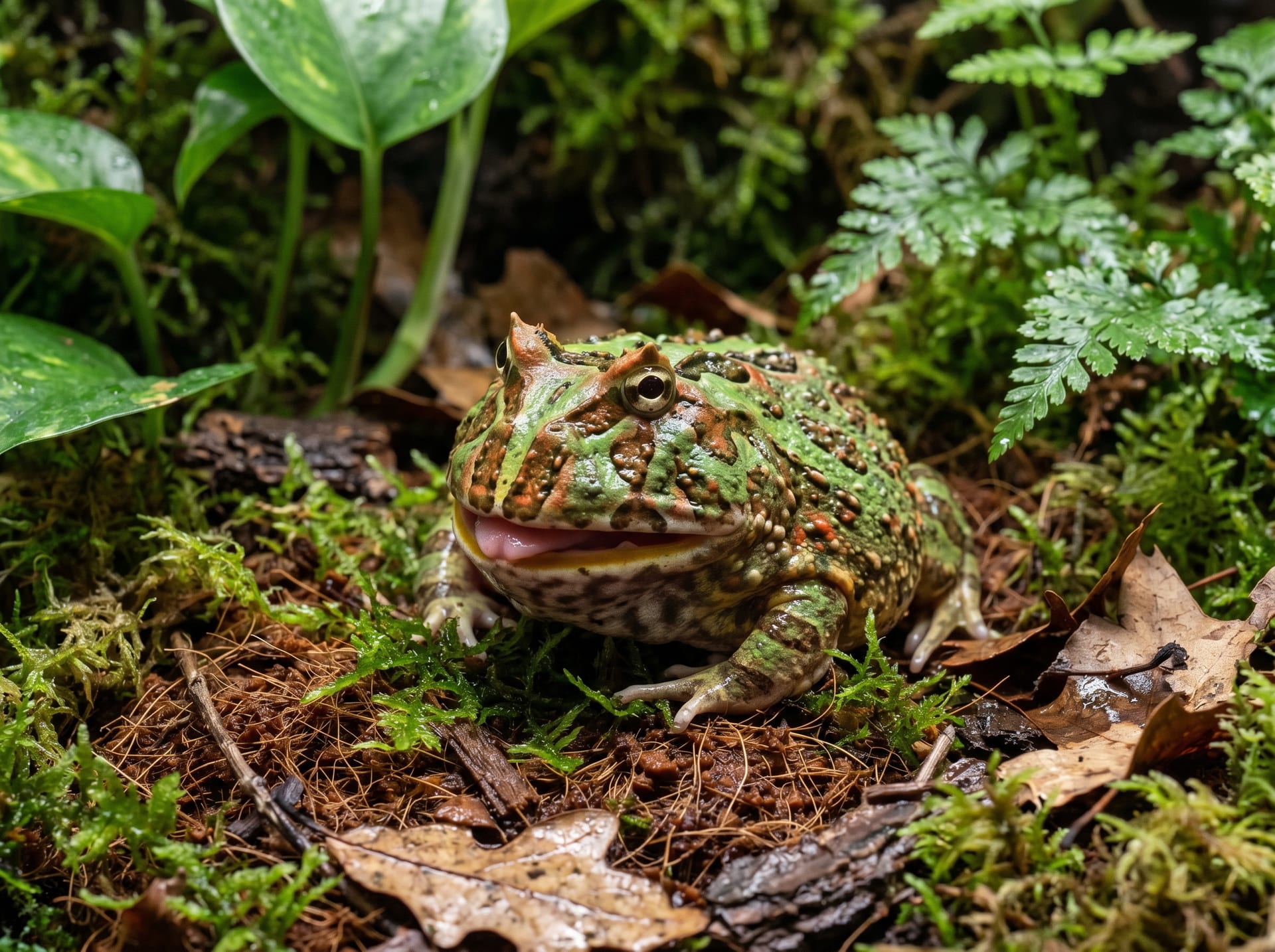
Horned Frog (Pacman Frog)
Round body and huge mouth like Pac-Man. Ambush predator that lunges at food. Can be kept in small space.
FrogSmall spaceBeginner-friendly
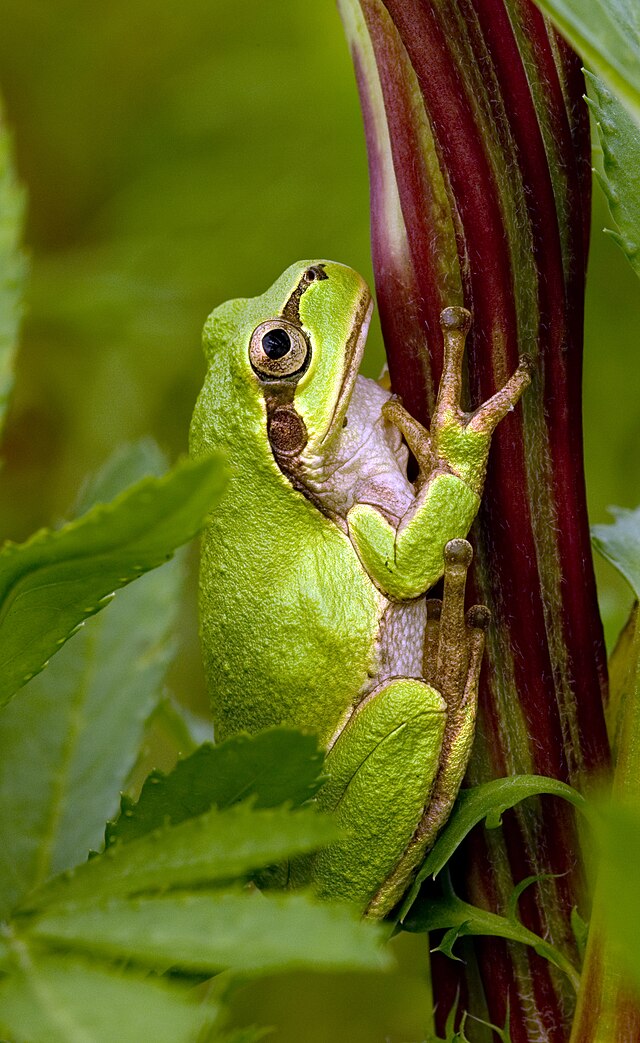 © Piranhapirate / CC BY-SA 3.0
Japanese Tree Frog
Dryophytes japonicus
Japans most common frog. Vivid green body and charming face. Calling on rainy days is a Japanese tradition. Familiar amphibian.
Japanese nativeFrogFamiliar
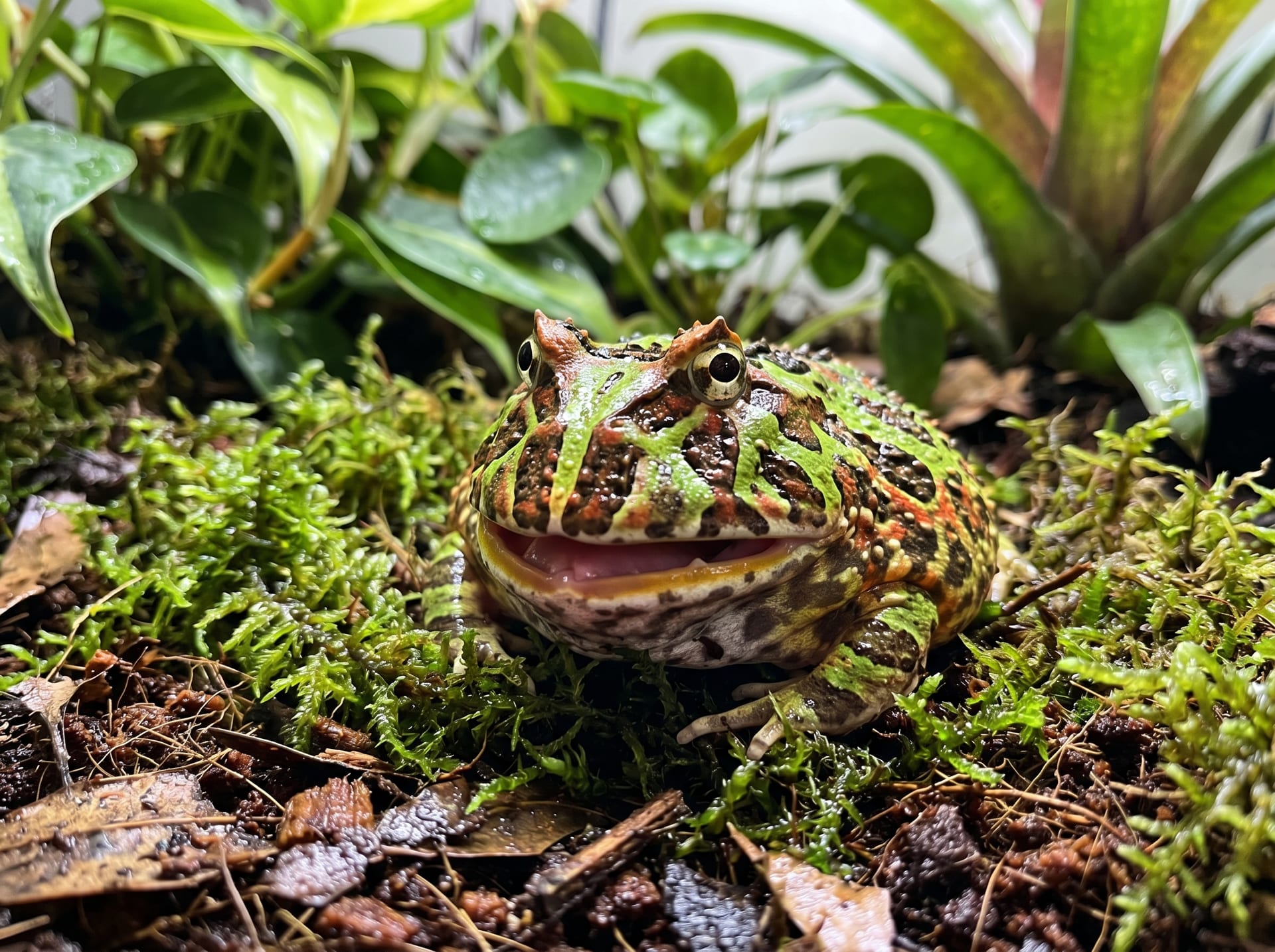
Pacman Frog
Ceratophrys ornata
Popular frog with round body and large mouth resembling Pac-Man. Ambush predator that burrows and waits. Colorful with many morphs. Barely moves — very space-efficient.
Beginner-friendlyFrogSpace-efficient
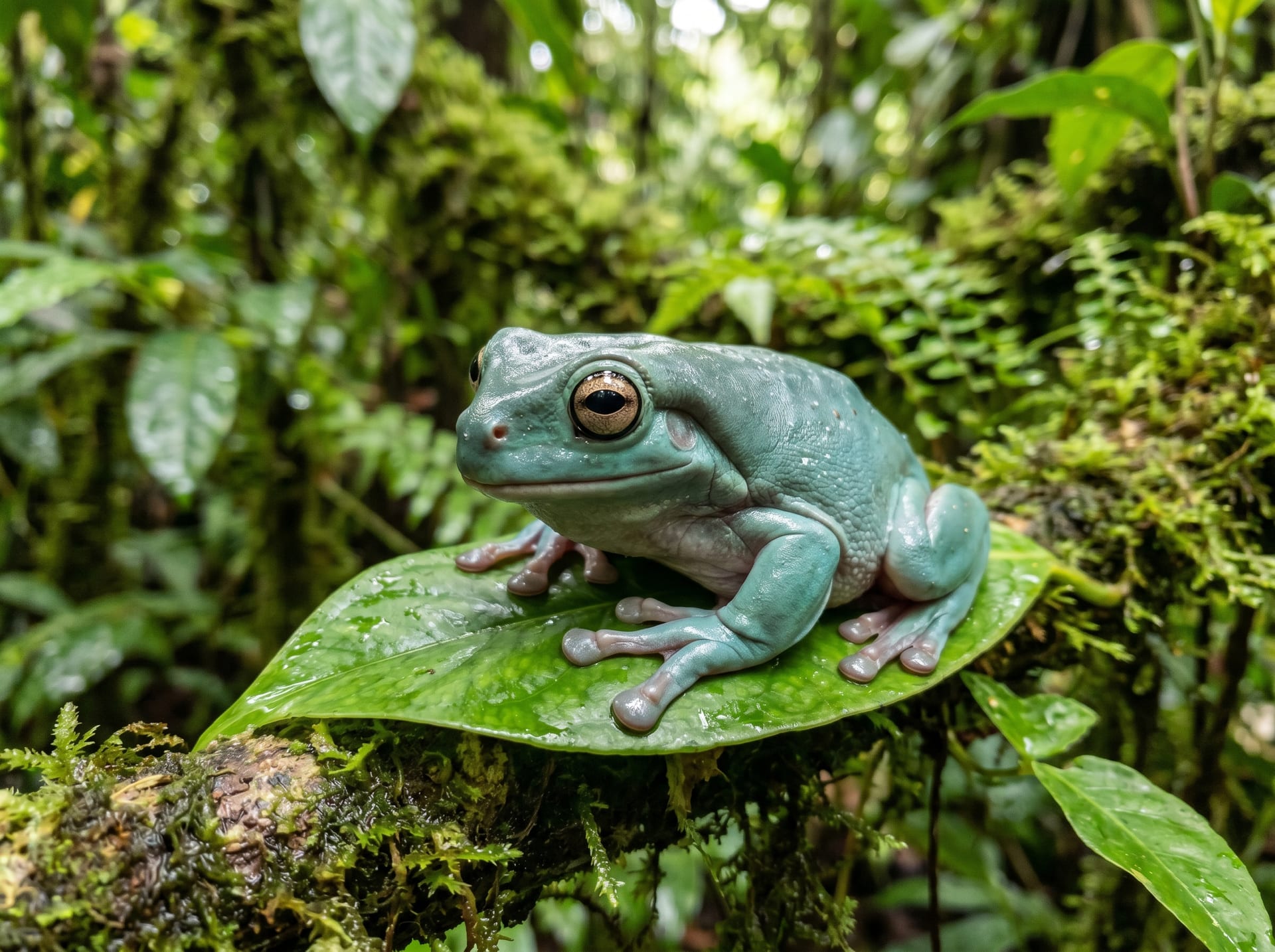
White's Tree Frog
Litoria caerulea
Chubby body and smile-like expression make this tree frog popular worldwide. Very hardy and easy to keep, tolerates handling. Beautiful vivid green coloration.
Beginner-friendlyFrogHardy
Related Content
Reptile & Amphibian FAQ
- Can beginners keep reptiles?
- Leopard geckos, corn snakes, and bearded dragons are hardy and easy to care for, making them popular beginner reptiles. Once you learn temperature and humidity management, long-term care is achievable.
- How much do reptiles cost?
- Leopard geckos cost 5,000-30,000 yen, ball pythons 10,000-100,000+ yen, and bearded dragons 10,000-40,000 yen, varying greatly by morph (variety).
- How long do reptiles live?
- Leopard geckos live 15-20 years, ball pythons 20-30 years, bearded dragons 8-12 years, and some tortoises 50+ years. Be prepared for long-term commitment.
- What equipment is needed for reptiles?
- Basic equipment includes an enclosure, heat sources (heat mat/heat lamp), thermometer-hygrometer, UVB light (species-dependent), water dish, and substrate. Proper temperature gradient is most important.
- What should I check when buying reptiles?
- Check that the animal is active, has clear eyes, no stuck shed, and is eating well. Captive-bred (CB) specimens adapt better to captive environments.