Dog Encyclopedia — 223 Species Directory
Encyclopedia of popular dog breeds with traits, temperament, and care guides.
Browse by size
Showing 113 of 223 species(1–24)
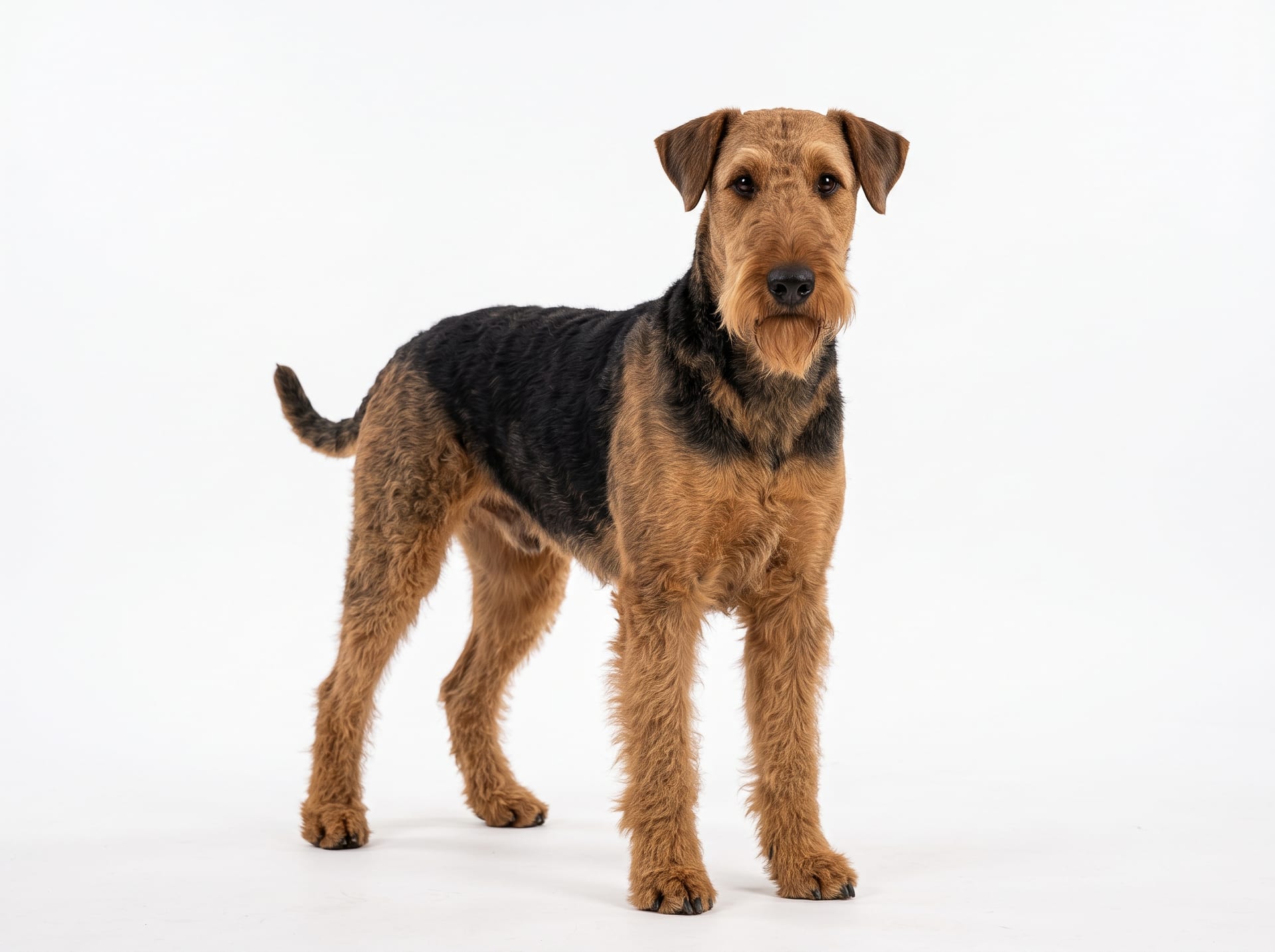
Airedale Terrier
The King of Terriers, largest of all terriers. Outgoing, confident and fearless.
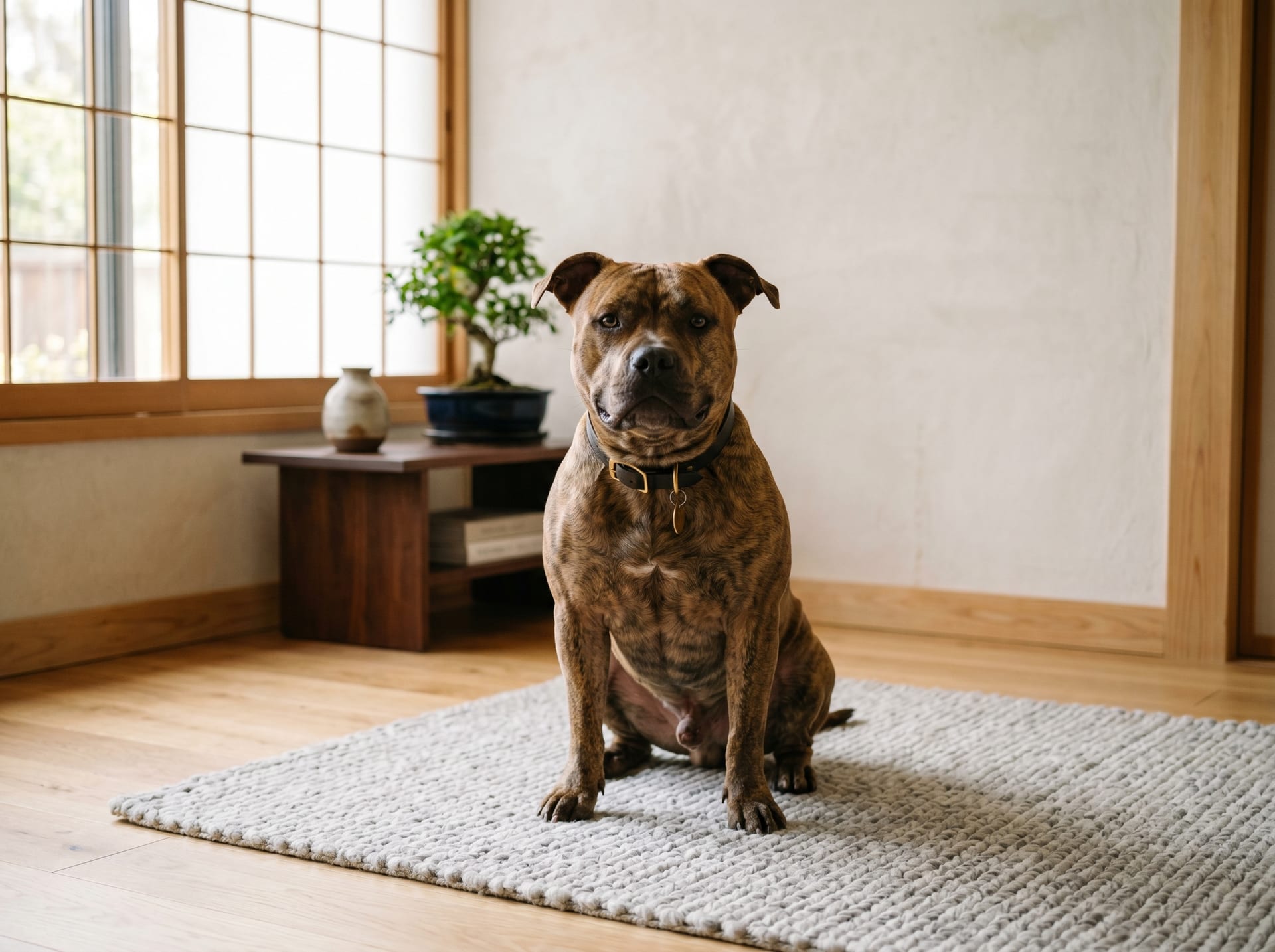
American Bully
A muscular, stocky breed. Despite their tough appearance, they are gentle, loving with family, and good with children.
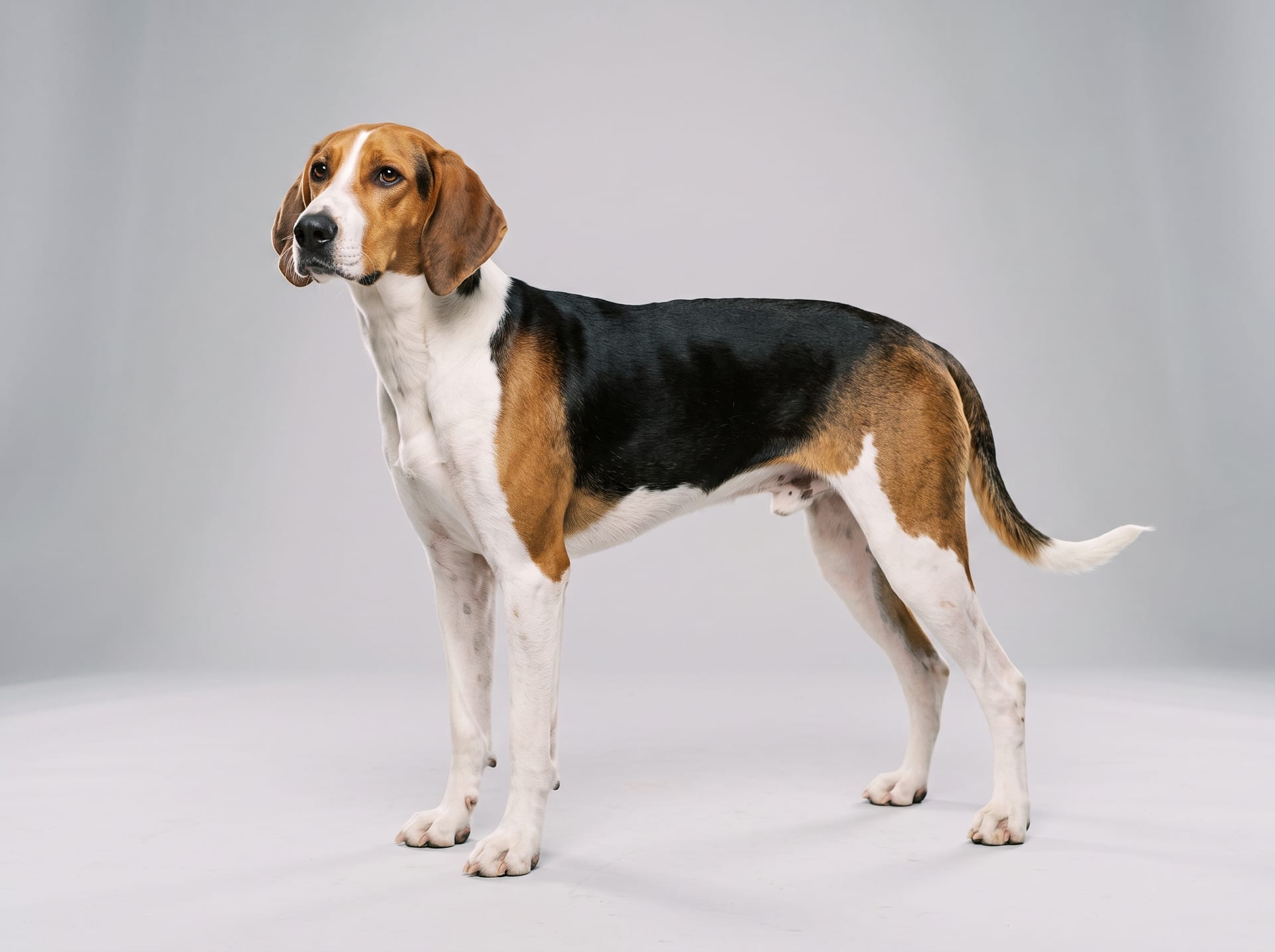
American Foxhound
An American scent hound founded on dogs kept by George Washington. Gentle, friendly and full of stamina.
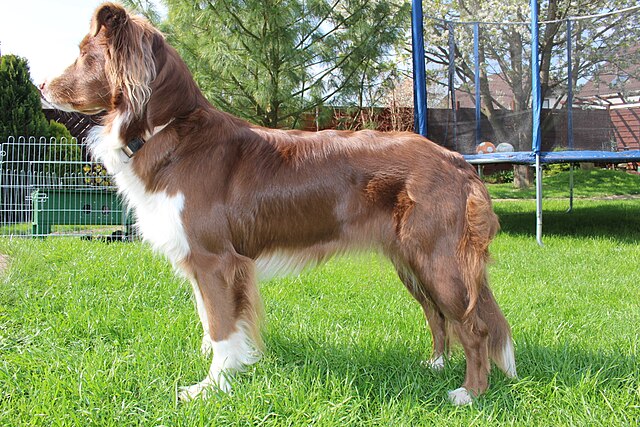 © Trickdog-Fina / CC BY-SA 3.0
Australian Shepherd
American-origin herding dog. Beautiful merle coat and heterochromia. Extremely smart and athletic.
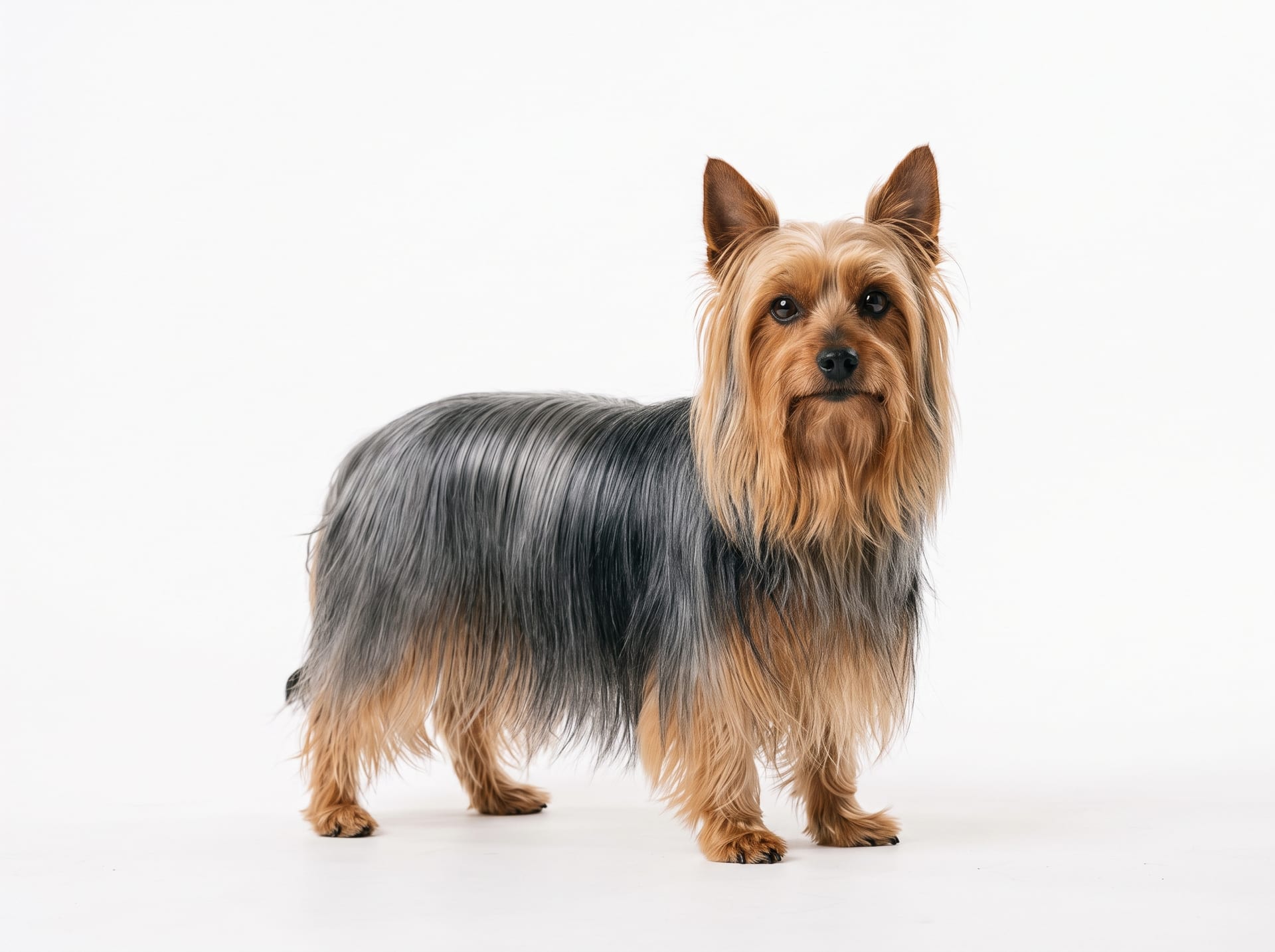
Australian Silky Terrier
A small Australian terrier with a beautiful silky coat. Keen, alert and lively.
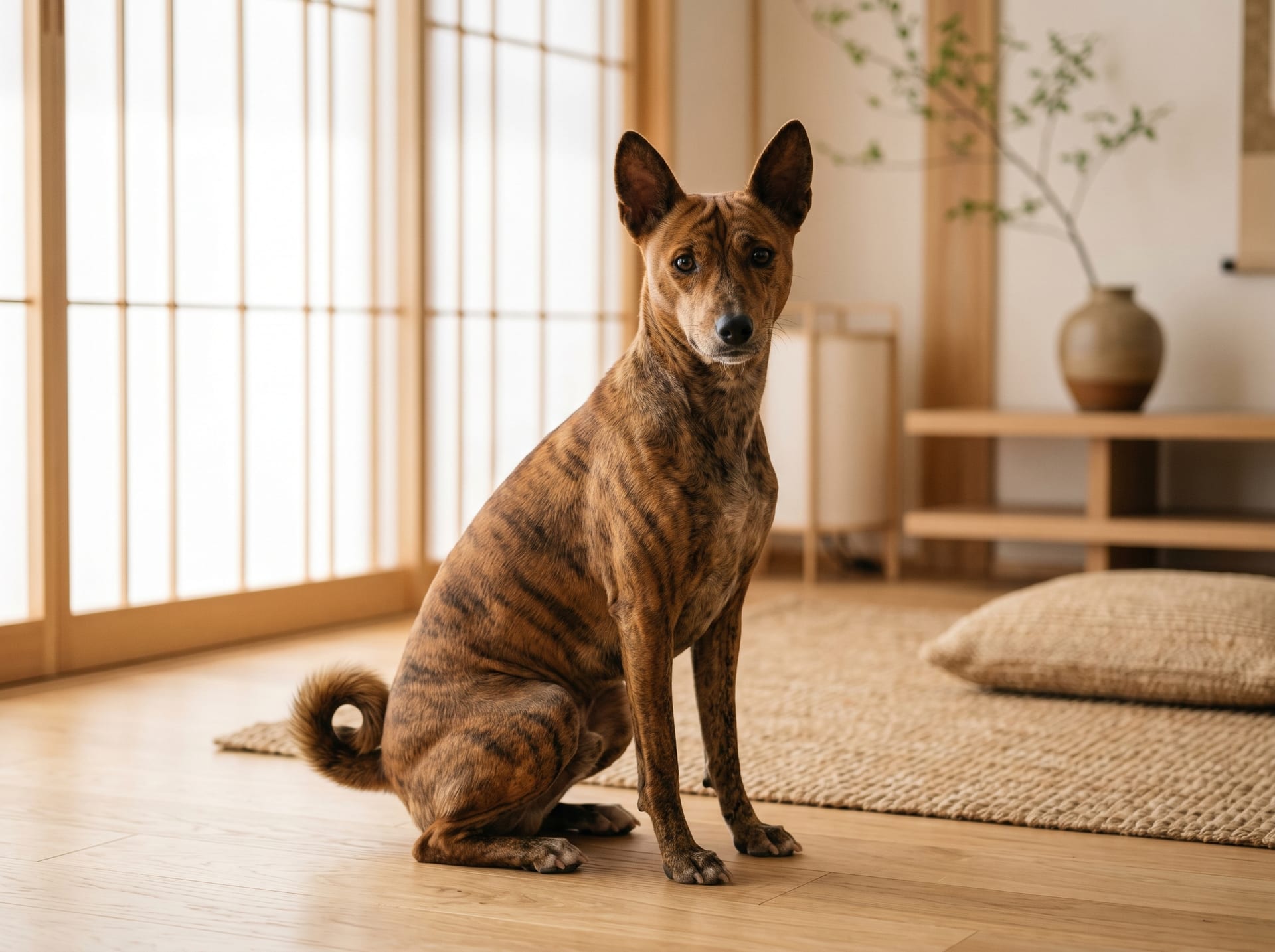
Basenji
The 'barkless dog' from Africa. Cat-like in cleanliness and grooming habits.
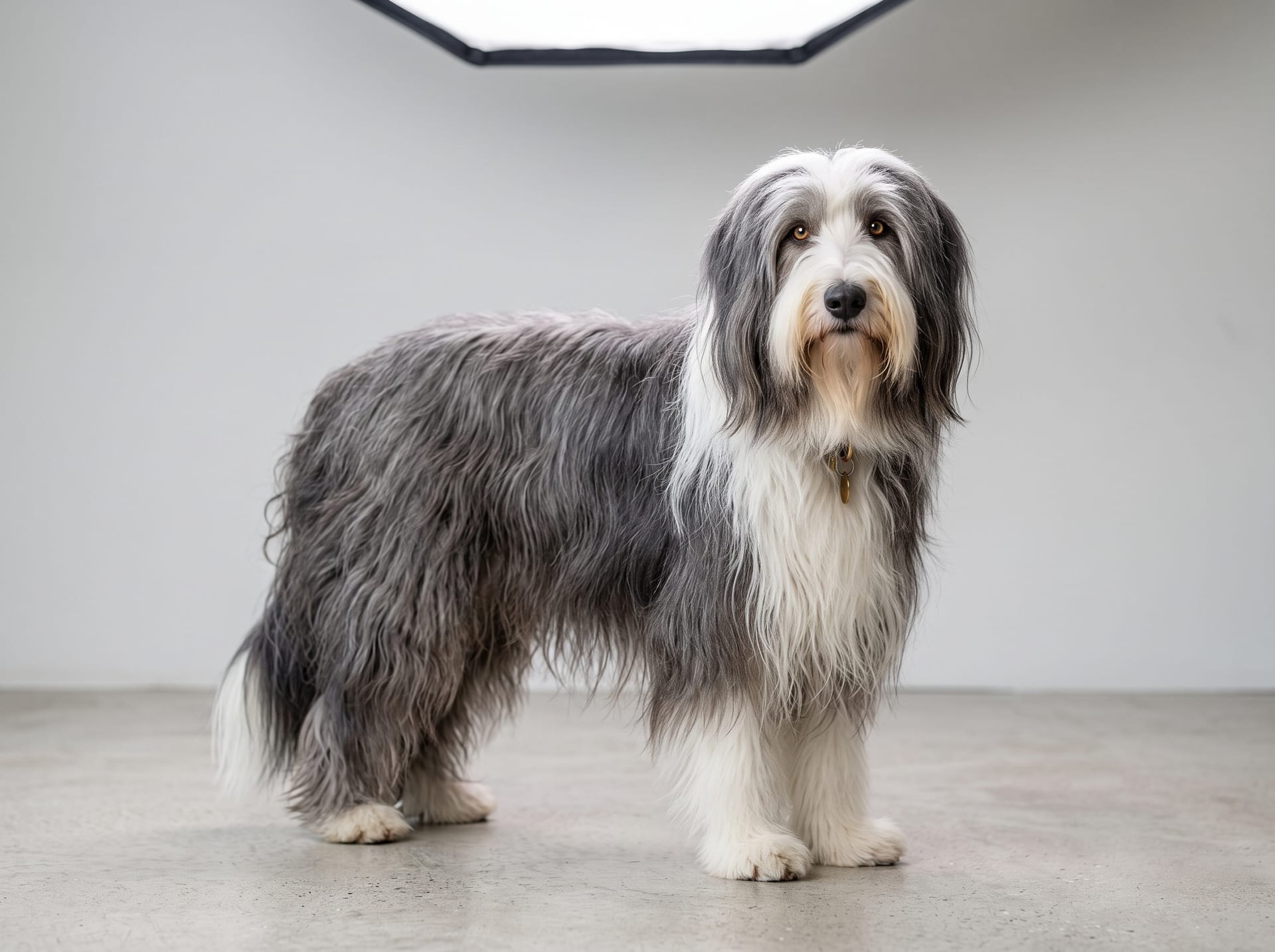
Bearded Collie
An all-weather herding dog trademarked by its beard. Calm, intelligent and popular as a family dog.

Bedlington Terrier
British small terrier with distinctive lamb-like curly coat. Gentle and affectionate yet athletic.

Belgian Griffon
Small Belgian breed, close relative of Brussels Griffon. Expressive face and loyal personality.

Bernese Mountain Dog
Swiss Alpine breed with beautiful tricolor coat. Gentle and loving. Unfortunately short-lived.
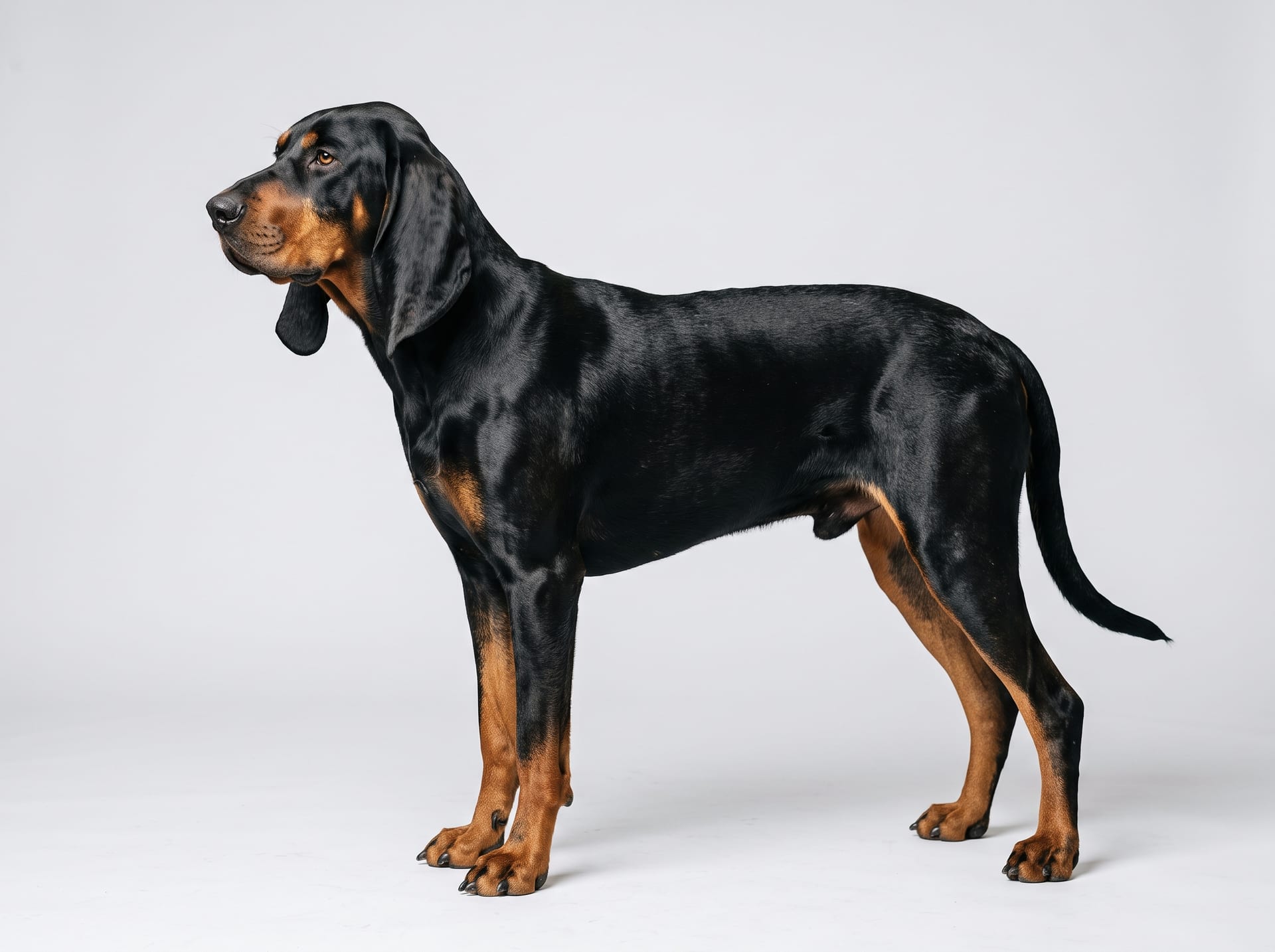
Black and Tan Coonhound
America's scent hound famed for raccoon hunting. Outgoing and friendly.

Border Collie
Considered the most intelligent of all breeds. Extraordinary focus and athleticism.
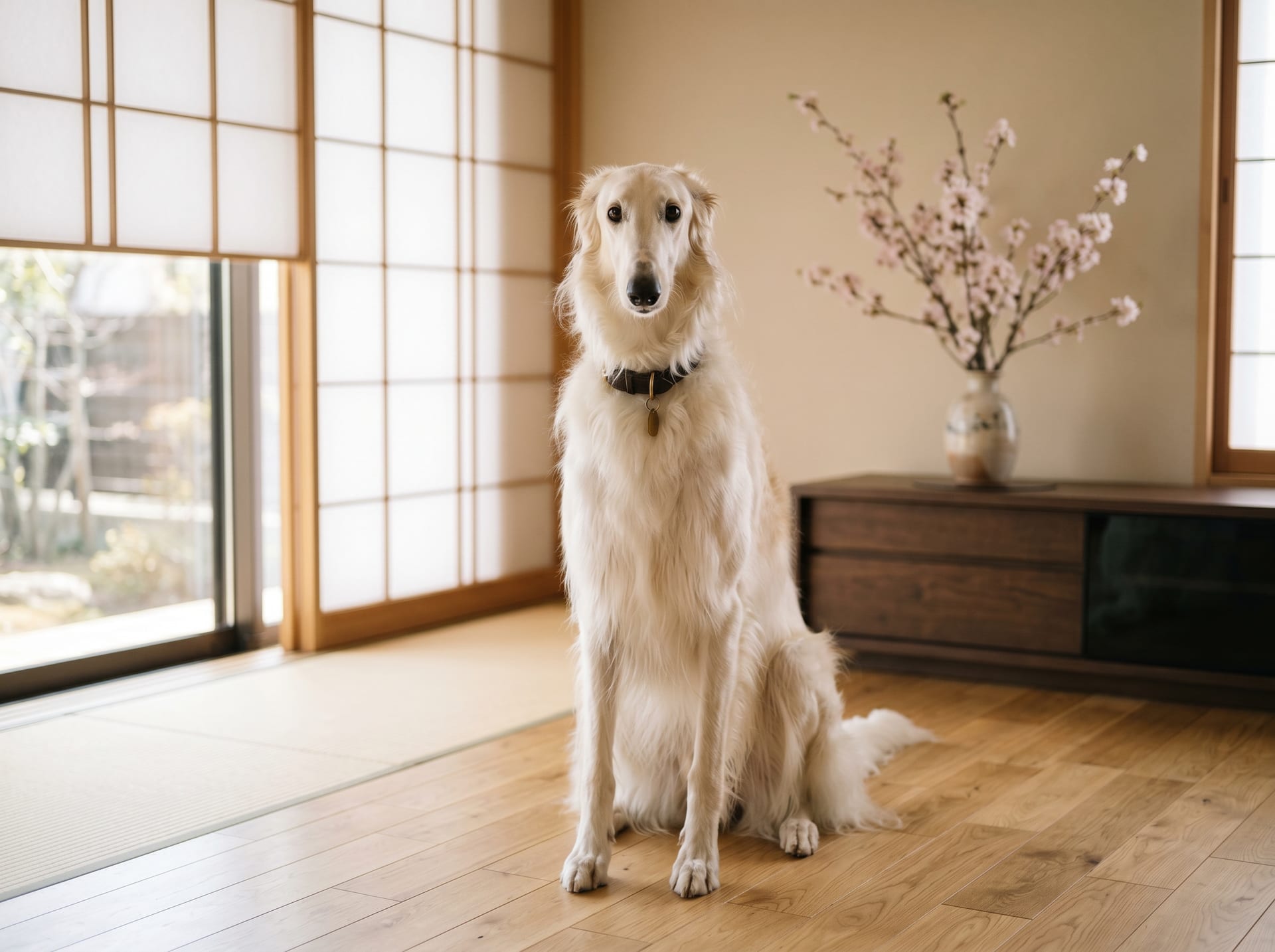
Borzoi
Elegant sighthound beloved by Russian royalty. Extremely calm at home.

Boxer
Muscular with expressive face. Playful and loyal. Great with kids.
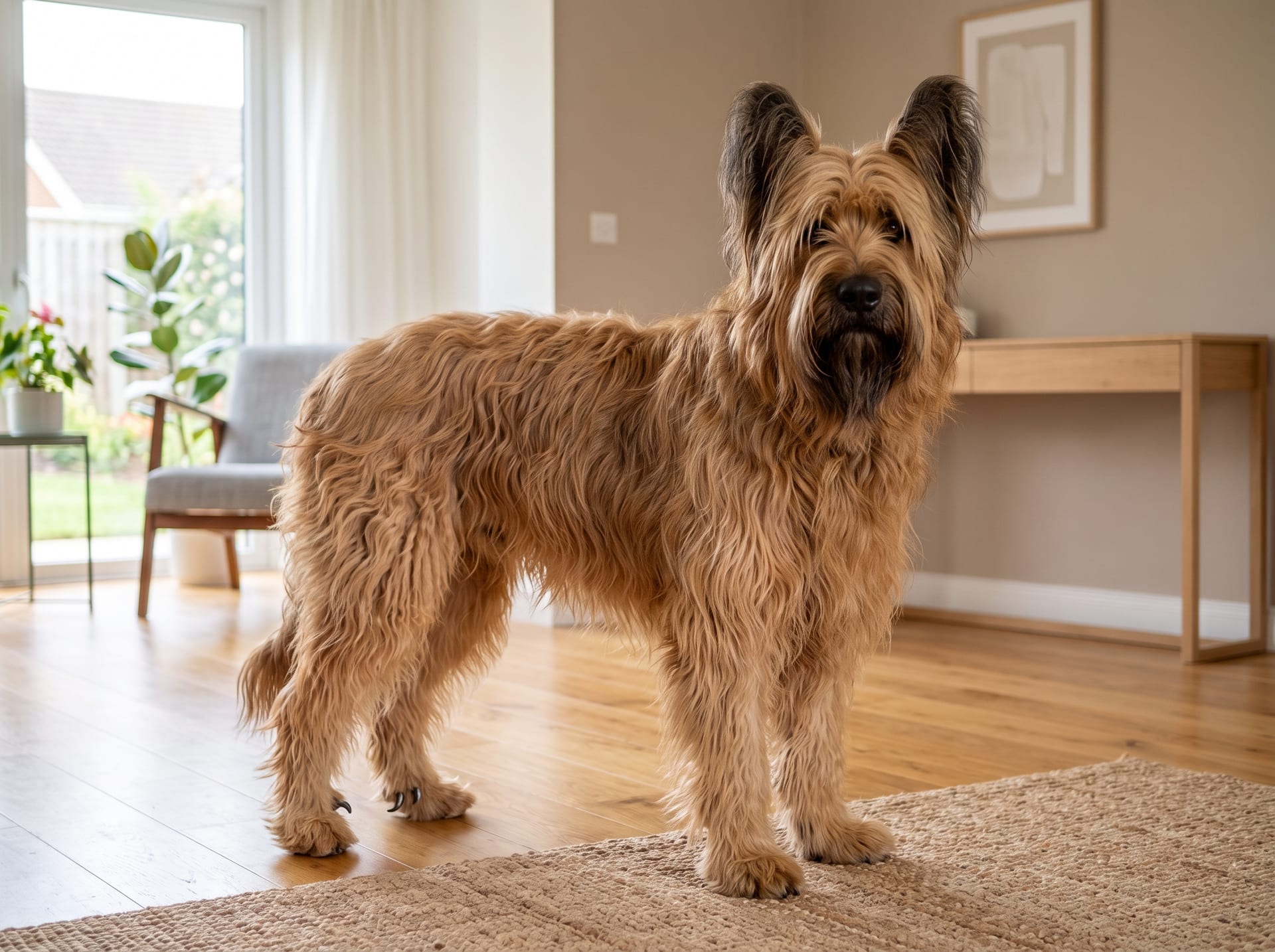
Briard
A long-coated French sheepdog that served the French army in both World Wars. Steady and courageous, neither aggressive nor timid.

Brittany Spaniel
French hunting dog from Brittany region. Energetic and smart, perfect outdoor activity partner.

Brussels Griffon
Expressive-faced toy dog with rich sensitivity to owner's emotions. Smooth and rough coat varieties.
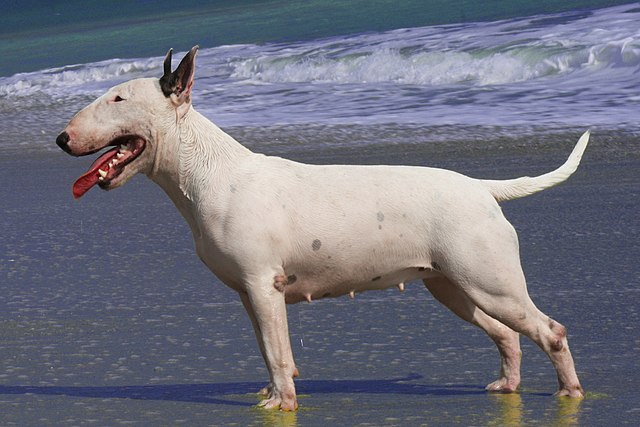 © Pixabay User TC-TORRES / CC0
Bull Terrier
Distinctive egg-shaped head. Playful and humorous but stubborn. Muscular build.
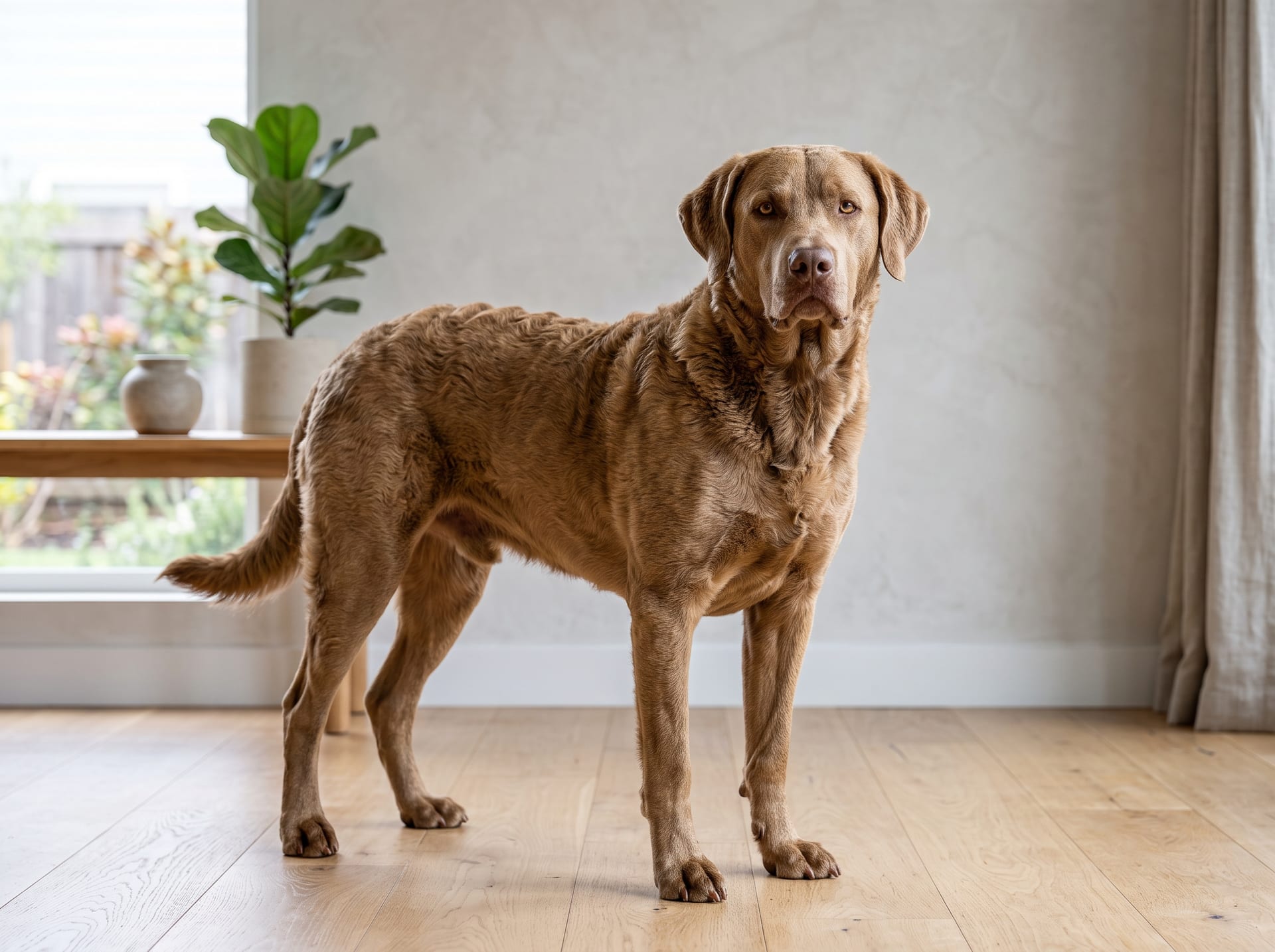
Chesapeake Bay Retriever
The only retriever developed outside Britain. A tough retriever that works on land and in water under the harshest weather.

Chinese Crested Dog
Unique breed in Hairless and Powderpuff varieties. Needs special skin care but hypoallergenic.
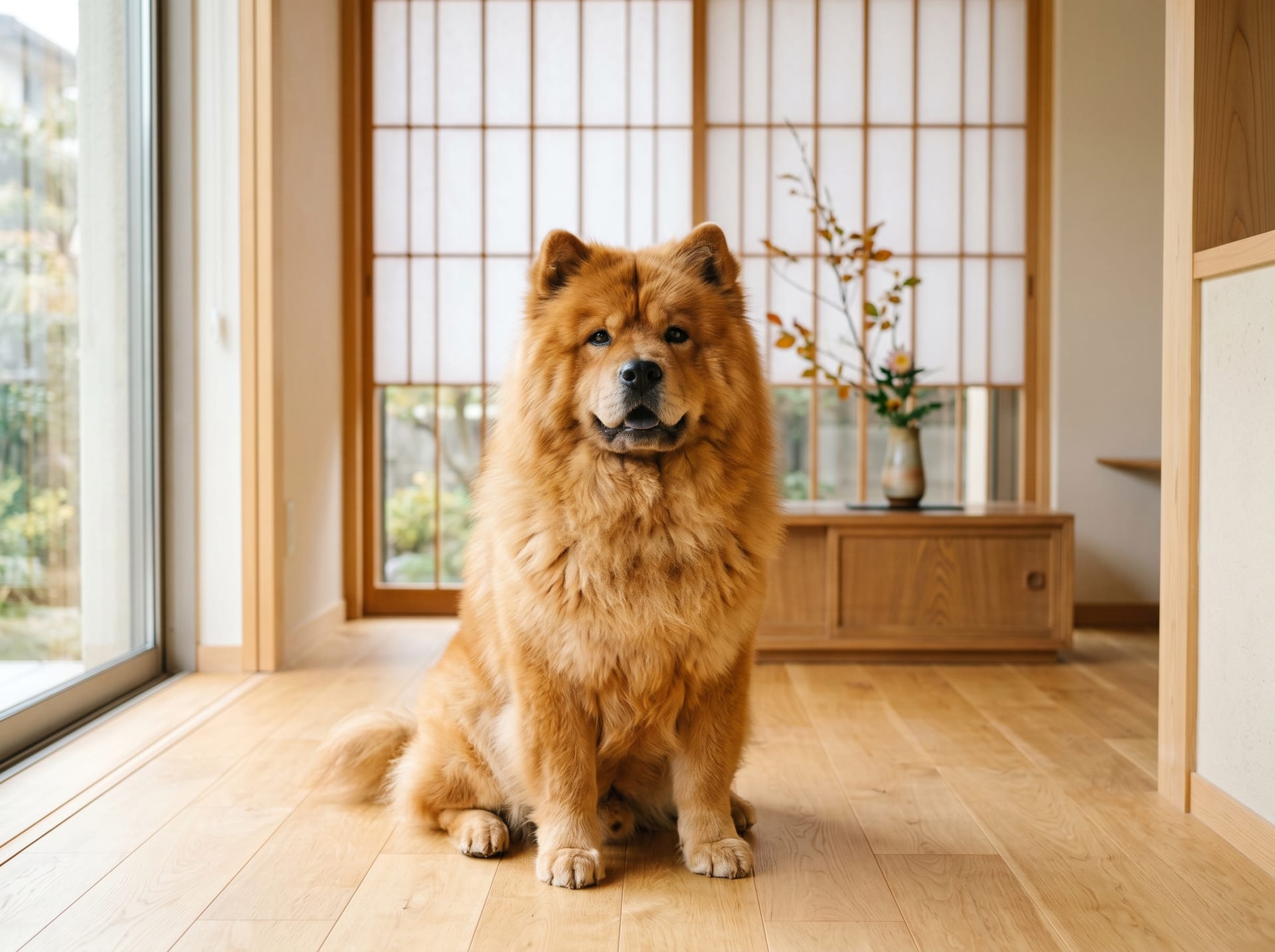
Chow Chow
Chinese breed with lion-like mane and blue-black tongue. Independent yet deeply affectionate with their owner.

Cirneco dell\'Etna
Ancient breed from around Mount Etna, Sicily. Slim body and large erect ears, a rare hunting dog.
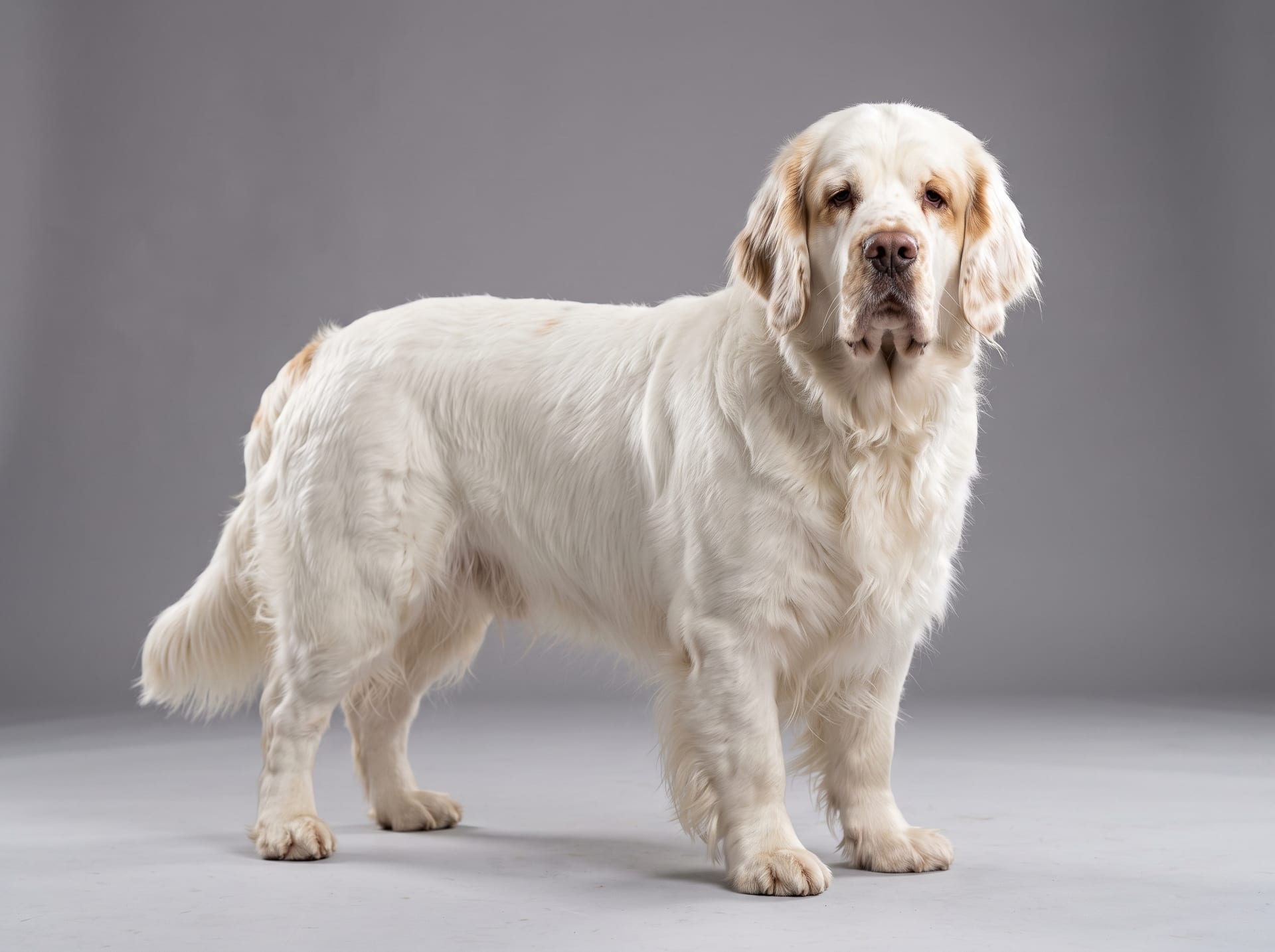
Clumber Spaniel
The heaviest of the spaniels, developed at Clumber Park in Nottinghamshire. Calm, thoughtful and a famously quiet worker.
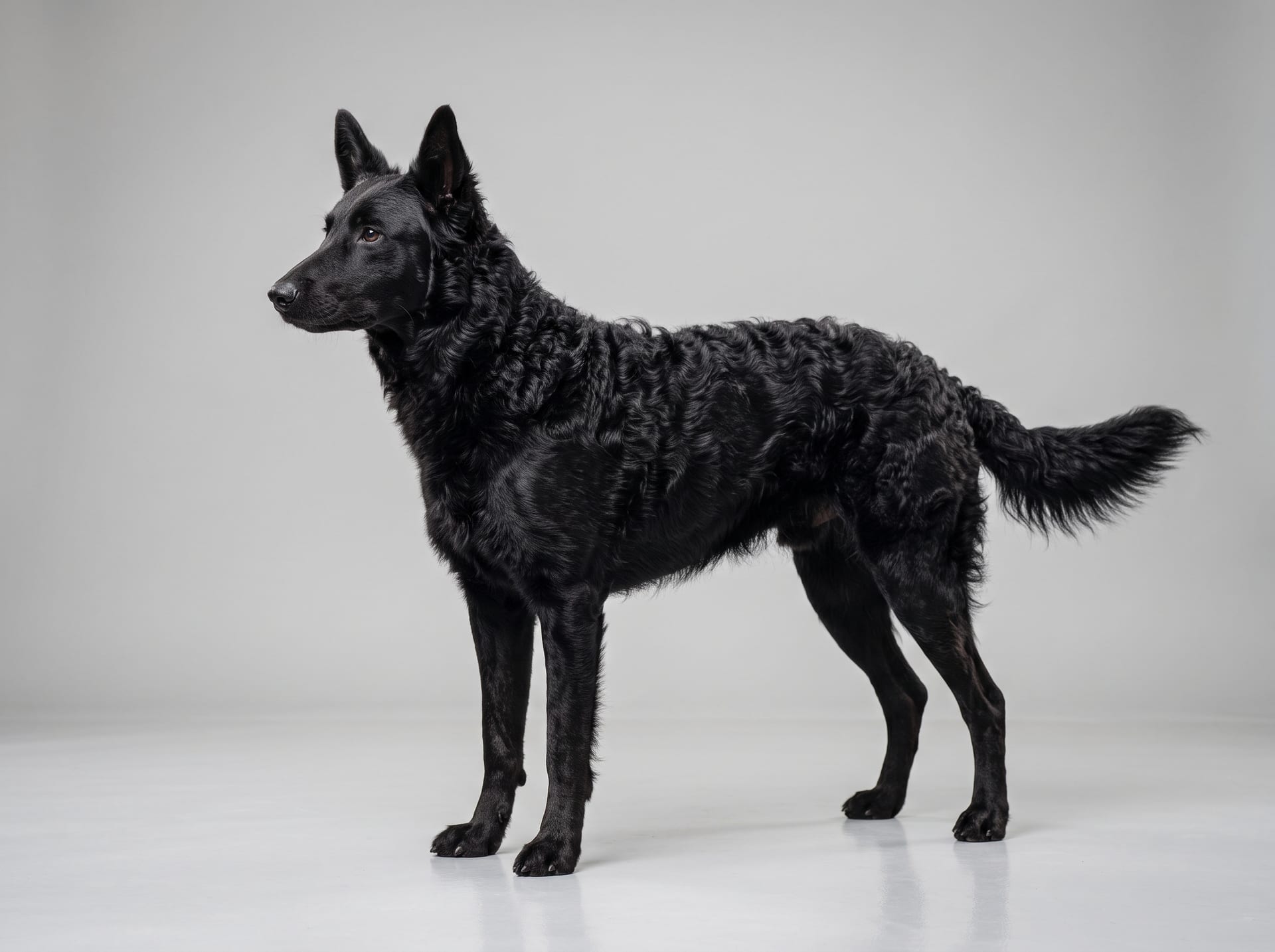
Croatian Sheepdog
A Croatian herding dog with strongly developed gathering and guarding instincts. Alert, modest and easy to train.
Dog FAQ
- How much do dogs cost?
- Prices vary by breed. From breeders directly, Toy Poodles typically run 200,000-450,000 yen, Chihuahuas 150,000-350,000 yen, Shiba Inu 120,000-250,000 yen, and large breeds 200,000-500,000 yen, varying with pedigree, coat, and the parents' track record.
- What are the benefits of buying from a breeder?
- The biggest advantage is being able to see the parent dogs and rearing environment, and to ask directly about temperament, health, and socialization. Under Japan's Animal Welfare Act, sellers must show the actual animal at their premises and provide in-person written explanation of care and date of birth before handover.
- At what age can I bring home a puppy?
- Under Japan's Animal Welfare Act, breeders cannot sell or hand over puppies until they are 56 days (8 weeks) old. For the six native Japanese breeds (Shiba, Akita, Kishu, Kai, Hokkaido, Shikoku) sold directly by specialist breeders, the threshold is 49 days (7 weeks).
- How long do dogs live?
- Generally, small breeds live 12-16 years, medium breeds 10-14 years, large breeds 10-13 years, and giant breeds 8-10 years. Proper diet, exercise, and regular checkups help extend their healthy lifespan.
- What do I need to prepare before getting a dog?
- Basics include a pen or crate, toileting supplies, food and bowls, a collar and leash, and grooming items. After bringing the dog home, promptly arrange a vet health check and vaccination plan, plus municipal registration and the required rabies vaccination.