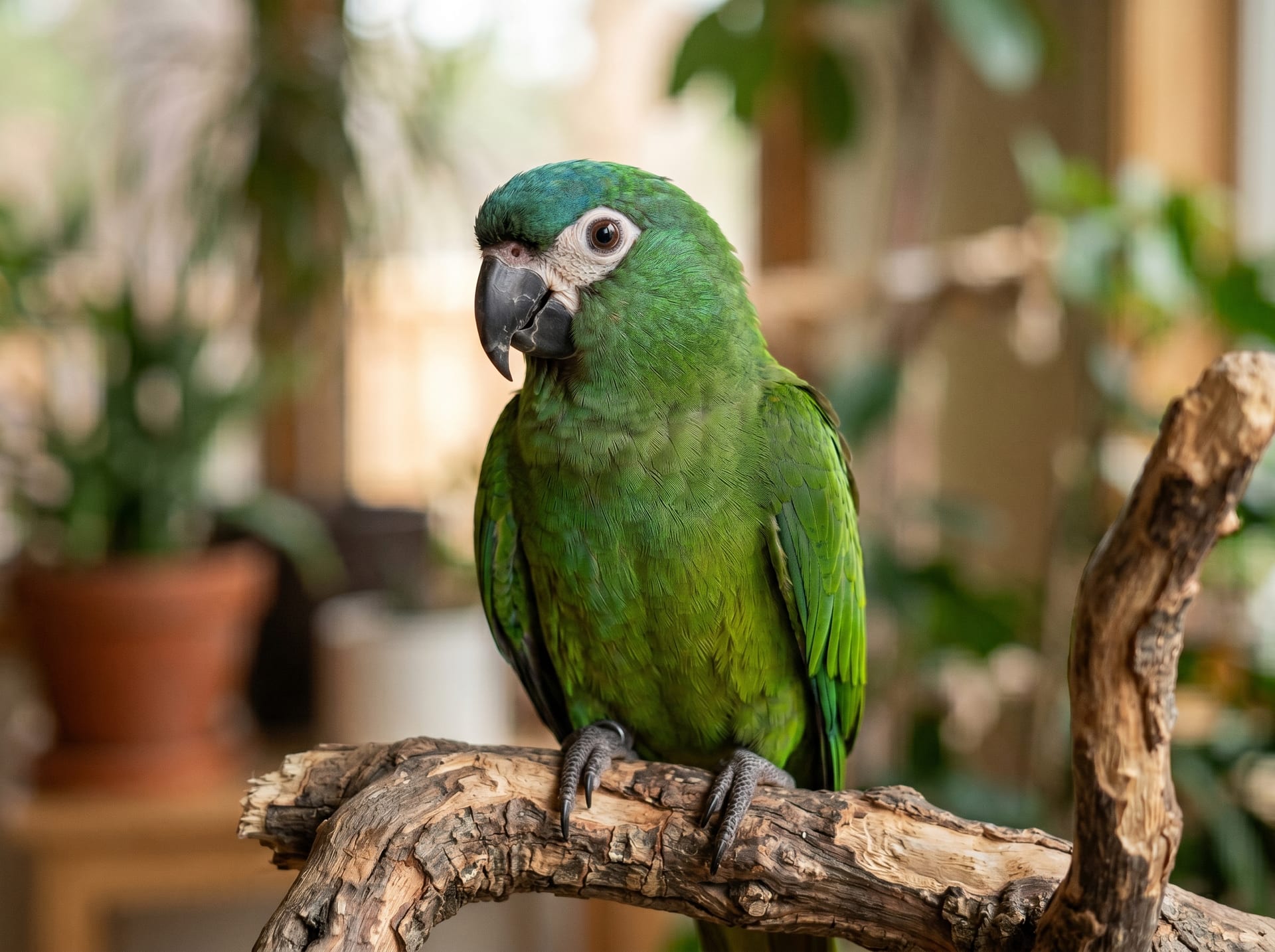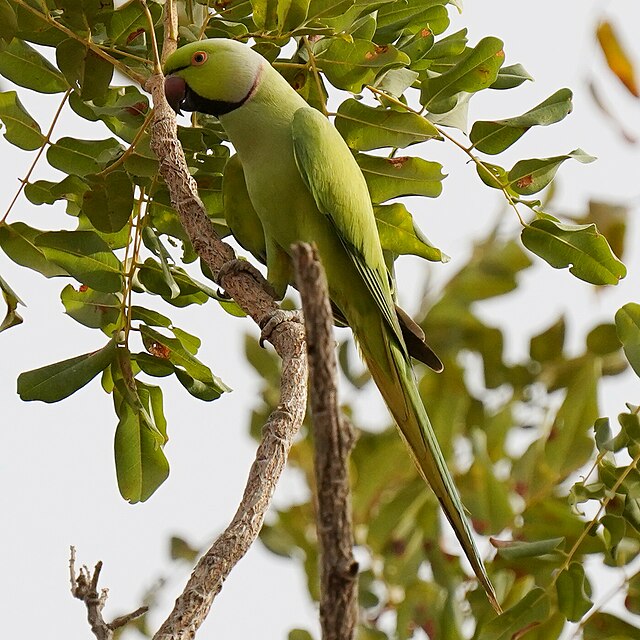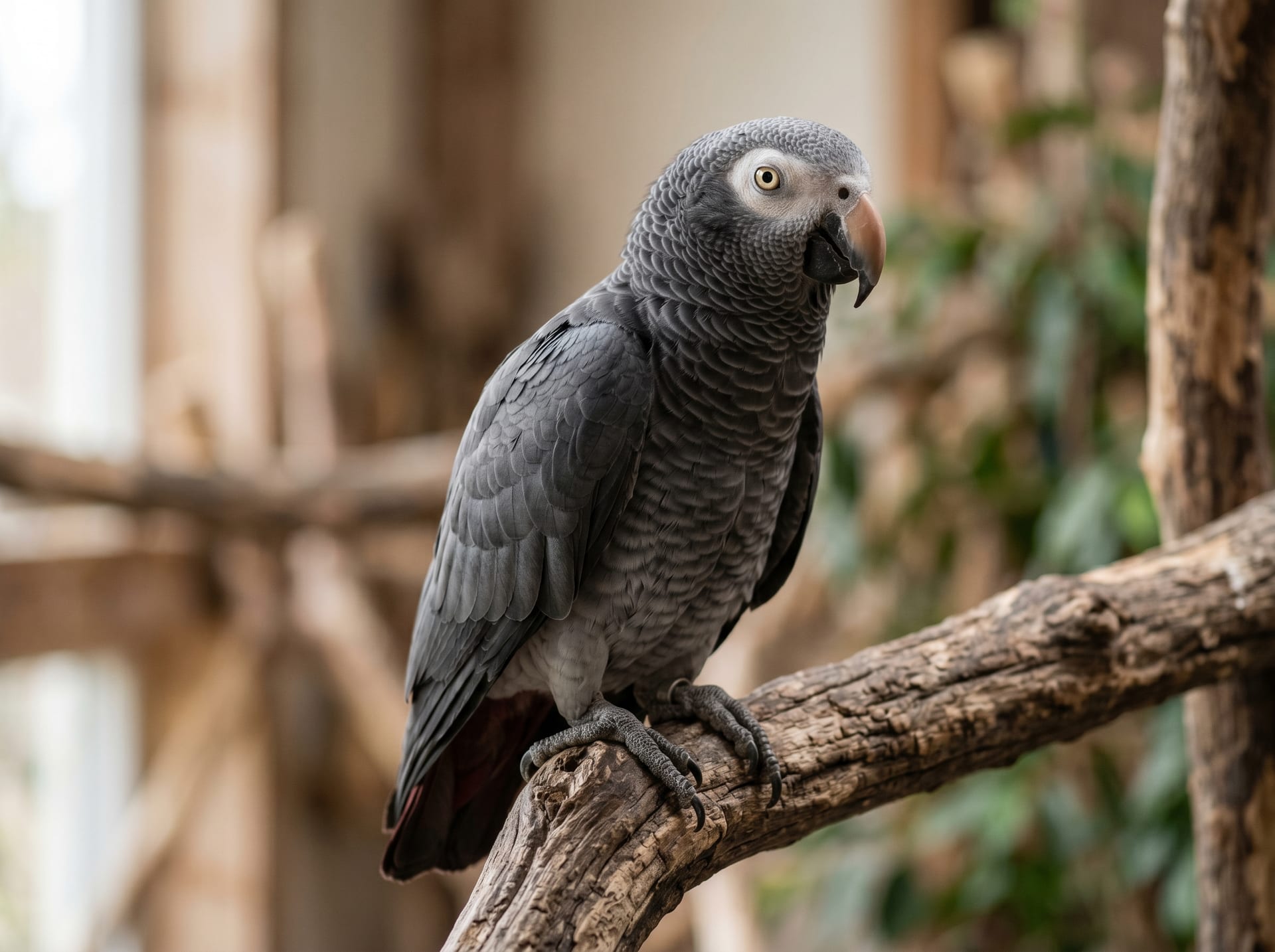
AI-generated image
Timneh African Grey
AdvancedPsittacus timneh
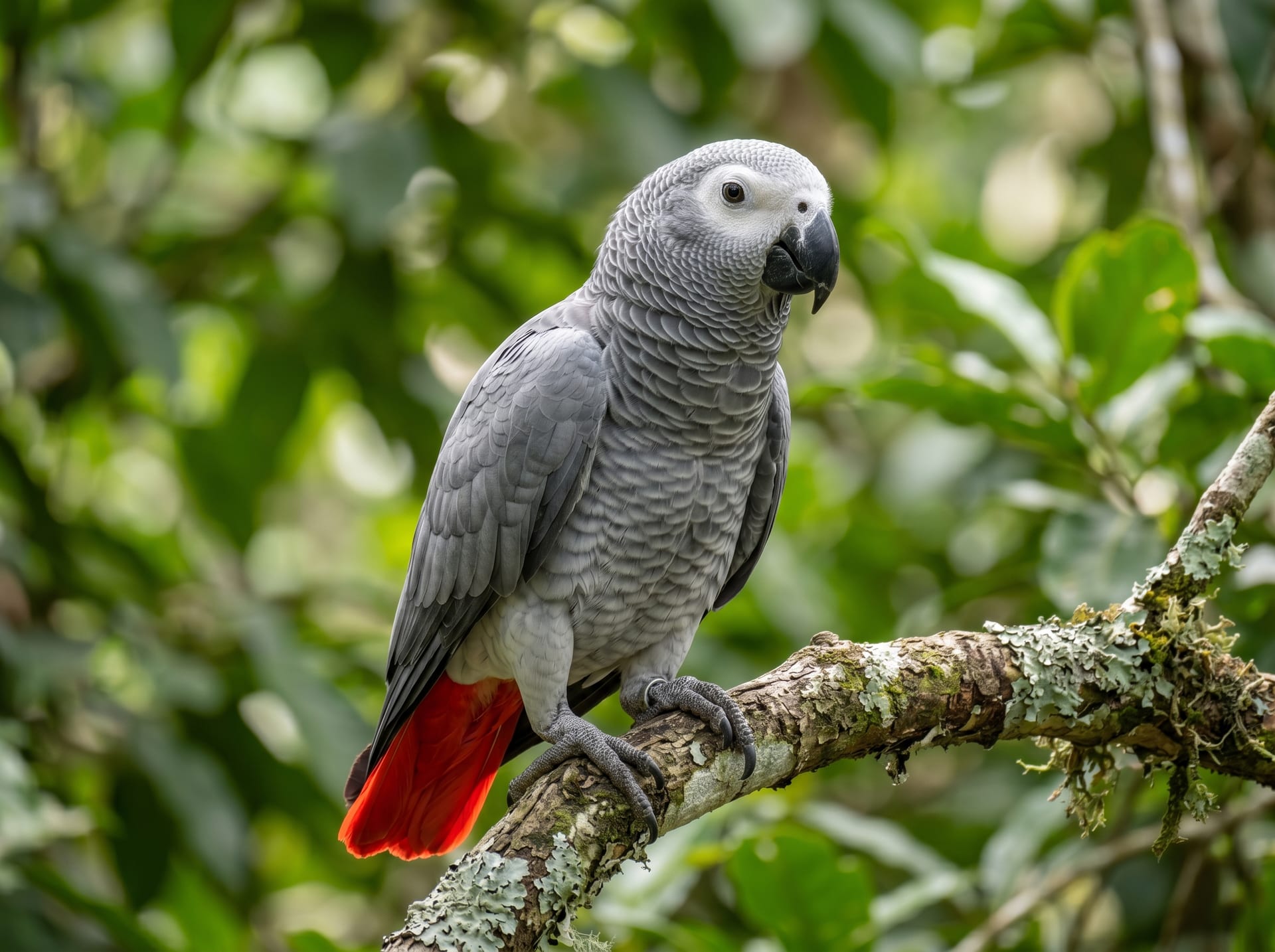
An African parrot with high intelligence comparable to the Congo African Grey. Smaller and darker grey than the Congo. Adapts quickly to new environments and excels at learning to talk.
Difficulty
Advanced
Temperature
20〜28℃
Lifespan
40-50 years
Size
28-33cm
Humidity
50〜70%
Diet
Pellets, Vegetables, Fruits, Nuts
About
The Timneh parrot (Psittacus timneh) is a West African grey parrot, formerly treated as a subspecies of the grey (Congo) parrot but now recognised as a full species. Smaller and darker grey than the Congo grey, with a horn-coloured upper mandible and dark maroon tail, it is highly intelligent and quick to adapt. It is listed on CITES Appendix I.
Source: Wikipedia (CC BY-SA 4.0)
Basic Info
Origin
western Africa (Guinea-Bissau to Côte d'Ivoire)
Lifespan
40-50 years
Size
28-33cm
Temperature
20〜28℃
Humidity
50〜70%
Diet
Pellets, Vegetables, Fruits, Nuts
Care Guide
Housing
Large cage with rich environmental enrichment needed
Intelligence
Exceptional problem solving and language learning ability
Calls & Media
Calls / Song
さえずり · © Joost van Bruggen · xeno-canto XC785457 (CC BY-NC 4.0)
地鳴き · © Brendan Sloan · xeno-canto XC877975 (CC BY-NC 4.0)
Sources: xeno-canto
References & Sources
Edited & verified by: br-choku editorial team
The taxonomic, regulatory, and husbandry data on this page are compiled and verified against the authoritative primary sources below.
Taxonomy & Authority
Accepted name: Psittacus timneh Fraser, 1844
Authority databases: GBIF
Nomenclature follows global taxonomic authority databases.
Regulations & Conservation Status
CITES 附属書IIUCN EN · Endangered
Psittacus timneh。2017年に附属書I へ移行(P. erithacus と共に)。
Sources: CITES Appendices (valid from 25.05.2024)
Regulations may change. Always verify the latest information with the relevant authorities.
Timneh African Grey Listings
Loading latest listingsFind listings for this species