Shipping Live Animals: Packing and Temperature Management Tips by Season
A detailed guide to packing techniques and seasonal temperature management tips for safely shipping live animals.

Key Takeaways
A detailed guide to packing techniques and seasonal temperature management tips for safely shipping live animals.
Related Species
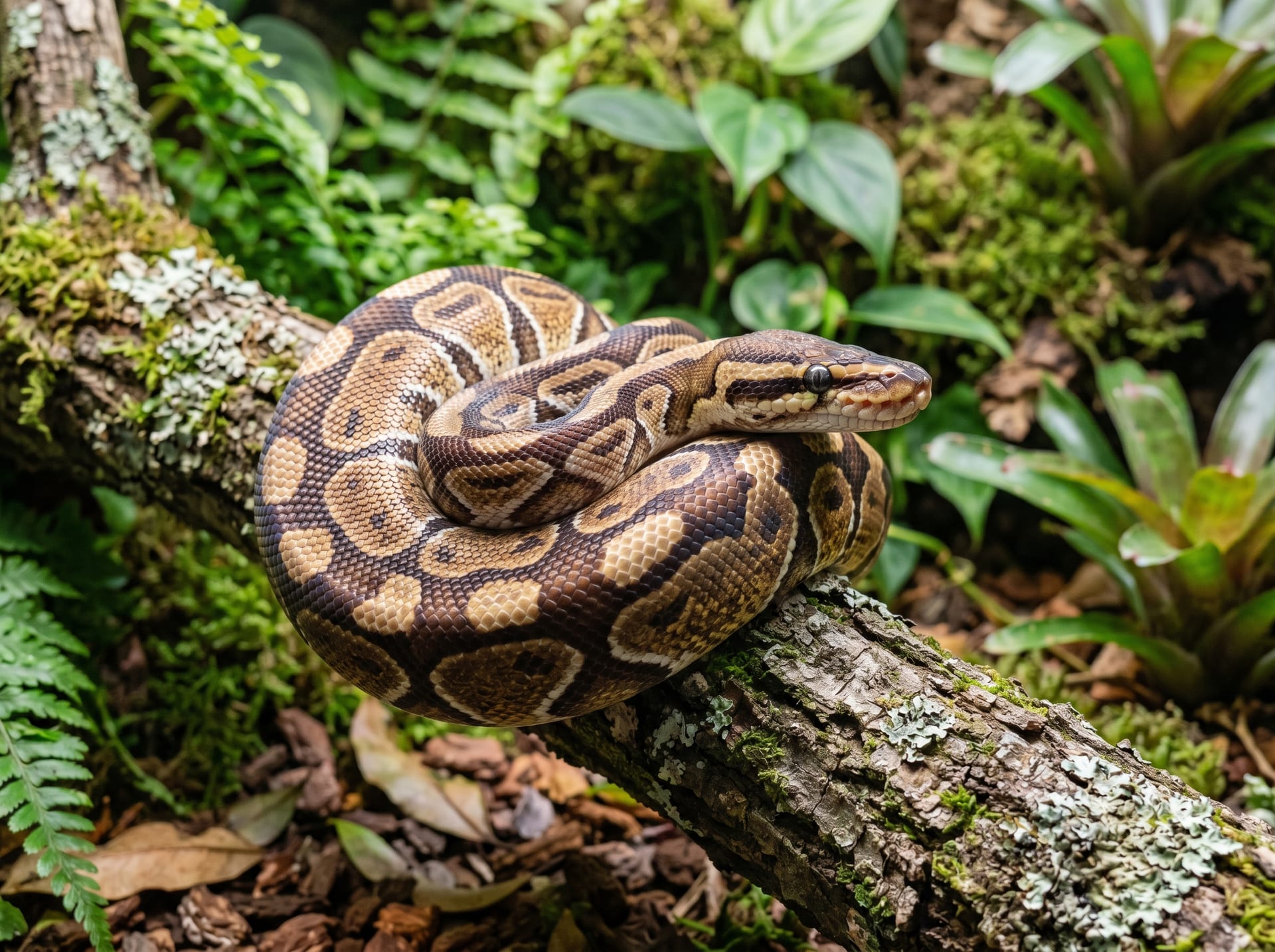
For breeders, safely delivering live animals to customers is one of the most important responsibilities. The quality of packing and temperature management greatly affects the condition of the animal upon arrival. This article provides a detailed explanation of packing methods by species type and temperature management techniques for each season, covering everything from aquatic organisms to reptiles.
Basic Principles of Packing
The three most important principles in packing live animals are safety, temperature retention/cooling, and ventilation.
- Safety: Protecting the animal from impacts and vibrations during transport. Use sufficient cushioning material and appropriately sized containers.
- Temperature retention/cooling: Protecting the animal from extreme temperature fluctuations. Using styrofoam boxes is the standard practice.
- Ventilation: Ensuring the animal has air to breathe. Complete sealing risks suffocation.
Before beginning the packing process, always check the condition of the animal. Assessing whether the animal is in good enough health to withstand transport is also an important responsibility for a breeder. Additionally, preparing all containers, cushioning materials, and tape in advance will make the packing process smoother on the day of shipment.
Packing Method for Aquatic Life
Packing Fish
Place the animal and its tank water into a vinyl bag. The water should fill approximately one-third of the bag, with the remaining space filled with oxygen. If you do not have an oxygen tank, you can also inflate the bag and tie it closed, but oxygen filling is recommended for long-distance transport.
To prevent water leakage, always use a double bag. Tie the opening firmly with rubber bands, then secure further with tape. Wrap the bag in newspaper before placing it in the styrofoam box, filling any gaps with cushioning material to prevent movement.
Avoid feeding immediately before packing to prevent the water quality from deteriorating rapidly inside the bag. Additionally, marking the animal's name on the outside of the bag with an oil-based marker makes confirmation easier at delivery.
Packing Corals
Place the coral in a vinyl bag with seawater, but use a smaller amount of water. The key is to tie the bag tightly, as large movement of the coral inside the bag can damage the tentacles or tissue. For frag pieces, you can also secure the frag plug to the inside of the bag with tape.
After packing, place the bag upright in the styrofoam box and secure it firmly with cushioning material so it does not fall on its side. Any gaps in the box will allow the bag to move during transport, so fill them carefully with newspaper or cushioning material.
Packing Method for Reptiles
Reptiles are packed in deli cups (plastic containers) or cloth bags.
- Small species (leopard geckos, geckos, etc.): Line a deli cup with moistened paper towels, place the animal inside, and be sure to drill ventilation holes in the lid. Wrap the deli cup in newspaper and place it in a cardboard box or styrofoam box.
- Medium species (ball pythons, etc.): Place in a cloth bag (snake bag) before storing in a styrofoam box. Cloth bags have good ventilation and are dark, which helps the animal stay calm.
- Large species: Use a specialized transport box and ensure adequate ventilation holes. If the box is large, use dividers or cushioning material to prevent the animal from moving around inside.
In all cases, it is important to carefully observe the animal's condition before packing and make the judgment not to force transport. Include a note with your contact information inside the deli cup or cloth bag for peace of mind in case of emergency.
Seasonal Temperature Management
Spring (March–May)
Spring is a season with large temperature differences between morning, evening, and daytime. Even if it is warm during the day, it can get cold early in the morning or evening, so it is reassuring to include a hand warmer just in case. Use thin hand warmers (duration 8–10 hours) wrapped in newspaper.
Summer (June–September)
High temperatures are the greatest risk in summer. Use ice packs, but wrap them in towels or newspaper so they do not directly contact the animal. Direct contact can cause the animal to become too cold and suffer frostbite-like burns.
Specify morning delivery. Afternoon delivery can result in vehicle temperatures exceeding 50°C (122°F), which can be fatal to the animal. Also, limit shipping to regions that receive deliveries the next day and avoid long-distance transport. On extremely hot days, it is necessary to refrain from shipping. Adjust the number and placement of ice packs according to box size, and place them a short distance away from the bag.
Fall (October–November)
Fall requires attention to temperature fluctuations similar to spring. Begin including hand warmers starting in late October. Check the weather forecast and consider postponing shipment if sudden cold temperatures are predicted.
Winter (December–February)
Keeping the animal warm is the top priority in winter. Always include disposable hand warmers (large-size type with duration 20–24 hours). A styrofoam box is essential, and if the box is too large, the warming efficiency decreases, so choose an appropriately sized box.
Attach hand warmers to the inside of the box or wrap them in newspaper and position them. Placing them too close to the animal can cause excessive heat, so maintain an appropriate distance. Shipment to cold regions (Hokkaido, Tohoku) requires special attention, and for areas requiring longer delivery times, consider refraining from shipment.
Key Points for Working with Shipping Carriers
Choosing the right shipping carrier is also an important element of live animal transport. Major courier services have services that accommodate live animal transport, so check in advance whether they can accommodate your needs and how they handle animals.
- Choose a shipping method that accommodates live animal transport
- Verbally convey special handling instructions such as "This Side Up" and "Do Not Stack" to the driver
- At pickup time, have the final condition of the box and placement of temperature control materials checked
- Keep the contact information for addressing any problems that occur during transport
By working regularly with a specific shipping carrier over time, you can become familiar with drivers and contact points experienced in live animal transport, allowing you to respond calmly when issues arise.
Communication with Buyers
Along with preparation of packing and shipment, communicate carefully with the buyer. Before shipping, inform them of the expected delivery date and time, and confirm whether they will be available to receive it.
After arrival, tell them to open the packaging as soon as possible. For aquatic life, having buyers acclimate the water temperature before opening the bag is also an effective message to send. If there are any concerns about the animal's condition upon arrival, tell them to contact you immediately.
Pre-shipping Final Checklist
Once packing is complete, perform the following checks before shipping.
- Is the animal stored safely?
- Are there any water leaks? (for aquatic life)
- Are hand warmers or ice packs positioned appropriately?
- Does the animal move around in the box?
- Does the outside box have labels reading "Live Animal Inside," "This Side Up," and "Do Not Stack"?
- Have you communicated the tracking number to the buyer?
Use BreederDirect's messaging feature to inform the buyer of the tracking number and shipment details, and also provide information about the expected delivery date and precautions for receiving the package. Careful attention to these details leads to acquiring repeat customers.