Developing a Breeder's Selection Eye | Selection Criteria for Sales Individuals, Breeding Stock Candidates, and Holdbacks
This article explains the selection criteria for sorting bred individuals into sales stock, breeding stock candidates, and holdbacks. We introduce practical selection know-how based on visual assessment, genetic value, and market analysis.
Key Takeaways
This article explains the selection criteria for sorting bred individuals into sales stock, breeding stock candidates, and holdbacks. We introduce practical selection know-how based on visual assessment, genetic value, and market analysis.
Related Species
For breeders, how to select individuals born from breeding is an important decision that shapes the future of the business. While selling all individuals immediately generates revenue, quality for the next generation cannot improve unless superior individuals are retained. Conversely, keeping too many increases space and costs. This article explains practical criteria for determining which individuals to sell, which to keep as breeding stock candidates, and which to holdback.
Basic Selection Framework
Individual selection is primarily evaluated across three axes.
- Visual Quality: Confirm whether the morph (breed or color variation) is clearly expressed, whether body proportions are balanced, and whether there are any congenital abnormalities (curved tails, kinks, prolapse history, etc.).
- Genetic Value: Consider the pedigree of parent individuals, the potential genes held as heterozygotes (het), and the coefficient of inbreeding (inbreeding coefficient).
- Market Value: Analyze current market demand and supply, whether the morph is on trend, and the anticipated selling price.
Assess all three axes holistically and sort each individual into "sales," "breeding stock candidate," or "holdback (observation)." Record your decisions and reflect on them afterward to sharpen your selection eye. Especially early on, we strongly recommend consulting experienced breeders when making decisions.
Selecting Breeding Stock Candidates
Individuals retained as breeding stock shape the breeder's future production lines and must be chosen most carefully. Selection criteria are as follows.
- Health Status (Top Priority): Select individuals with strong appetite and steady growth. Individuals with poor feeding appetite at the juvenile stage tend to be prone to refusing food even as adults—this is known empirically.
- Morph Color Expression and Pattern Quality: For example, among leopard gecko tangerine lines, individuals with deep orange body coloration and fewer spots are considered higher quality. Clarify the direction of breed improvement and select individuals that match that direction.
- Genetic Composition: Individuals that are heterozygous and carry multiple recessive genes have high value as breeding stock because they expand the range of possible breeding crosses.
- Lineage Diversity: To prevent inbreeding from advancing too far, selecting breeding stock from different lineages is essential for long-term quality maintenance.
Quality Management of Sales Individuals
Even individuals designated for sale must meet certain quality standards. Since you are selling under your breeder name, every individual represents your brand. Rather than selling low-quality individuals cheaply in large quantities, selling only individuals meeting a certain standard at appropriate prices enhances long-term brand value. Pre-sale check items are as follows.
- Health status (appetite, activity level, fecal condition)
- Presence or absence of external abnormalities
- Whether minimum body weight has been reached
For leopard geckos, the industry standard is a minimum of 20g body weight before sale. Overly small juveniles are susceptible to transport stress and increase husbandry difficulty for the buyer. Photograph sales individuals in colors faithful to the actual specimen. While the desire to enhance appearance through editing is understandable, gaps with the actual specimen become sources of complaints. On BreederDirect, prioritize accuracy in your product photos.
Strategic Use of Holdbacks
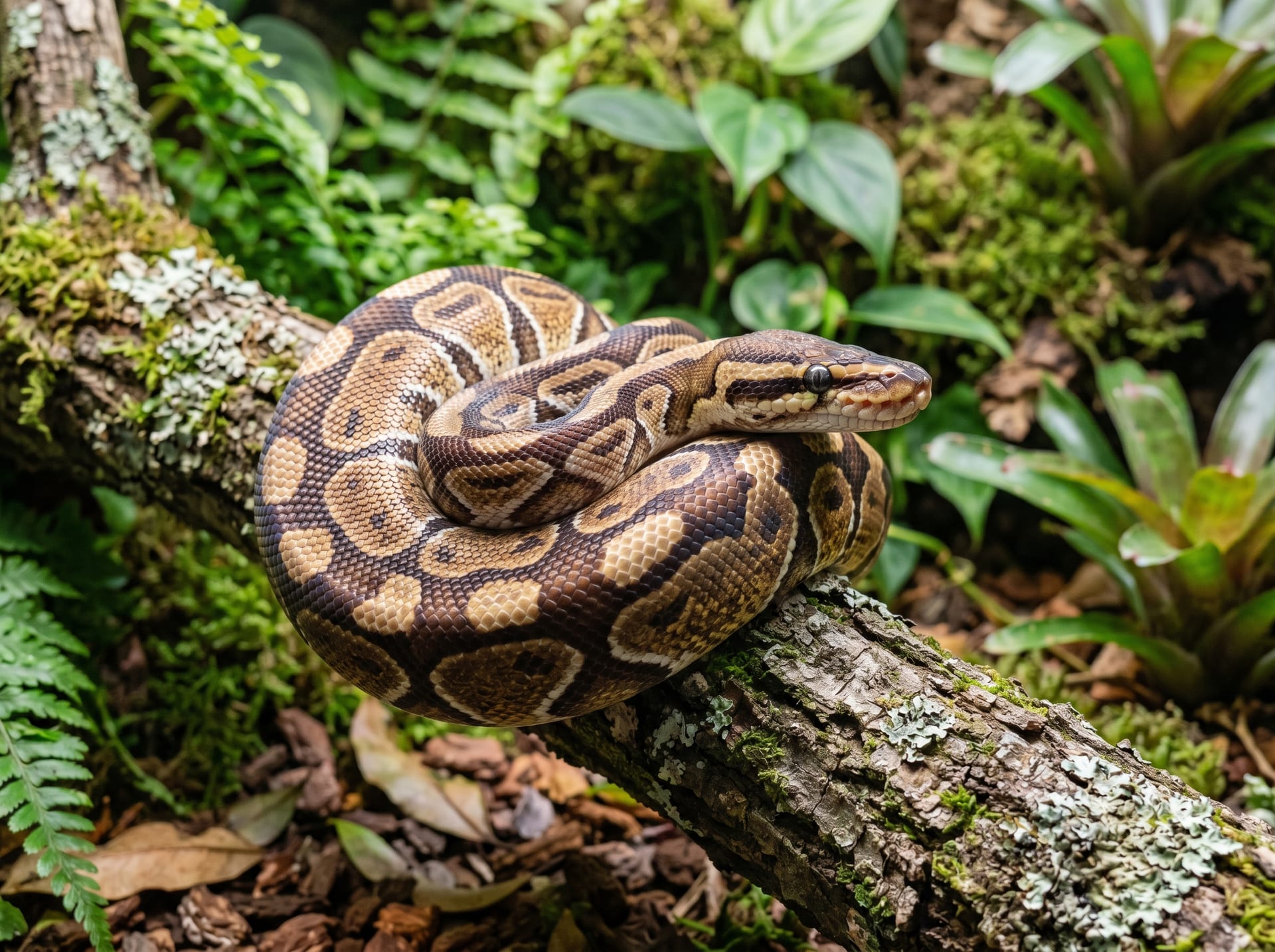
A holdback (held individual) is an individual not immediately sorted into sales or breeding stock, but rather observed through growth. Many species cannot have their final color or pattern determined at the juvenile stage; true value often becomes apparent as they approach adulthood. For example, ball python pastel morphs can be difficult to distinguish from normal individuals when young, but develop their distinctive coloration as they grow. The holdback period varies by species but is typically 3–6 months. During this time, regularly photograph individuals and keep growth records. Photographic records of growth become added value at the time of sale. The risk of holdbacks is space and feed cost. Extended holding periods increase expenses, so it is important not to defer decisions too long. If direction remains unclear after three months, set objective criteria and be prepared to sort mechanically.
Production Planning Based on Market Analysis
To improve selection accuracy, it is important to constantly monitor market trends. Because popular morph trends change over years, morphs currently selling well may not maintain high prices years from now. Monitor sales results on BreederDirect and at various expos, track trending topics on social media, and watch overseas breeding trends to establish production plans based on mid to long-term demand forecasts. Creating new combo morphs (morphs combining multiple genes) is a powerful means of differentiation and value-added production. However, combo morph development requires planned breeding over multiple generations, making it an investment period in the short term. In production planning, be mindful of the balance between "individuals to sell this season to increase revenue" and "individuals to invest in as future breeding stock."
| Item | Target |
|---|---|
| Proportion of sales individuals to revenue | 70–80% |
| Proportion of resources devoted to next-generation investment | 20–30% |
This distribution is a guideline for sustainable business operations. Breeders who can read the market and stably produce high-quality individuals are those who achieve long-term success.