Expo & Show Participation Guide — How Breeders Can Leverage Events
Guide to exhibiting at reptile expos and aquarium events: preparation, booth setup, customer service, and follow-up.
Key Takeaways
Guide to exhibiting at reptile expos and aquarium events: preparation, booth setup, customer service, and follow-up.
Related Species
Exhibiting at live sales events and exhibitions offers breeders invaluable opportunities that online sales alone cannot provide. Beyond allowing customers to see and purchase animals in person, these events offer networking with peers, reaching new customer demographics, and boosting brand recognition. This article covers practical know-how for making your event exhibition a success.
How to Choose Events and Apply for Exhibition
Major events held in Japan include reptile expos (Reptiles Show series), aquarium events, insect sales, and general pet events. If you're exhibiting for the first time, we recommend starting with small to mid-sized regional events. Large-scale events have higher booth fees (roughly 30,000 to 100,000 yen per booth) and more competition, so it's more effective to gain experience before tackling them. Applications typically close 2 to 3 months in advance, so gathering information early is crucial. Follow each event's official website and social media accounts to stay updated on exhibitor recruitment announcements. As a requirement for exhibiting, you must present your Animal Handling Business registration certificate. Selling without registration is a legal violation, so be sure to obtain it in advance. For in-person sales, you need a "sales" registration—registration for online sales alone may not be sufficient.
Exhibition Preparation and Animal Selection
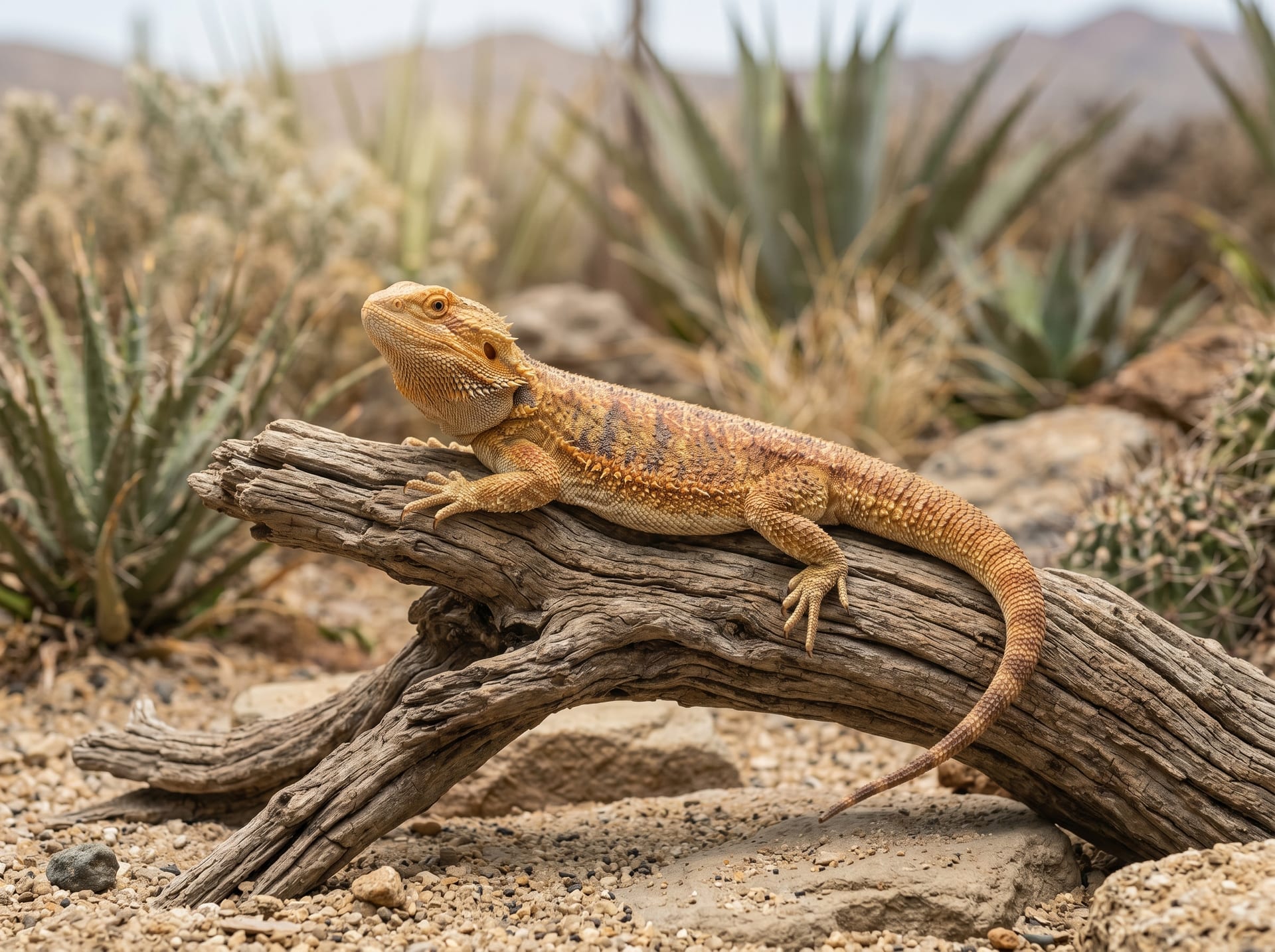
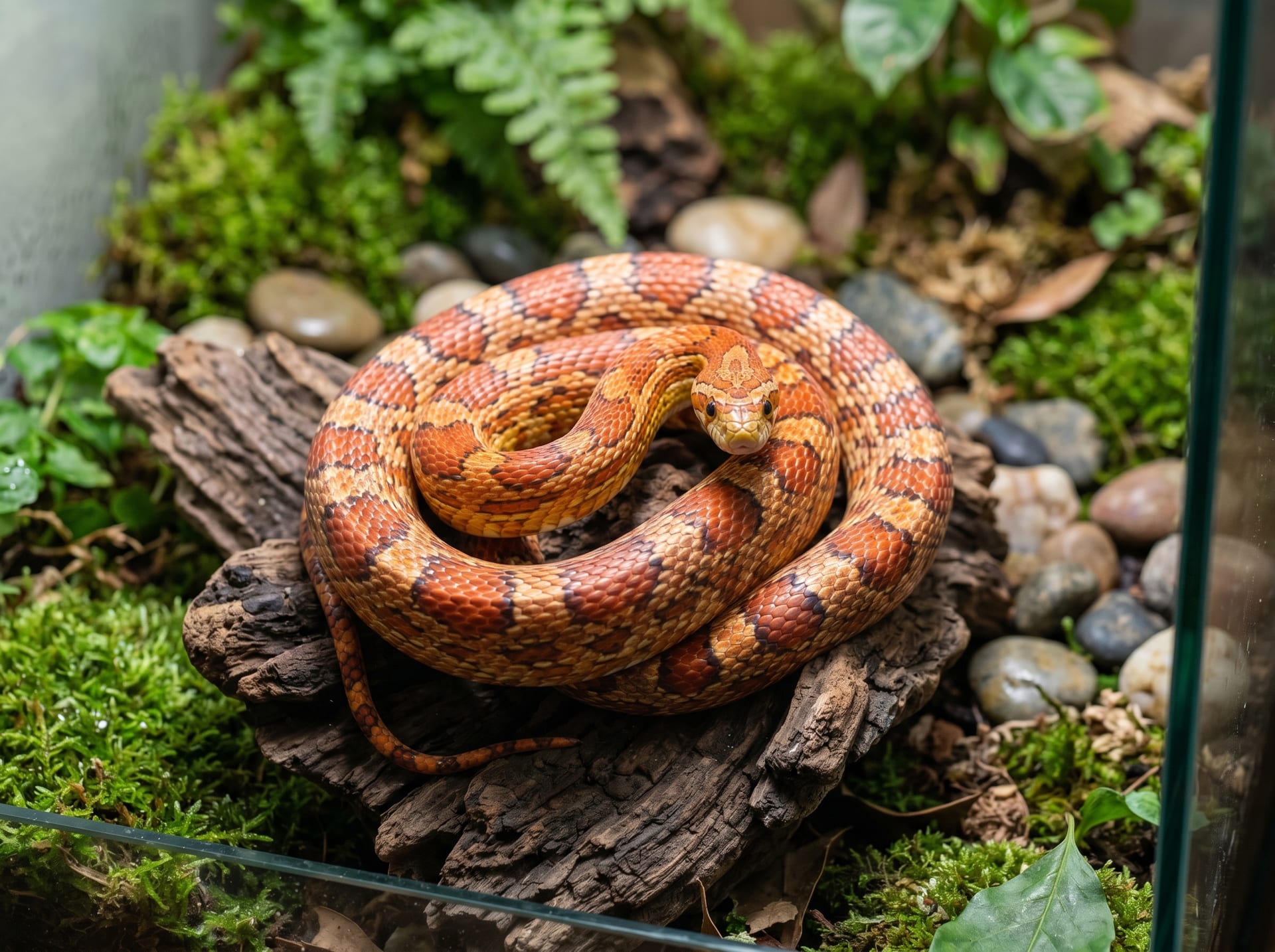
Select animals for exhibition based on the event's audience and the season. For beginner-friendly events, focus on easy-to-care-for, popular species such as leopard geckos, bearded dragons, and corn snakes. For enthusiast events, rare morphs and uncommon species attract attention. Offer a wide price range, ideally balanced from affordable options (5,000 to 15,000 yen) to high-end specimens (50,000 yen and above). Transporting live animals requires careful attention. House each animal individually in deli cups or cloth bags, and transport them in insulated Styrofoam boxes with heating or cooling measures. After arriving at the venue, avoid forcing stressed animals into display immediately—give them time to settle. Prepare a checklist of necessary supplies: display cases, price tags, business cards, receipts, change, plastic bags (for buyers to carry home purchased animals), disinfectant alcohol, gloves, and paper towels.
Booth Setup and Attractive Display Methods
Your booth's first impression determines whether visitors stop to look. Use a clean white tablecloth or one in your brand color. Choose highly transparent display cases and angle them for better visibility. Lighting is also essential. Bring LED lights that enhance the animals' colors so they look beautiful even in dim venues. However, excessively bright light stresses the animals, so adjust to an appropriate level. Place price tags in visible locations with species name, morph name, sex, age, and price clearly marked. Displaying QR codes that link to your BriChoku listing page or social media accounts is also effective. Even if visitors don't purchase at the event, it may lead to online purchases later. Always have business cards ready and hand them to every visitor. Include your BriChoku profile URL and social media accounts on your cards to foster ongoing connections.