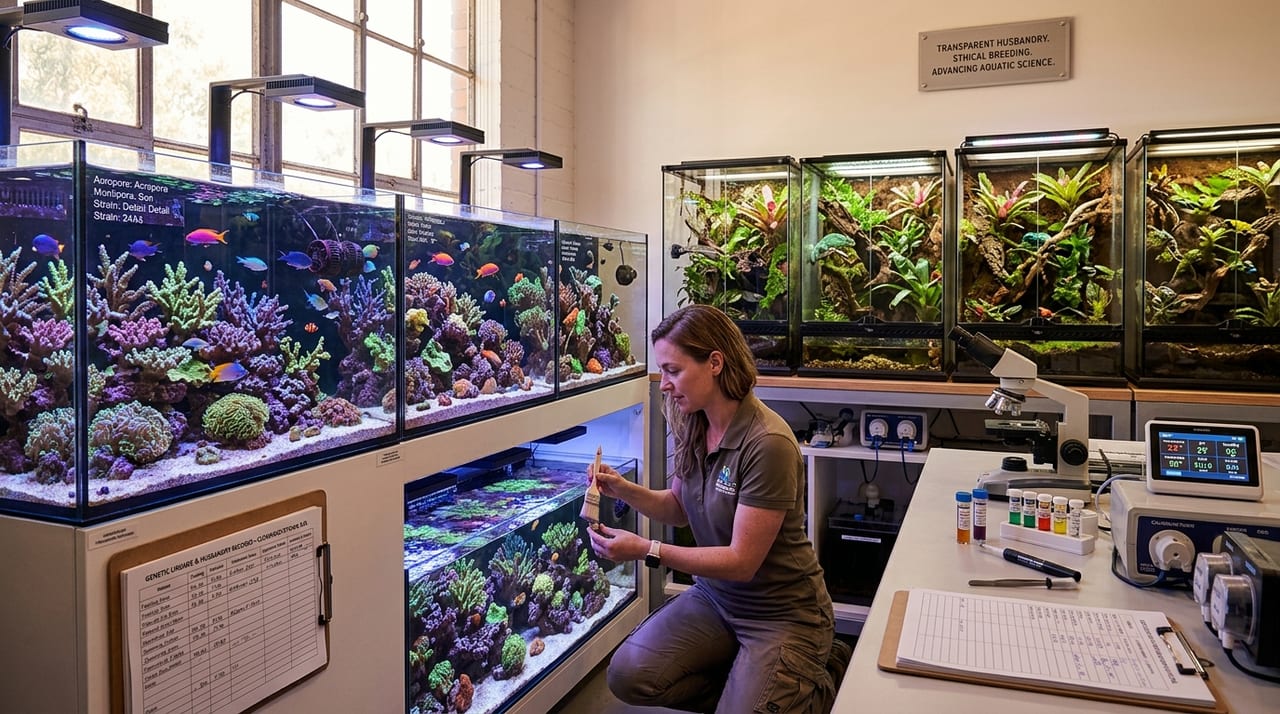
What Are the Benefits of Buying Directly from Breeders? Explaining the Differences from Pet Shop Purchases
A detailed comparison of breeder direct sales versus pet shop purchases. We explain the benefits unique to direct purchasing from breeders, including detailed individual information, fair pricing without intermediary markups, comprehensive after-sales support, stable quality, and encounters with rare species.
Key Takeaways
A detailed comparison of breeder direct sales versus pet shop purchases. We explain the benefits unique to direct purchasing from breeders, including detailed individual information, fair pricing without intermediary markups, comprehensive after-sales support, stable quality, and encounters with rare species.
When bringing a living creature into your home, haven't you ever been unsure whether to buy from a pet shop or directly from a breeder? Both options have their conveniences and appeal, but there are actually several key differences between them that can make a significant impact when you know about them. This article delves deeply into the benefits unique to buying directly from breeders and explains the concrete differences compared to pet shop purchases.
What's the Difference Between Pet Shops and Breeder Direct Sales?
Pet shops stock living creatures sourced from multiple breeders and suppliers on their shelves and sell them to a wide range of customers. The appeal lies in the wide variety of animals available and the ease of dropping by, but in many cases, the history of the individual animal or details about its rearing environment remain unclear.
In contrast, breeder direct sales involve the person who has handled breeding, management, and care selling directly. Because there are no intermediaries involved, the individual animal's information is abundant and price transparency is high. In recent years, with the proliferation of social media and online platforms, it has become easy to connect with breeders from afar, and more purchasers are choosing direct sales.
Benefit 1: You Know Everything About an Individual's "Life Story"
Breeders sell animals they have bred, hatched, and raised themselves, so they possess the most detailed knowledge of that animal's background.
Parent information: Species, bloodline, and health status of father and mother
Birth environment: Temperature and humidity management methods, appearance of littermates
Feeding habits and preferences: What food they eat, feeding tendencies
Personality and individual traits: Degree of human familiarity, quirks of temperament
This information is extremely helpful when introducing an animal into a new environment. For example, with reptiles, a single comment like "right now they prefer Dubia roaches over crickets" allows smooth feeding right from day one. With tropical fish, information such as "the water temperature was managed around 26°C with a pH of around 6.8" significantly improves the precision of acclimation.
✍️
BreederDirect Editorial
The BreederDirect editorial team specializes in care information for animals, covering veterinary care and breeding to deliver beginner-friendly guides.
With pet shops, individual animal information is often lost during the distribution process, making it difficult to obtain such detailed data.
Benefit 2: No Intermediary Markups—Prices Are Fair
With pet shops, animals pass through the distribution channel: breeder → wholesaler (distributor) → retailer, with markups added at each stage. As a result, the price consumers pay can deviate significantly from the production cost.
With breeder direct sales, this distribution cost is eliminated entirely.
Purchasers can obtain animals of the same quality at a lower price
Breeders receive fair compensation for their work
A fair transaction is achieved for both parties
Especially with rare species or expensive animals, the absolute amount of intermediary markups is large, making the cost benefit of direct sales particularly pronounced. Additionally, because breeders can directly explain their pricing rationale, "why is this price?" becomes clear, allowing for a satisfying purchase.
Benefit 3: After-Purchase Support Is Comprehensive
Unexpected problems can arise after you begin keeping a living creature.
They suddenly stop eating
Their body color changes
Their movement seems off
In these situations, when you purchase from a shop, you may be told "please consult an expert," but it's different when you purchase directly from a breeder. Because the breeder has known the individual from birth, you can consult directly with them and are more likely to receive accurate advice.
"This one has always been timid by nature, so when their environment changes, they sometimes don't eat for a few days"—a single comment like this can ease a keeper's anxiety. The relationship with a breeder doesn't end at the point of sale; it can become a long-term partnership.
Benefit 4: Discover Rare Species and Carefully Curated Bloodlines
What lines the shelves of pet shops are primarily common, standard species with high distribution volumes. Rare species with small market share or unique bloodlines and color variations that a breeder has spent years developing are almost impossible to obtain from shops.
With corals, rare morphs with little domestic distribution
With tropical fish, wild-caught bloodlines from specific regions
With reptiles, original color patterns established over multiple generations
The opportunity to encounter such animals is a unique delight of platforms that directly connect you with specialized breeders. The joy of searching for your own "favorite individual" is one of the major attractions of breeder direct purchasing.
BreederDirect's Safe and Secure System
While breeder direct sales offer many benefits, some voice concern about "individual transactions being risky." BreederDirect has put in place several mechanisms to address such concerns.
Only Verified Breeders Can List
Only verified breeders who have passed screening can list on BreederDirect. Since identity verification and activity history screening are required, the risk of transacting with unknown sellers is eliminated.
Payment Terms Can Be Negotiated Directly
Payment is handled directly between the breeder and buyer. BreederDirect does not retain payment information, so card information and similar data do not accumulate on the platform. Payment methods can be chosen from options the breeder provides, such as bank transfers or cash at in-person handover.
Buyer Protection Through Payment After Viewing
Payment is handled directly between breeder and buyer, with BreederDirect neither holding payment nor payment information. Because of this, payment timing can be negotiated between the parties, making it possible to arrange payment after confirming the animal's condition. Should any issues occur during transport, support is available, allowing you to proceed with confidence.
Pre-Purchase Message Consultation
When you find an animal you're interested in, you can message the breeder directly with questions before purchasing. Questions like "Can a beginner keep this?" or "What are the current rearing conditions?" allow you to resolve concerns beforehand and make a confident purchasing decision.
Meeting a living creature is the beginning of a long relationship. By purchasing directly from a breeder, you can learn the animal's background, gain a trustworthy advisor, and begin your care with peace of mind. On BreederDirect, you can search among diverse animals listed by verified breeders from across the country to find the perfect individual for you. Please try searching for your favorite breeder on BreederDirect.