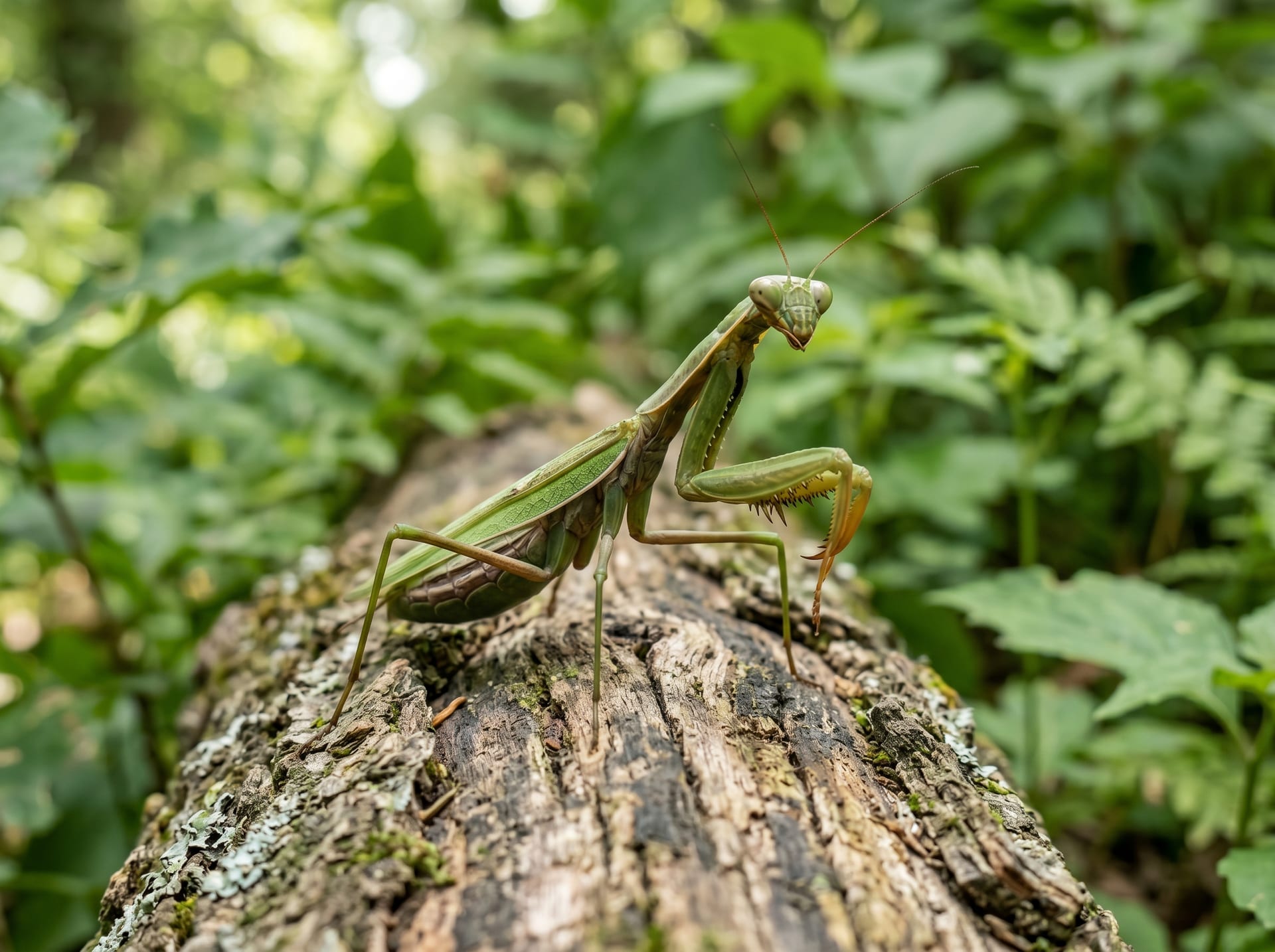
A popular insect catching prey with scythe-like forelegs. Many enthusiasts keep them as pets.
View 螳螂 encyclopedia →前 3 筆銷售免佣金!於 2026 年 7 月 31 日前註冊成為繁殖者,前 3 筆銷售免收佣金!
繁殖者 招募中!
在 BreederDirect 上架,直接銷售給全國各地的客戶!
刊登昆蟲時,繁殖者會明示以下資訊。我們保證成長階段與繁殖配對的透明性。
想上架昆蟲嗎?
註冊成為繁殖者,即可與買家直接聯繫。
價格區間
地區
屬性
Mantises belong to a diverse order of approximately 2,400 species worldwide, with several native species such as the Chinese mantis and wide-abdomen mantis found across Japan. Their iconic sickle-like forelegs are finely tuned predatory tools capable of snatching prey with remarkable precision. The triangular head rotates freely, giving mantises a wide field of vision, and their compound eyes provide sharp depth perception that aids in targeting fast-moving insects. Temperament varies by individual, but mantises are generally solitary and territorial by nature. As pets, their greatest appeal lies in witnessing live hunts: the patient stillness followed by a lightning strike is endlessly compelling to watch. Enclosures and equipment are inexpensive and simple to set up, making mantises an accessible entry point into insect keeping for both children and adults alike.
1Vertical Space Is Essential
Mantises need to hang from the top of their enclosure during molting, so the cage height should be at least three times their body length. A mesh-lidded vertical terrarium is the standard choice. Good ventilation also prevents mold and excess humidity.
2Temperature and Humidity
For Japanese native species, aim for 25–30°C and 50–70% humidity. Overly dry conditions can lead to molting failures, so lightly mist the cage walls. A small panel heater helps maintain warmth in winter.
3Always House Alone
Mantises are highly cannibalistic and will prey on each other regardless of size. Always keep one per enclosure. Even for breeding purposes, place them together only briefly under close supervision and separate immediately afterward.
4Live Prey Is the Staple Diet
Live insects such as crickets, fruit flies, and mealworms form the core diet. Offer prey no wider than the mantis's head. Remove uneaten feeders promptly, and withhold food for 24 hours before and after molting.
5Watch for Molting Problems
Molting failures are a common cause of death, often due to low humidity, poor nutrition, or insufficient cage height. Never handle or feed a mantis during molting. Allow 1–2 days for the new exoskeleton to harden before resuming normal care.
6Short Lifespan to Expect
View 螳螂 encyclopedia entry →
Care difficulty, lifespan, size and diet — all basics covered.
Adult mantises typically live only 3–6 months and rarely survive winter. Starting from an egg case (ootheca) lets you observe the full life cycle from hatching to adulthood. Commit to caring for them for their entire lifespan before acquiring one.
7Handle With Care
Mantises stress easily when handled and may adopt a threat display or attempt to flee when startled. Some individuals become comfortable perching on a hand over time, but never force contact—introduce handling gradually by reading the mantis's body language. Their forelegs can cause minor scratches.