Source: Wikimedia Commons
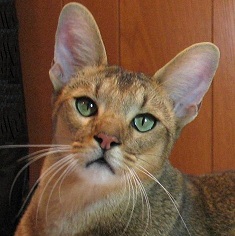
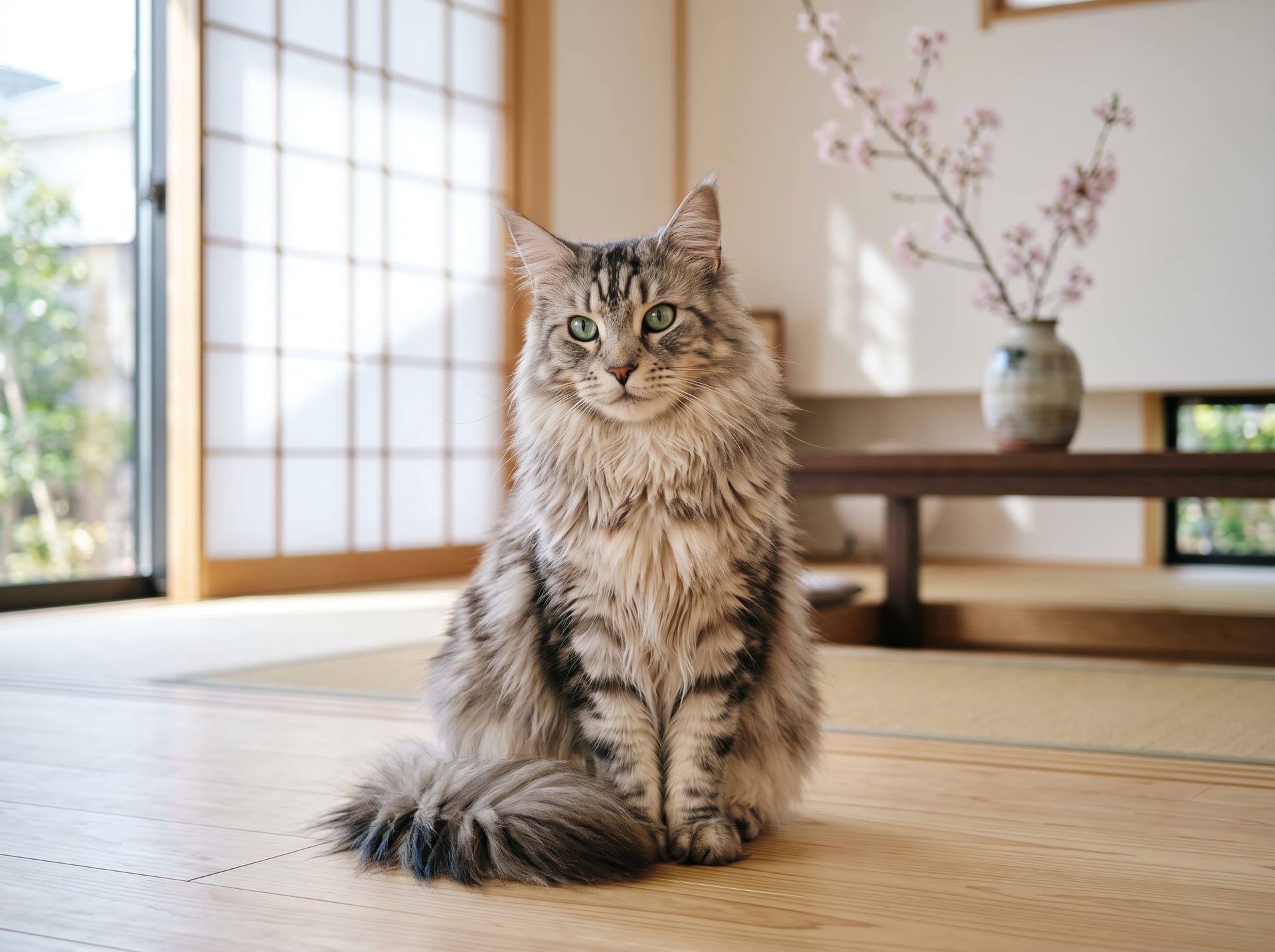
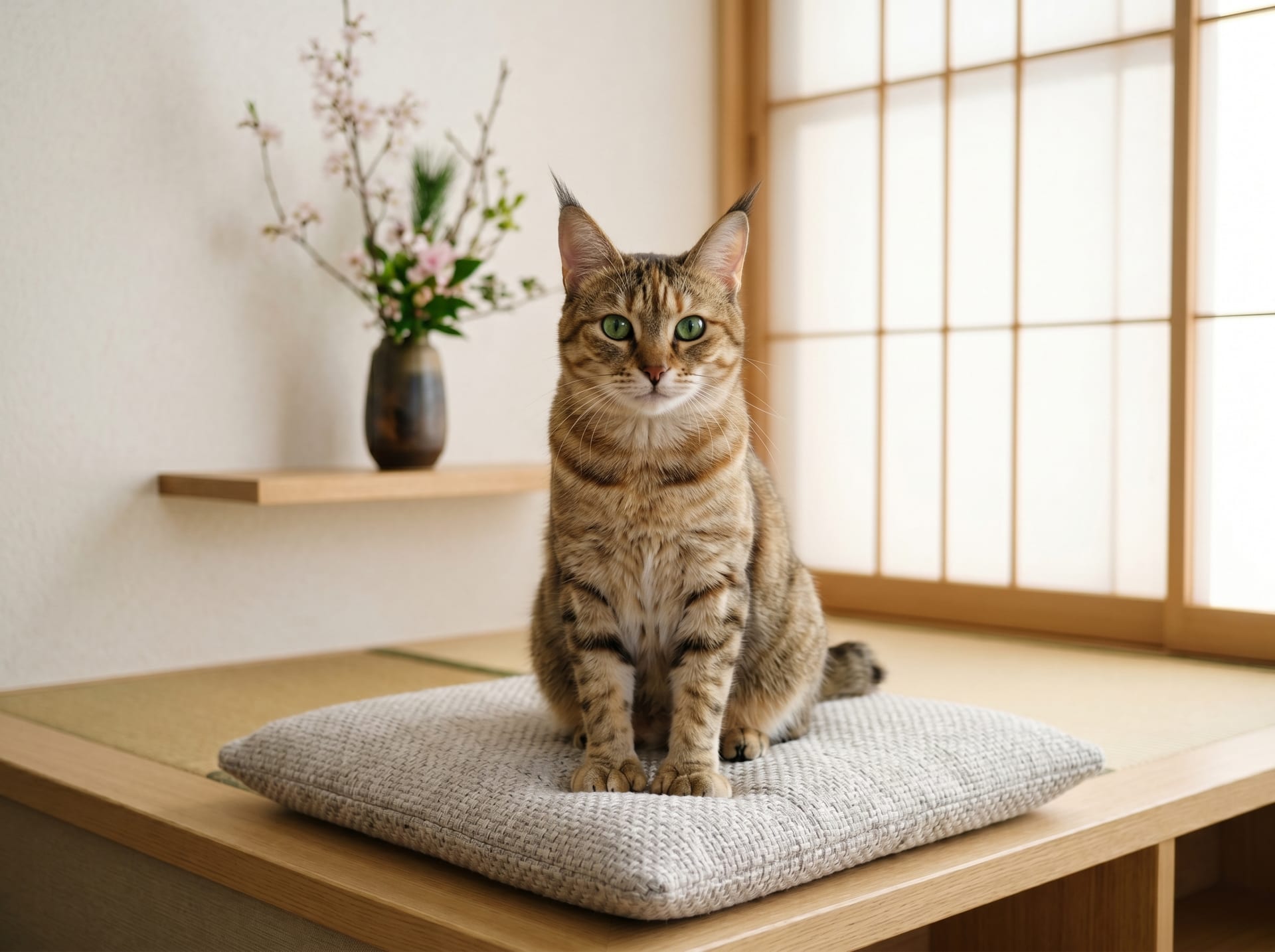
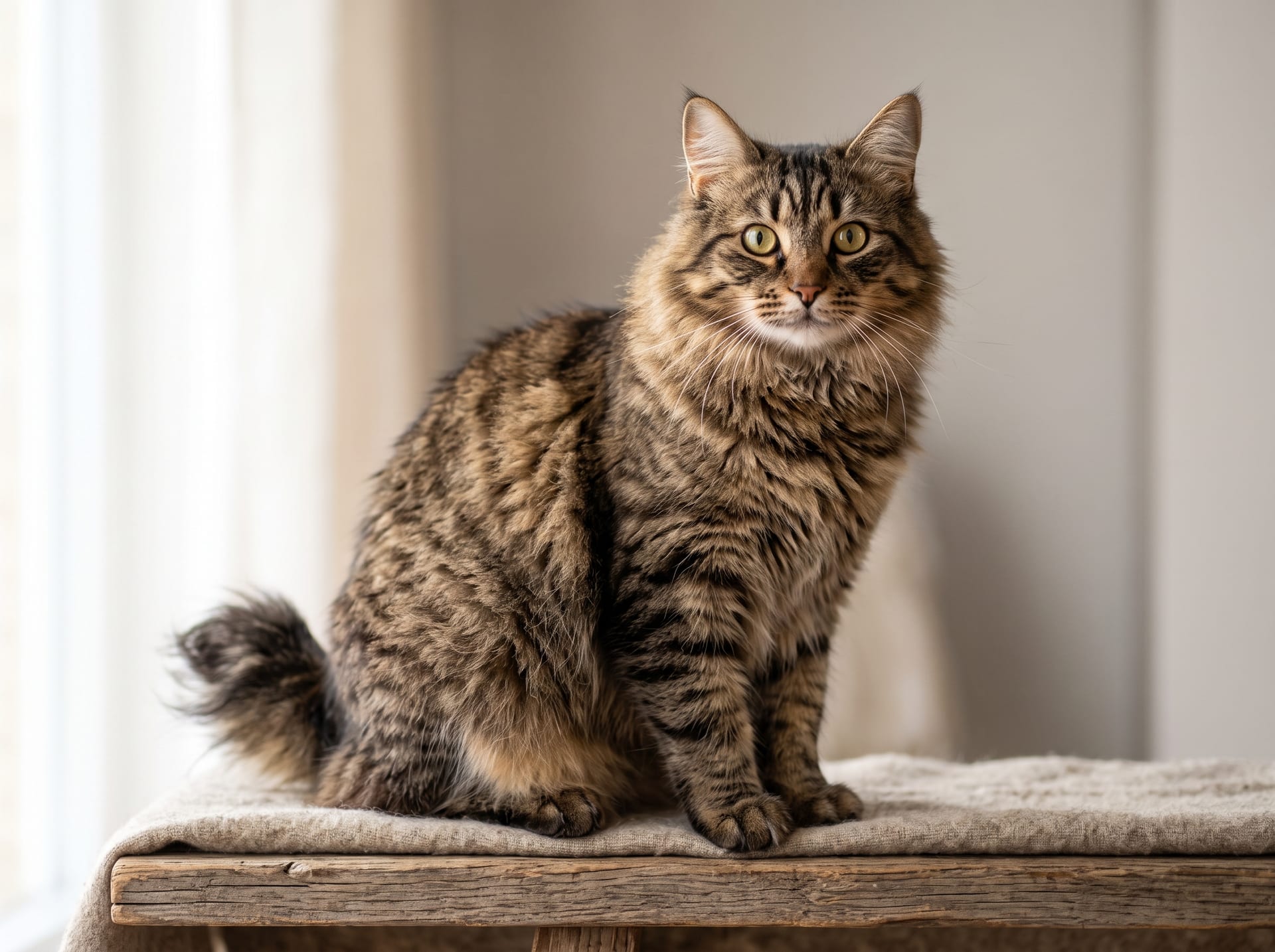
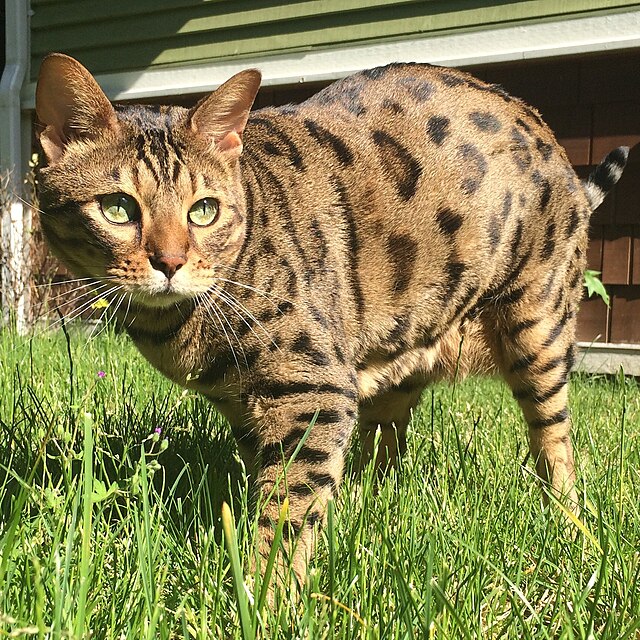
Large spotted cat from Bengal and Ocicat cross. Cheetah-like spotted pattern with muscular build. Gentle and social.
The Cheetoh is a hybrid designer breed developed in the United States beginning in 2001 by breeder Carol Drymon, created by crossing the Bengal with the Ocicat to produce a large, spotted domestic cat resembling a small cheetah. Cheetohs are large, muscular cats with a striking spotted coat pattern combining the bold rosettes of the Bengal and the spots of the Ocicat. Despite their wild appearance, they are exceptionally gentle, social, and affectionate, often described as dog-like in their devotion to their families. They are highly active cats that thrive with space to exercise. The breed is not recognized by major cat registries.
產地
United States
壽命
12-14 years
體型
Weight 4.5-10kg
溫度
18〜28℃
Cat food (complete nutrition)
Gentle and social, follows owner around like a dog
Active and playful. Spacious exercise area recommended
Short spotted coat. Weekly brushing sufficient
United States
Intermediate. 這是一個中級難度的物種。建議有一定的飼養經驗和環境管理知識。
Cheetoh的理想溫度為18〜28℃。避免溫度驟變,保持穩定的環境。
Cheetoh的平均壽命為12-14 years。透過適當的護理和營養,牠們可以長壽健康地生活。
Cheetoh成年後通常可達Weight 4.5-10kg。大小可能因飼養條件和個體遺傳而異。
Cheetoh的食物為:Cat food (complete nutrition)。目標是適當的餵食頻率和均衡的飲食。
Cheetoh的價格因品系、大小和血統而有很大差異。請查看我們的市場價格頁面獲取最新價格資訊。
尋找此物種的商品
瀏覽Cat商品Complete Beginner's Guide to Keeping a Cat
Everything beginners need to start keeping a cat: preparation, litter, feeding, indoor environment, and popular breed tips.
Top 10 Popular Cat Breeds Compared — Temperament, Size & Ease of Care
Detailed comparison of 10 popular cat breeds: temperament, size, shedding, affection level, and overall ease of keeping.
Complete Kitten Training Guide — Litter, Scratching & Socialization
Essential kitten training during the 2-4 month socialization window: litter box success, designated scratching spots, curbing biting, and early socialization.
Cat Health Checklist — Daily Observation Points & Warning Signs
How to perform daily health checks on your cat: eyes, ears, mouth, coat, urine output, and recognizing symptoms that require a vet visit.