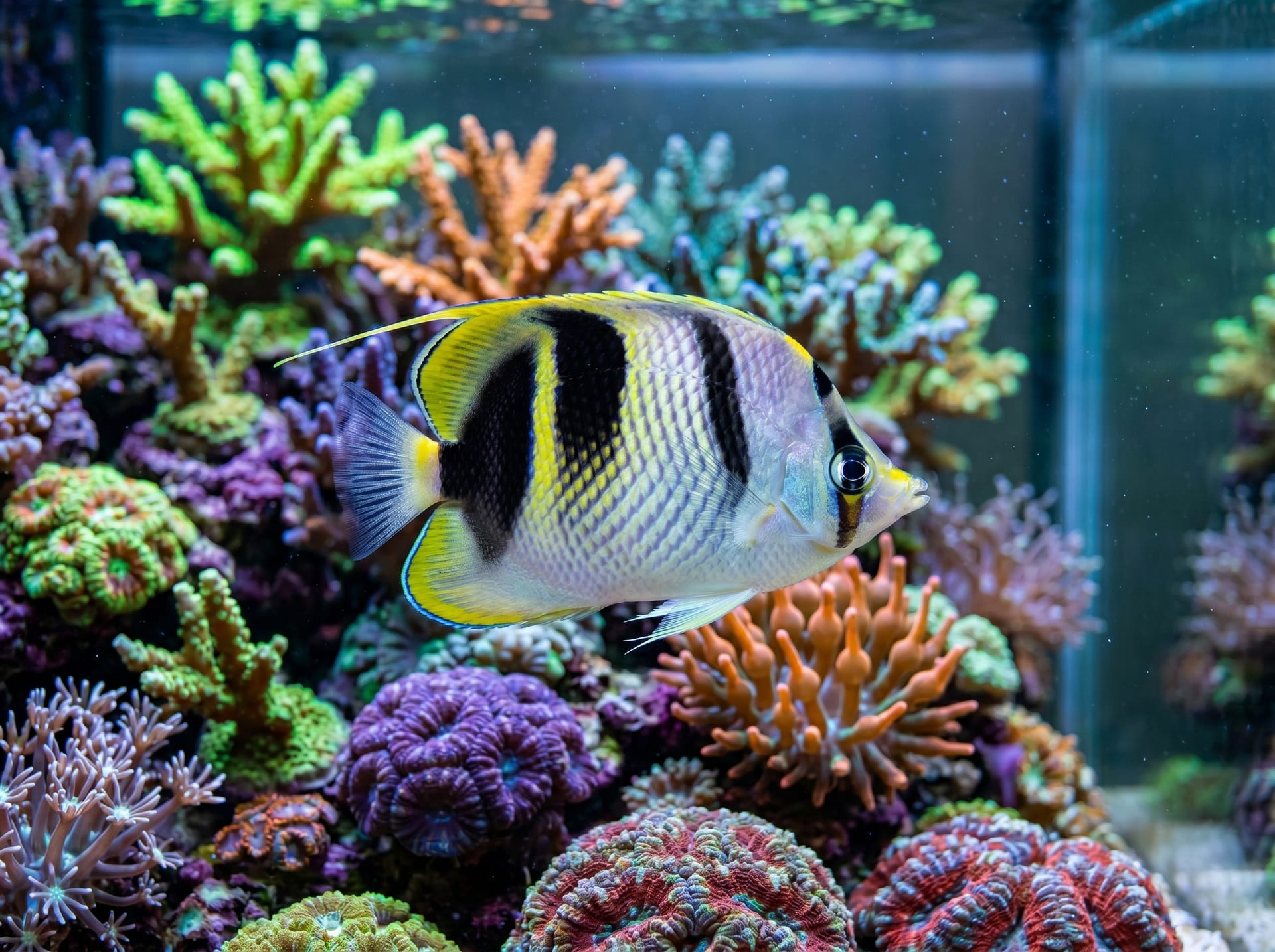
蝴蝶鱼
蝴蝶鱼是具有鲜艳色彩和独特纹样的热带海水鱼,因其优雅的泳姿而被称为"海之蝴蝶"。由于不同种类的食性和饲养难度差异很大,初学者选择相对皮实的种类很重要。作为为海水水族箱增添华彩的鱼类,蝴蝶鱼得到了众多水族爱好者的喜爱。
成交手续费0%!2026年9月30日前注册,前 2 笔成交免佣金!
繁殖者 招募中!
在BreederDirect发布商品,直接销售给全国客户!
我们承诺的6大透明化亮点
繁殖者在海水鱼・珊瑚出品中公开以下信息。避免过度捕捞的野生个体,确保养殖CB为主、推荐水箱尺寸、气质信息的透明化。
- 养殖CB
- 实物照片
- Reef-safe
- 含饲育信息
- 产地明示
- 气质明示
查看全部42个品种
没有符合条件的商品
请调整筛选条件,或在有新商品时接收通知。
「接收上架通知」需免费注册会员即可设置。当有符合您保存条件的新商品上架时,我们会通过邮件和站内通知提醒您。
已注册的繁殖者(抢先看)
关于蝴蝶鱼
蝴蝶鱼科(Chaetodontidae)广泛分布于全球热带和亚热带珊瑚礁,已知约有12属120种以上。其名字来源于其轻盈飘逸的泳姿宛如蝴蝶翩翩起舞,英文名"Butterflyfish"也蕴含同样的含义。身体呈侧扁的椭圆形,最大特点是由黄、白、黑组合而成的左右对称的鲜艳纹样。许多蝴蝶鱼眼睛周围都有黑色条纹,这既可作为伪装以隐藏眼睛逃避捕食者,也可作为与同伴的视觉信号。虽然不同种类的性格有所不同,但总体而言温和且易于观察,经过一段时间的饲养后,某些个体会主动靠近饲养者。在海水水族箱中,蝴蝶鱼被高度评价为能够瞬间营造南国海洋氛围的鱼类,作为兼具美貌和个性的鱼类,它们继续吸引着世界各地的水族爱好者。
迎接蝴蝶鱼前需要了解的7件事
1种类选择是成功的关键
蝴蝶鱼种类繁多,有些容易饲育,有些则难度较大。刺蝴蝶鱼和风来蝴蝶鱼相对皮实,被认为适合初学者。购买前一定要确认饲育难度。
2与珊瑚混养需谨慎
许多蝴蝶鱼有啃食珊瑚虫体的习性,引入珊瑚缸需要谨慎。虽然某些品种几乎不食珊瑚,但基本上应避免与珊瑚混养,或谨慎考虑。
3需要大型水槽
蝴蝶鱼活跃地游动,因此推荐使用至少120〜150L或以上的水槽。水槽过小会造成应激,容易健康受损。确保足够的游泳空间是长期饲养的基础。
4饲料投喂有时很困难
野生下它们以特定的珊瑚和底生生物为食,因此许多品种适应人工饲料需要时间。使用冷冻丰年虫、糠虾和活食,需要耐心地进行投喂。购买时选择已投喂的个体会更放心。
5彻底管理水质
蝴蝶鱼对水质变化敏感,对硝酸盐和氨积累的耐受性较弱。必须稳定维持比重1.020〜1.025、水温24〜26℃,定期换水和强大的过滤系统是必不可少的。
6谨慎选择混养伙伴
蝴蝶鱼之间可能因种类产生领地争斗,同种或近缘种混养需谨慎进行。与温和的海水鱼相处融洽,但与攻击性强的鱼混养会造成压力。
7对鱼病的早期应对很重要
蝴蝶鱼易患白点病(隐核虫病,Cryptocaryon)。若体表或鳍部出现白色斑点,应尽早隔离并进行适当治疗。新购入的个体应在隔离槽中观察2-4周后才能导入主缸,这是基本原则。
蝴蝶鱼的常见问题
- Q.蝴蝶鱼能在珊瑚水槽里饲养吗?
- A.取决于具体种类。长鼻蝴蝶鱼等某些几乎不食珊瑚虫体的种类适合珊瑚缸,但大多数种类会吃珊瑚,因此混养很困难。购买前必须查明该种的食性。
- Q.初学者应该选择哪个种类?
- A.刺尻蝴蝶鱼(浣熊蝴蝶鱼)和三间蝴蝶鱼对人工饲料适应较快,被认为适合初学者。从鱼店选购已开食的个体,能进一步降低饲养失败的风险。
- Q.多条蝴蝶鱼能在同一个水槽里饲养吗?
- A.同种配对可在足够大的水槽(150厘米以上)中饲养。但是异种混养可能会产生领地争斗,需要同时导入,或若已有先住鱼,需谨慎观察后再添加。
- Q.鱼不吃饵料怎么办?
- A.首先可以尝试冷冻丰年虫或糠虾等适口性高的活饵。水质恶化或压力也可能是原因,建议同时重新检查水质和隐蔽处的设置。如果拒食持续一周以上,建议咨询专业店铺或兽医。
- Q.寿命是多少?
- A.在适当的环境中饲养时,蝴蝶鱼一般被认为可活5~10年左右。在野生状态下,有些种类可活10年以上。稳定的水质、适当的饵料和低压力的环境是长寿的关键。