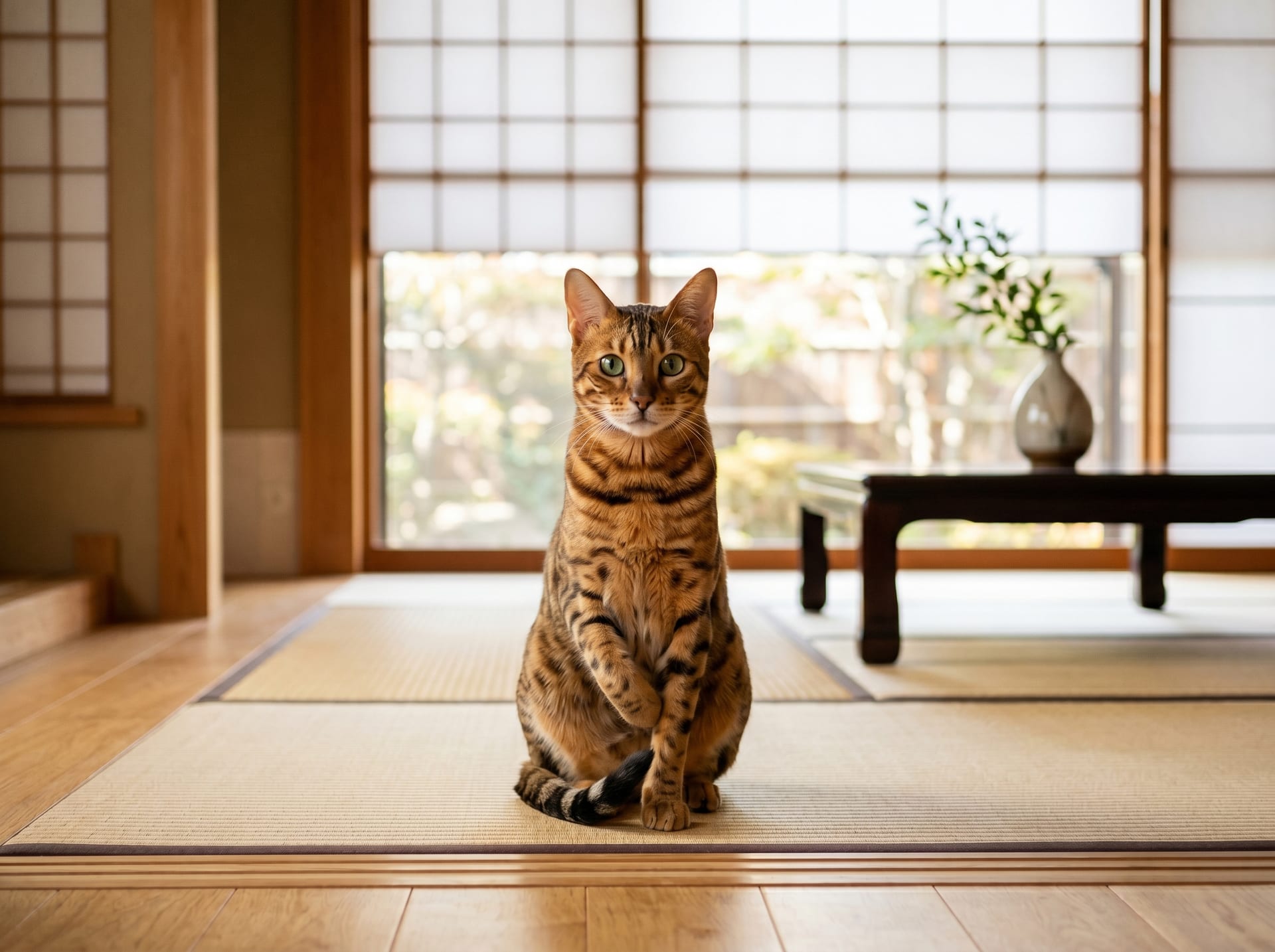
萨凡纳猫
由非洲薮猫与家猫杂交而生的大型猫。具有犬般的忠诚度和野生般的外观特征。活跃度极高,跳跃力强。饲养需要经验丰富和宽敞的环境。
View 萨凡纳猫 encyclopedia →- 价格范围
- ¥70,000〜¥238,000
成交手续费0%!2026年9月30日前注册,前 2 笔成交免佣金!
繁殖者 招募中!
在BreederDirect发布商品,直接销售给全国客户!
BreederDirect承诺的4大信任要点
在所有幼猫上市中,繁殖者均会明示以下信息。为确保直销交易的安全和透明,BreederDirect将法定义务项设为必需。
- 微芯片必需
- 疫苗接种
- 已进行健康检查
- 含血统证书
※根据《动物爱护法》(2022年6月实施),微芯片植入为繁殖业者出品的强制性要求(犬猫均适用)。
查看全部74个猫种
猫分类正在招募认证繁殖者
繁殖者正在陆续注册,即将上架。设置上架通知,不错过新商品。
「接收上架通知」需免费注册会员即可设置。当有符合您保存条件的新商品上架时,我们会通过邮件和站内通知提醒您。
萨凡纳猫的基本数据
- 饲养难度
- 适合高级者
- 寿命
- 12~20年
- 体型
- 体重3.5~11kg(因世代而异)
- 饮食
- 高蛋白猫粮。在某些情况下也可考虑生肉饮食
- 性格
- 具有犬般的忠诚度和好奇心。智商非常高,可以用牵引绳散步
- 运动量
- 需要非常高的运动量。能跳跃2米以上,需要宽敞的环境
- 被毛·护理
- 短毛斑纹。每周梳毛1次即可。
- 原产国
- 美国
- 注意事项
- 世代(F1~F5)不同,野性程度有所差异。部分地区存在饲养规制。需要宽敞的饲养环境
关于萨凡纳猫
萨瓦娜猫是一种于1980年代在美国首次培育的混种猫,由野生的非洲薮猫与家猫杂交而成。2001年获得TICA(国际猫协会)的正式认可,目前在全球的人气持续上升。外观上,萨瓦娜猫具有大而修长的体型、长颈、长腿、大耳朵,以及令人印象深刻的黑色斑纹,这些特征都让人想起其薮猫祖先。毛色以棕色斑纹虎纹为代表,但也有银色和烟灰色等多种变种。性格上,萨瓦娜猫充满好奇心,活力充沛,喜欢跟随主人,甚至可以散步,具有类似犬科动物的社交性。然而,由于其野生基因赋予的高能量,充分的运动和精神刺激是必不可少的。在日本,萨瓦娜猫仍是一个稀有品种,饲养数量较少,因其野性而优雅的外表和独特的个性,在经验丰富的猫咪爱好者中引起了广泛关注。
迎接萨凡纳猫前需要了解的7件事
1确认世代(F值)
薩凡納貓按F1至F5及以後代次分類,F1、F2代獰貓血統濃厚,體型較大,野性氣質較強。F3代開始變得接近家貓,容易飼養,因此初次飼養時考慮F4、F5及以後代次較為實際。
2需要宽敞的活动空间
薩凡納貓垂直跳躍能力強,能輕鬆使用2米以上高度的貓爬架或架子。在狹小的單房間裡獨自飼養容易導致運動不足和壓力,因此寬敞的生活環境更為理想。最好還能提供大型圍欄或安全的戶外活動空間。
3喜歡水的個體較多
薩凡納貓繼承了獰貓的習性,許多個體對水充滿興趣,經常表現出玩水、試圖觸碰水龍頭的行為。為防止它們未授權進入浴室和造成水患,需要做好門的管理和用水區域的防護。通過設計合適的水遊玩具來適當滿足這一特性會很有幫助。
4社交能力需要早期訓練
從幼貓期開始讓它充分適應人類和其他寵物,成年後仍會保持友好和易於駕馭的性格。特別是F1、F2代個體警戒心較強,所以從幼年期就開始逐步接觸和提供多樣刺激很重要。社會化不足可能導致對陌生人過度警戒甚至出現攻擊性行為。
5飼養成本較高
由於薩凡納貓是稀有的混合品種,幼貓的購買價格因F世代而異,可能達到數十萬至百萬日元以上。由於體型較大,食量也更多,飼料和定期動物醫院護理的費用也往往高於普通貓。事先計算長期飼養成本很重要。
6确认法律和地方政府规制
在日本,饲养萨凡纳猫本身通常是可行的,但F1、F2世代含有较高浓度的薮猫血统,因此根据不同的自治体,可能会受到关于特定动物的法规限制。在开始饲养之前,务必向您所在地的自治体或动物保护部门确认,并获取必要的备案或许可。
7聪慧且喜欢调皮
萨凡纳猫学习能力强,可能会自学开门、操作抽屉、按动开关等技能。为了满足它们的求知欲,建议将益智喂食器和技巧训练等需要动脑的游戏融入日常活动中。如果缺乏足够的刺激,它们容易因压力而破坏家具或出现问题行为。
萨凡纳猫的常见问题
- Q.初学者也能饲养萨凡纳猫吗?
- A.F4、F5及其后代世代相对容易饲养,有过养猫经验的人可能能够应对。但由于需要提供能满足其高能量和高智力的环境和时间,这个品种更适合具有一定饲养经验的人,而不是完全的初学者。
- Q.可以和其他猫或狗一起生活吗?
- A.如果进行充分的社会化和谨慎的引入程序,它们通常可以与其他猫和狗共存。但由于它们活泼且容易占据主导地位的特性,需要注意相容性和引入期间的环境布置。谨慎评估与现有宠物性格的相容性很重要。
- Q.可以喂普通的猫粮吗?
- A.高品质蛋白质含量丰富的猫粮较为适合,许多饲养者更倾向于无谷物或生肉基础的食物。由于体格较大能量消耗也多,需要根据体重和活动量调整喂食量。关于饮食内容,建议咨询信誉良好的饲养者或兽医。
- Q.寿命有多长?
- A.在适当的饲育环境和定期兽医护理下,通常能活12~20年左右。作为混合品种,它们具有强健的体质,但也应了解肥大型心肌症等遗传风险。通过定期健康检查力求做到早期发现、及时应对。
- Q.能散步和进行牵引训练吗?
- A.萨瓦那猫是猫科动物中特别适合牵引训练的品种之一,从幼猫时期开始训练,许多情况下能够享受胸背带散步。屋外刺激有助于能量消耗,但需充分警惕脱逃风险和外来感染病。在安全环境中逐步进行训练很重要。
适合饲养萨凡纳猫的实用工具
Learn more about 萨凡纳猫 in the encyclopedia
查看萨凡纳猫的图鉴条目 →
收录饲养难度、寿命、体长、食性等基础数据。