成交手续费0%!2026年9月30日前注册,前 2 笔成交免佣金!
繁殖者 招募中!
在BreederDirect发布商品,直接销售给全国客户!
BreederDirect承诺的4大信任要点
在所有幼猫上市中,繁殖者均会明示以下信息。为确保直销交易的安全和透明,BreederDirect将法定义务项设为必需。
- 微芯片必需
- 疫苗接种
- 已进行健康检查
- 含血统证书
※根据《动物爱护法》(2022年6月实施),微芯片植入为繁殖业者出品的强制性要求(犬猫均适用)。
查看全部74个猫种
猫分类正在招募认证繁殖者
繁殖者正在陆续注册,即将上架。设置上架通知,不错过新商品。
「接收上架通知」需免费注册会员即可设置。当有符合您保存条件的新商品上架时,我们会通过邮件和站内通知提醒您。
美国卷耳猫的基本数据
- 饲养难度
- 适合新手
- 寿命
- 12~16年
- 体型
- 体重2.5~5千克
- 饮食
- 综合营养配方的猫粮。每天2次喂食
- 性格
- 性格友好、适应力强。是能与儿童和其他宠物相处融洽的社交型猫咪
- 运动量
- 喜欢适度运动。虽然好玩,但以平稳的节奏享受
- 被毛·护理
- 有短毛和长毛两种。短毛每周梳理1次,长毛每周梳理2次即可
- 原产国
- 美国
- 注意事项
- 卷曲的耳朵软骨较硬,注意不要粗暴处理。定期清洁耳朵
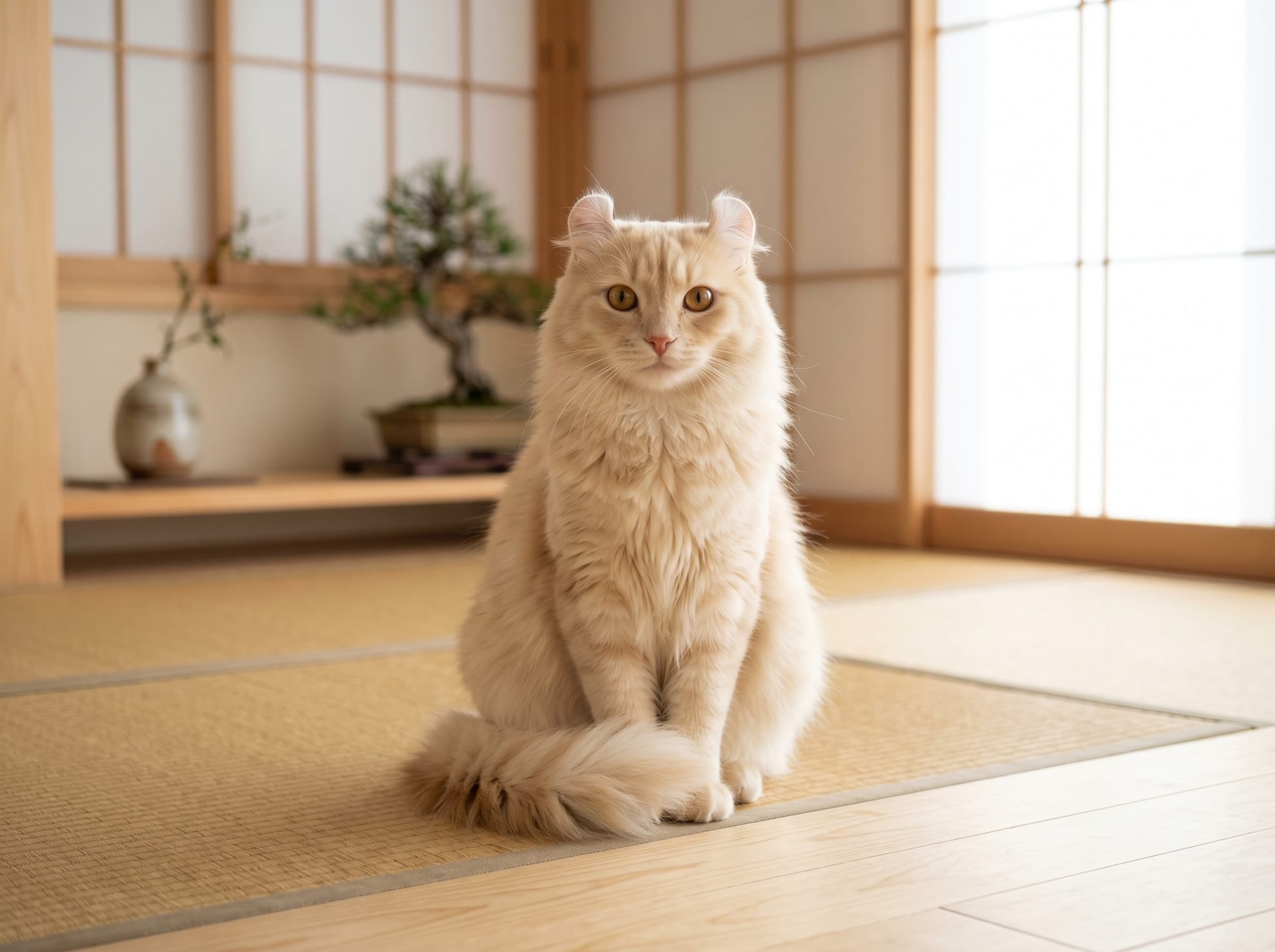
关于美国卷耳猫
美国卷毛猫的历史始于1981年,当时一只丝滑质感的流浪猫在加州莱克伍德被乔·鲁加和格蕾丝·鲁格夫妇捡起。这只猫"苏拉莫"所生小猫的耳朵向后卷曲,因此作为新品种引起关注,仅仅6年后的1987年就被国际爱猫协会(CFA)正式登记。在纯种猫中,它拥有源于自然突变的罕见起源。外观最显著的特征是由耳朵软骨变异产生的独特卷曲,卷曲的角度因个体而异。体型中等,肌肉发达,丝质的毛发和大而圆润的核桃形眼睛相结合,给人优雅的印象。性格温和而好奇,对人和动物的适应力高,容易与儿童建立良好关系。正如"永恒的小猫"这一别称所示,即使成年后仍保留爱玩的特点。遗传疾病相对较少,是初学者相对容易饲养的猫种。
迎接美国卷耳猫前需要了解的7件事
1耳朵处理需要格外谨慎
卷曲的耳朵因软骨变异,强行弯曲会导致疼痛和损伤。特别是当孩子触摸时,一定要教导他们温柔对待。定期保持耳内清洁很重要。
2小猫的耳朵不会立即卷曲
新生小猫的耳朵是竖直的,生后约2〜10天开始卷曲,大约4个月时形状固定。卷曲的程度(16〜180度)因个体而异,是否达到展示品质由卷曲角度决定。在带回家前最好确认耳朵的状态。
3分为半长毛和短毛两种类型
美国卷毛猫有短毛和半长毛(柔软的绢毛)两种。两种都掉毛较少,每周梳毛1~2次就足以维护。由于底毛较少,毛发蓬松感适中,不易产生毛团。
4社交型,但能保持适当的距离感
虽然性格亲切、喜好玩耍,但不会过度依赖。主人忙碌时能够自立生活,对独处的适应能力较强,也适合单身人士饲养。不过还是不太喜欢被完全忽视,建议每天安排几次互动时间会比较好。
5成年后依然保持玩耍之心
有时被称为"永恒的小猫",即使成年后也保持活泼好玩的特点。对玩具和高处的兴趣不易消退,所以猫爬架和互动玩具能长期发挥作用。
6遗传性疾病风险相对较低
美国卷毛猫源于野猫的自然突变,因此比一般纯种猫的近亲繁殖问题较少。不过有时会报告与耳软骨异常相关的情况,所以从信誉良好的繁殖者处获得,并定期进行兽医检查是很重要的。
7初期费用与每月运营成本
日本国内美国卷毛猫(American Curl)的购买价格大约在15万~30万日元左右,具体价格根据卷度品质和血统有所不同。每月的饲料费、消耗品、保险、定期体检等运营成本预计在1万~2万日元左右。
美国卷耳猫的常见问题
- Q.美国卷毛猫的耳朵什么时候开始卷起来?
- A.从出生后2~10天左右开始出现卷度,到4个月左右时最终形状就会固定。卷度的程度因个体而异,有时也会生出完全不卷的小猫。
- Q.可以和其他猫或狗一起饲养吗?
- A.美国卷毛猫适应能力强,与其他宠物也相对容易建立良好关系。不过任何动物都存在个体差异,所以引入时需要花时间慢慢让它们相互熟悉,这一点很重要。
- Q.掉毛多吗?梳理起来很麻烦吗?
- A.掉毛相对较少,由于底毛较薄,每周梳理1~2次就足够了。长毛种也不容易生成毛球,即使是初学者也很容易打理。
- Q.卷曲的耳朵可以摸吗?
- A.轻轻触摸没有问题,但是用力拉伸或弯折耳朵可能会伤害软骨。特别是要告诉小孩子一定要轻轻触摸。
- Q.美国卷毛猫的平均寿命是多少?
- A.一般认为寿命约为12〜16年,在猫中属于较长寿的。由于源自自然突变,遗传多样性相对保持较好,遗传性疾病较少。定期体检和均衡饮食是长寿的关键。
适合饲养美国卷耳猫的实用工具
在图鉴中详细了解美国卷耳猫
查看美国卷耳猫的图鉴条目 →
收录饲养难度、寿命、体长、食性等基础数据。