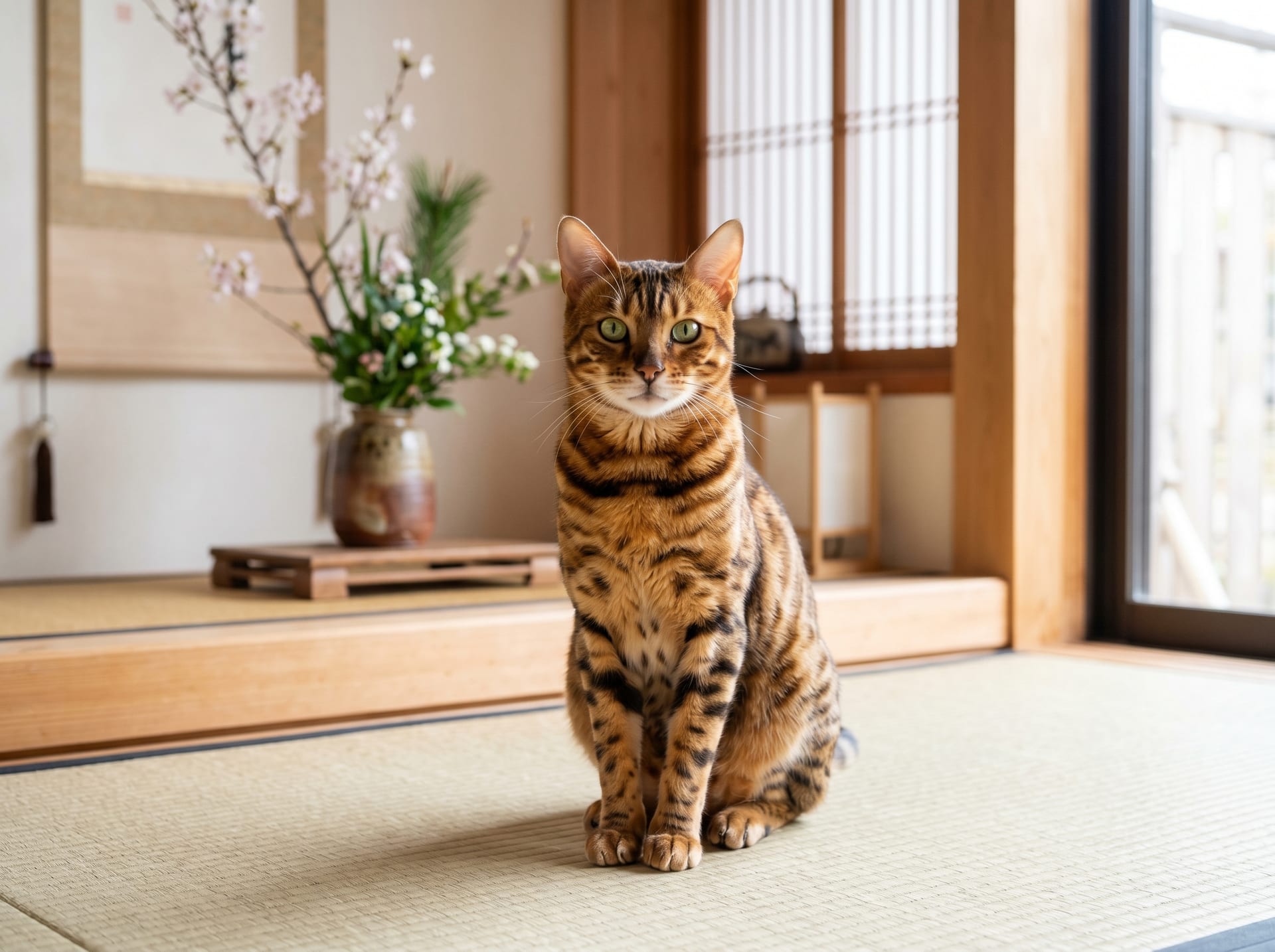
孟加拉猫
一种美丽的猫种,具有类似野生豹的斑点和大理石纹样。活跃度高、智力水平高,需要丰富的刺激来防止无聊。适合有饲养经验的人士。
View 孟加拉猫 encyclopedia →- 价格范围
- ¥70,000〜¥238,000
成交手续费0%!2026年9月30日前注册,前 2 笔成交免佣金!
繁殖者 招募中!
在BreederDirect发布商品,直接销售给全国客户!
BreederDirect承诺的4大信任要点
在所有幼猫上市中,繁殖者均会明示以下信息。为确保直销交易的安全和透明,BreederDirect将法定义务项设为必需。
- 微芯片必需
- 疫苗接种
- 已进行健康检查
- 含血统证书
※根据《动物爱护法》(2022年6月实施),微芯片植入为繁殖业者出品的强制性要求(犬猫均适用)。
查看全部74个猫种
猫分类正在招募认证繁殖者
繁殖者正在陆续注册,即将上架。设置上架通知,不错过新商品。
「接收上架通知」需免费注册会员即可设置。当有符合您保存条件的新商品上架时,我们会通过邮件和站内通知提醒您。
孟加拉猫的基本数据
- 饲养难度
- 适合中级者
- 寿命
- 12-16 years
- 体型
- Weight 3.5-7kg
- 饮食
- High-protein, low-carb cat food. Combination of wet and dry food recommended.
- Temperament
- Active, curious, and highly intelligent. Can become destructive if bored.
- Exercise
- High daily exercise and play needs. Cat trees and agility play are effective.
- Coat Care
- Short, dense coat; relatively easy to maintain. Weekly brushing sufficient.
- Origin
- United States (hybrid of Asian Leopard Cat)
- Notes
- Prone to stress without adequate exercise and enrichment. Spacious environment and toys essential.
关于孟加拉猫
孟加拉猫是一个相对较新的猫种,始于1960~70年代,由美国遗传学家琼·米尔将家猫与亚洲豹猫杂交而来。其名字源自学名"Felis bengalensis(豹猫)"。最大特点是被毛呈现野生豹的斑点和大理石花纹,部分个体毛发具有被称为"闪光"的光泽。身体肌肉发达柔软,骨骼结实,运动能力出众。性格好奇心强,亲人友善,喜欢与主人互动,同时保有独立性。由于智力高、活跃度高,对寻求挑战的主人而言可成为理想伴侣,但这个品种适合能为其提供充足时间和生活环境的人士。
迎接孟加拉猫前需要了解的7件事
1运动量非常大
孟加拉豹纹猫是家猫中运动量最多的品种之一,整天不断地跑动、攀爬和跳跃。如果不能每天提供足够高的猫爬架和充足的玩耍时间,可能会导致破坏家具的行为。建议每天至少进行2次、每次15〜20分钟的互动游戏。
2也有喜欢玩水的
许多孟加拉豹纹猫对水感兴趣,可能会用前爪拨弄饮水碗中的水,或尝试触碰水龙头的水。为了防止在水周围的调皮行为,准备循环式宠物饮水器不仅能增加饮水量,也很有帮助。需要注意关好浴室门等措施,以防止误跌。
3叫声较大
孟加拉豹纹猫情感表达丰富,在有需求或感到无聊时会发出较大的叫声。在公寓等集合住宅中,需要考虑对邻居的影响。通过适当的游戏和刺激来满足它们的需求,有助于防止过度叫唤。
4喜欢登高
孟加拉豹纹猫天生偏好高处,会试图把冰箱顶部或书架的最高层作为自己的地盘。安装足够高的猫爬架或壁挂式猫走道可以安全地满足它们的攀爬欲望。为防止跌落,应提前整理不稳定的摆件和高处的物品。
5注意遗传性疾病
据报告,孟加拉猫中存在肥大型心肌病(HCM)和进行性视网膜萎缩症(PRA-b)等遗传性疾病。从值得信赖的繁殖者迎接新猫时,建议确认亲猫的基因检测结果。定期接受兽医的心脏听诊和眼科检查,约每年1次,会更加放心。
6独处时间过长也会引起不满
社交性强的孟加拉猫不擅长长时间的独自看家,孤独可能导致问题行为。对于共同工作的家庭等白天经常不在家的情况,与另一只猫一起饲养或准备丰富的玩具来补充刺激是有效的做法。养成用监控摄像头确认情况的习惯也很有帮助。
7费用与维护成本参考
孟加拉猫幼猫的价格因品质和血统而异,一般来说15〜40万日元左右是参考价格。月度维护费(包括饲料、猫砂用品和医疗费)预计1〜2万日元左右。建议考虑加入宠物保险以应对遗传性疾病的风险。
孟加拉猫的常见问题
- Q.孟加拉猫初学者也能饲养吗?
- A.由于活动量和对智力刺激的需求很高,这个猫种更适合有过猫的饲养经验的人。即使是第一次养猫的人,只要能准备充足的时间和环境,也是可以饲养的,但重要的是事先要充分理解这个猫种的特性。
- Q.独居也能养孟加拉猫吗?
- A.一个人生活也可以饲养,但长时间不在家容易导致刺激不足,因此需要注意。可以考虑饲养两只,或者回家后安排充分的游戏时间,通过环境调整来改善这个问题。
- Q.在公寓里也能饲养吗?
- A.可以在公寓中饲养,但需要考虑叫声和活动量,并进行相应的环境设置。利用猫爬架或架子扩大竖直空间,在室内创造适合运动的环境很重要。同时建议提前考虑隔音措施和与邻居的友好相处。
- Q.掉毛和毛发护理很麻烦吗?
- A.孟加拉猫的被毛短而光滑,掉毛相对较少。通常每周梳毛1〜2次就足够了,与长毛猫相比美容工作量较少。但在换毛期掉毛可能会增加。
- Q.孟加拉猫的平均寿命是多少?
- A.孟加拉猫的平均寿命约为12〜16年。适当的饮食、定期的健康检查和低压力的环境有助于长寿。由于存在遗传性疾病的风险,建议定期检查心脏和眼睛。
适合饲养孟加拉猫的实用工具
在图鉴中详细了解孟加拉猫
查看孟加拉猫的图鉴条目 →
收录饲养难度、寿命、体长、食性等基础数据。