Reptile & Amphibian Encyclopedia — 80 Species Directory
Encyclopedia of popular reptile and amphibian species with care guides, traits, and pricing.
Featured Reptile & Amphibian
Showing 4 of 80 species
 © Hexasoft / CC BY-SA 3.0
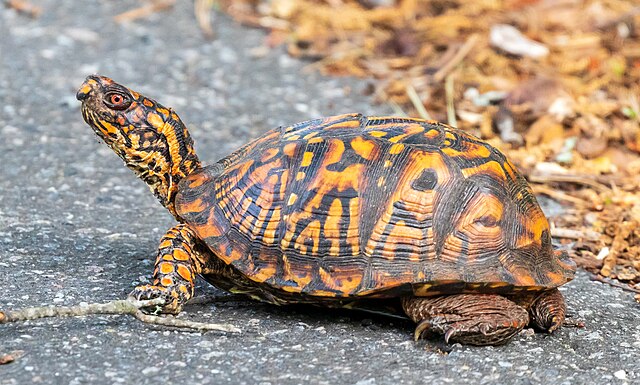
Eastern Box Turtle
Terrapene carolina
A box turtle that can completely close its shell. Hardy North American species adapted to temperate climate.
Box TurtleShell closingNorth America
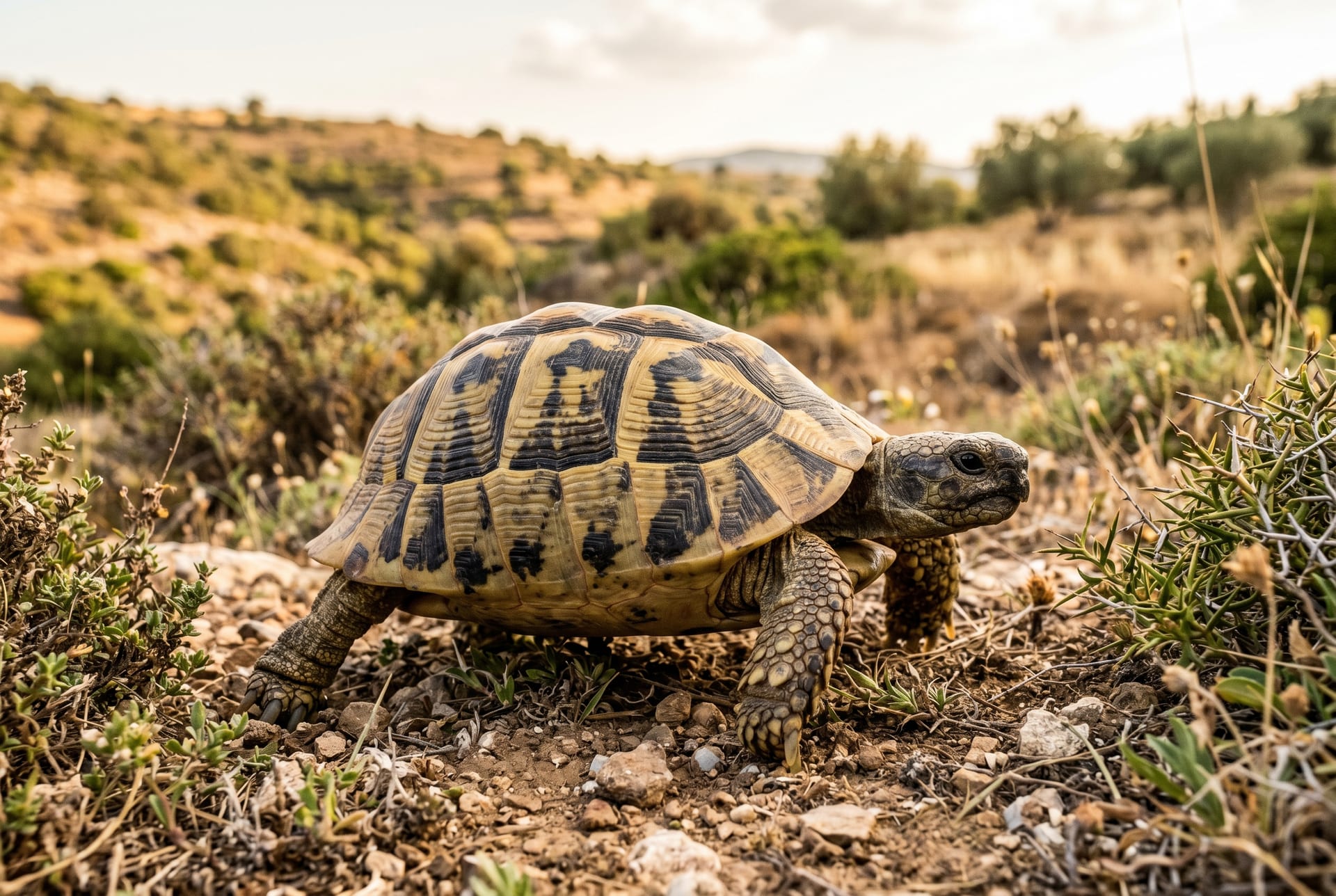
Greek Tortoise
Testudo graeca
A Mediterranean tortoise with a tan shell marked in black: hardy, adaptable, and, alongside the Russian tortoise, a classic beginner tortoise. It is listed on CITES Appendix II.
TortoiseBeginnerLong-lived
 © Generish / CC BY-SA 4.0
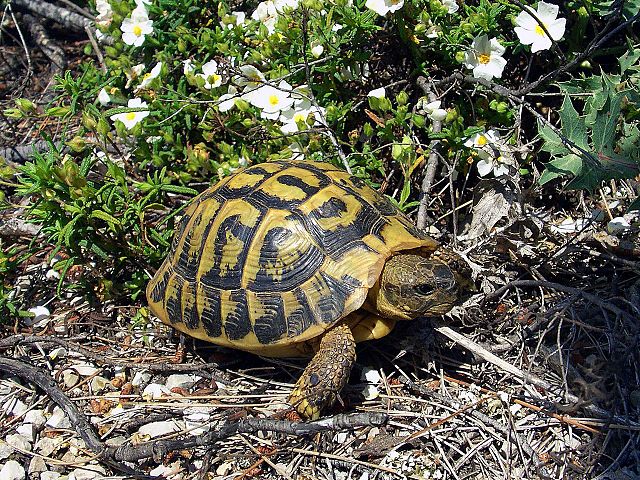
Hermanns Tortoise
Testudo hermanni
Small to medium tortoise from temperate regions. Adapts relatively well to Japanese climate. Active and curious personality.
TortoiseTemperateLong-lived
 © Bernard DUPONT from FRANCE / CC BY-SA 2.0
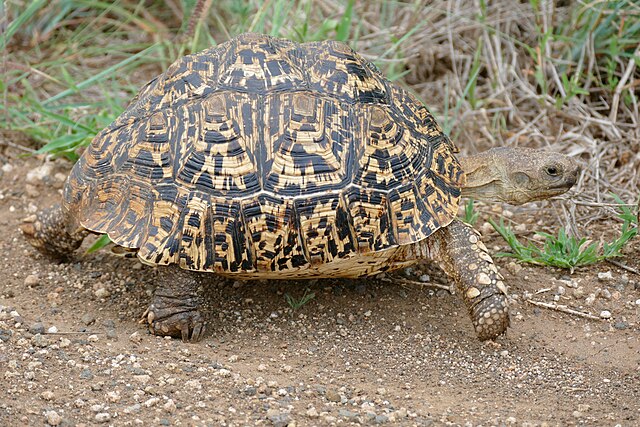
Leopard Tortoise
Stigmochelys pardalis
Large African tortoise with beautiful leopard-patterned shell. Adults exceed 40cm. Prefers warm, dry environments. Herbivorous. Adequate space is essential.
IntermediateLargeLong-lived
Related Content
Reptile & Amphibian FAQ
- Can beginners keep reptiles?
- Leopard geckos, corn snakes, and bearded dragons are hardy and easy to care for, making them popular beginner reptiles. Once you learn temperature and humidity management, long-term care is achievable.
- How much do reptiles cost?
- Leopard geckos cost 5,000-30,000 yen, ball pythons 10,000-100,000+ yen, and bearded dragons 10,000-40,000 yen, varying greatly by morph (variety).
- How long do reptiles live?
- Leopard geckos live 15-20 years, ball pythons 20-30 years, bearded dragons 8-12 years, and some tortoises 50+ years. Be prepared for long-term commitment.
- What equipment is needed for reptiles?
- Basic equipment includes an enclosure, heat sources (heat mat/heat lamp), thermometer-hygrometer, UVB light (species-dependent), water dish, and substrate. Proper temperature gradient is most important.
- What should I check when buying reptiles?
- Check that the animal is active, has clear eyes, no stuck shed, and is eating well. Captive-bred (CB) specimens adapt better to captive environments.