Exotic Invertebrate Encyclopedia — 70 Species Directory
Encyclopedia of popular exotic invertebrates—tarantulas, scorpions, centipedes and more—with care guides, traits, and difficulty levels.
Showing 29 of 70 species(25–29)
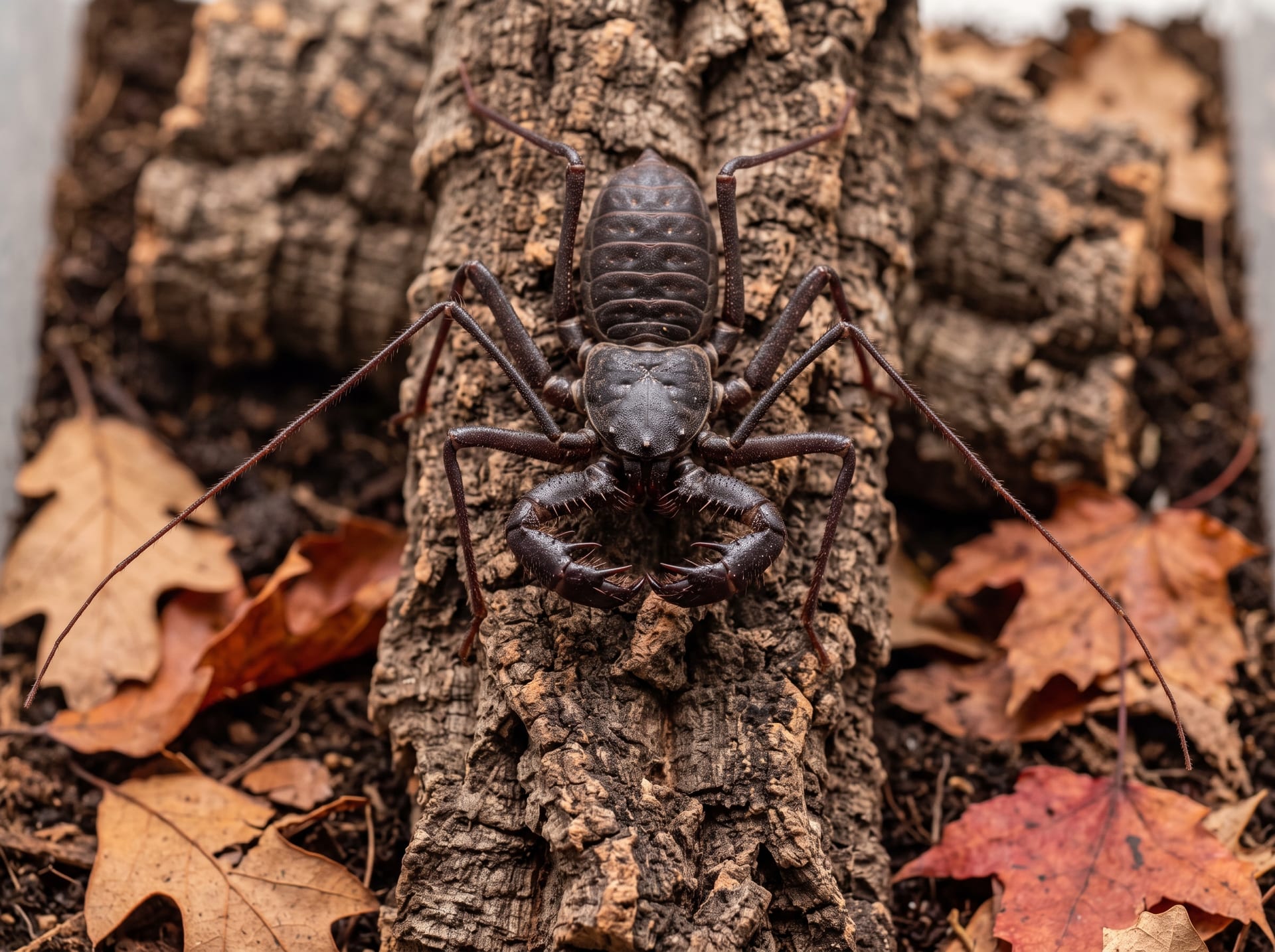
Tailless Whip Scorpion (Whip Spider)
Damon diadema
A flattened arachnid with whip-like antenniform front legs and spiny raptorial pedipalps used to seize prey. Harmless to humans — no venom, no sting, no silk — and prized for its alien, bark-hugging appearance.
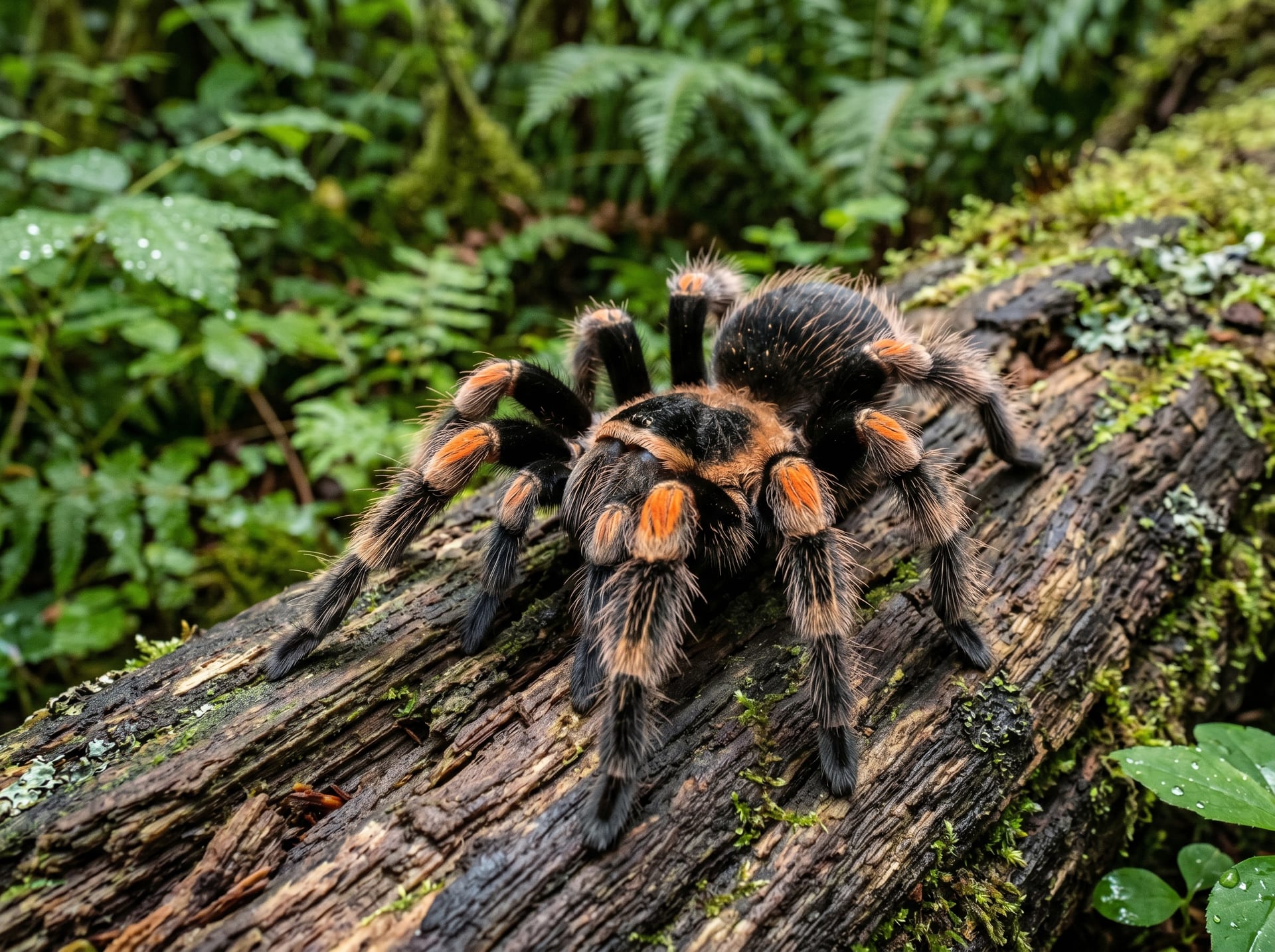
Tarantula
Among the worlds largest spiders. Despite hairy appearance, many species are docile. Mexican Red Knee popular for beginners.
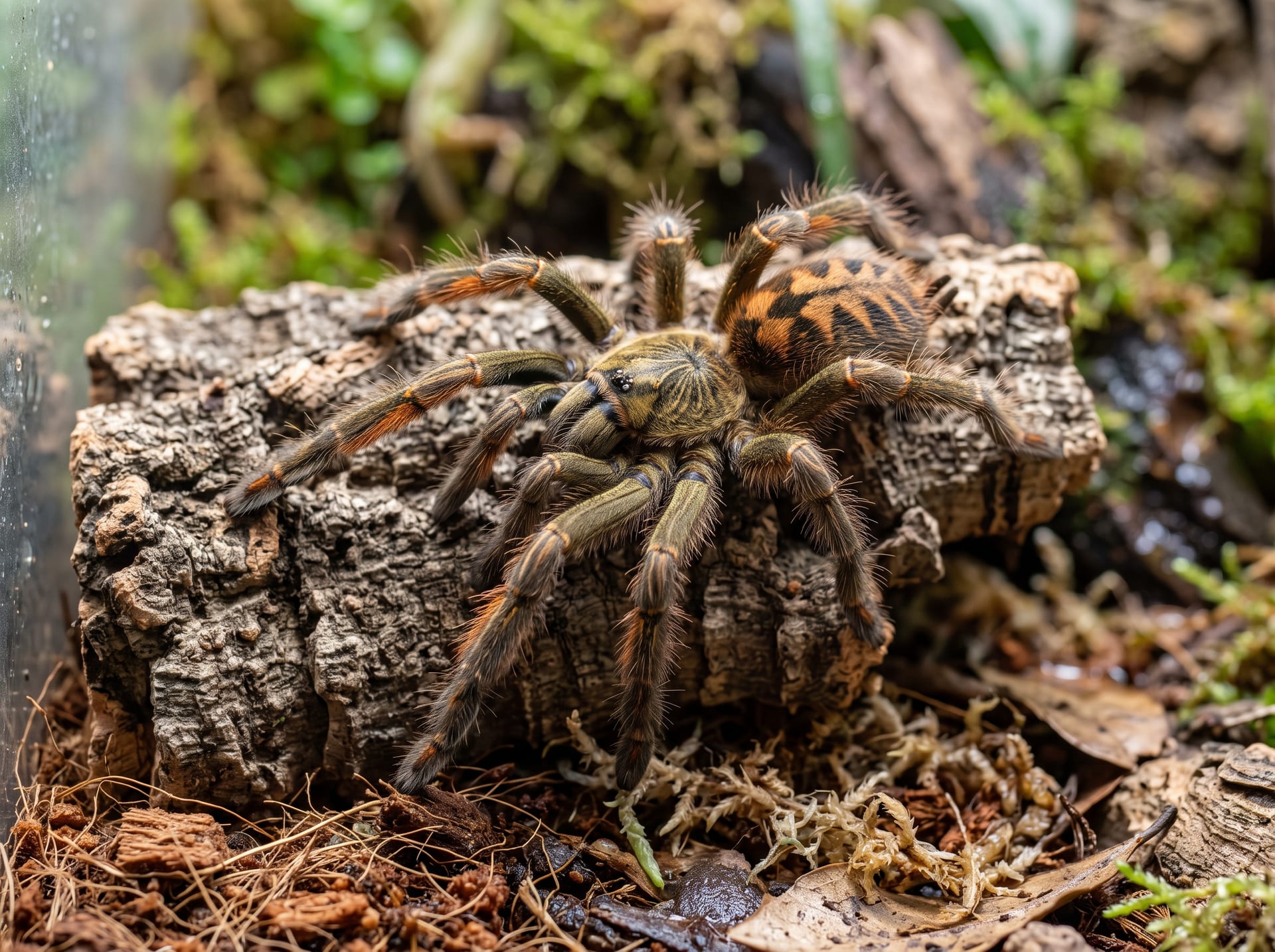
Trinidad Chevron
Psalmopoeus cambridgei
An arboreal species with chevron abdominal markings and an olive-to-russet body. It lacks urticating hairs and grows fast, but is quick and defensive with moderately strong venom.
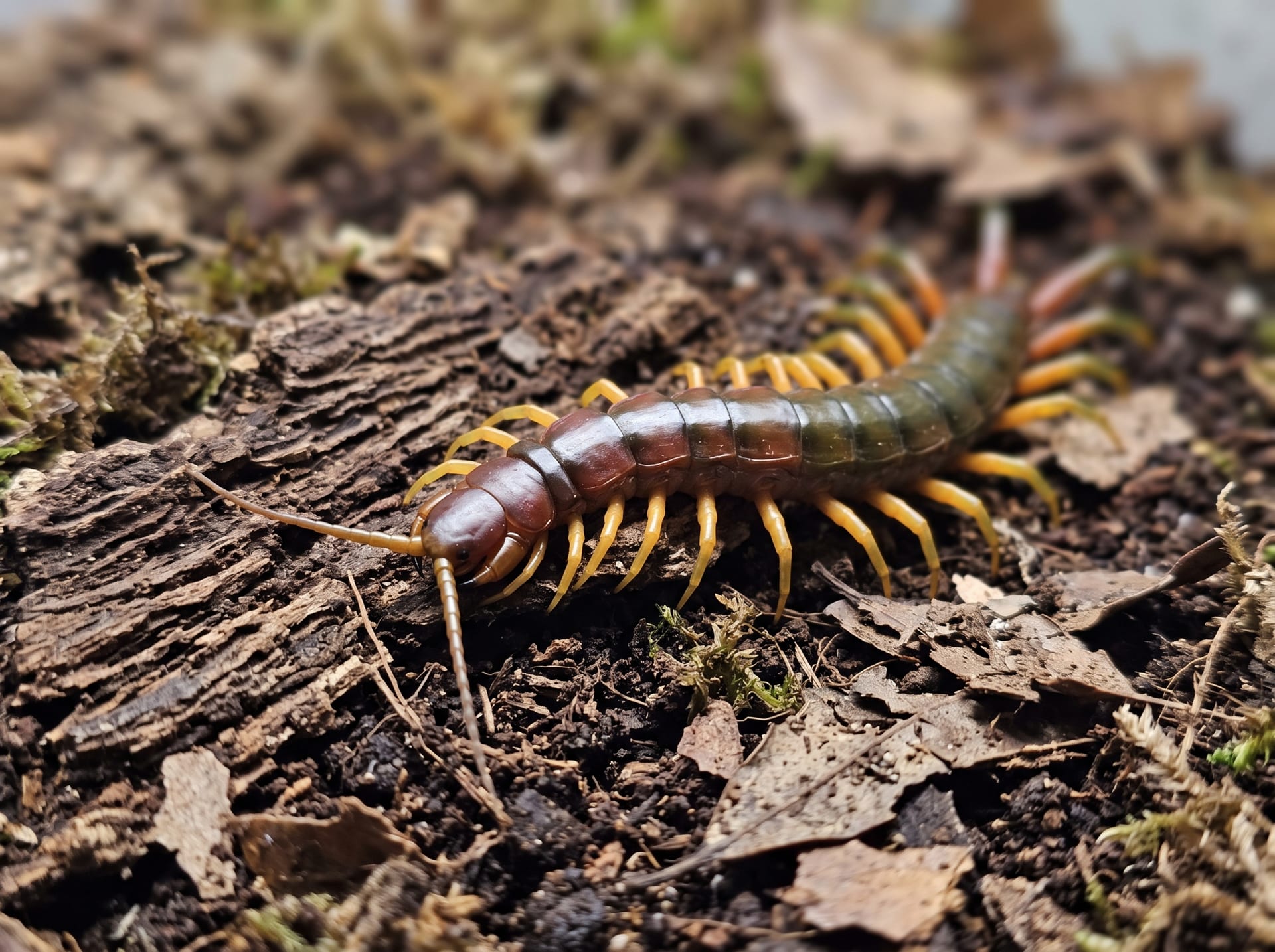
Vietnamese Giant Centipede
Scolopendra dehaani
A large Southeast Asian centipede popular as an entry point into the exotic-invertebrate hobby. It is fast, defensive, and delivers a venomous bite that causes intense pain and swelling, so handling is strongly discouraged.
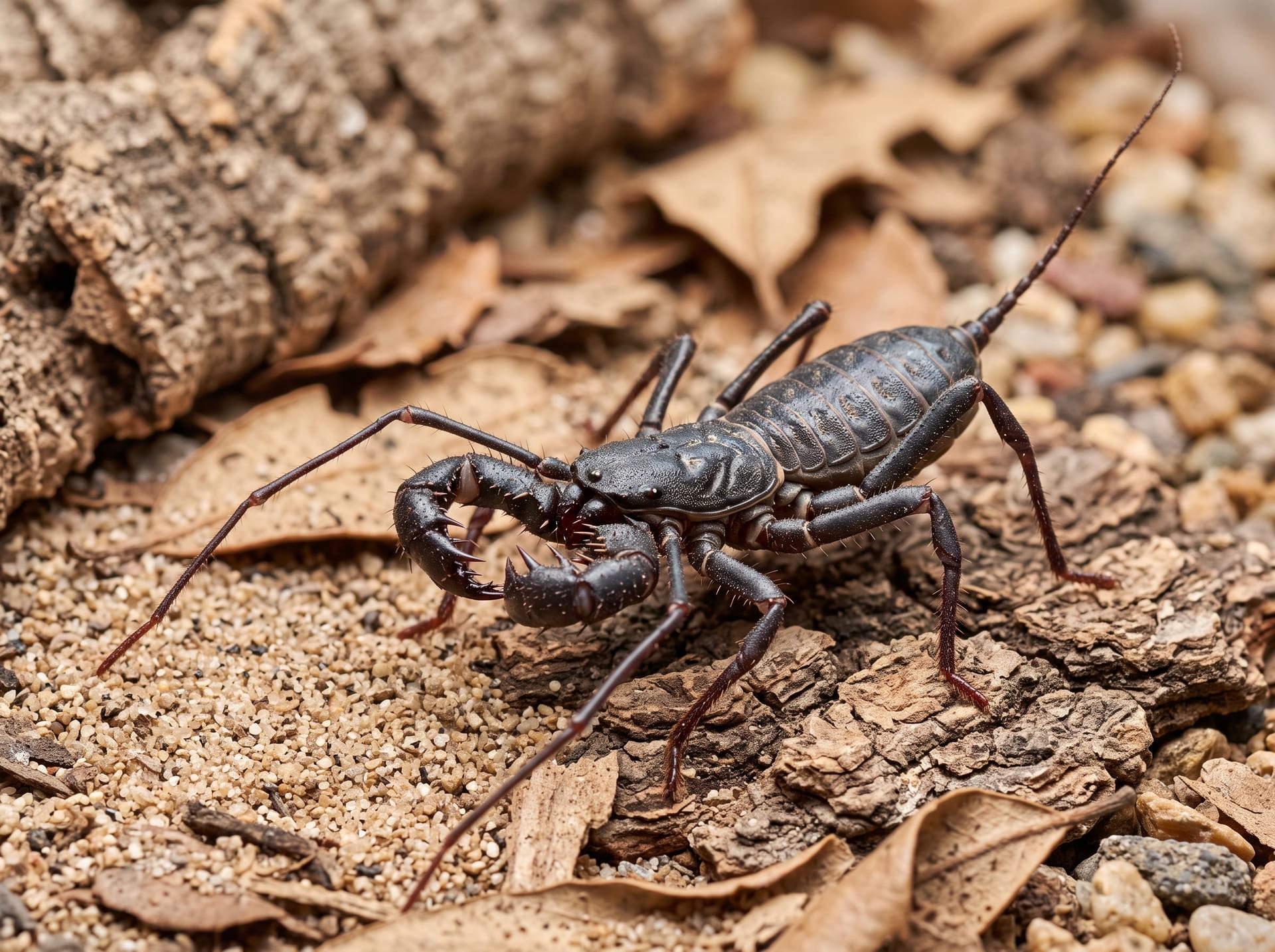
Whip Scorpion (Vinegaroon)
Mastigoproctus giganteus
Scorpion-like but non-venomous arachnid. From North/Central America. Sprays acetic acid solution for defense — hence 'Vinegaroon.' Captures prey with large pedipalps.
Related Content
Exotic Invertebrate FAQ
- What are exotic invertebrates? Can beginners keep them?
- It's a general term for invertebrates centered on arachnids and myriapods such as tarantulas, scorpions, millipedes, and whip scorpions. Hardy species like the Chilean rose tarantula and terrestrial millipedes are relatively easy to keep and popular with beginners.
- How much do exotic invertebrates cost?
- Common hardy tarantulas run 3,000-30,000 yen, while rare species exceed tens of thousands. Scorpions are around 2,000-15,000 yen and millipedes 1,000-5,000 yen. Prices vary with rarity, size, and whether the animal is captive-bred (CB).
- How long do exotic invertebrates live?
- Female tarantulas are remarkably long-lived, reaching 10-20+ years depending on species, while males live only 1-3 years after maturity. Scorpions live 5-8 years and millipedes roughly 3-10 years depending on species, with many kept long-term through repeated molts.
- What equipment is needed for exotic invertebrates?
- Basics include a secure enclosure, substrate (moisture-retaining or dry depending on species), a shelter, and a water dish. Many species need heating, so prepare a heat mat and a thermometer-hygrometer. Arboreal tarantulas need height and climbing structures, while burrowing species need deep substrate.
- What safety precautions apply to exotic invertebrates?
- While most tarantulas have mild venom, urticating hairs and bites can trigger allergic reactions. Some scorpions and centipedes are venomous enough to require medical attention, so always research each species' risks in advance. Keep enclosures securely sealed and locked to prevent escapes.