成交手續費 0%!2026年9月30日前註冊,前 2 筆成交免佣金!
繁殖者 招募中!
在 BreederDirect 上架,直接銷售給全國各地的客戶!
BreederDirect 承諾的 6 個透明度要點
刊登昆蟲時,繁殖者會明示以下資訊。我們保證成長階段與繁殖配對的透明性。
- 階段明示
- 代數明示
- 實物照片
- 繁殖單位
- 原產國
- 體長明示
查看全部26個品種
大鍬甲的基本資料
- 飼養難度
- 適合中級者
- 壽命
- Adult 2-3 years / Larva ~1 year
- 體型
- 25-85mm
- 適宜溫度
- 18〜25℃
- 飲食
- Jelly (adult) / Fungus bottle (larva)
- Enclosure
- Small-medium case. Anti-fungus gnat filter recommended
- Breeding
- Females lay in egg wood (oak/konara)
- Larva Care
- Individual fungus bottles 800-1400ml
- Notes
- Cool temps are key to large size. Keep below 25°C
關於大鍬甲
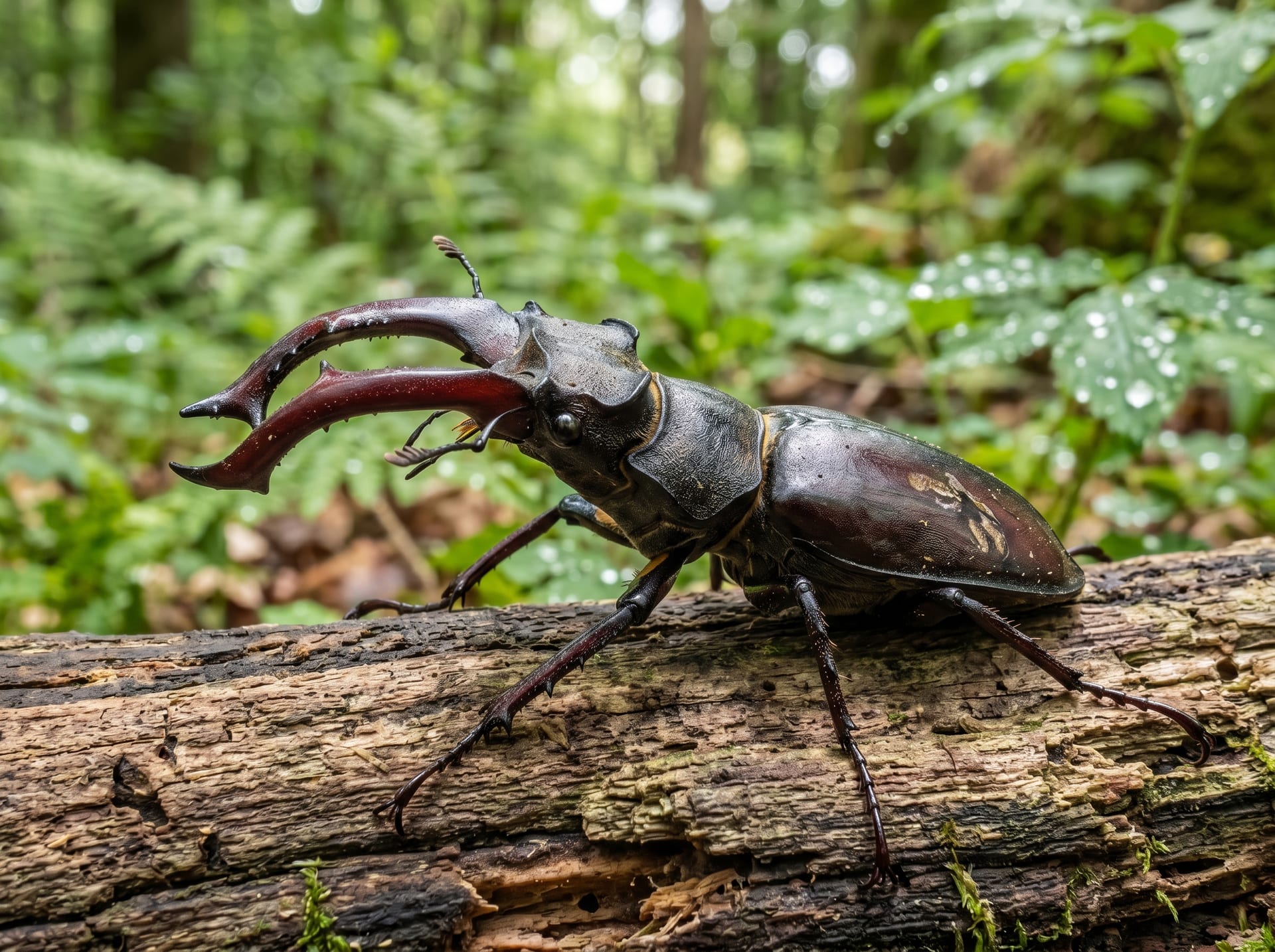
大鍬形蟲(Dorcus hopei binodulosus)生活在本州、四國和九州的雜木林中,是日本最大級別的鍬形蟲,自古以來就被親切地稱為「鍬形蟲之王」。曾經,從山區採集的個體因其稀有性而以高價交易,但現在由於人工飼育技術的建立,實現了穩定的流通,許多飼養者不斷改良大型血統。外觀最大的特點是粗壯而彎曲的大顎,大型雄蟲的體長可超過75mm。體色呈深邃的漆黑色,光澤優美,無論是標本還是活體都具有很高的觀賞價值。性格在日本鍬形蟲中相對溫馴,習慣於人工操作的個體甚至可以在手上行走。透過菌糸瓶飼育,在幼蟲期提供充足營養,易於大型化,享受到羽化過程也是其魅力之一。成蟲壽命長達2〜3年,反覆越冬,作為可長期飼養的夥伴,從初心者到高級飼養者都廣泛喜愛。
迎接大鍬甲前需要了解的7件事
1飼養箱尺寸參考
飼養一對成蟲需要配備防小蠅功能的中型飼養箱(約30cm)。交配後將雌雄分開飼養可減輕對雌蟲的壓力。如果目標是產卵,應使用較深的飼養箱,鋪上產卵木和發酵墊材。
2溫度管理很重要
大鍬形蟲怕高溫,夏季最好保持在25℃以下。超過30℃時活動會變得遲鈍,容易衰弱。應利用空調或冷卻劑,在陰涼處避免陽光直射的地方飼養。
3菌糸瓶幼蟲飼育
要將幼蟲養大,使用大平菇或栓皮栎菌系的菌絲瓶很有效。每2-3個月更換一次新瓶,當瓶內的食痕增加時就是更換的信號。幼蟲期需要1-2年,耐心管理才是養大個體的近道。
4成蟲的飼料和補水
給成蟲餵食鍬形蟲和獨角仙專用的高蛋白果凍,每週2-3次。營養價值高的昆蟲果凍對長壽和繁殖很有效。水果(香蕉、蘋果)也很受歡迎,但容易腐爛,需要經常更換。
5越冬時的注意事項
大鍬形蟲在冬季有冬眠的習性,氣溫降至10℃左右時停止活動。越冬中要保持基質濕潤,不必強行喚醒。春季氣溫升高時會自然重新活動,應安靜管理。
6配對和產卵的準備
產卵需要柔軟加水的栎樹或小葉栎產卵木,半埋在基質中。確認交配後取出雄蟲,讓雌蟲集中產卵。產卵木上有孔就是產卵的信號,1-2個月後進行割出。
7初期費用和維持費的估計
成蟲對的購買費用根據產地和個體大小而異,從幾千日圓到幾萬日圓不等。初期套裝(飼養盒、墊料、果凍、產卵木)的價格約3000-8000日圓。用菌絲瓶飼養幼蟲時,每瓶需要額外花費500-1500日圓。
大鍬甲的常見問題
- Q.飼養鍬形蟲必須要冷卻器嗎?
- A.成蟲可以短時間耐受約30℃,但維持在25℃左右的環境最為理想。幼蟲(特別是在菌絲瓶管理中的)對高溫敏感,溫度超過28℃會導致菌絲質量下降,死亡風險增加,因此夏季溫度管理至關重要。
- Q.公蟲和母蟲可以一起飼養嗎?
- A.不建議長期同居,因為公蟲可能會傷害母蟲。通常的做法是僅在交配目的的配對時期,在監督下短時間同居(1至數小時),配對結束後立即分開飼養。
- Q.從幼蟲階段飼養需要多長時間?
- A.從孵化到羽化通常需要1至2年。在菌絲瓶飼養且溫度控制在20至23℃的條件下,某些個體最快可在約1年內羽化,但若想獲得較大的個體,花費2年時間精心飼養通常能獲得更好的效果。
- Q.應該餵什麼?
- A.市售的鍬形蟲、獨角仙專用昆蟲果凍最為便利,營養均衡也很好。高蛋白果凍據說對產卵前後母蟲的體力恢復有效。它們也會食用西瓜和水果,但水分過多容易導致腹瀉,因此應僅作為輔助食物使用。
- Q.有什麼訣竅可以讓它們產卵嗎?
- A.使用充分澆濕的產卵木(選擇較軟的栎木——日本栎或槲栎),在其上輕輕覆蓋發酵墊材是標準做法。將容器放在黑暗安靜的地方,保持溫度在23〜25℃有助於促進產卵。確認交配後2〜3週將其移入產卵箱是基本標準。
適合飼養大鍬甲的實用工具
在圖鑑中詳細了解大鍬甲
查看大鍬甲的圖鑑條目 →
收錄飼養難度、壽命、體長、食性等基礎資料。