奇蟲圖鑑|全70個品種一覽
彙整狼蛛、蠍子、蜈蚣等人氣奇蟲的飼育資訊、特徵與難度的品種圖鑑。
顯示70個物種中的6個
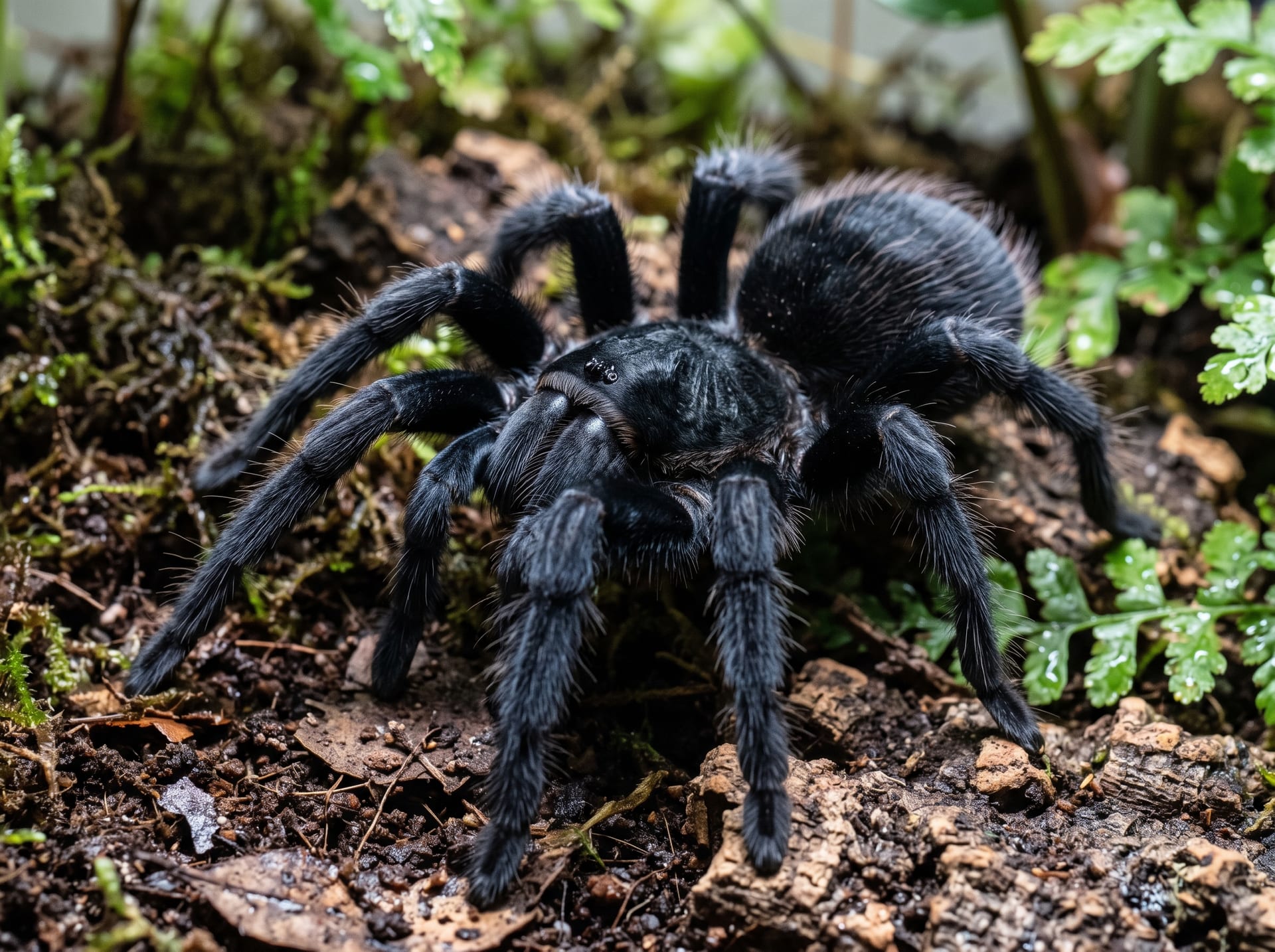
巴西黑玫瑰
Grammostola pulchra
全身被覆著深黑天鵝絨狀絨毛的南美地棲種。因其溫和的性格和美麗的黑色而廣受歡迎,是一種強壯且長壽的優良品種。
入門種地棲漆黑
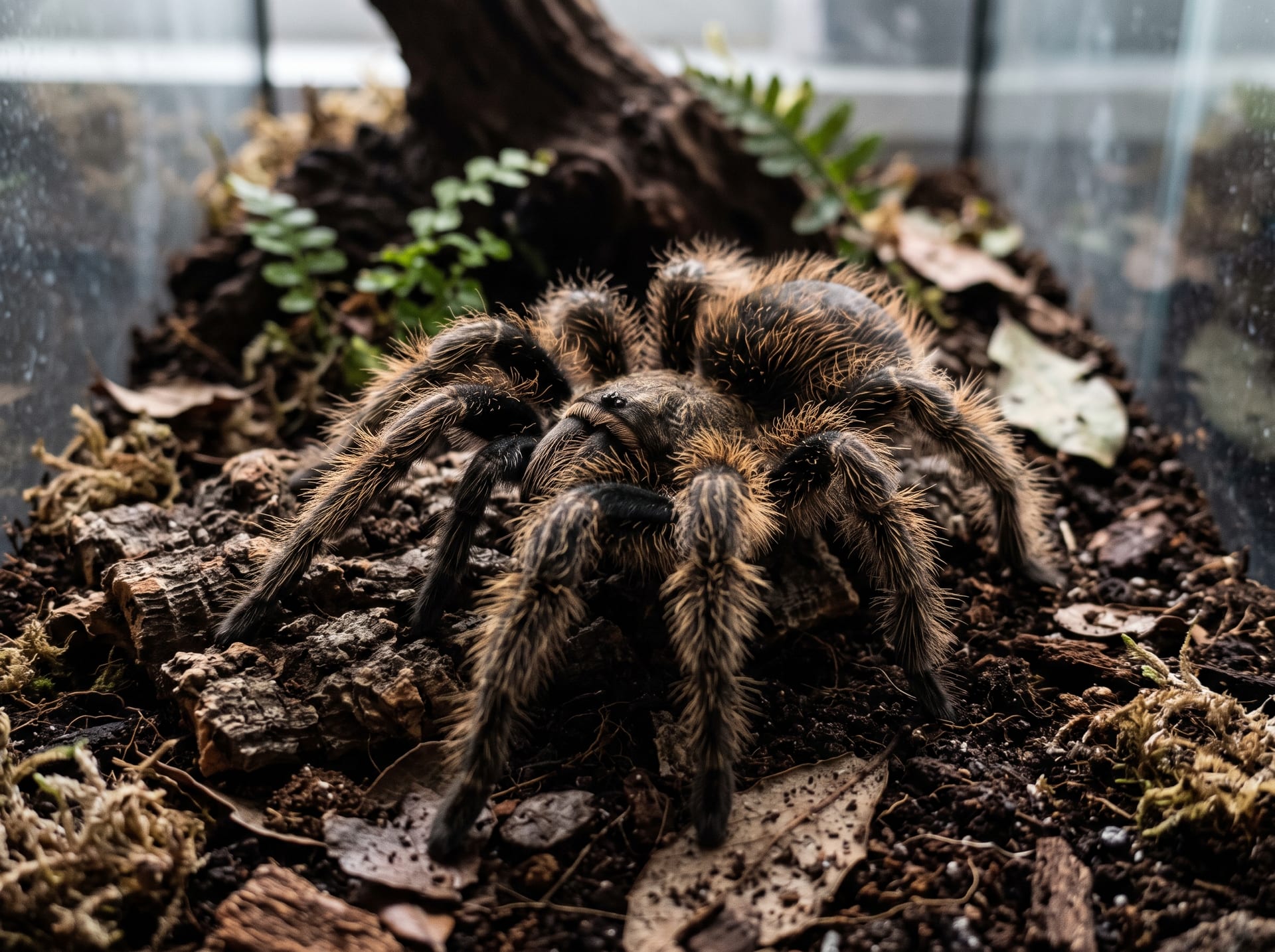
金捲毛蛛
Tliltocatl albopilosus
以覆蓋全身、閃著金色光澤的捲毛為魅力的中美地表棲種。極其強壯、性格溫和、成長快速,被廣泛推薦為入門品種。
入門品種地表棲強壯
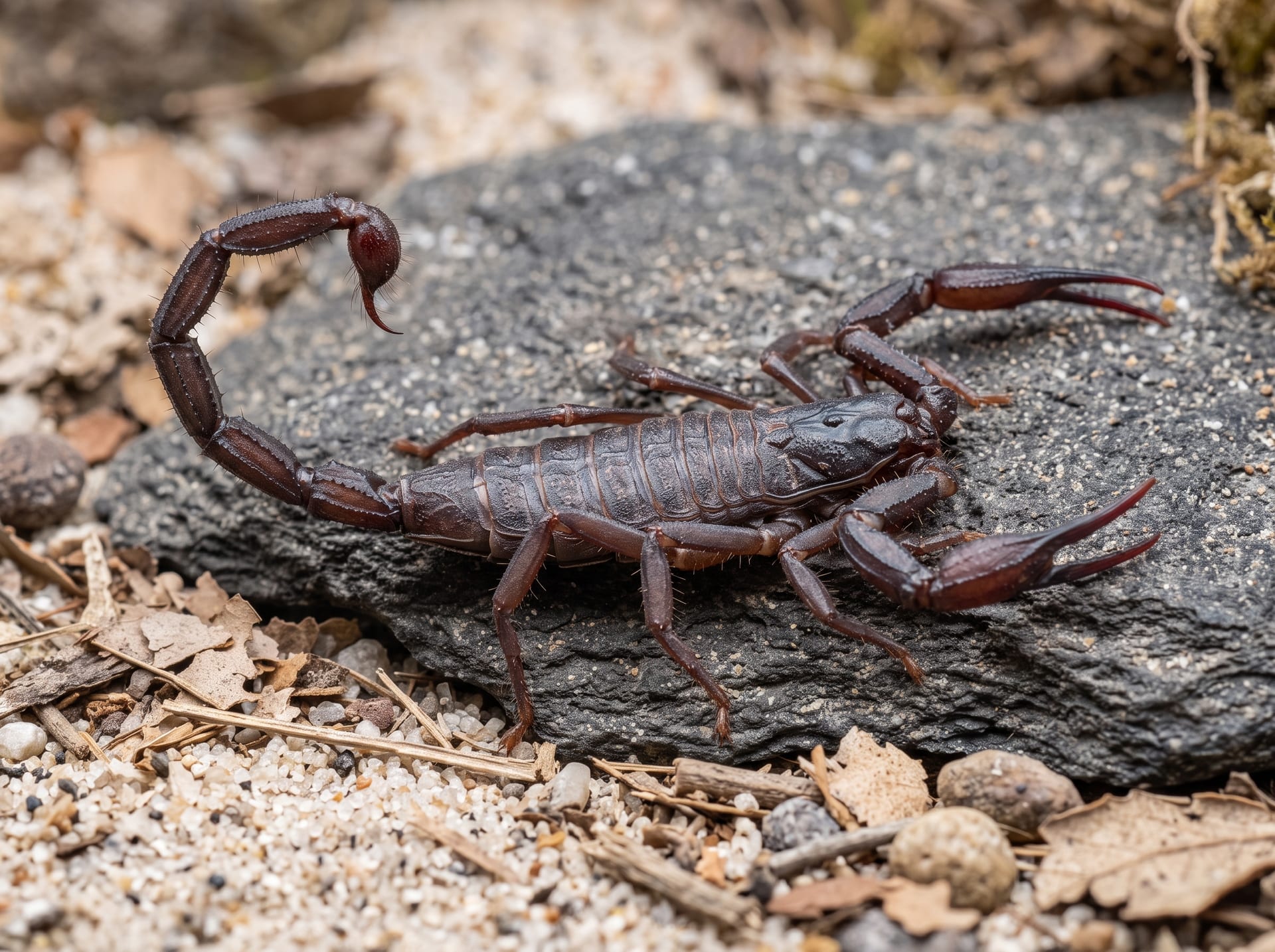
扁平岩蠍
Hadogenes troglodytes
生活在非洲南部岩石地帶的蠍子,具有極度扁平的身體。隱藏在岩石縫隙中。毒性弱,相當於蜜蜂叮咬程度,以極長的壽命而聞名。
扁平岩石地帶超長壽
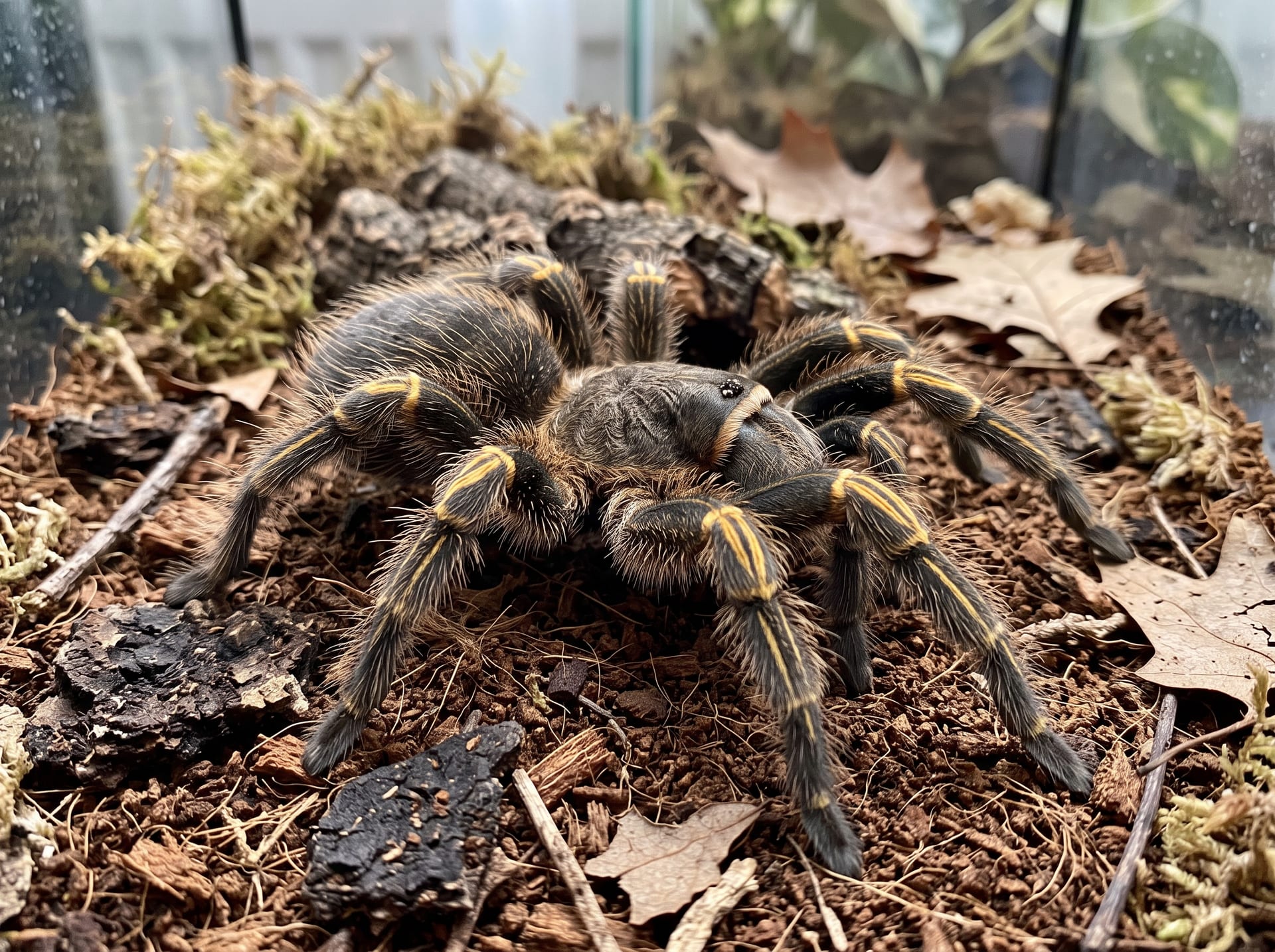
查科黃金膝蛛
Grammostola pulchripes
黑色身軀配上金色的膝部花紋,是來自南美洲的大型地表棲居種。性格溫和、外觀優美,成長速度相對較快,因此深受大型入門種愛好者歡迎。
入門種地表棲居大型
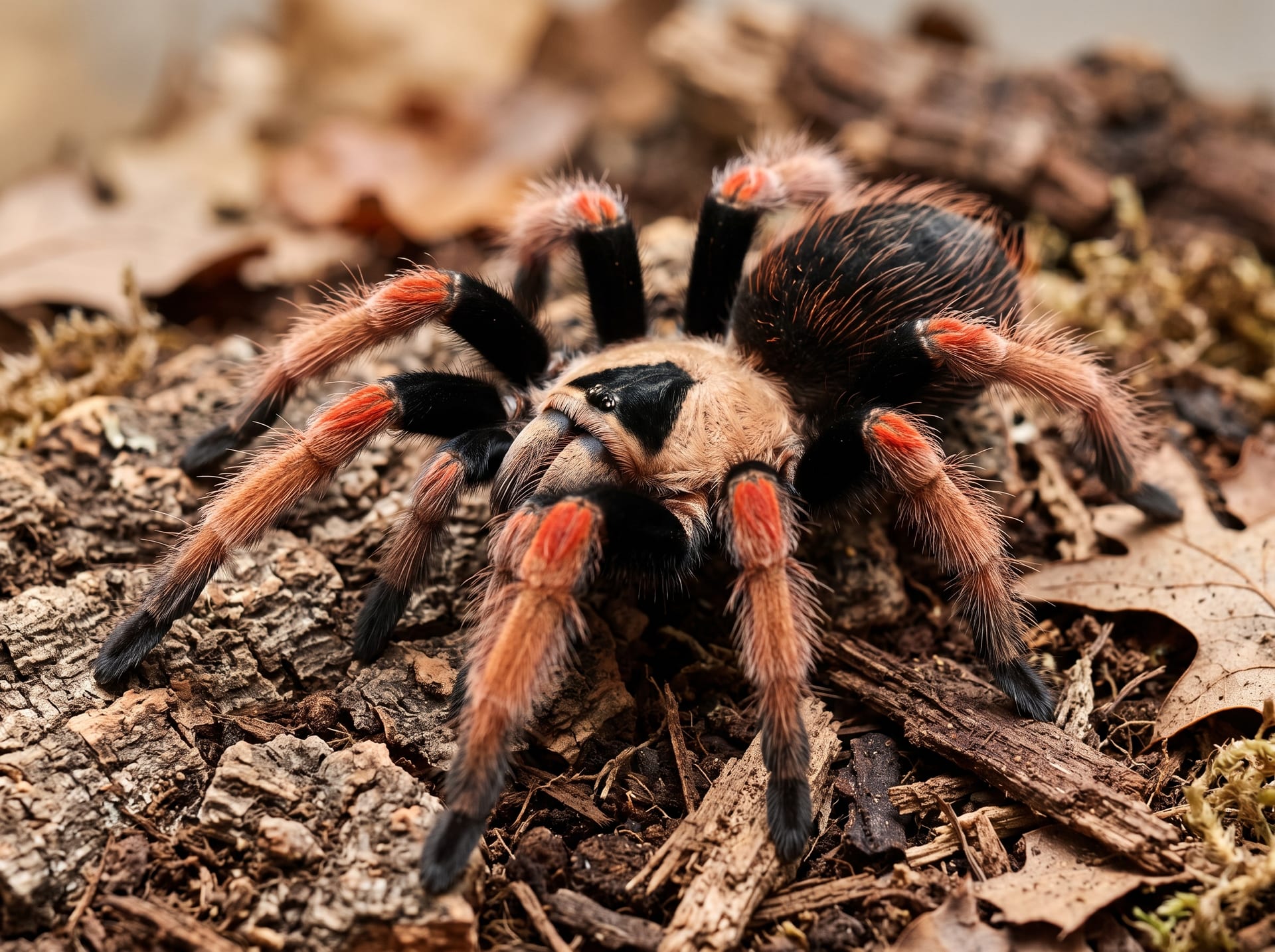
墨西哥紅腿
Brachypelma emilia
特徵為黑色身體配上紅色腿部和背面的黑色三角紋。墨西哥原產的地表棲蜘蛛。成長緩慢但性格溫和且強健,與紅膝蜘蛛並列為經典入門種。
入門種地表棲溫和
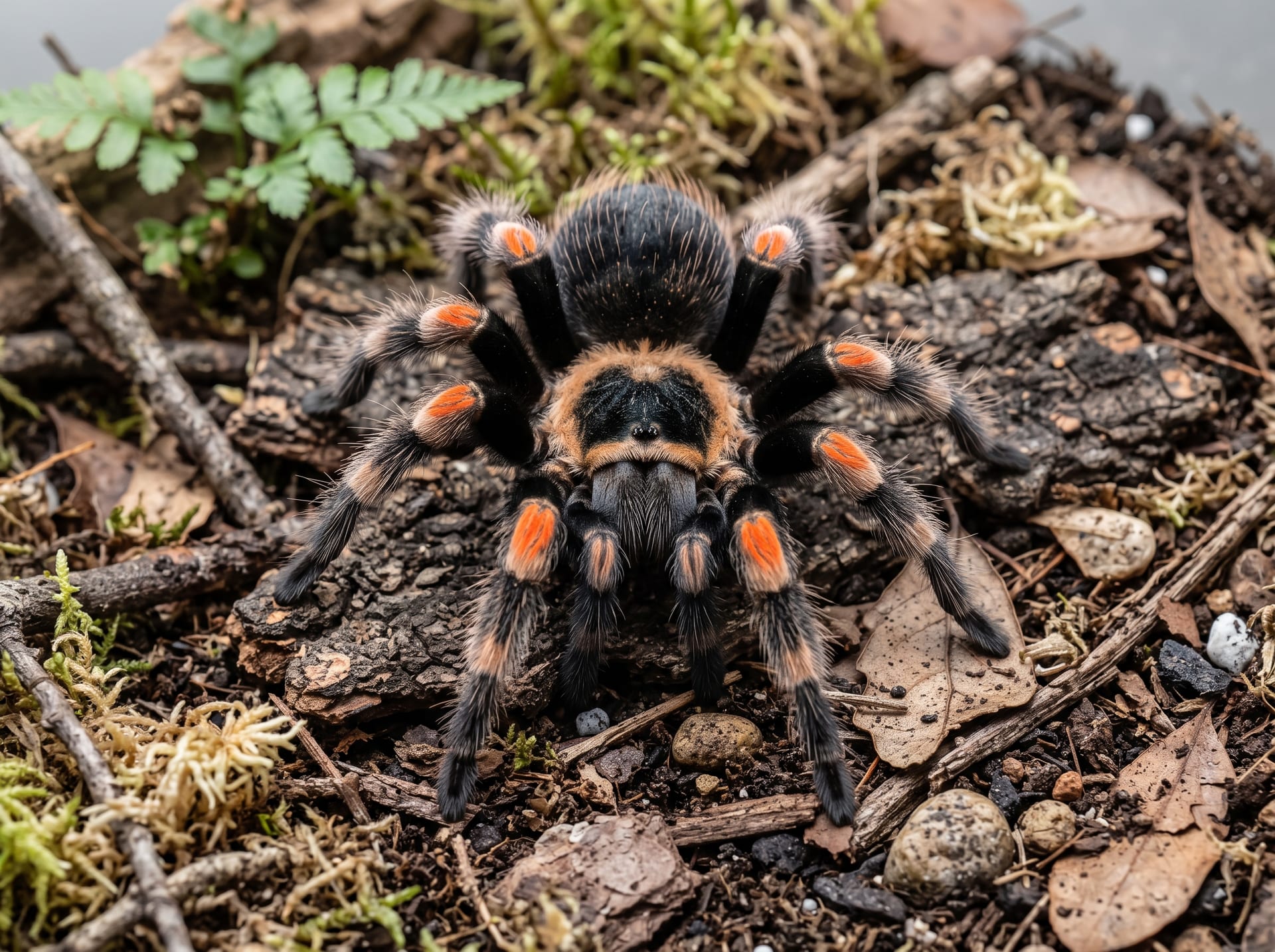
墨西哥紅膝蛛
Brachypelma hamorii
膝部具有美麗紅色條紋的墨西哥原產地棲蛛。性格溫和、動作緩慢、強健且長壽。作為蛛蛛飼育的入門種在全球都是經典人氣種。
入門種地棲溫和
奇蟲常見問題
- 奇蟲是什麼?初心者也能養嗎?
- 捕鳥蛛、蠍子、馬陸、鞭蠍等蛛形綱和多足類無脊椎動物的總稱。智利紅玫瑰捕鳥蛛和地表性馬陸等因為強健,溫濕度管理也相對容易,作為初學者友好的物種而受歡迎。
- 奇蟲的價格大約是多少?
- 捕鳥蛛因為強健普及,通常3,000〜30,000円,稀有種超過數萬円。蠍子為2,000〜15,000円,馬陸約1,000〜5,000円。根據物種稀有性、尺寸和是否為CB(飼養繁殖個體)而變動。
- 奇蟲的壽命有多長?
- 捕鳥蛛的雌蟲壽命很長,根據物種可以活10〜20年以上。雄蟲成熟後只能活1〜3年,壽命較短。蠍子可活5〜8年,馬陸根據物種可活3〜10年左右,許多物種在反覆蛻皮的過程中可以長期飼養。
- 飼養奇異昆蟲需要哪些設備?
- 基本設備包括密閉容器、底材(根據物種選擇保濕或乾燥類型)、藏身處和水盤。由於許多物種需要加溫,應該準備加溫墊和溫濕度計。樹棲性捕鳥蛛需要高度和落足點,地棲性物種需要深層底材。
- 飼養奇異昆蟲時有哪些安全注意事項?
- 捕鳥蛛多數毒性較弱,但其刺激毛或咬傷可能引發過敏反應。蠍子和蜈蚣中包含具有醫療風險的有毒種類,因此必須事先確認各物種的危險性。為了防止逃脫,必須徹底密閉並鎖定飼養箱。