奇蟲圖鑑|全70個品種一覽
彙整狼蛛、蠍子、蜈蚣等人氣奇蟲的飼育資訊、特徵與難度的品種圖鑑。
顯示70個物種中的4個
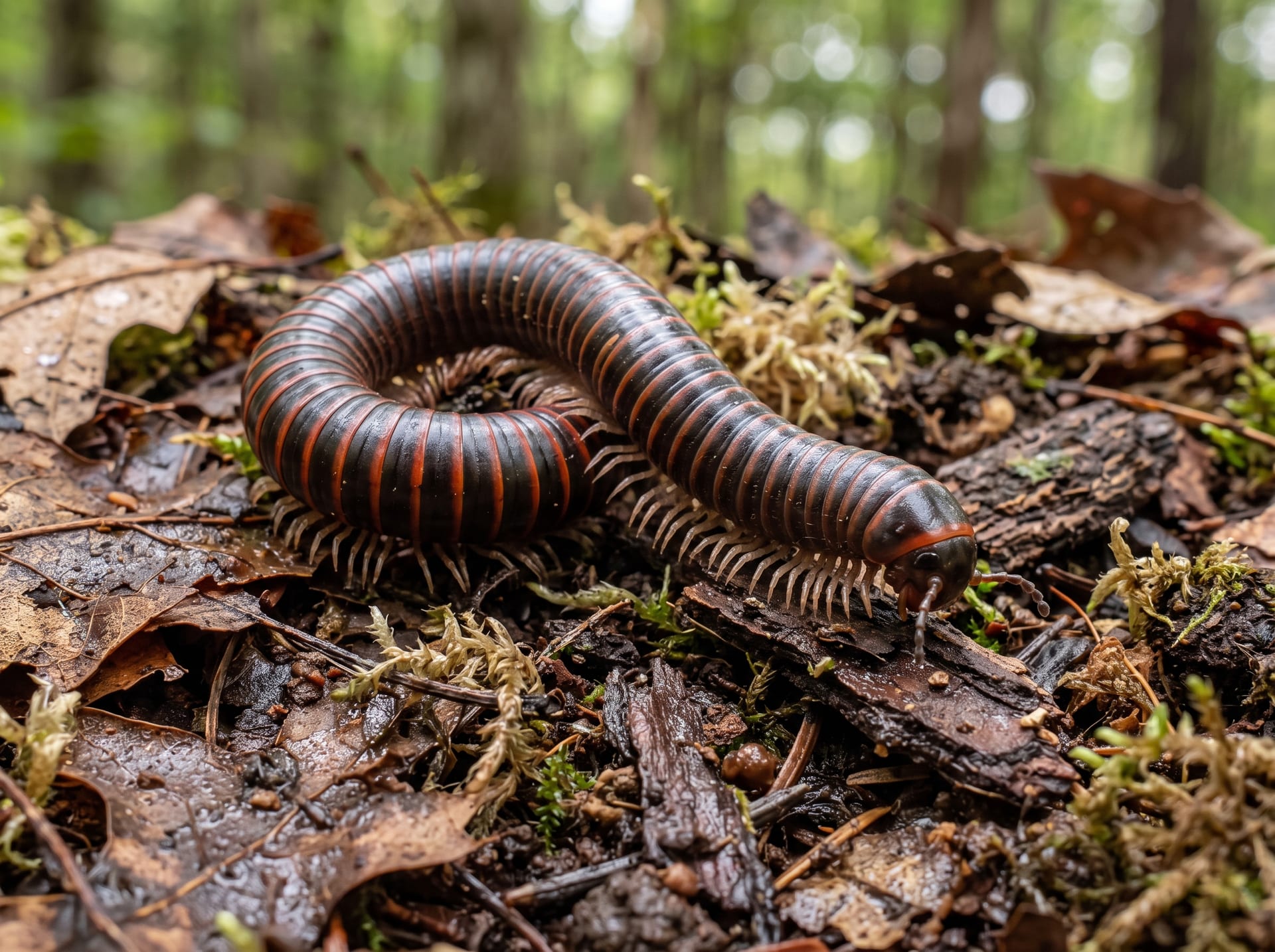
美洲巨馬陸
Narceus americanus
廣泛分布於北美東部的大型馬陸。身體呈茶褐色,各節上有紅色環紋,是標誌性品種,堅硬耐久且壽命長。作為溫和的分解者,以落葉和腐朽木為食,初學者也容易飼養。
大型初學者友善長壽

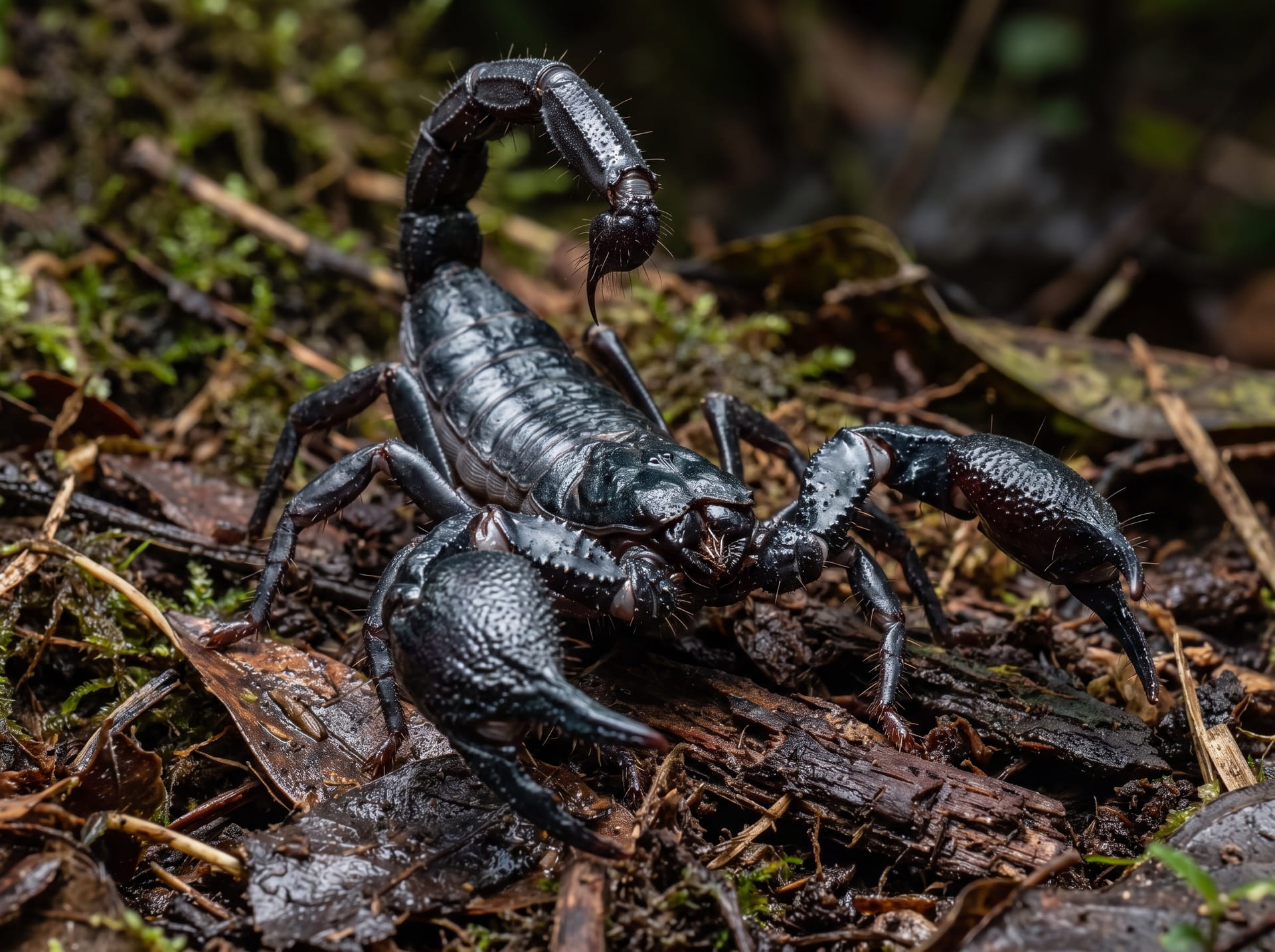
亞洲森林蠍
Heterometrus spinifer
生活於東南亞熱帶雨林中的大型黑色蠍子。毒性弱,相當於蜂蜇程度,但具防禦性且螯合力強。偏好高濕度環境,作為入門種廣受歡迎。
大型種初學者友善高濕度
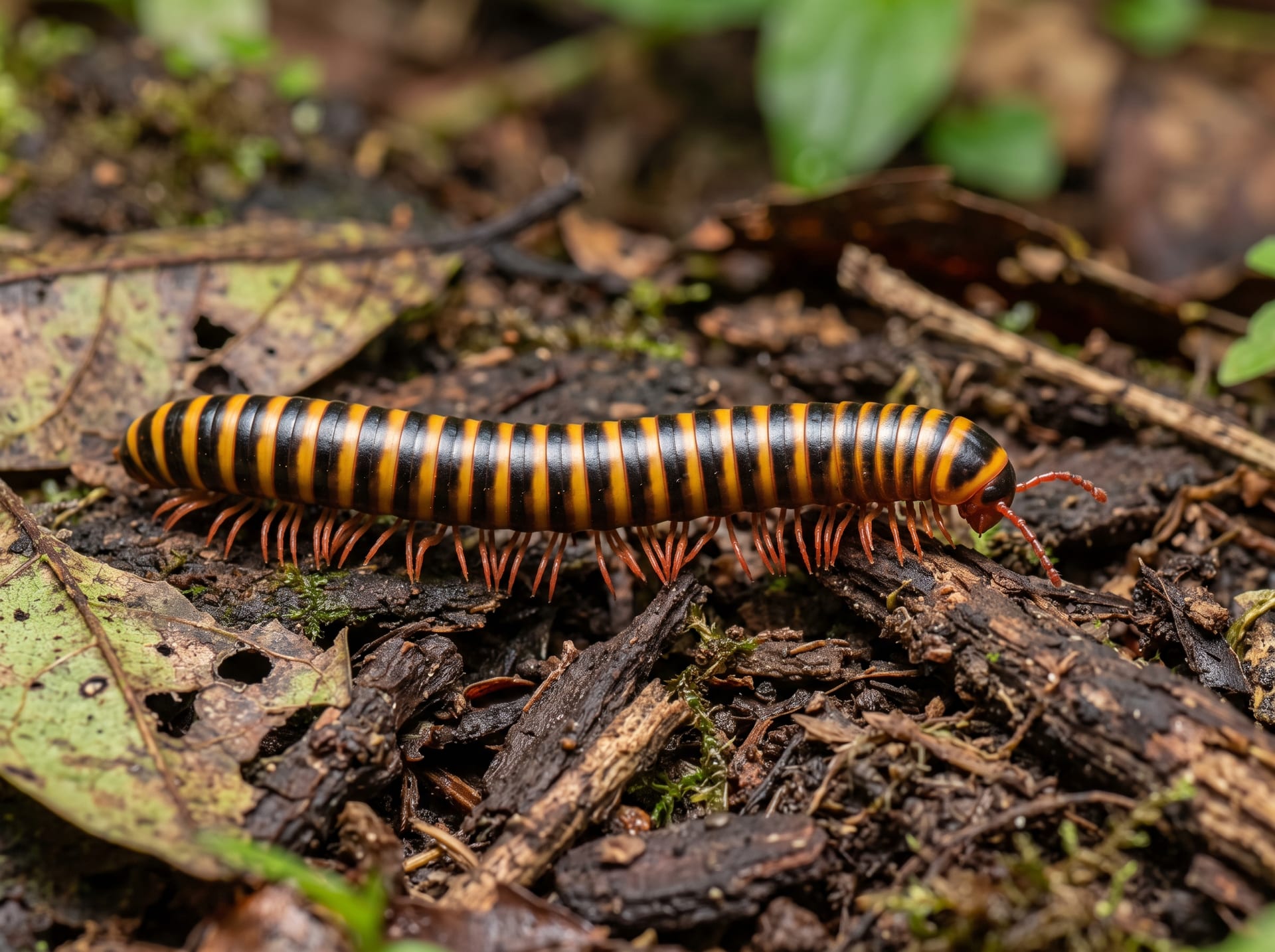
蜜蜂紋唐馬陸
Anadenobolus monilicornis
加勒比海地區原產的小型種,黑黃相間的條紋讓人聯想到大黃蜂。體型小巧,易於繁殖,群落中大量繁衍,是入門級唐馬陸的最佳選擇。
小型條紋花紋易於繁殖

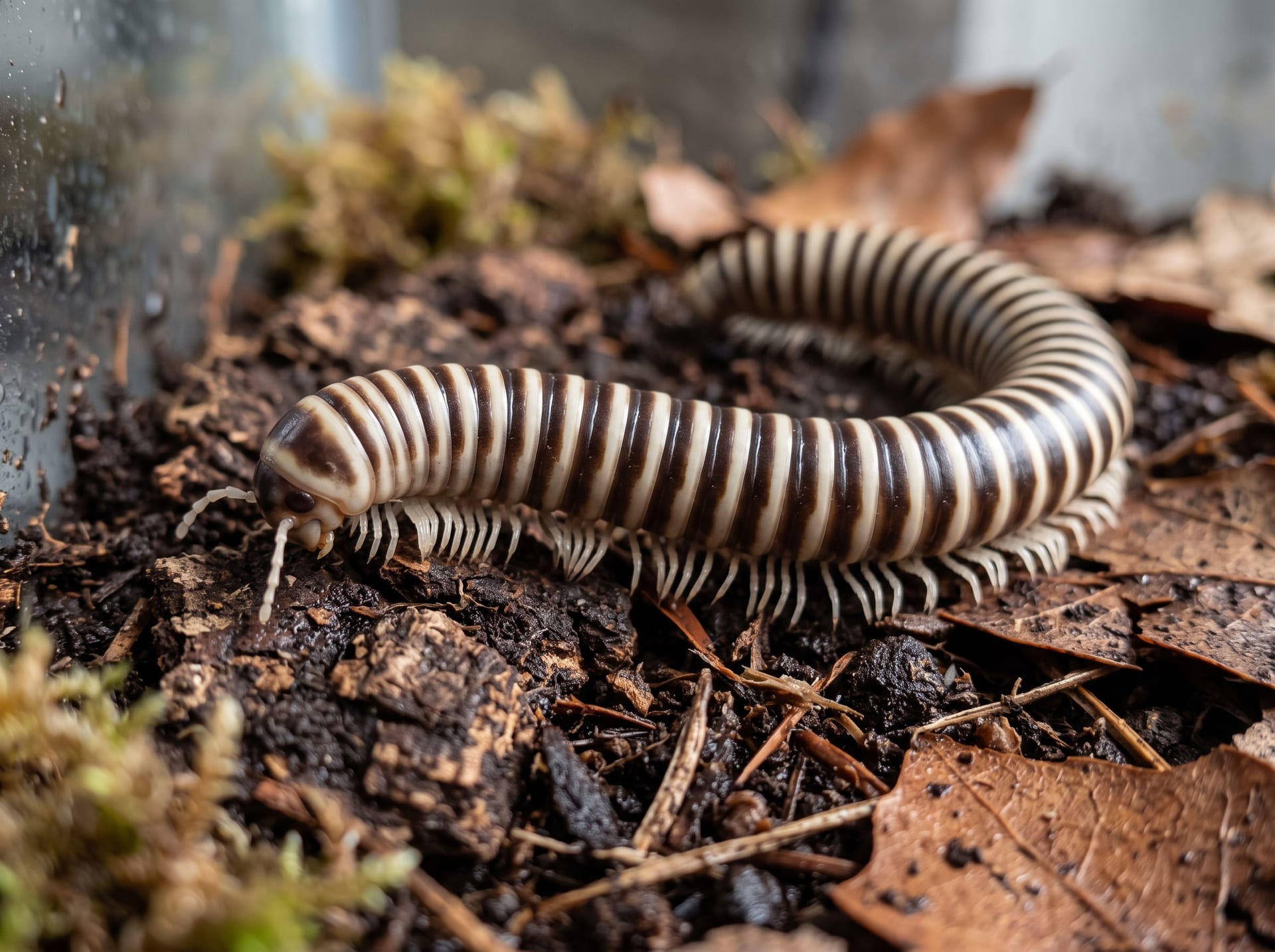
象牙馬陸
Chicobolus spinigerus
原產於美國東南部,具有深色的身體,每節上排列著奶油色(象牙色)的環紋,呈現穩重優美的外觀。體質強壯、性情溫和,適合初學者飼養的馬陸。
象牙色初學者友善強壯
奇蟲圖鑑常見問題
- What are exotic invertebrates? Can beginners keep them?
- It's a general term for invertebrates centered on arachnids and myriapods such as tarantulas, scorpions, millipedes, and whip scorpions. Hardy species like the Chilean rose tarantula and terrestrial millipedes are relatively easy to keep and popular with beginners.
- How much do exotic invertebrates cost?
- Common hardy tarantulas run 3,000-30,000 yen, while rare species exceed tens of thousands. Scorpions are around 2,000-15,000 yen and millipedes 1,000-5,000 yen. Prices vary with rarity, size, and whether the animal is captive-bred (CB).
- How long do exotic invertebrates live?
- Female tarantulas are remarkably long-lived, reaching 10-20+ years depending on species, while males live only 1-3 years after maturity. Scorpions live 5-8 years and millipedes roughly 3-10 years depending on species, with many kept long-term through repeated molts.
- What equipment is needed for exotic invertebrates?
- Basics include a secure enclosure, substrate (moisture-retaining or dry depending on species), a shelter, and a water dish. Many species need heating, so prepare a heat mat and a thermometer-hygrometer. Arboreal tarantulas need height and climbing structures, while burrowing species need deep substrate.
- What safety precautions apply to exotic invertebrates?
- While most tarantulas have mild venom, urticating hairs and bites can trigger allergic reactions. Some scorpions and centipedes are venomous enough to require medical attention, so always research each species' risks in advance. Keep enclosures securely sealed and locked to prevent escapes.