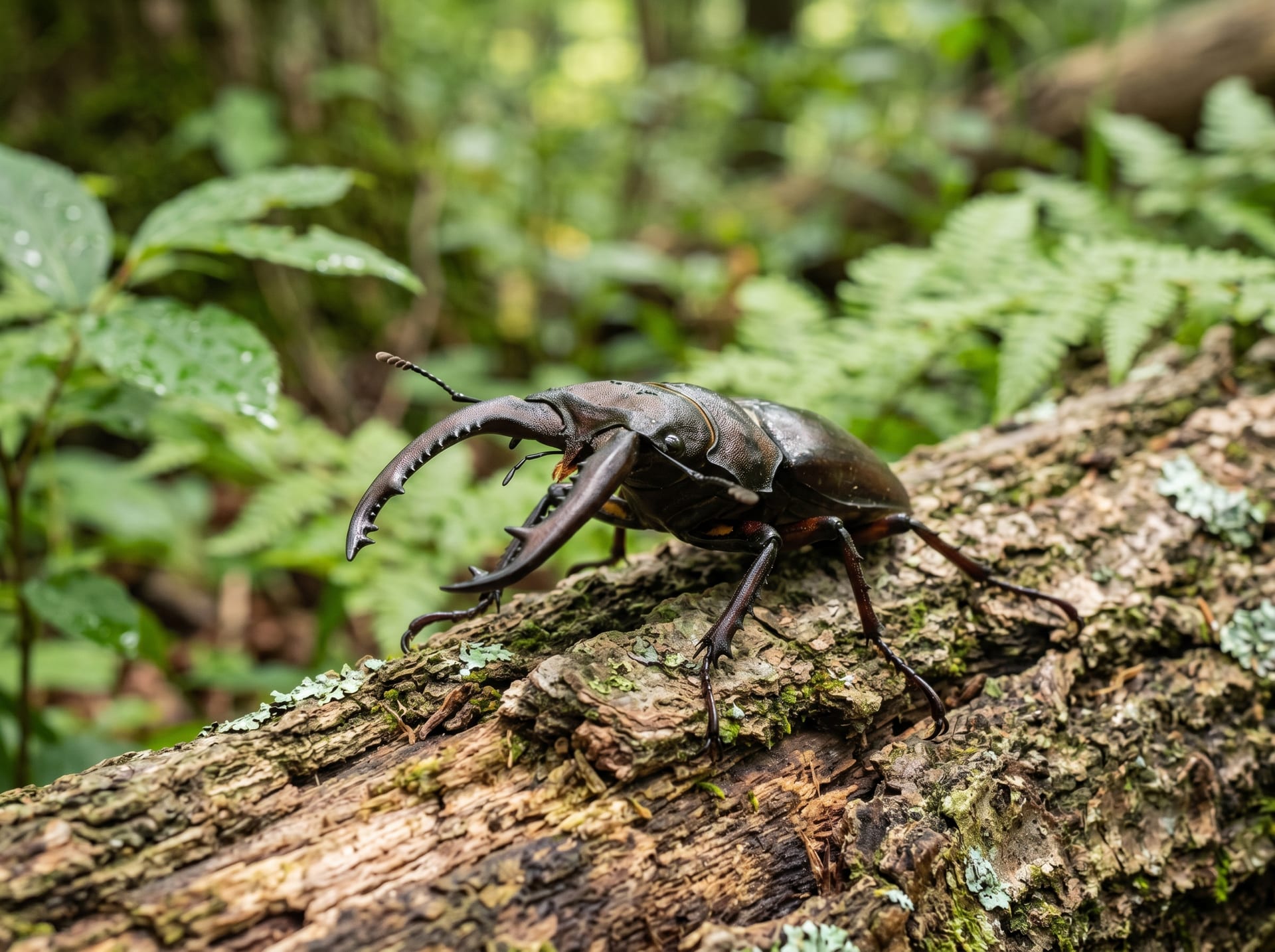
锯锹形虫
锯锹甲是一种以弯曲的大颚为特征的日本代表性锹甲甲虫,广泛生息于夏季杂木林中。雄性个体的大颚形状因个体而异,具有很高的收集价值,从初学者到高级爱好者都很受欢迎。相对来说比较强壮,容易饲养,也是锹甲入门种的最佳选择。
View 锯锹形虫 encyclopedia →成交手续费0%!2026年9月30日前注册,前 2 笔成交免佣金!
繁殖者 招募中!
在BreederDirect发布商品,直接销售给全国客户!
Br-choku承诺的 6 个透明度要点
刊登昆虫时,繁殖者会明示以下信息。我们保证成长阶段与繁殖配对的透明性。
- 阶段明示
- 代次明示
- 实物照片
- 繁殖单位
- 原产国
- 体长明示
查看全部26个品种
关于锯锹形虫
锯锹甲(Prosopocoilus inclinatus)分布于北海道至九州、屋久岛的日本全国各地,是典型的国产锹甲甲虫。顾名思义,雄性个体的大颚上排列着细小的锯齿状内齿,形状随体长而大幅变化,这是其最大的特征。大型个体拥有优美弯曲的"水牛型"大颚,小型个体则为直线条的小齿"短齿型",同种个体间表现出惊人的多样性。夜行性,夏日夜晚聚集在栎树和柞树树液处的身影对许多人来说是原始回忆般的场景。饲养方面相对强壮,温度管理也不需要过于谨慎,是适合作为国产锹甲入门种。产卵和幼虫饲养的难度适中,可以体验繁殖的乐趣。这是一个有魅力的种类,可以在欣赏每个个体不同大颚形状的同时,近距离感受日本昆虫文化。
经营锯锹形虫的精选繁殖者
查看全部锯锹形虫繁殖者列表(1)→迎接锯锹形虫前需要了解的7件事
1大颚形状个体差异大
锯锹甲的雄性个体大颚形状随体长而大幅变化,大型个体呈现弯曲明显的"水牛型",小型个体则为直线型的"短齿型"。同种个体之间外形差异大,这正是这个种类的魅力之一。
2幼虫期間需要1〜2年
锯锹甲幼虫成长相对缓慢,从幼虫到成虫羽化一般需要1〜2年。要获得饲养成虫羽化的乐趣,需要制定长期的饲养计划。通常用菌丝瓶或发酵垫料进行管理。
3成虫寿命较短。
羽化后成虫的活动寿命约为3〜6个月左右,在国产锹甲中属于相对短命的种类。由于无法越冬,如果想长期欣赏成虫,羽化时期的管理就变得很重要。
4产卵需要选择合适的垫材
雌性个体有在腐烂木根部附近或软的腐叶土垫料中产卵的习性。产卵设置的关键是要将充分发酵的产卵垫料紧实填入,并配合使用产卵木也很有效。产卵数量因个体而异,一次产卵通常是20〜50枚左右。
5温度管理改变活动期
锯锹甲虽然耐高温,但如果环境温度持续超过30℃,会容易耗尽体力。成虫的最适饲养温度约为20〜28℃,夏季应避免直射日光,在通风良好的地方饲养是基本原则。
6公虫和母虫的混养需要谨慎
交配后如果长期让公虫和母虫同居,公虫可能会伤害母虫。确认交配完成后,应将公虫和母虫分开饲养,或在较大的容器中设置多个隐蔽处,可以降低这种风险。
7初期投资成本相对较低
饲育容器、底材、昆虫果冻、防翻转垫等初期套件价格从几千日元起就能配齐。成虫对的价格根据从饲养者处购买的品种和个体大小而异,但由于是国产品种,价格相对实惠。如果从幼虫开始饲养,还需考虑菌瓶和发酵垫的持续成本。
锯锹形虫的常见问题
- Q.锯锹甲成虫能活多久?
- A.羽化后的活动期约为3〜6个月。由于不能越冬,在夏季开始活动的个体通常在该年的秋冬季节达到寿命终点。
- Q.幼虫应该用什么来饲养?菌丝瓶和垫料哪种更适合?
- A.两种方法都可行,但锯形锹甲的幼虫用垫料(发酵锯末)饲养实绩丰富,易于管理是其特点。使用菌丝瓶则容易产出大个体,但因与菌种的相容性问题,初心者建议先从发酵垫料开始。
- Q.公虫和母虫可以在同一个饲养箱里一起饲养吗?
- A.短期同居或为了交配可以接受,但长期同居有公虫伤害母虫的风险。确认交配后应迅速分开,或在设置了多个隐蔽处的宽敞饲养箱中饲养会更安心。
- Q.野生个体和人工饲养的个体有什么区别?从饲养者购买有什么优点?
- A.饲养者出品的个体具有清晰的羽化日期和亲代血统信息,管理状态也很到位,因此长期饲养往往更容易。另外,野外采集可能因采集地点和季节的不同而受到法律限制,所以购买是更安心的选择。
- Q.为了让它们产卵,应该准备什么样的环境?
- A.准备用充分发酵的产卵垫料填充的饲养箱,深度要达到15cm以上,并填充紧实。埋入产卵木(选择较软的栲树材)能让产卵更容易。保持温度在25℃左右,将饲养箱放在黑暗安静的环境中,可以促进产卵。
适合饲养锯锹形虫的实用工具
Learn more about 锯锹形虫 in the encyclopedia
查看锯锹形虫的图鉴条目 →
收录饲养难度、寿命、体长、食性等基础数据。