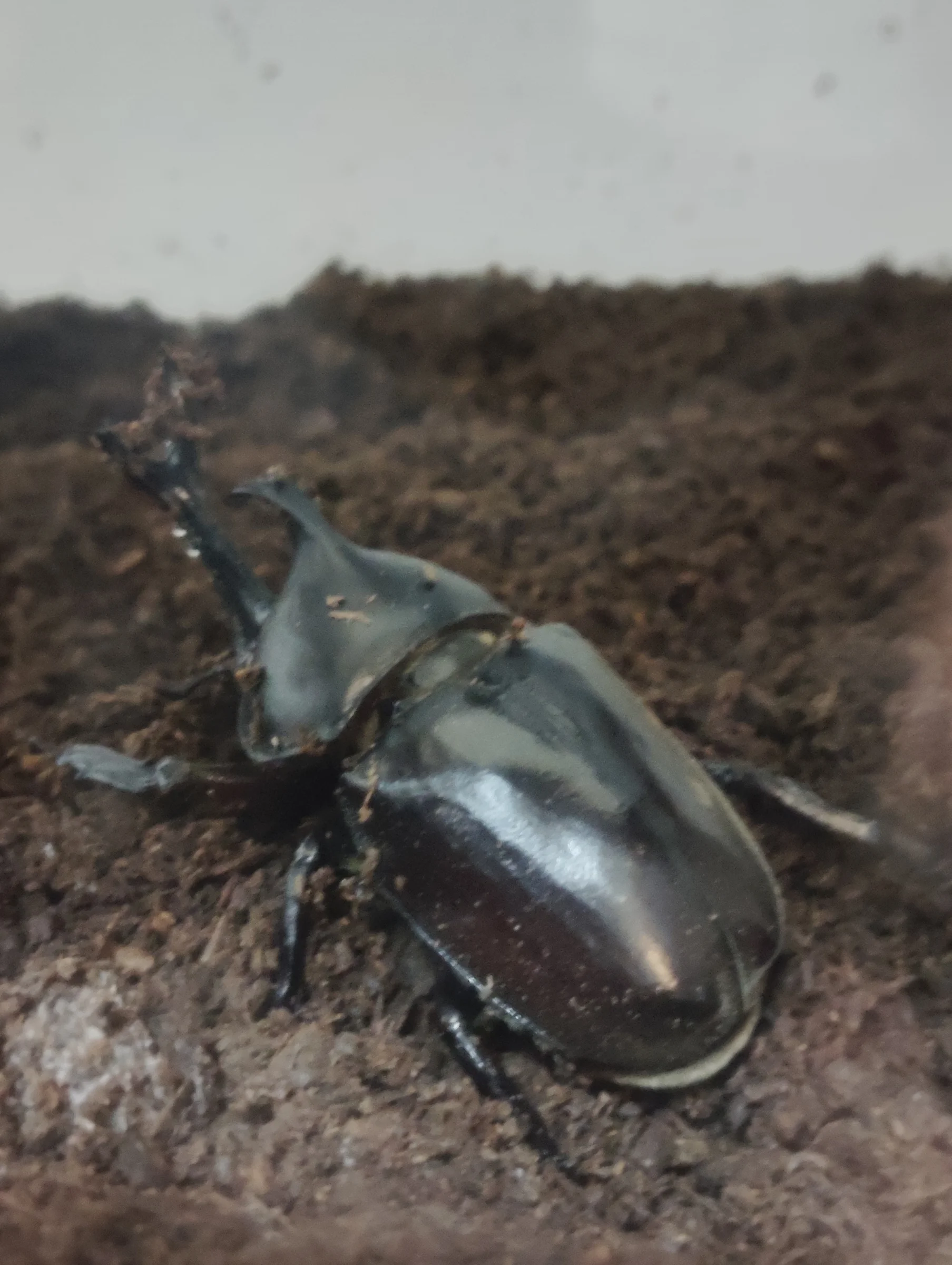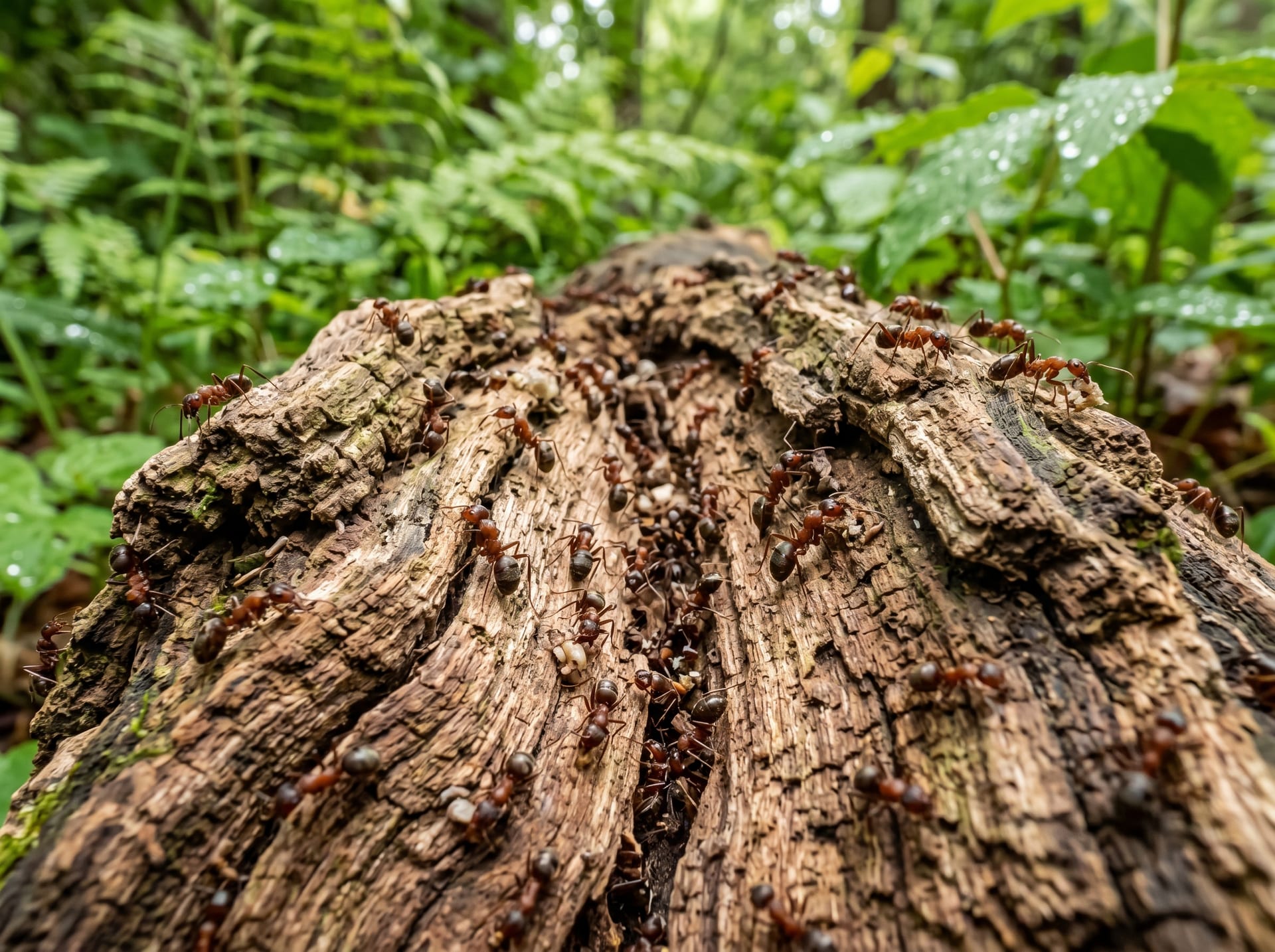
Ants are highly social insects, and ant-keeping (known as myrmecology hobbyist culture) — observing a queen-centered colony through a formicarium — has grown into a uniquely intellectual hobby. Colony behavior, nest architecture, and social dynamics vary greatly by species, offering endless fascination. Their compact housing requirements make them an ideal pet for those with limited space.
前3笔销售免佣金!在2026年7月31日前注册为繁殖者,前3笔销售免佣金!
繁殖者 招募中!
在BreederDirect发布商品,直接销售给全国客户!
刊登昆虫时,繁殖者会明示以下信息。我们保证成长阶段与繁殖配对的透明性。
价格区间
地区
属性
想上架昆虫吗?
注册成为繁殖者,即可与买家直接联系。
Ants are among Earth's most successful insects, having developed complex social structures over 100 million years of evolution. More than 300 species are found in Japan alone, with Camponotus japonicus, Camponotus obscuripes, and Lasius japonicus among the most popular kept species. Body size varies from under 1mm to several centimeters depending on species, and coloration ranges from black and red to yellow and metallic hues. Each colony operates with a clear division of roles among queen, workers, and males, all instinctively contributing to nest expansion, brood care, and foraging. The greatest appeal of ant-keeping lies in observing this miniature society in real time through transparent glass or acrylic enclosures. The hobby has grown rapidly in recent years, supported by specialized equipment and active keeper communities. With minimal daily care requirements and no noise, ants are an ideal pet even in apartments.
1Escape Prevention First
Ants can escape through the tiniest gaps, so escape-proofing your formicarium is critical. Applying a PTFE (Teflon) barrier or baby powder to the inner walls and lid edges prevents ants from climbing out. Address escape prevention before introducing any colony, as a loose ant can establish a feral nest indoors.
2Start with a Queen
A successful ant colony starts with a mated queen. Worker-only groups cannot reproduce and will die off within weeks. The best way to start is to collect a queen during her nuptial flight season or purchase one from a reputable ant-keeping supplier.
3Separate Nest and Foraging Area
An ideal formicarium separates the nest chamber from a foraging arena. Keep the nest dark and slightly humid, while the arena stays drier and well-lit for observation. This division mirrors the ants' natural habitat and supports stable colony development.
4Feed Protein and Sugar
Ants require both protein and sugar in their diet. Insects such as crickets or mealworms supply protein, while diluted honey or insect jelly provides sugar. The ratio shifts depending on colony growth — increase protein when larvae are present to support brood development.
5Temperature and Humidity
Optimal temperature varies by species; common Japanese species like Lasius niger and Tetramorium caespitum thrive at roughly 20–28°C. Maintain moderate humidity (around 60–70%) in the nest area by adding small amounts of water regularly. Avoid overwatering, as excess moisture promotes mold growth.
6Winter Dormancy Required
Many Japanese ant species require a winter dormancy period. Skipping hibernation can shorten the queen's lifespan and reduce egg production the following spring. From around November, gradually lower the temperature to 5–15°C and keep the colony in a cool, dark location for two to three months.
7Colony Growth Takes Time
A colony started from a single queen can take one to two years or more to reach a few dozen to a few hundred workers. During the founding stage — the first several months — the queen relies on her fat reserves, so feeding is unnecessary. Patient, low-disturbance observation during this period is key to long-term success.