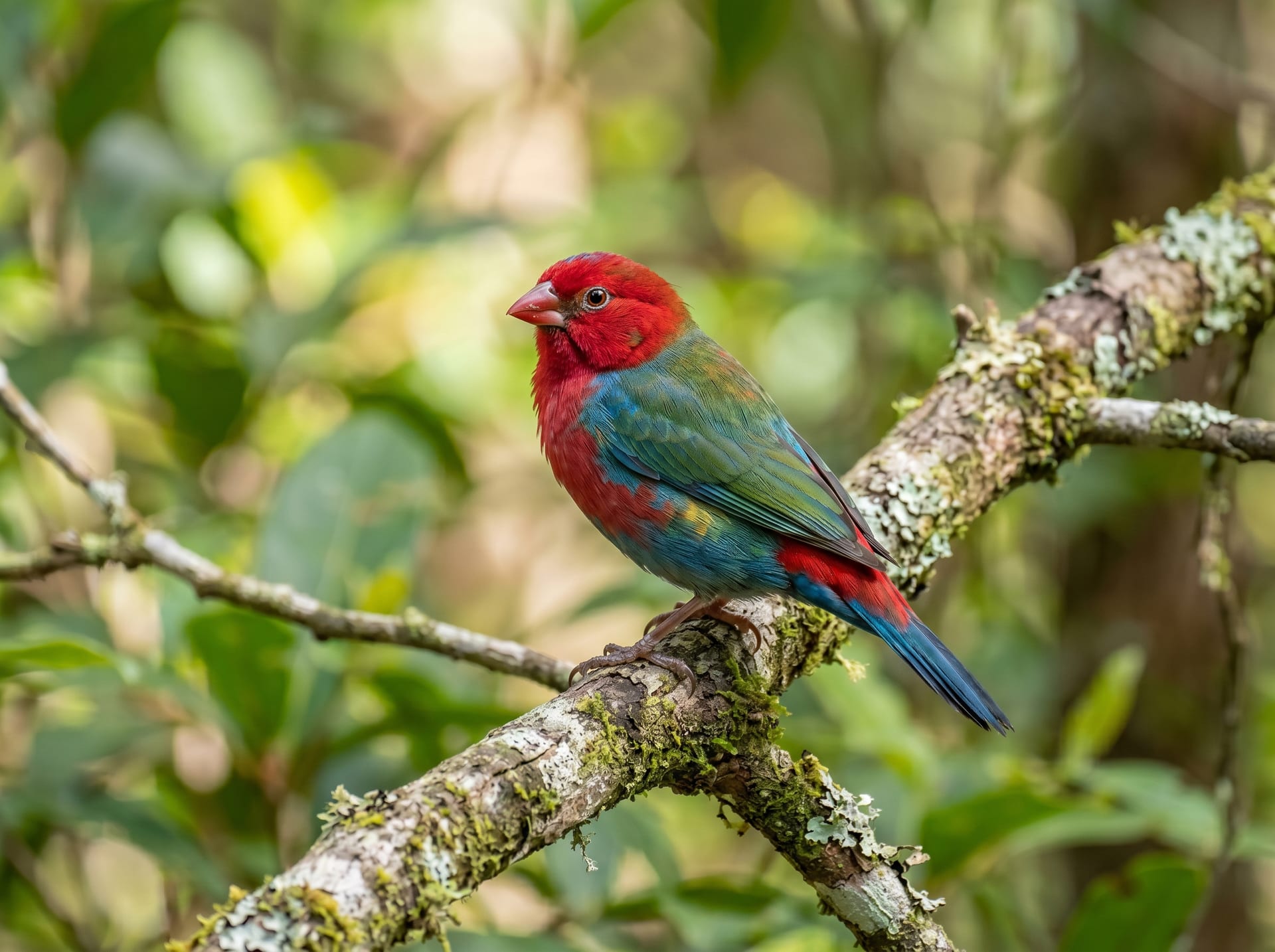
Finches are small seed-eating birds prized for their vibrant plumage and cheerful song. Rather than hand-taming, they thrive when kept in pairs or small groups where their natural social behaviors can shine. They are a good choice for beginners, though companionship plays a key role in their wellbeing.
前3笔销售免佣金!在2026年7月31日前注册为繁殖者,前3笔销售免佣金!
繁殖者 招募中!
在BreederDirect发布商品,直接销售给全国客户!
繁殖者在鸟出品中明示以下信息。保证手乘、DNA性别鉴定、健康诊断的透明度。
想上架鸟吗?
注册成为繁殖者,即可与买家直接联系。
价格区间
地区
属性
Finches are a broad group of small, seed-eating birds found across the globe, and popular pet species such as the zebra finch and society finch both belong to this family. The zebra finch originates from Australia and arrived in Japan in the late Edo period, while the society finch has been cherished in East Asia for centuries. Compact in size at around 10–15 cm, male finches make their presence felt through species-specific songs that fill a room with cheer. Plumage varies widely by species—white, black, chestnut, and gray—and their lively, darting movements are endlessly watchable. Highly social by nature, pairs and small groups can often be seen preening each other and engaging in spirited flight within the cage. While not suited to hands-on interaction, they are ideal for keepers who prefer observing natural bird behavior. Hardy, relatively long-lived at 5–8 years, and inexpensive to maintain, finches appeal to beginners and experienced bird keepers alike.
1Keep in Pairs or Groups
Finches are highly social birds that naturally live in flocks, so keeping a single bird can lead to stress. Pairs or small groups of the same species are strongly recommended. If breeding is not intended, be mindful of the sex combination you choose.
2Cage Size Matters
Finches exercise primarily by flying horizontally, so a wide cage that allows side-to-side flight is essential. Aim for at least 60 cm in width rather than prioritizing height. Providing perches of varying thickness and material also helps maintain healthy feet.
3Not Typically Hand-Tame
Most finches do not become hand-tame and prefer not to be handled. They are best appreciated as birds to watch and listen to rather than to interact with physically. If you prioritize close physical interaction, another species may be a better fit.
4Temperature Sensitivity
Finches are sensitive to sudden temperature changes, and cold drafts can quickly affect their health. Aim to maintain a room temperature of 20–28°C and protect the cage from drafts in winter. Extra warmth is especially important for breeding birds and young chicks.
5Seed Plus Supplemental Foods
The staple diet is a mixed seed blend formulated for finches, but seeds alone may not provide complete nutrition. Supplement with leafy greens such as komatsuna or broccoli, and egg-based soft food when needed. A cuttlebone placed in the cage also provides a good source of calcium.
6Breeds Readily — Plan Ahead
Many finch species, including zebra finches and society finches, breed readily when kept in pairs and may do so unexpectedly. Plan ahead by avoiding nest boxes or choosing same-sex pairs if breeding is not desired. Also consider where additional birds will go if chicks are born.
7Relatively Quiet Singers
Finches produce soft, high-pitched calls that are generally less disruptive than parrots or other birds. However, multiple birds calling together can increase noise levels, so apartment dwellers may want to check how sound carries to neighboring units. Males tend to sing most actively during the breeding season.