Goldfish Encyclopedia — 77 Species Directory
Encyclopedia of popular goldfish varieties with care guides, traits, and show standards.
Showing 7 of 77 species
 © C_Lion_hiro / CC BY-SA 3.0
Azuma Nishiki
Oranda body type with calico (tricolor) pattern. Beautiful mix of red, white, and black coloring.
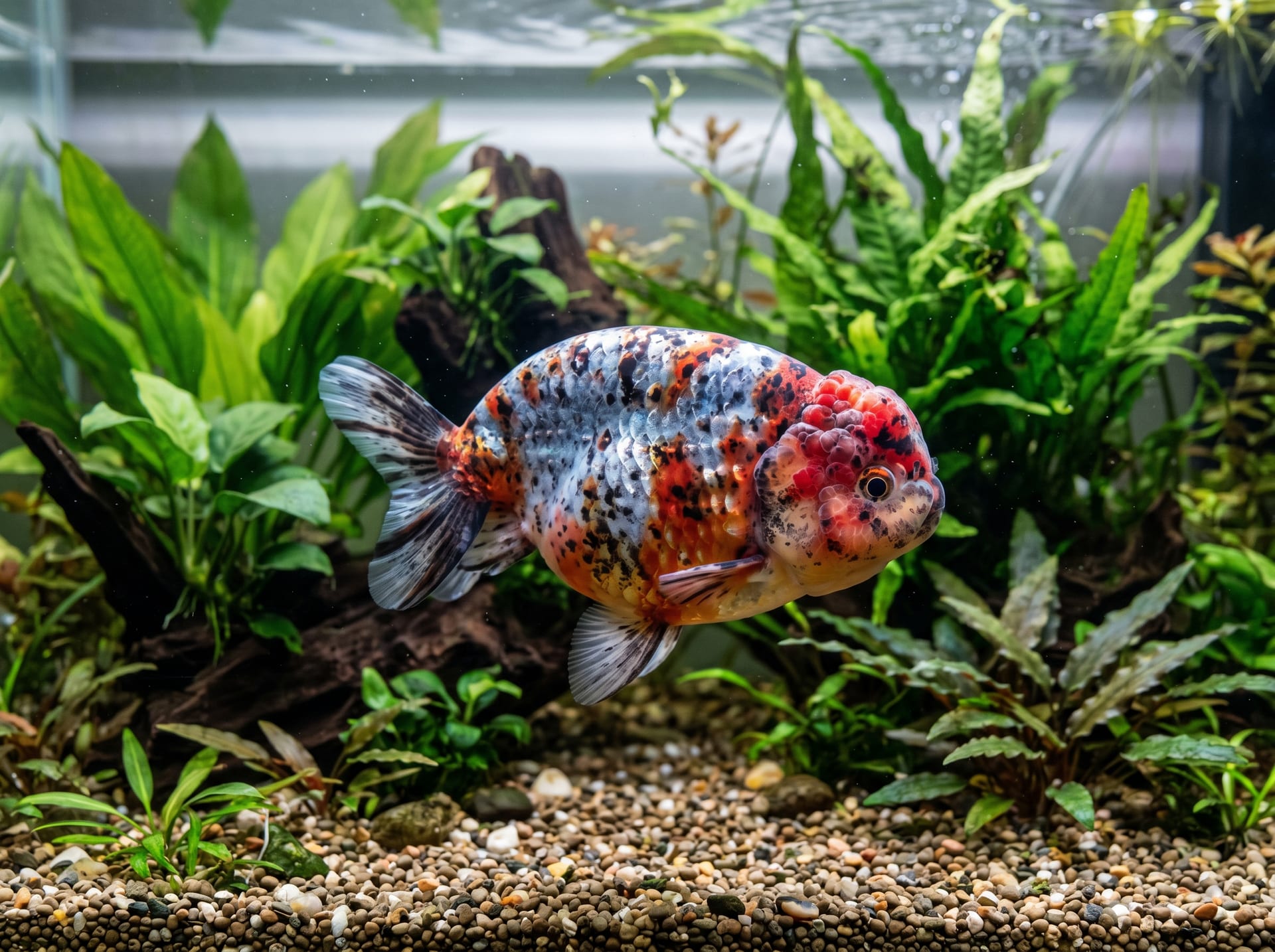
Calico Ranchu
Carassius auratus var.
Ranchu with red, white, and black calico pattern. Some have transparent scales revealing internal red. Unique beauty. Shows evaluate pattern balance.
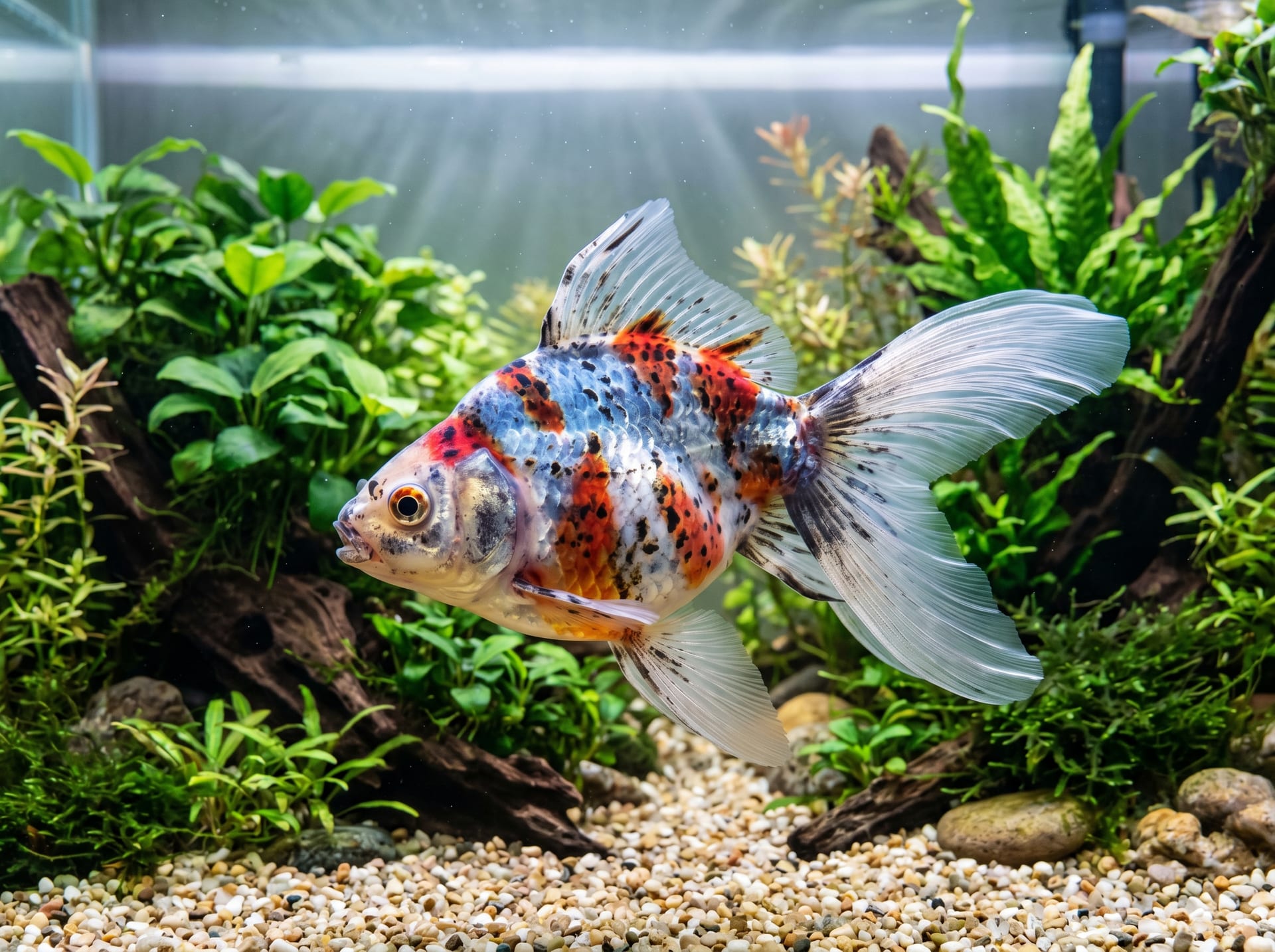
Calico Ryukin
A ryukin with red-white-black tricolor (calico) pattern. Popular for gorgeous coloring and round body.
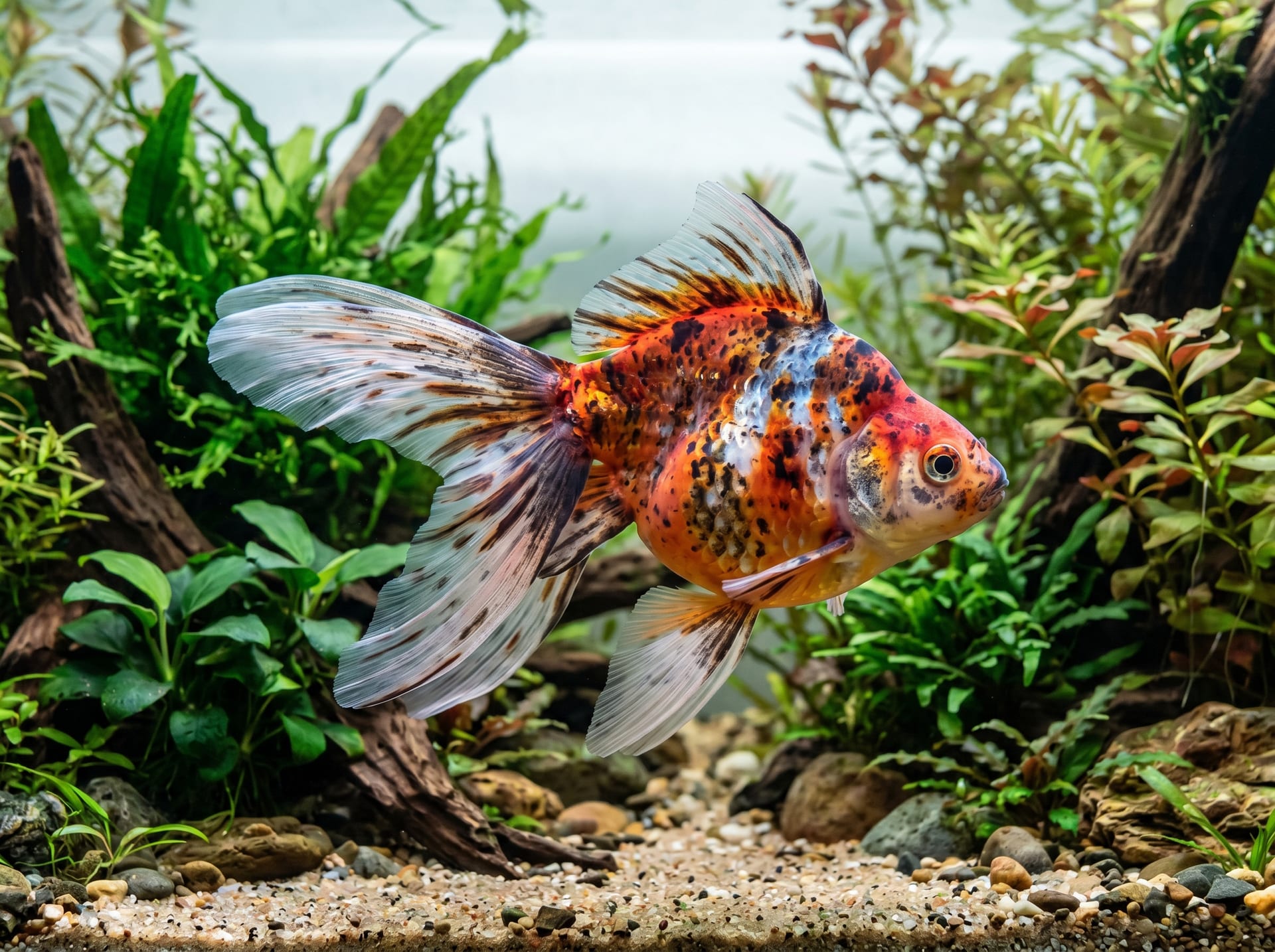
Calico Ryukin Long Tail
A ryukin with tricolor calico pattern and long elegant tail fins. Gorgeous representative of ornamental goldfish.
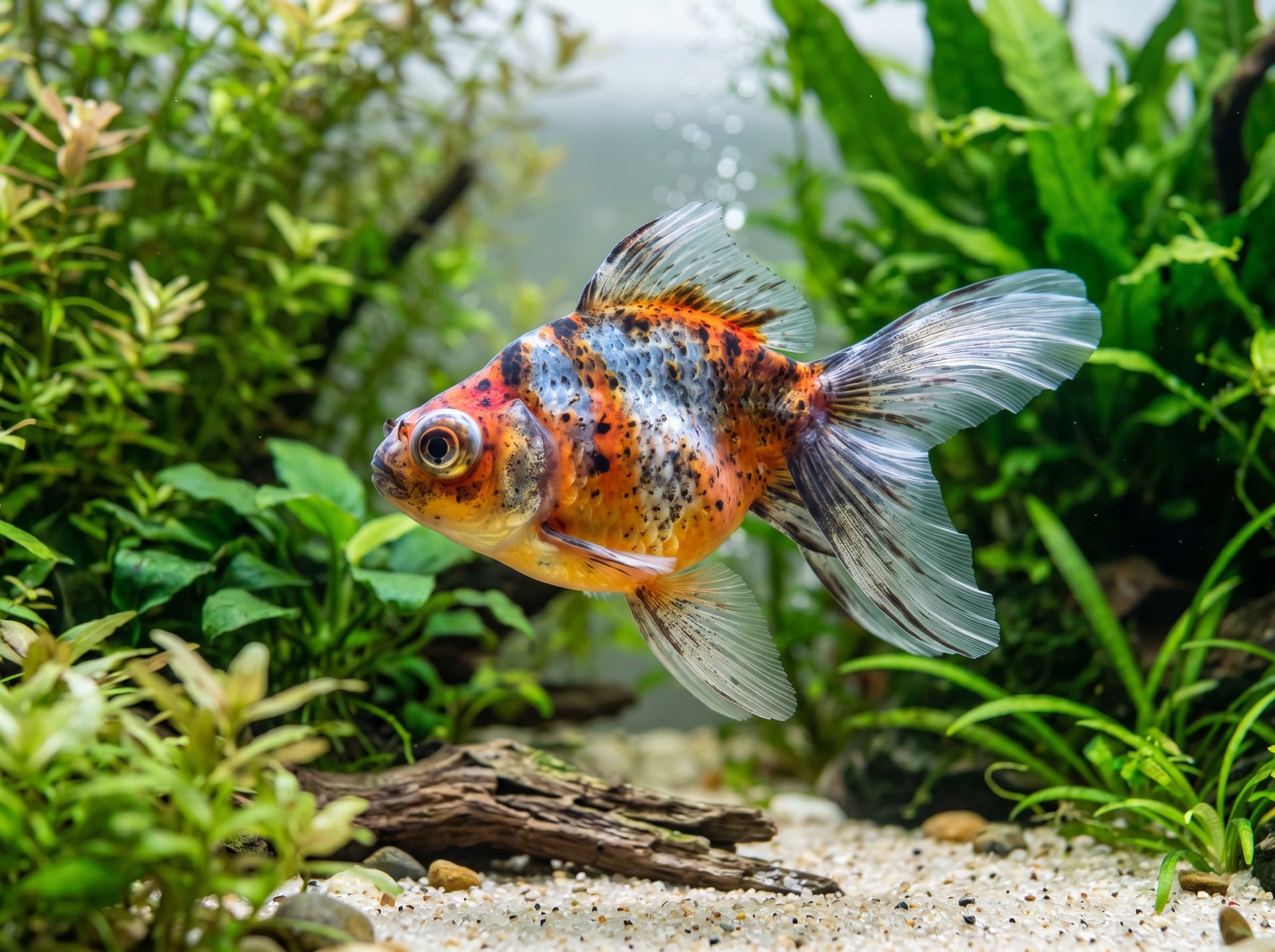
Calico Telescope
Calico version of telescope goldfish. Red-white-black pattern with protruding eyes is distinctive. Each fish has unique markings.
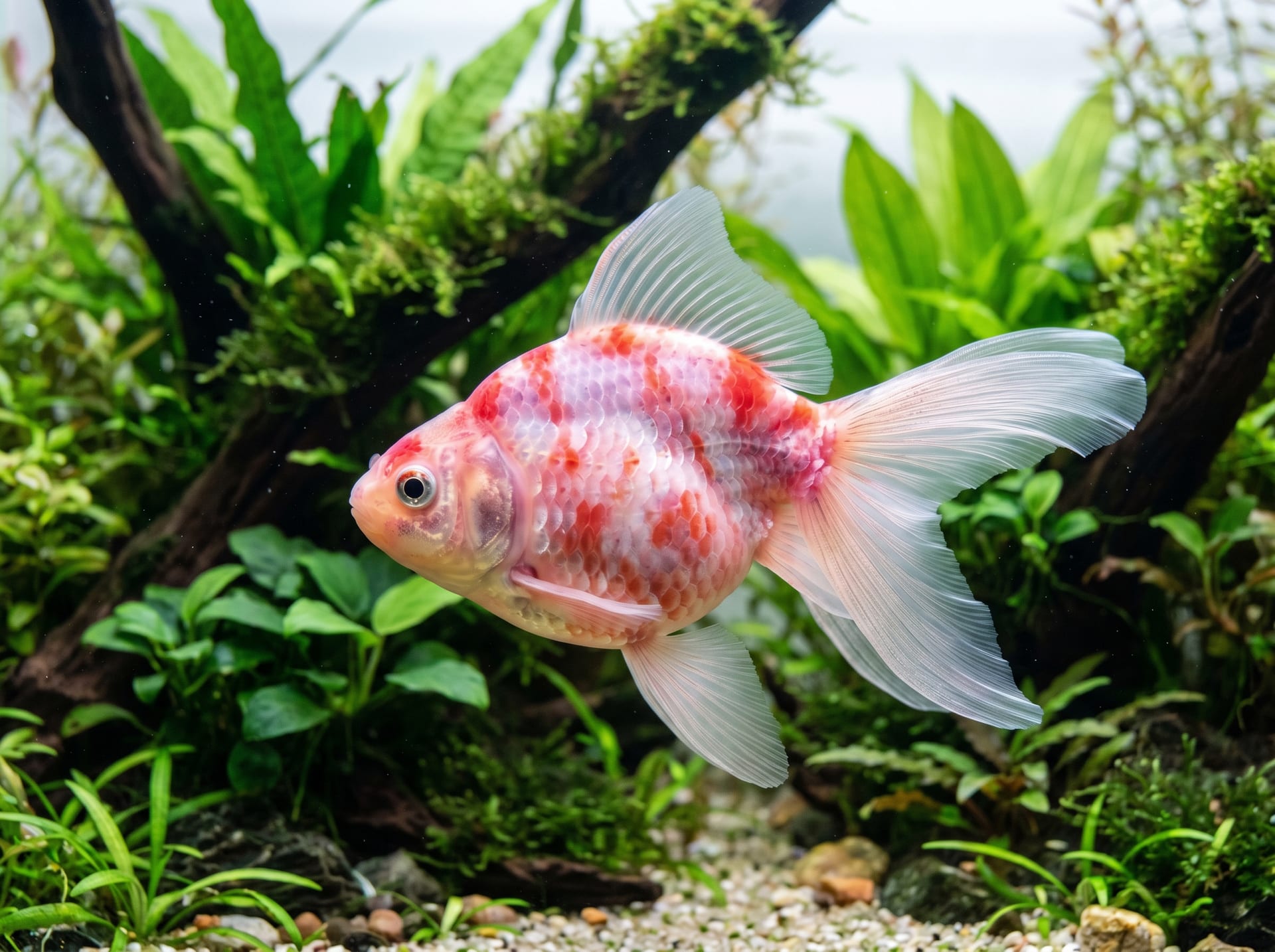
Sakura Nishiki
Relatively new variety with ranchu body and calico pattern. Named for its cherry blossom-like soft coloring.
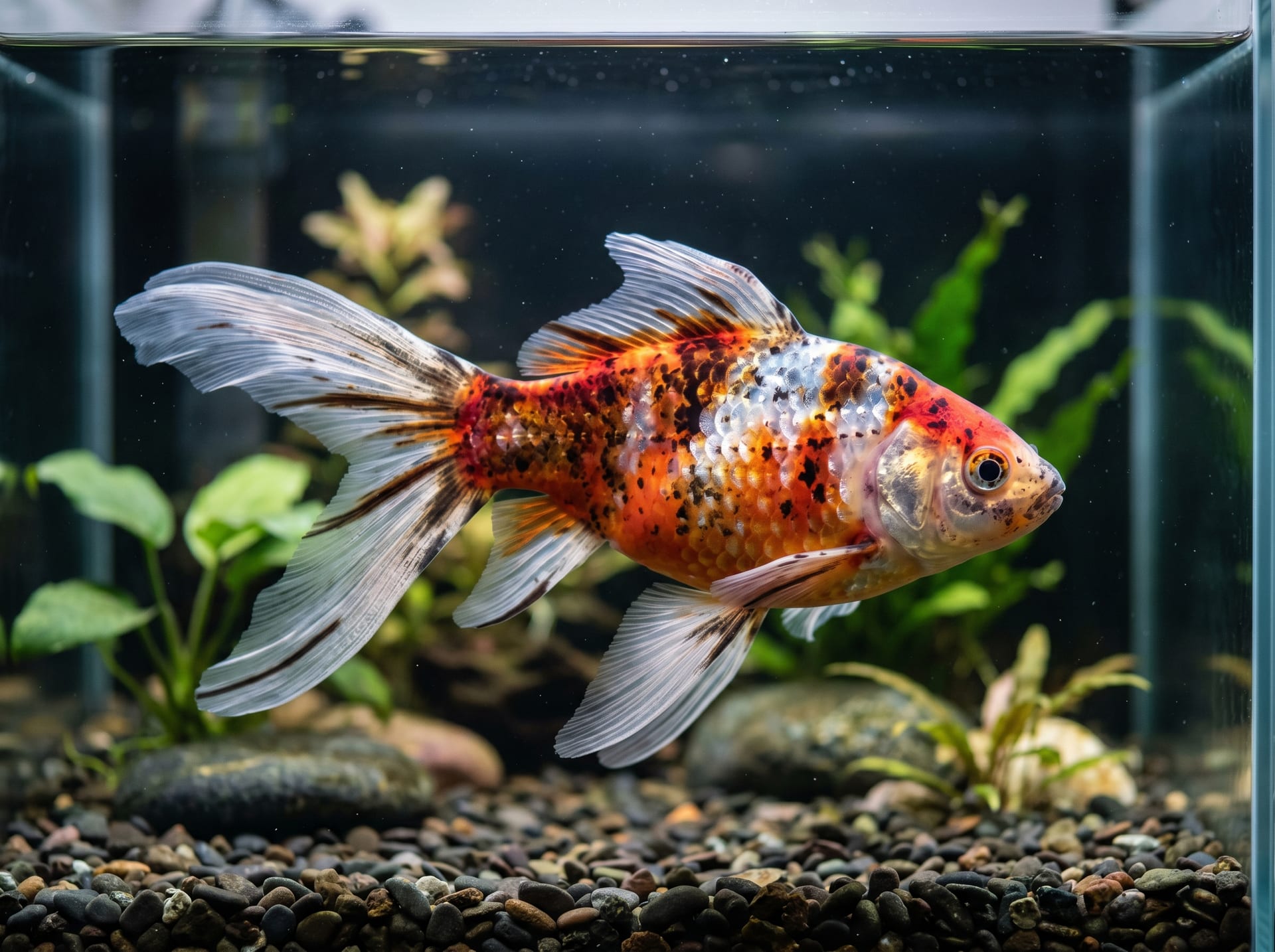
Shubunkin
Long-bodied calico goldfish. Wakin type, hardy and active. Displays red, white, black, and blue colors. Perfect for outdoor ponds.
Related Content
Goldfish FAQ
- How much do goldfish cost?
- Common varieties like wakin and ryukin cost 300-2,000 yen, ranchu 3,000-30,000 yen, and show-quality specimens can reach tens of thousands to hundreds of thousands of yen.
- Can beginners keep goldfish?
- Hardy varieties like wakin, ryukin, and telescope goldfish are recommended for beginners. A tank and filter are all you need, and no heater is required.
- How long do goldfish live?
- With proper care, goldfish live 10-15 years, and some individuals can live 20+ years. Water quality management and proper feeding are key to longevity.
- What should I check when buying goldfish?
- Look for symmetrical body shape, stable swimming, well-formed fins, and no injuries or white spots. Breed-specific aesthetic standards are also helpful references.
- What should I be careful about when keeping goldfish?
- Overfeeding causing poor water quality is the most common issue. Feed 1-2 times daily in amounts eaten within 2 minutes, and never skip weekly water changes.