Source: Wikimedia Commons
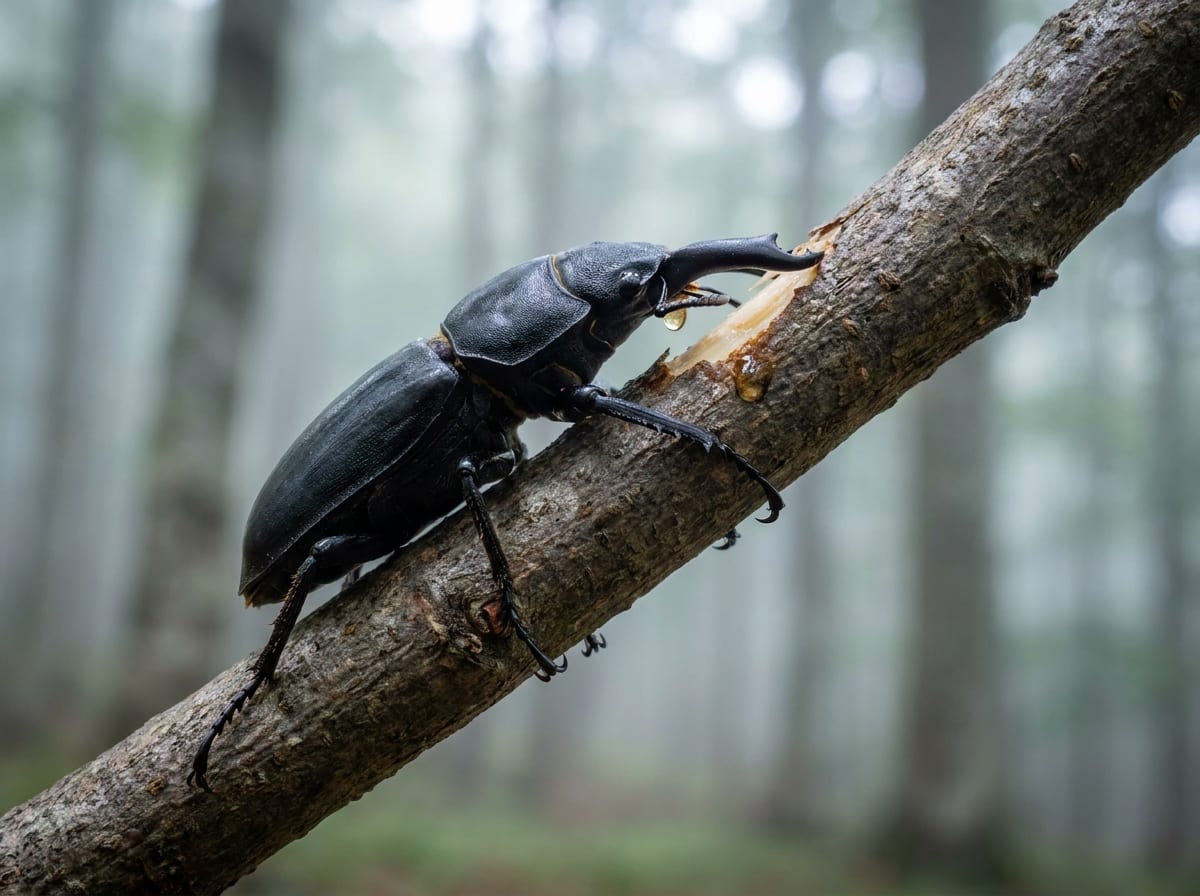
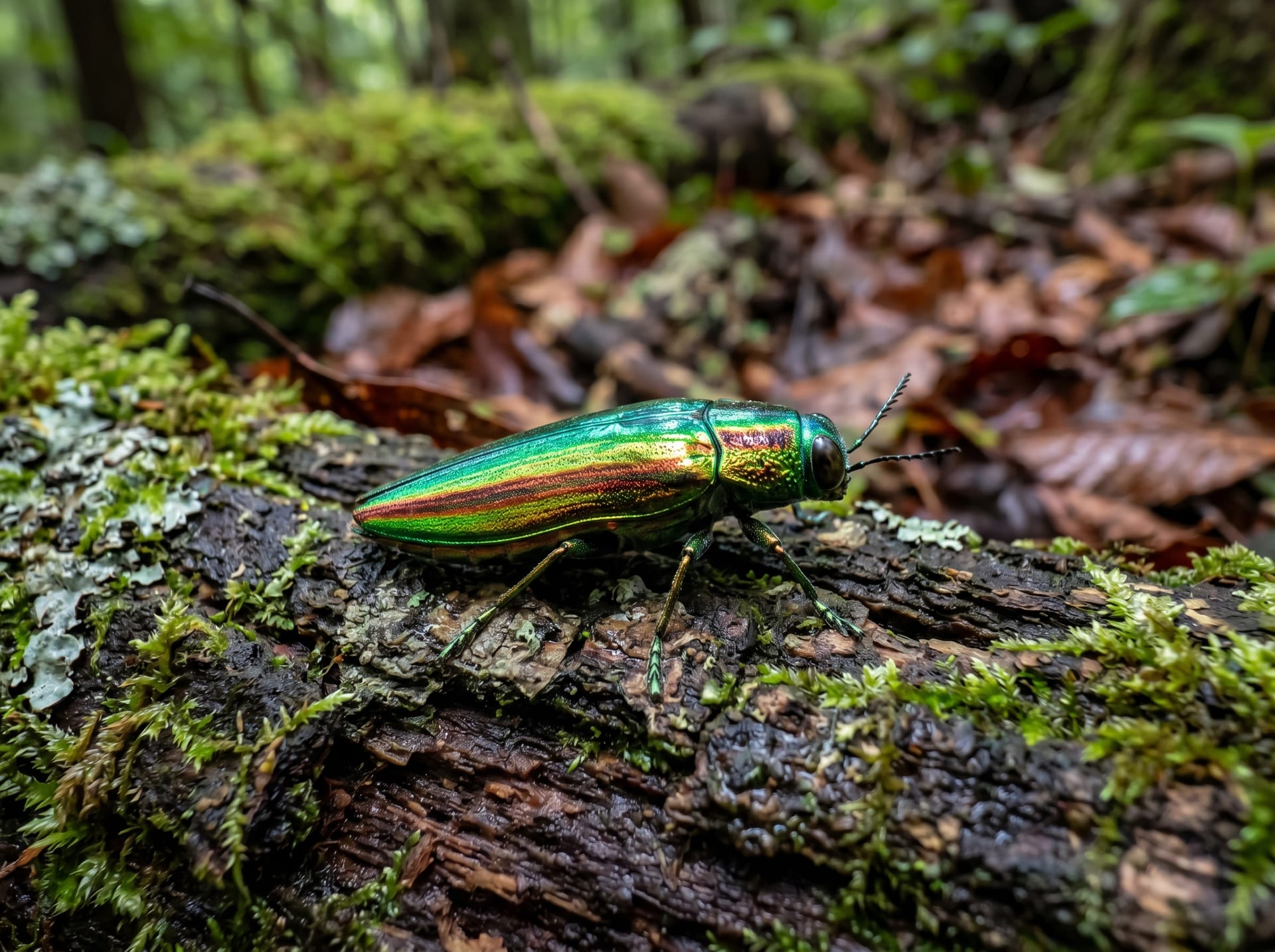
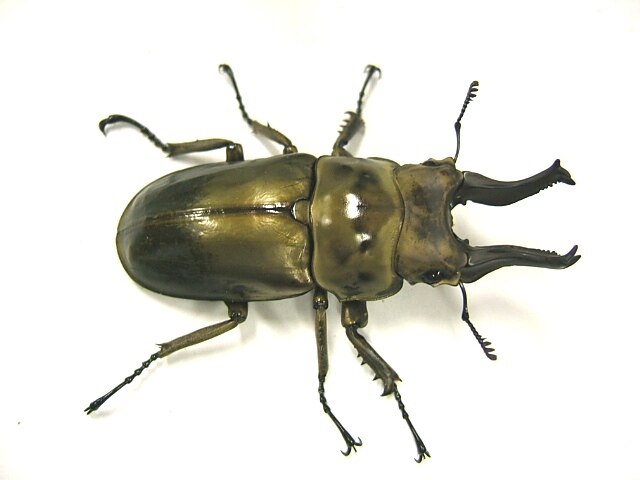
閃耀著金色光澤的美麗鍬形蟲。產自東南亞高地。濕度高時呈黑色,乾燥時則閃耀金色。成蟲壽命3~6個月,幼蟲6~10個月。昆蟲果凍(成蟲)、靈芝木材·菌絲(幼蟲)。
金色鍬形蟲(Allotopus屬)棲息於東南亞高地,全身被金色金屬光澤覆蓋,濕度高時則呈現黑色調,這是一種罕見的特性。體長約40~80毫米。由於是高地種,不耐高溫,飼育溫度必須保持在18~24℃的低溫管理。幼蟲飼育需要使用靈芝木材(靈芝木)或靈芝菌絲,在普通菌絲瓶中難以成長,這提高了飼育難度。容器內的濕度應保持較高,乾燥絕對禁止。產卵使用靈芝木材或專用菌床材。成蟲壽命約3~6個月,相對較短。因其壓倒性的美麗,被稱為「鍬形蟲的寶石」,是珍稀品種,是收藏家夢寐以求的對象。
產地
東南亞高地(婆羅洲·蘇門答臘等)
壽命
成蟲3~6個月、幼蟲6~10個月
體型
最大80毫米
溫度
20〜28℃
濕度
60〜80%
昆蟲果凍(成蟲)、靈芝木材·菌絲(幼蟲)
18~24℃(不耐高溫)
需要靈芝木材或靈芝菌絲
顏色變化取決於濕度
木材產卵需要柔軟的材料
飼育難度高。幼蟲飼育需要特殊的木材
適合高級. 這是一個高級難度的物種。需要專業設備和精確環境控制的高級飼養技能。
金色鍬形蟲的理想溫度為20〜28℃。推薦濕度為60〜80%。避免溫度驟變,保持穩定的環境。
金色鍬形蟲的平均壽命為成蟲3~6個月、幼蟲6~10個月。透過適當的護理和營養,牠們可以長壽健康地生活。
金色鍬形蟲成年後通常可達最大80毫米。大小可能因飼養條件和個體遺傳而異。
金色鍬形蟲的食物為:昆蟲果凍(成蟲)、靈芝木材·菌絲(幼蟲)。目標是適當的餵食頻率和均衡的飲食。
金色鍬形蟲的價格因品系、大小和血統而有很大差異。請查看我們的市場價格頁面獲取最新價格資訊。
最後更新: 2026年6月23日
代表產地
產地亞種
オウゴンオニクワガタ(Allotopus 属の総称)。黄金色の体色が特徴。サイズ記録は各種ページ(モセリ/モーレンカンプ/ローゼンベルグ等)を参照。
累代代碼說明
編輯與資料核驗: br-choku編輯部
本頁的分類·法規·飼養資料依據下列權威第一手來源編製並核驗。
參考的第一手來源
尋找此物種的商品
Stag Beetle Lifespan & Longevity Tips: Species-Specific Average Lifespan Guide
Average lifespans of stag beetles by species (sawyer, miyama, giant stag beetles, etc.) and tips for keeping them alive longer. We summarize specific points including temperature control, nutritional supplementation, and stress reduction.
Complete Stag Beetle Species Guide — Characteristics and Difficulty of Japanese and Popular Imported Species
Comprehensive guide to stag beetle species: Japanese natives like Dorcus hopei and Lucanus maculosus, plus popular imports like Giraffa, Palawan, and Caucasus stag beetles.
Stag Beetle Overwintering Care and Spring Awakening
Overwintering management for stag beetles: ideal temperature, humidity, substrate depth, resuming feeding after hibernation, and post-winter recovery care.
Stag Beetle and Rhinoceros Beetle Stage Management | Complete Guide to Larvae, Pupae, and Post-Emergence Care
Detailed explanation of the different breeding environments, temperatures, humidity levels, and feeding methods required for each stage from stag beetle and rhinoceros beetle larvae through pupae to adult management after emergence. Also covers the timing of stage transitions and important precautions.