兜蟲與鍬形蟲飼育入門|初心者也不會失敗的飼養方式
想開始飼養兜蟲與鍬形蟲的初心者必看。本文徹底解說飼育箱、墊材、食物的選擇方法,溫度管理、公母蟲的區分方式,以及延長壽命的訣竅。獨角仙和鍬形蟲是受到從兒童到成人等各世代喜愛的昆蟲。近年來,隨著飼養(繁殖)技術的進步,無論是國內產還是外國產都有許多種類流通市面。
要點總結
想開始飼養兜蟲與鍬形蟲的初心者必看。本文徹底解說飼育箱、墊材、食物的選擇方法,溫度管理、公母蟲的區分方式,以及延長壽命的訣竅。獨角仙和鍬形蟲是受到從兒童到成人等各世代喜愛的昆蟲。近年來,隨著飼養(繁殖)技術的進步,無論是國內產還是外國產都有許多種類流通市面。
相關品種

獨角仙和鍬形蟲是受到從兒童到成人等各世代喜愛的昆蟲。近年來,隨著飼養(繁殖)技術的進步,無論是國內產還是外國產都有許多種類流通市面。本文針對首次飼養獨角仙、鍬形蟲的人士,從基礎開始詳細解說飼育方法。在BreederDirect的昆蟲類別中,全國各地的飼育者直接銷售健康的個體。
墊材和床料的選擇
- 果蠅防護蓋: 配備防止果蠅進入的過濾器。最適合室內飼養
- 透明滑蓋盒: 省空間且可堆疊。方便個別管理
- 大型塑膠飼養盒: 用於配對或產卵設置。建議高度20cm以上
作為尺寸的參考,成蟲1對用S尺寸(寬約23cm)就足夠了。對於幼蟲飼養或產卵設置,請選擇M~L尺寸。選擇蓋子緊密閉合的飼養盒是防止逃脫的基礎。
墊材和床料
- 成蟲飼育用墊材: 針葉樹片或闊葉樹墊材較為常見。具有除臭、防蟎效果的產品很方便
- 幼蟲飼育用墊材: 以闊葉樹發酵製成。獨角仙用高發酵,鍬形蟲根據種類選擇使用
- 產卵用墊材: 細顆粒墊材。充分加水並緊密填充
每2~3週更換一次墊材,當表面變乾時用噴霧瓶加水。握住時能保持形狀的濕度是最合適的。
食物種類和餵養方法
- 昆蟲果凍: 最方便且衛生。16g(寬口杯)型易於進食
- 高蛋白果凍: 最適合產卵前的雌蟲或正在恢復體力的個體
- 香蕉、蘋果: 可作為補充餌料,但要注意容易引來果蠅
- 不應該給予的食物: 西瓜、哈密瓜等含水量高的水果(會導致腹瀉或虛弱)
每2~3天更換一次果凍以保持衛生。特別是在夏季,由於發黴和腐敗速度快,應經常檢查。
溫度管理
獨角仙和鍬形蟲的飼育適溫因種類而異,基本目標如下。
- 國產種(獨角仙、大鍬形蟲等): 20~28℃。即使常溫管理也可飼養
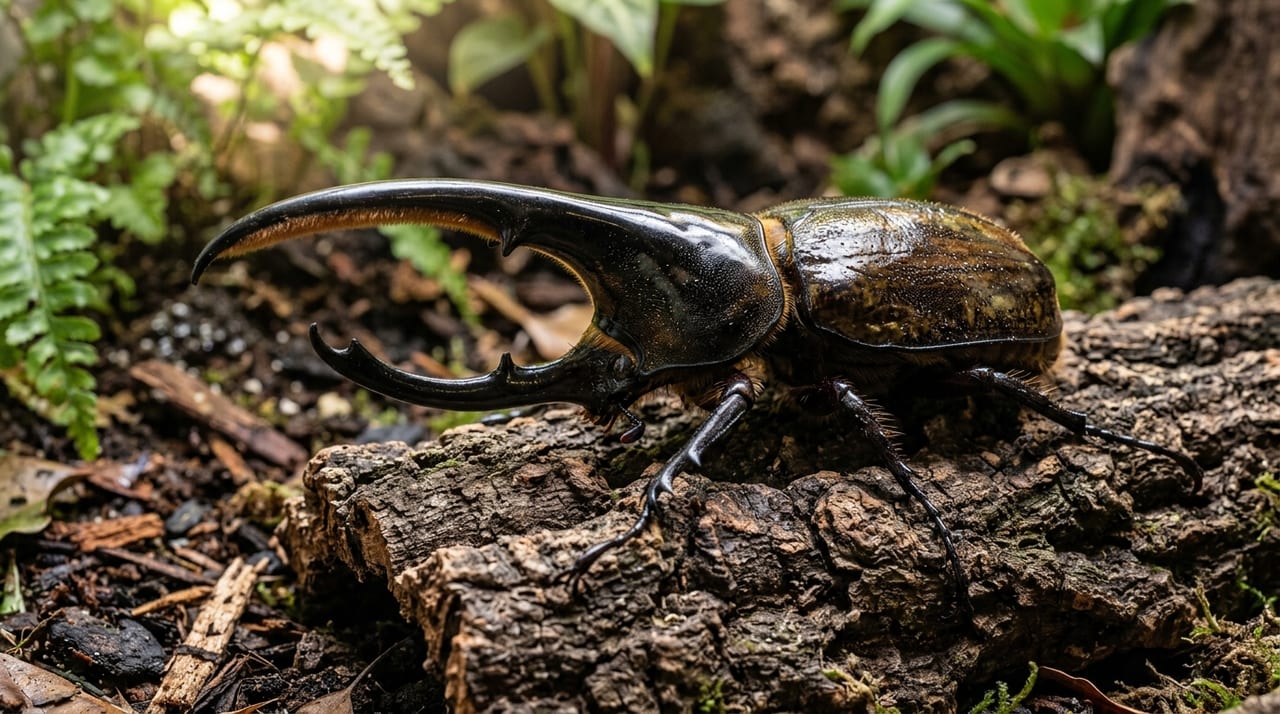
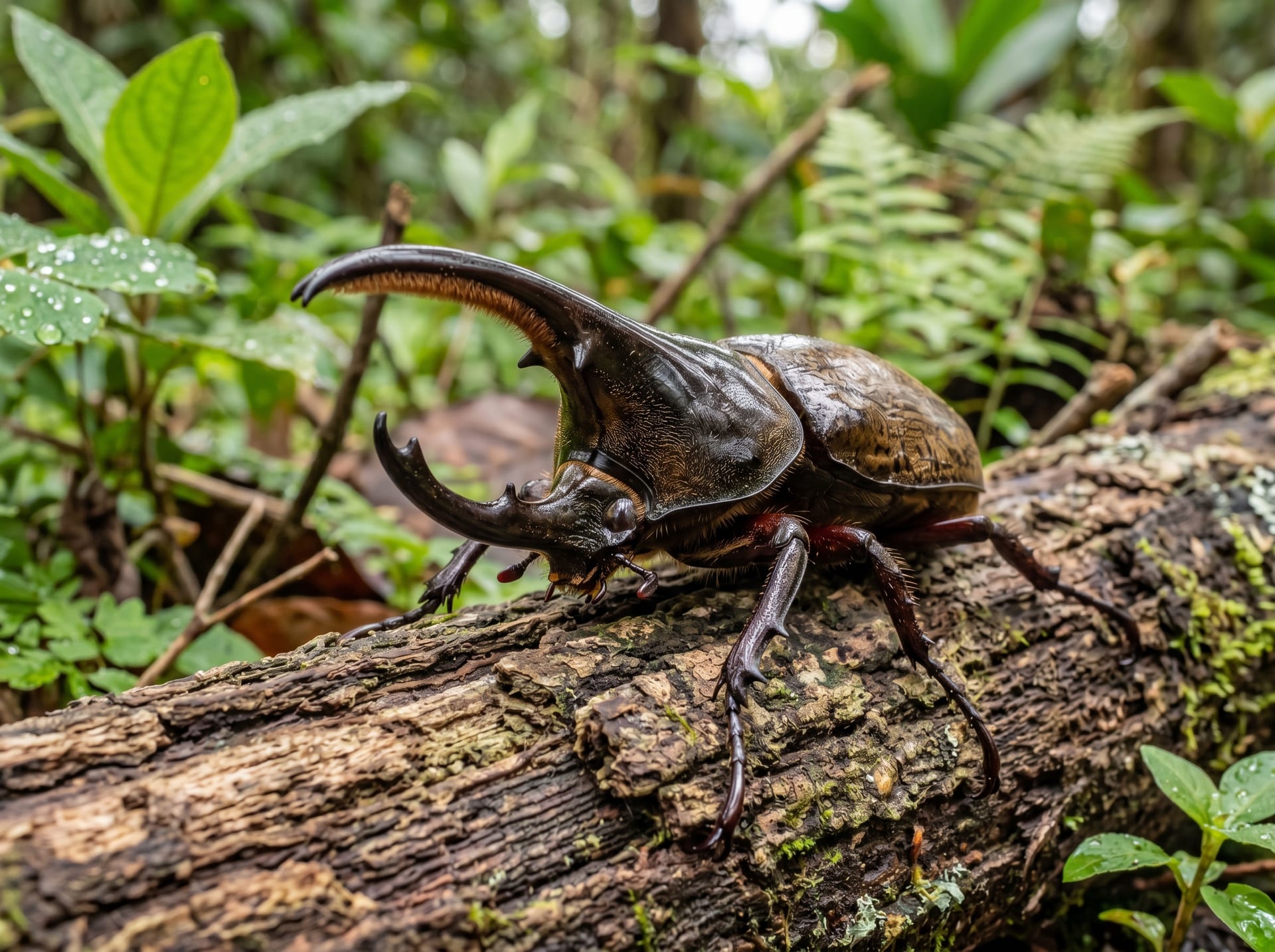
- 外國產獨角仙(赫拉克勒斯等): 20~25℃。大多數種類不耐高溫
- 外國產鍬形蟲(彩虹鍬形蟲等): 18~25℃。某些種類需要低溫管理
夏季溫度超過30℃時死亡風險會急劇上升。在有冷氣的房間或冷溫箱中管理是放心的做法。冬季,對於大鍬形蟲等越冬種,應厚鋪墊材,在15℃左右的涼爽地方管理。
雌雄蟲的分辨方法
獨角仙
- 雄蟲: 頭部有角。體型大且沉重
- 雌蟲: 沒有角。體型圓潤,前足跗節較短
鍬形蟲
- 雄蟲: 大顎發達。體長較大
- 雌蟲: 顎較小。許多種類可根據前足跗節形狀判別
在幼蟲階段,可根據三齡幼蟲腹部末端是否有卵巢來判別(許多種類的雌蟲腹側會顯示奶油色斑點)。
延長壽命的竅門
- 單獨飼養 — 同居會因打鬥造成壓力而縮短壽命
- 維持適溫 — 避免溫度急劇變化
- 保持清潔 — 經常更換墊材和果凍以防止蟎蟲和黴菌繁殖
- 不要過度觸摸 — 處理造成的壓力出乎意料地大。用眼睛觀察來享受
- 提供優質餌料 — 用高蛋白果凍或香蕉來補充營養
大鍬形蟲在適當管理下成蟲可活3~5年。國產獨角仙的成蟲壽命較短,僅2~3個月,但若細心管理仍可享受更長時間。
從BreederDirect購買的好處
在BreederDirect上,你可以直接從獨角仙和鍬形蟲的飼育者購買。
- 血統、產地明確: 可直接向飼育者確認世代數(CBF1、CBF2等)和採集地資訊
- 可選擇健康個體: 可取得由飼育者細心管理的健壯個體
- 可獲得飼育建議: 初學者也很放心。可諮詢餌料和溫度管理的具體技巧
- 無中間費用: 不經過商店的直接交易,能以合理價格獲得優質個體
關於鍬形蟲幼蟲的飼育方法,也請參考鍬形蟲幼蟲飼育基礎。
飼育中最重要的是溫度和濕度管理
在昆蟲飼育中,溫度和濕度控制是最基礎但也最重要的要素。國產大鍬形蟲適溫為20~25℃,但外國產赫拉克勒斯等則需維持在23~26℃。溫度過高會導致幼蟲提早羽化而變小,過低則發育遲延,最糟情況下會死亡。濕度以60~70%為目標,應定期用噴霧瓶加濕以防止墊材過乾。在飼養盒旁設置溫濕度計並養成每天檢查的習慣,是飼育成功的秘訣。特別是夏季冷氣管理和冬季保溫措施,是養殖健康個體的基礎。