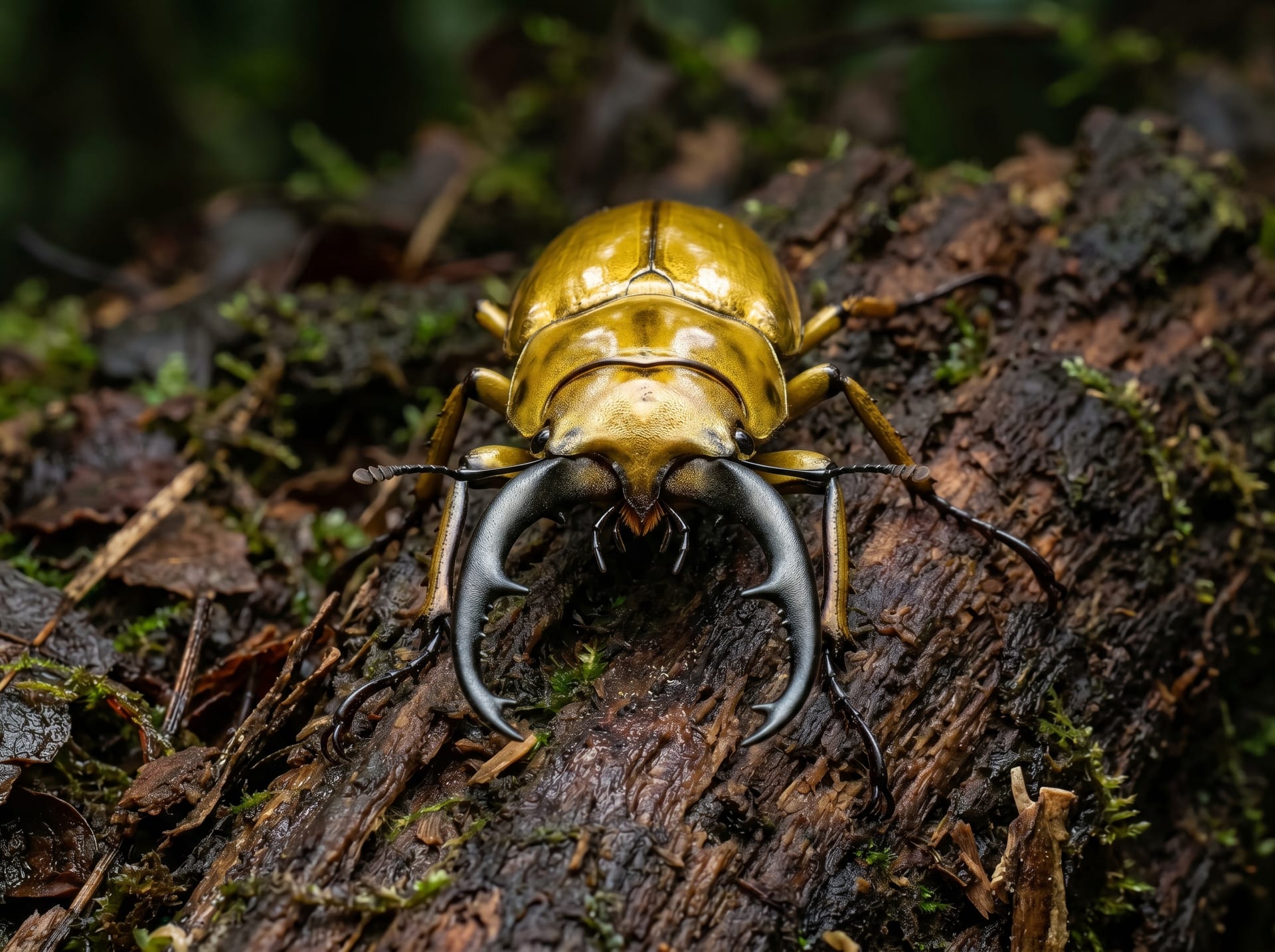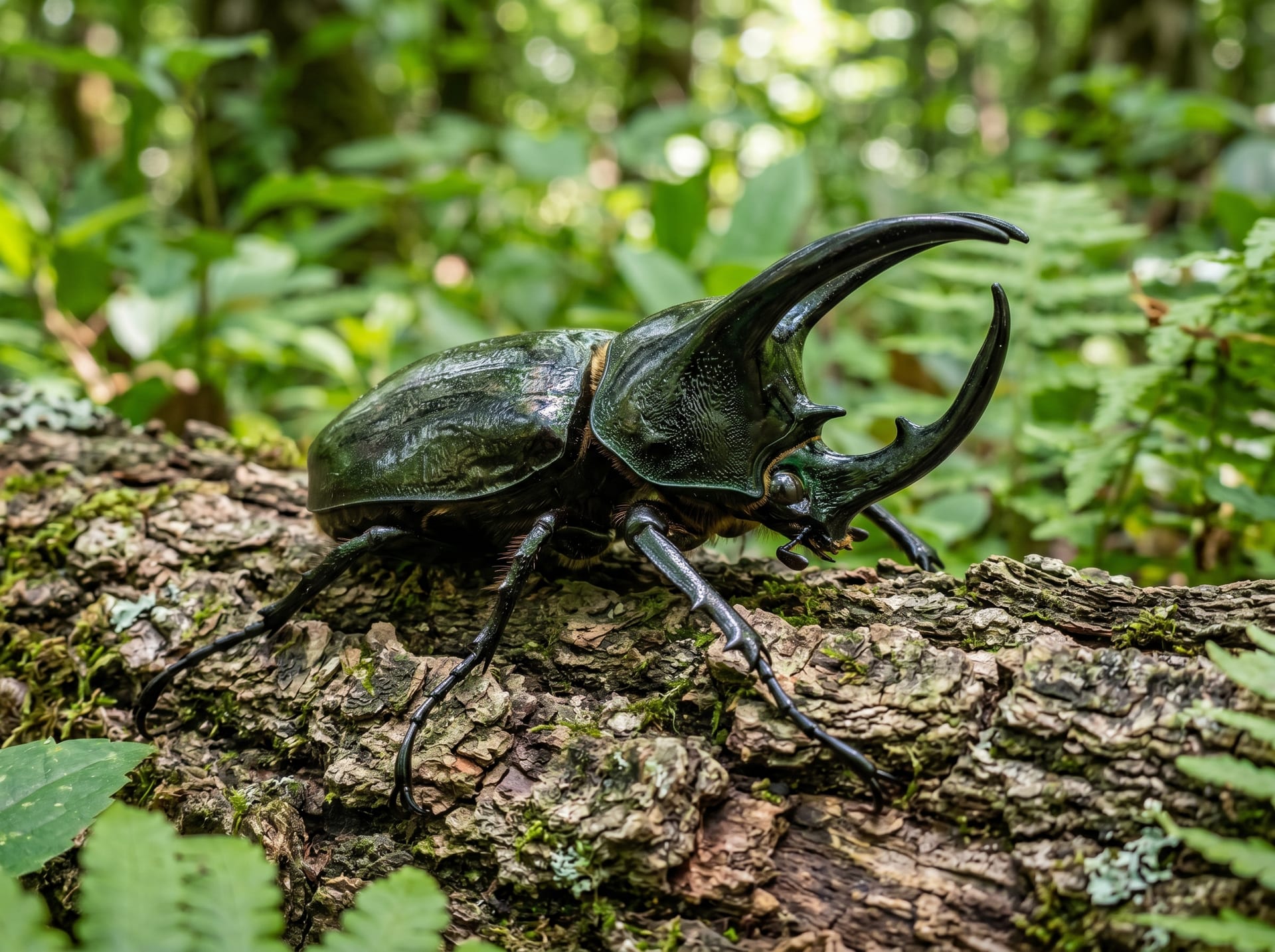
AI 生成圖像
高加索獨角仙
適合中級Chalcosoma chiron
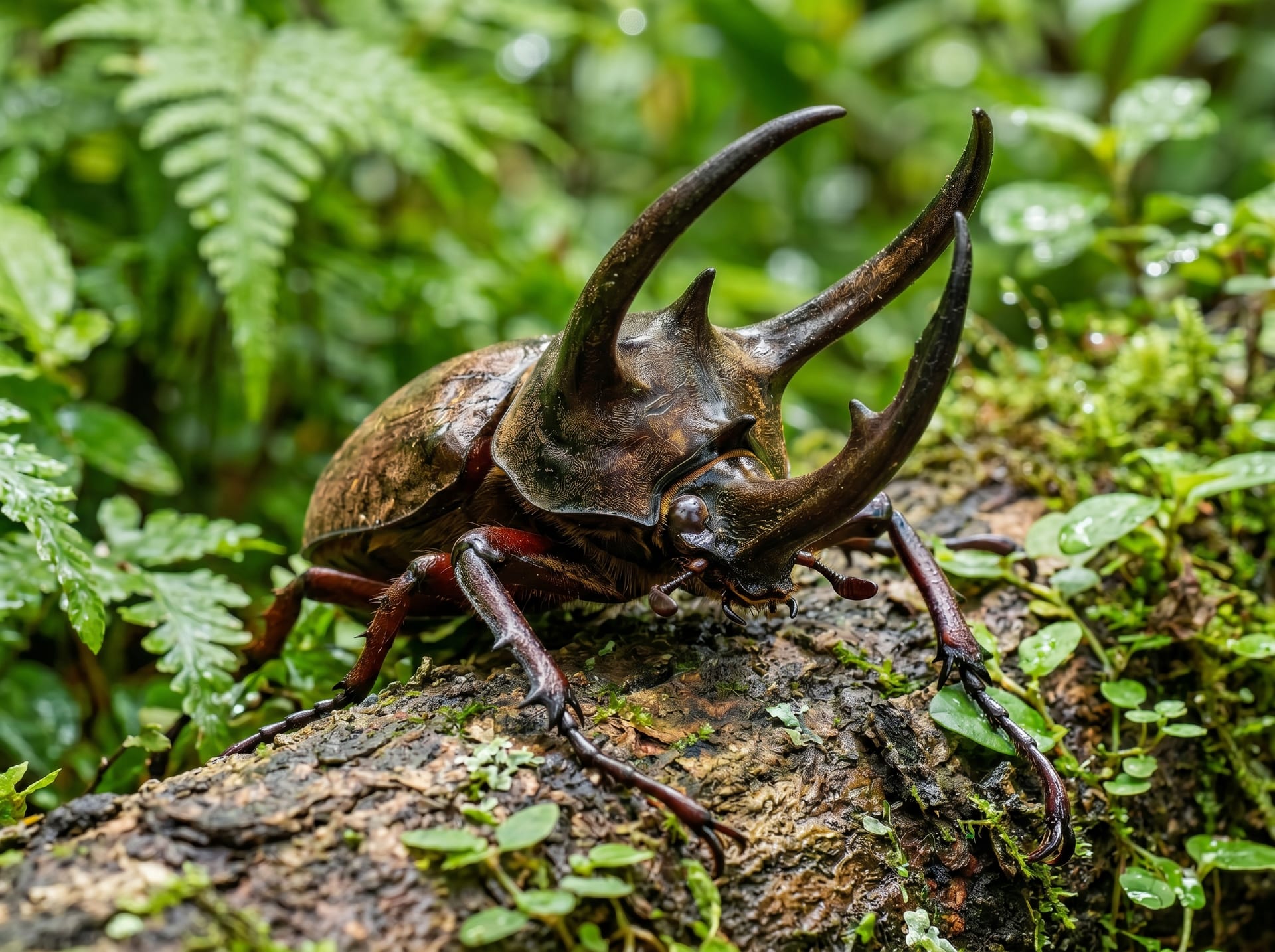
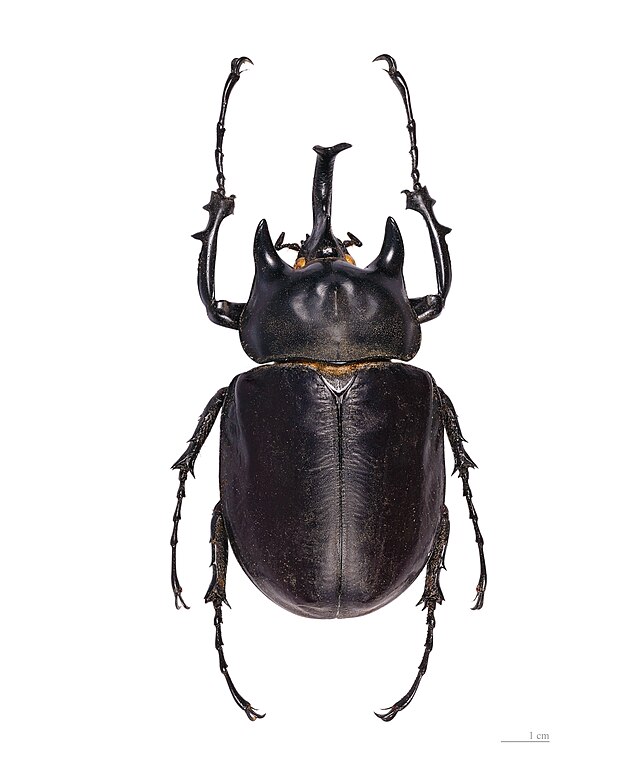
東南亞最大的獨角仙。具有3條長角特徵,性格好鬥。比海克力士更容易獲得,很受歡迎。成蟲壽命3~6個月,幼蟲1年。
難度
適合中級
溫度
18〜25℃
壽命
成蟲3~6個月,幼蟲1年
體型
最大130毫米
濕度
60〜80%
飲食
昆蟲果凍(成蟲)、發酵墊料(幼蟲)
關於我們
高加索獨角仙(Chalcosoma chiron)分佈於馬來西亞、印尼、泰國等東南亞熱帶雨林地區,是亞洲最大的獨角仙。雄蟲頭部有1條、胸部有2條,共3條長角,全長可達50~130毫米。體色呈有光澤的深綠色至黑色。性格非常好鬥,在與其他個體的爭鬥中會巧妙地運用3條角。飼養箱應使用帶防果蠅過濾器的中型至大型箱,鋪上15厘米以上的發酵墊料。由於性格好鬥,配對時需要短時間進行並需要觀察。與海克力士並稱「世界最強的甲蟲」,是受歡迎的品種。
Source: Wikipedia (CC BY-SA 4.0)
高加索獨角仙的壽命
高加索獨角仙的壽命為成蟲3~6個月,幼蟲1年。
以昆蟲果凍為主食,成蟲壽命約3~6個月。
高加索獨角仙的體型
高加索獨角仙的成體體型為最大130毫米。
高加索獨角仙的適溫與濕度
高加索獨角仙的適溫為18〜25℃。
飼養溫度以18~25℃為宜,特別怕高溫(28℃以上),因此夏季溫度控制很重要。
基本資訊
產地
東南亞(馬來西亞、印尼、泰國)
壽命
成蟲3~6個月,幼蟲1年
體型
最大130毫米
溫度
18〜25℃
濕度
60〜80%
飲食
飼育記錄與產地
飼育記錄(♂)
129.4 mm
記錄來源: BE-KUWA 2025年度版(高加索·泰國大陸 人工飼養129.4mm 藤井聖哲 2025、全長=含角)
代表產地
蘇門答臘爪哇馬來半島印度支那
產地亞種
- Chalcosoma chiron chiron(指名亞種) — 爪哇
- Chalcosoma chiron janssensi — 蘇門答臘
- Chalcosoma chiron kirbyi — 馬來半島
- Chalcosoma chiron belangeri — 印度支那
Chalcosoma最大種。具有銳利的3根角。根據產地大小不同(泰國大陸型129.4 / 馬來128.1 / 原名亞種119.6mm)。紀錄為包含角的全長。飼育紀錄在BE-KUWA(蟲社)的賽事中每年更新。根據產地、累代(CBF/WF/WD)、體型,個體價值差異很大。
累代代碼說明
- WD
- 野外採集個體
- WF1
- 野外採集雌蟲所產的下一代
- F1〜
- 同產地同種的累代(世代數)
- CBF1
- 異產地交配後重新計代的累代
參考與來源
編輯與資料核驗: BreederDirect編輯部
本頁的分類·法規·飼養資料依據下列權威第一手來源編製並核驗。
分類與學名依據
學名(受理名): Chalcosoma chiron (Olivier, 1789)
異名: Chalcosoma caucasus bidentata Endrödi, 1976, Chalcosoma caucasus crassicornis Endrödi, 1976, Chalcosoma caucasus edentata Endrödi, 1976, Chalcosoma caucasus inornata Endrödi, 1976, Chalcosoma caucasus janssensi Becker, 1937, Geotrupes caucasus Fabricius, 1801, Scarabaeus belangeri Guérin-Méneville, 1834, Scarabaeus chiron Olivier, 1789
權威資料庫: GBIF
學名、命名者與異名依據全球分類學權威資料庫。
法規與保育狀況
非CITES管制
植物防疫法: 進口金龜子上科(獨角仙、鍬形蟲、花金龜等)活體時,須附上由出口國政府機構等依外來生物法發行的物種名稱證明書(進口港限於成田、中部、關西、福岡、鹿兒島各機場)。本物種本身不屬特定外來生物,憑證明書即可進口。
來源: 環境省外來生物法「進口金龜子上科活昆蟲須知」 / CITES 附錄(checklist.cites.org)
法規可能修訂,請以各主管機關的最新第一手資訊為準。
高加索獨角仙商品
正在載入最新商品尋找此物種的商品