Dog Encyclopedia — 223 Species Directory
Encyclopedia of popular dog breeds with traits, temperament, and care guides.
Browse by size
Showing 15 of 223 species
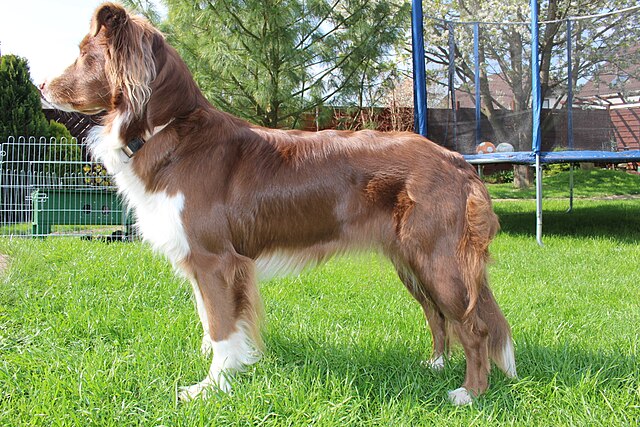 © Trickdog-Fina / CC BY-SA 3.0
Australian Shepherd
American-origin herding dog. Beautiful merle coat and heterochromia. Extremely smart and athletic.
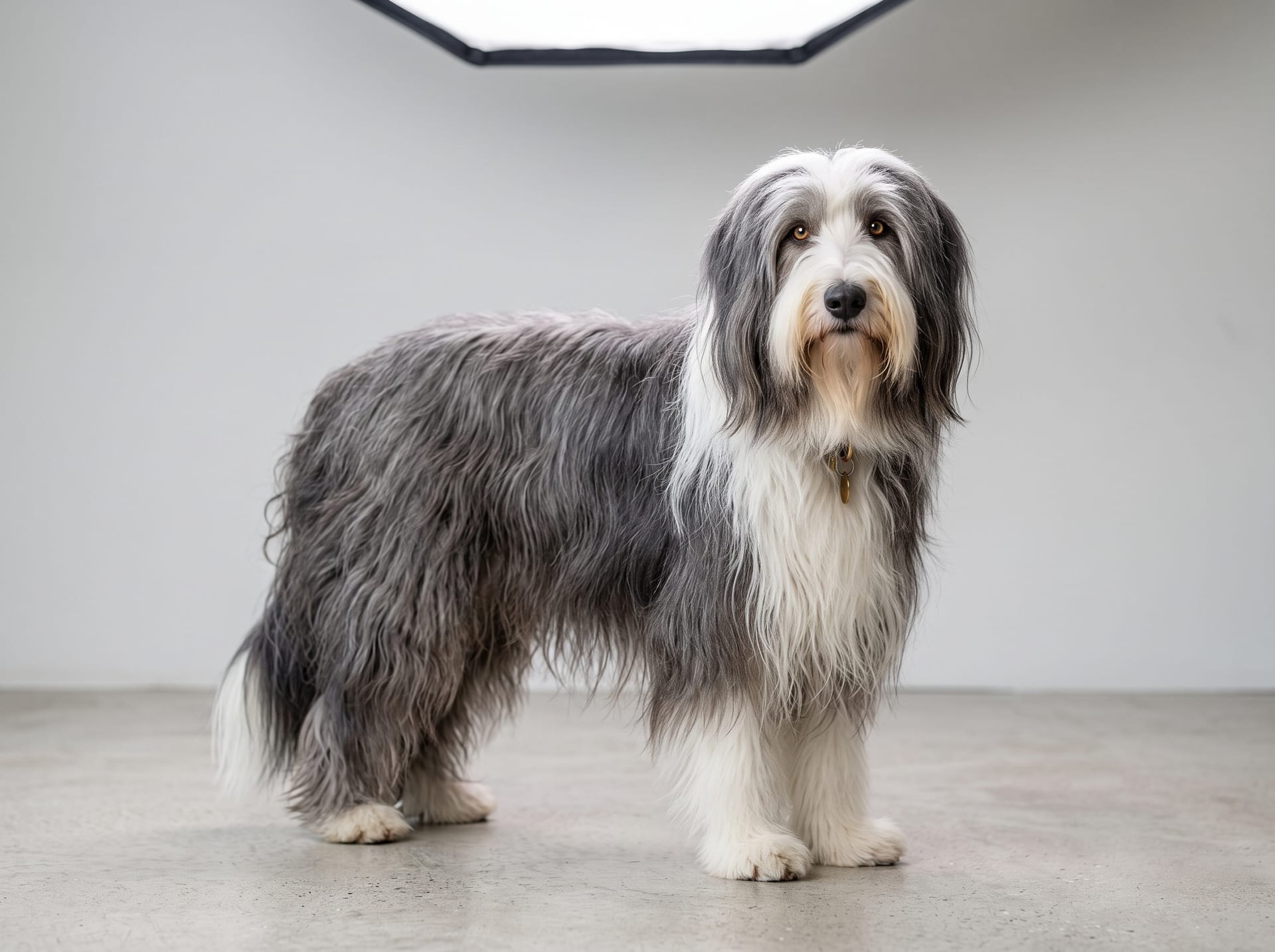
Bearded Collie
An all-weather herding dog trademarked by its beard. Calm, intelligent and popular as a family dog.
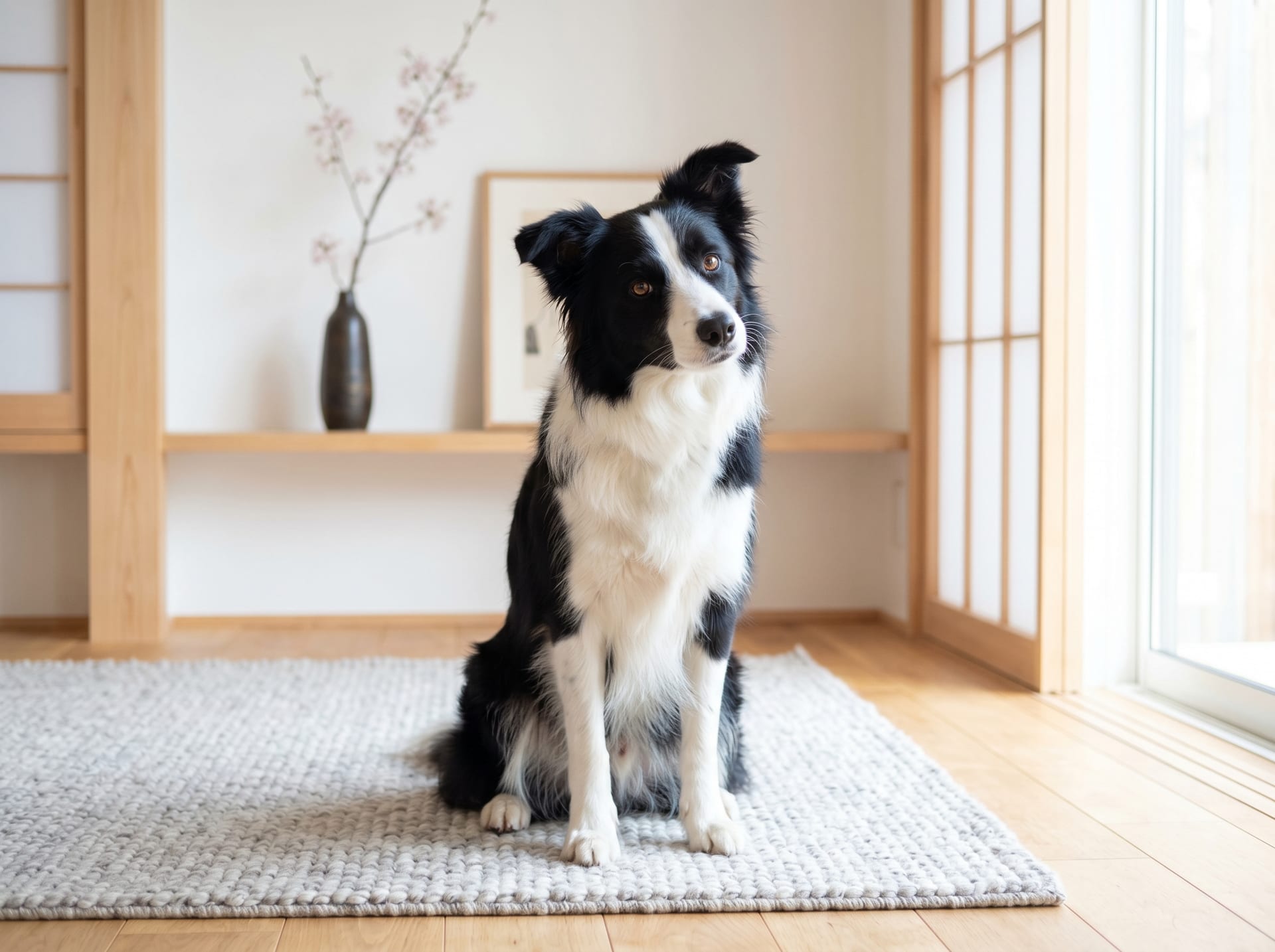
Border Collie
Considered the most intelligent of all breeds. Extraordinary focus and athleticism.
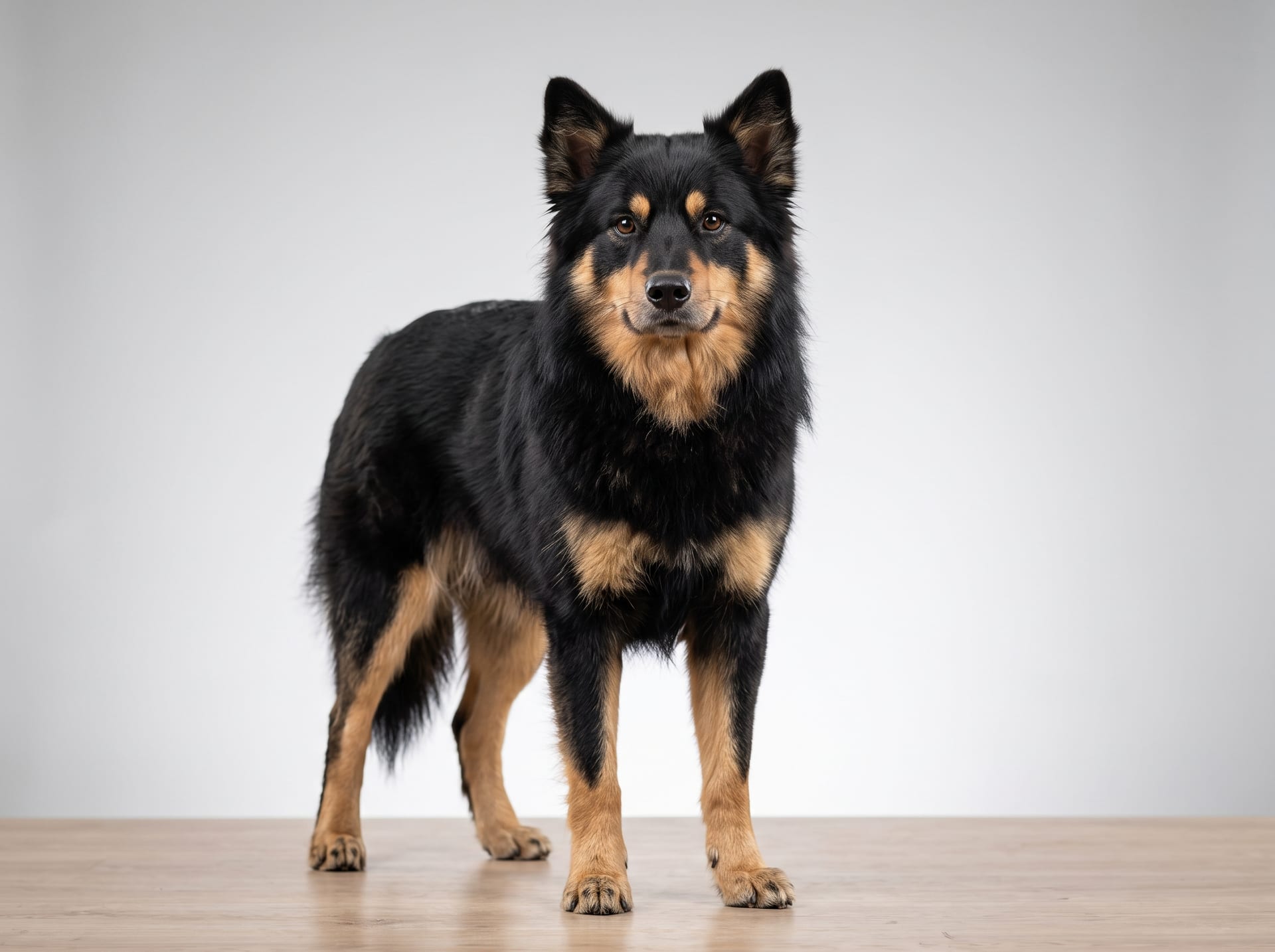
Lapponian Herder
A Finnish herding spitz that has driven reindeer across Lapland for centuries. Docile, calm and eager to work.
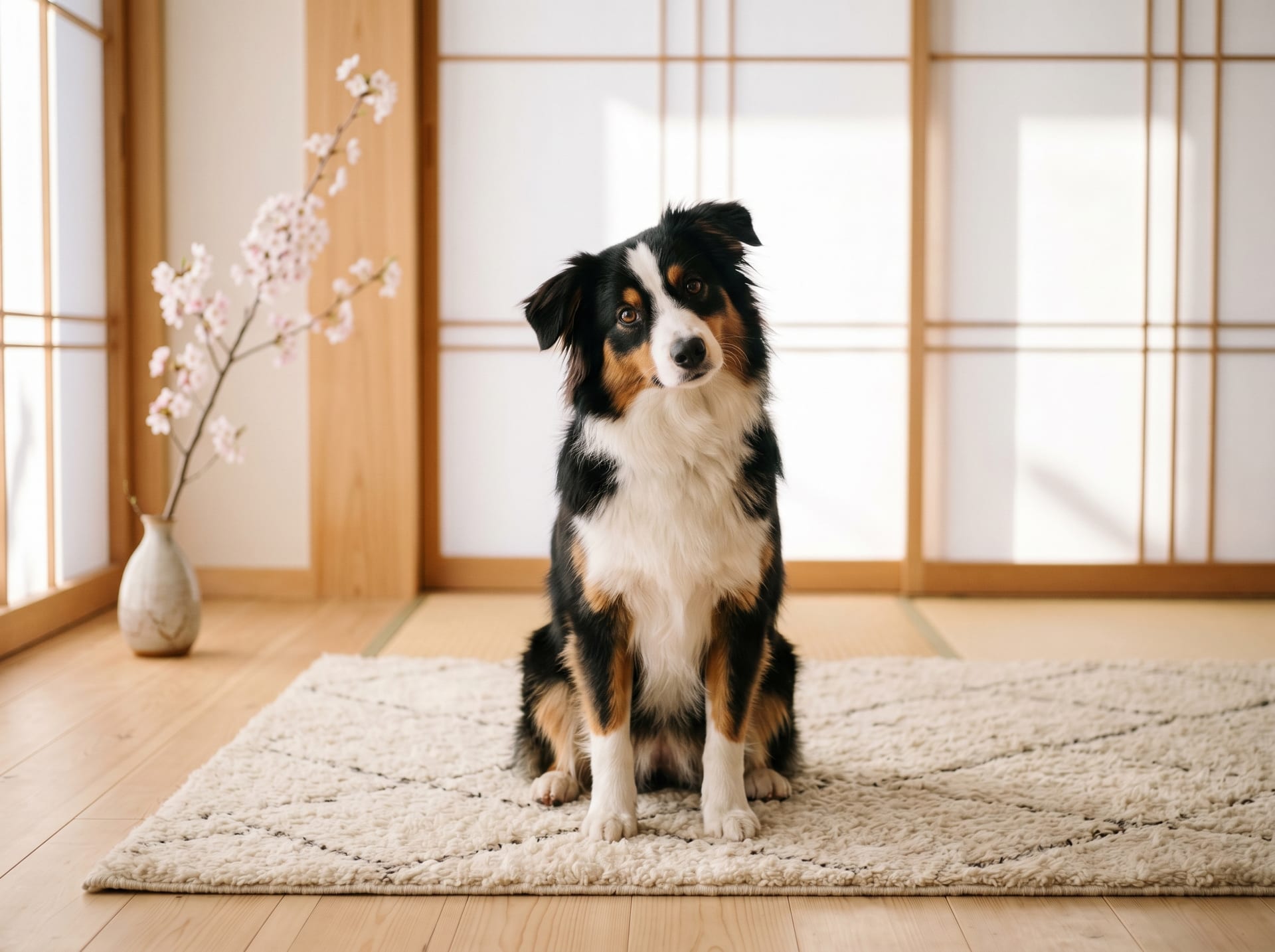
Miniature American Shepherd
Smaller version of the Australian Shepherd. Smart and active with high working ability in a compact body.
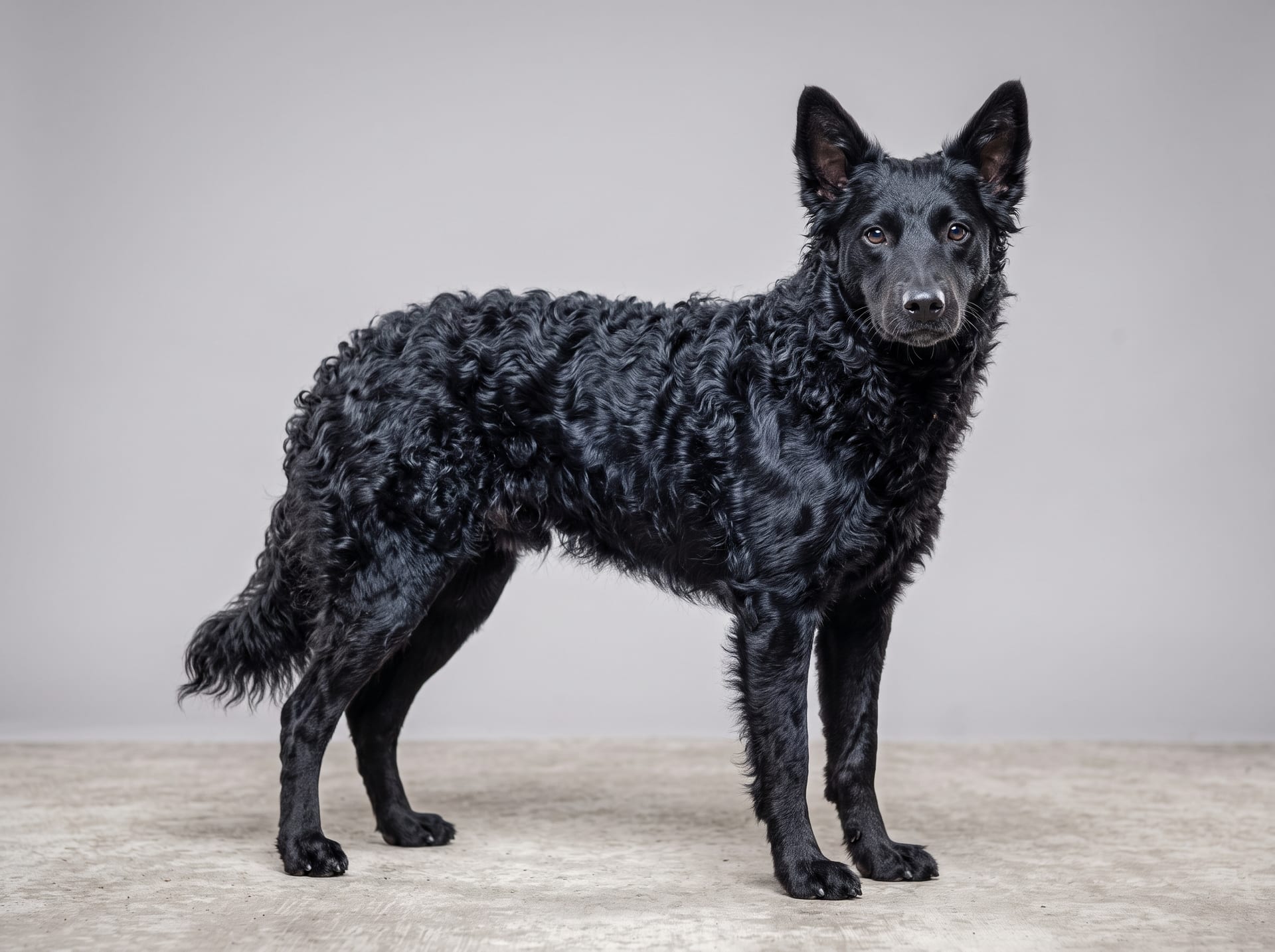
Mudi
Hungary's all-round herding dog, equally at home driving stock, hunting or guarding. Highly intelligent, cheerful and eager to work.
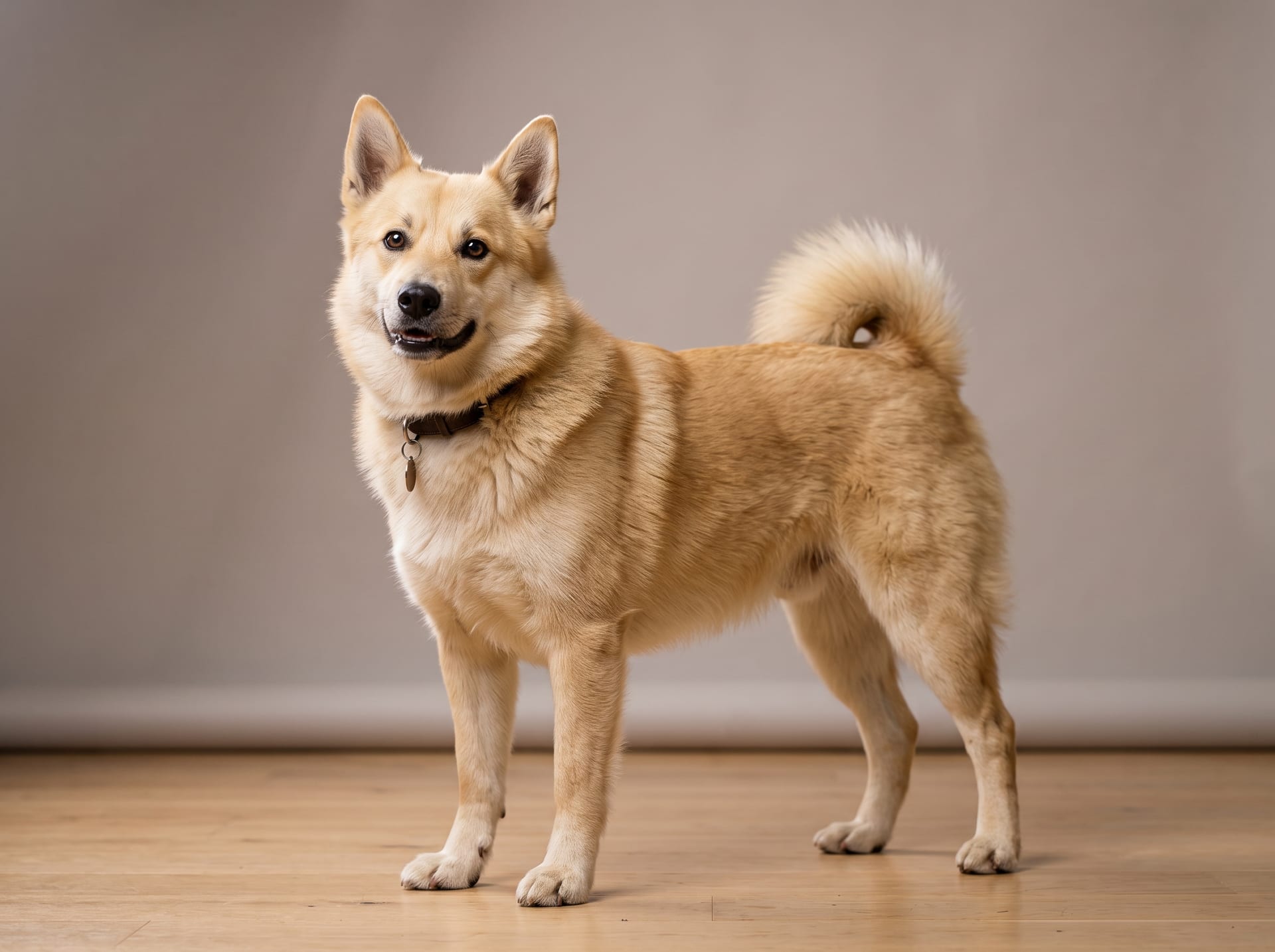
Norwegian Buhund
A spitz that has worked Norwegian farms for over two thousand years. Brave, energetic and people-friendly.
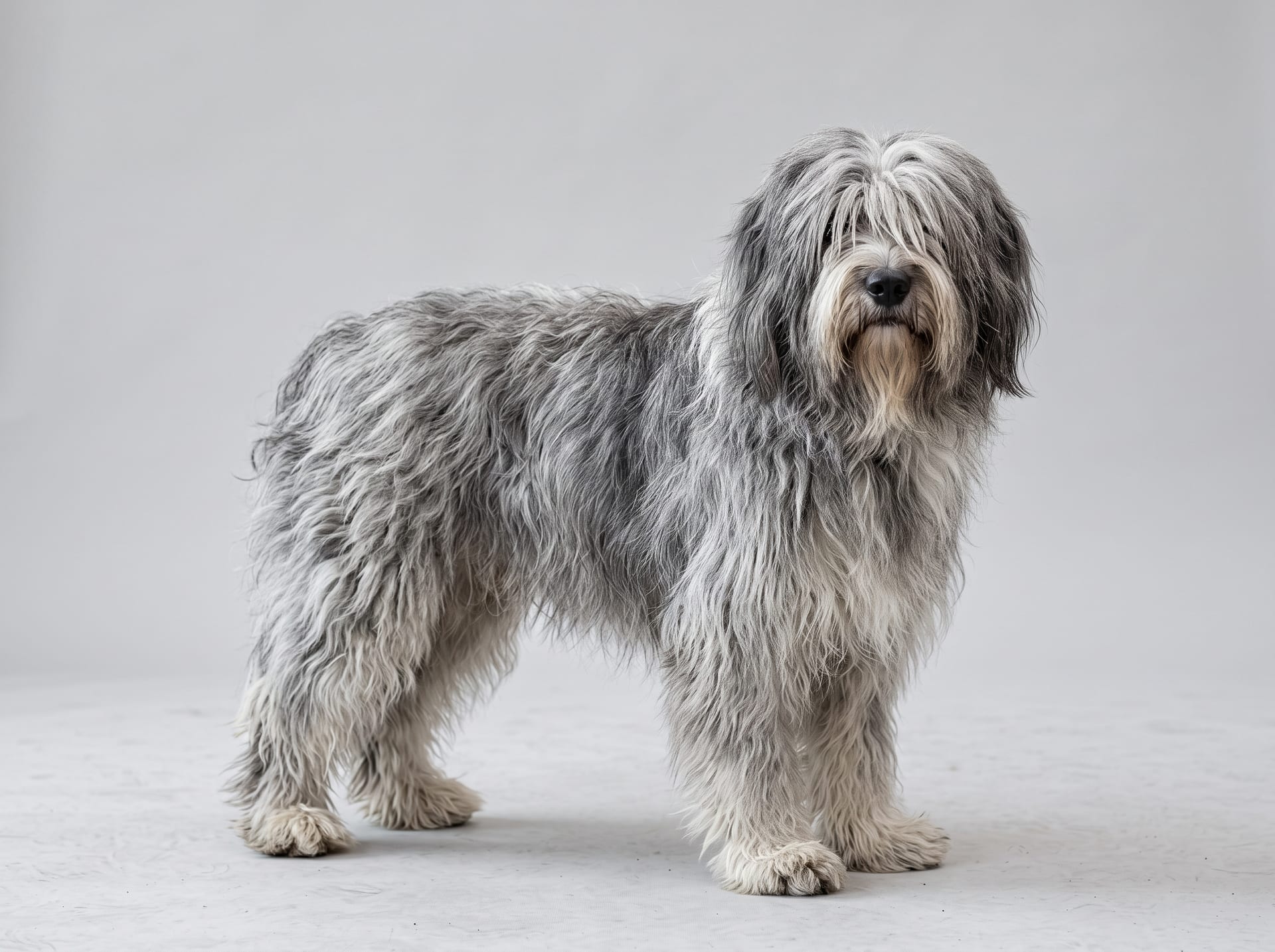
Polish Lowland Sheepdog
An old Polish herding breed said to be an ancestor of the Bearded Collie. Lively yet composed, with an excellent memory.
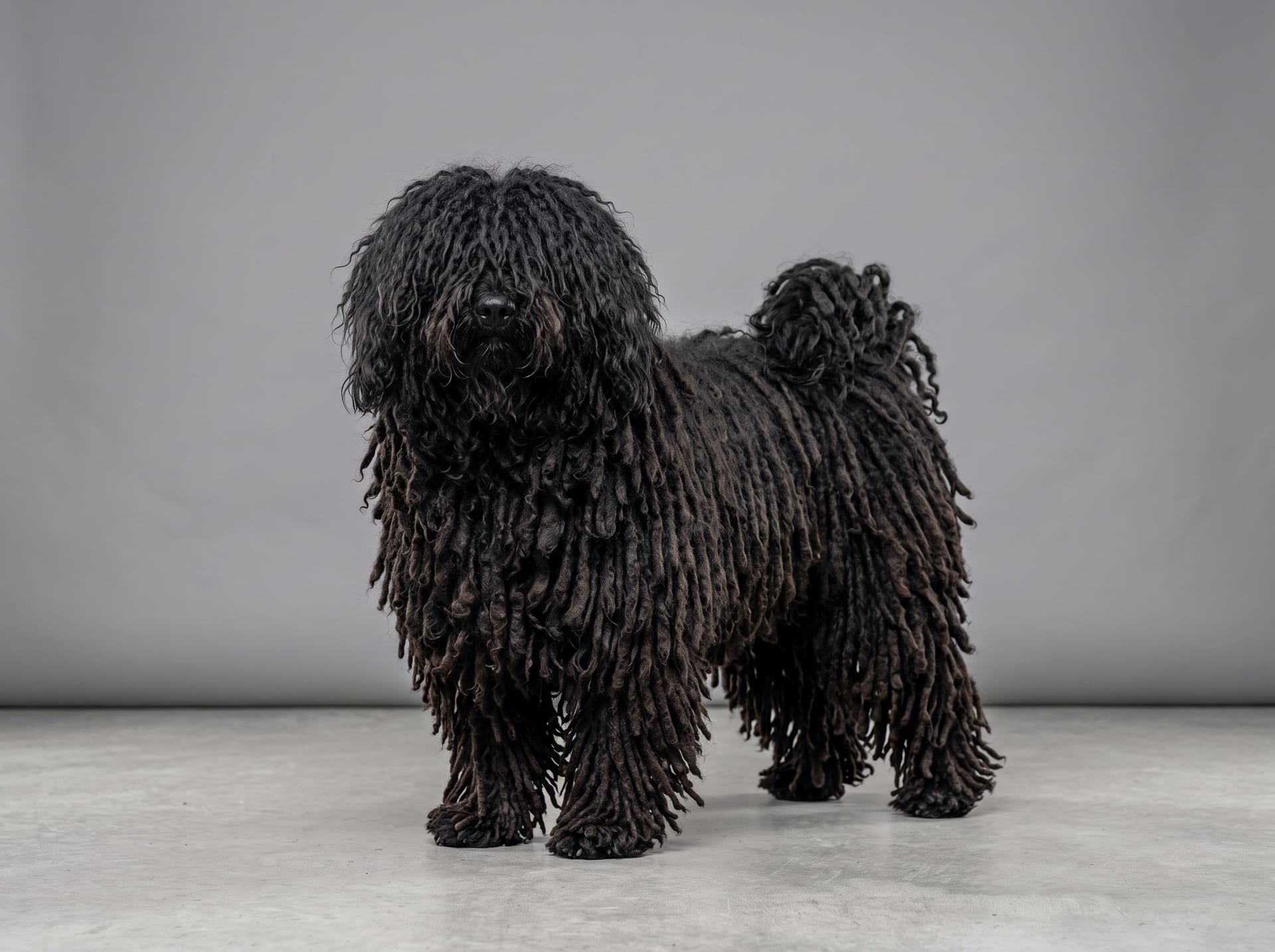
Puli
A Hungarian herding dog famous for its corded coat. Lively, quick to learn, good with children and an excellent watchdog.
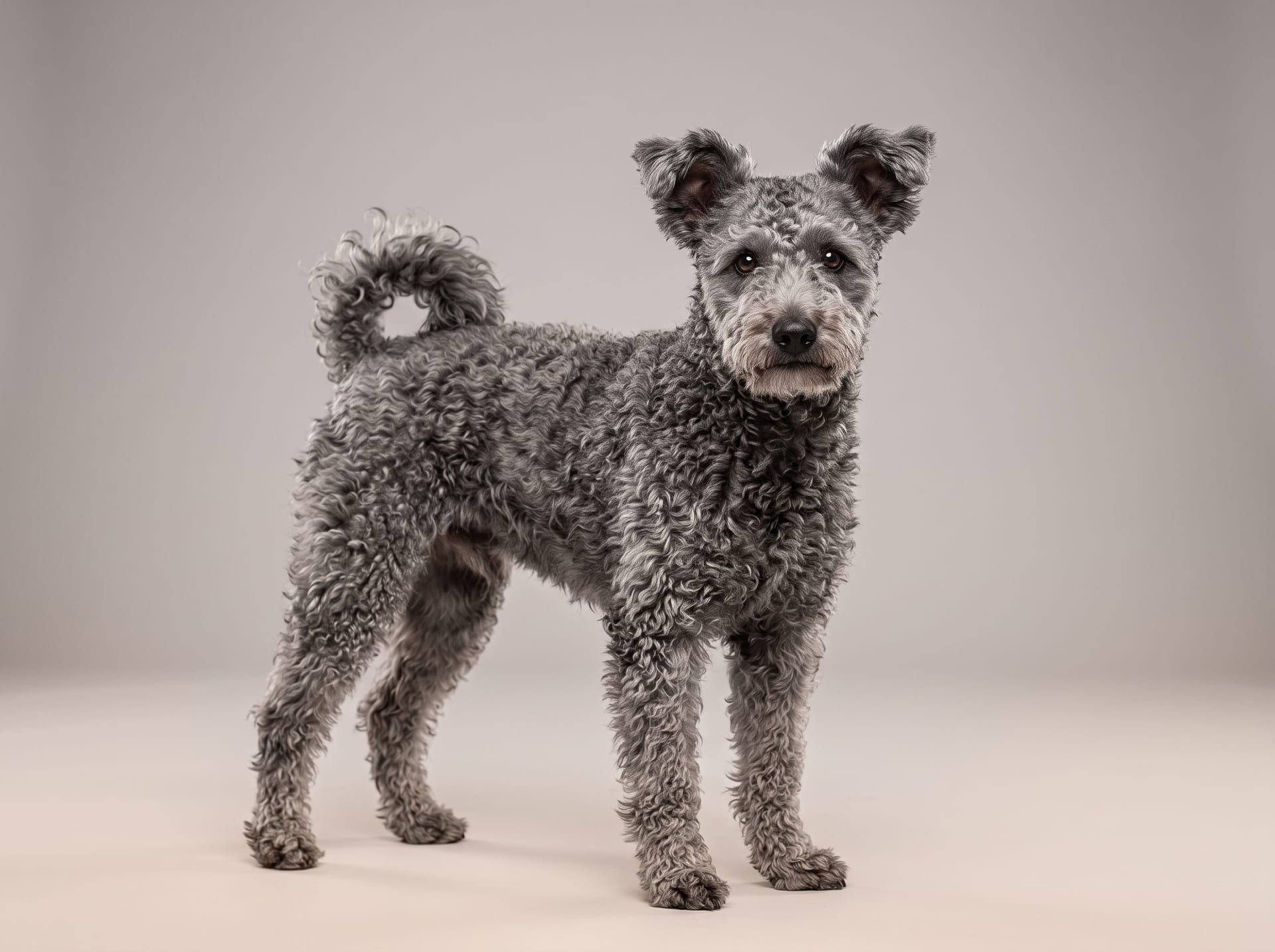
Pumi
A Hungarian herding dog born from crosses of the Puli with terrier types. Highly active, courageous and expressive.
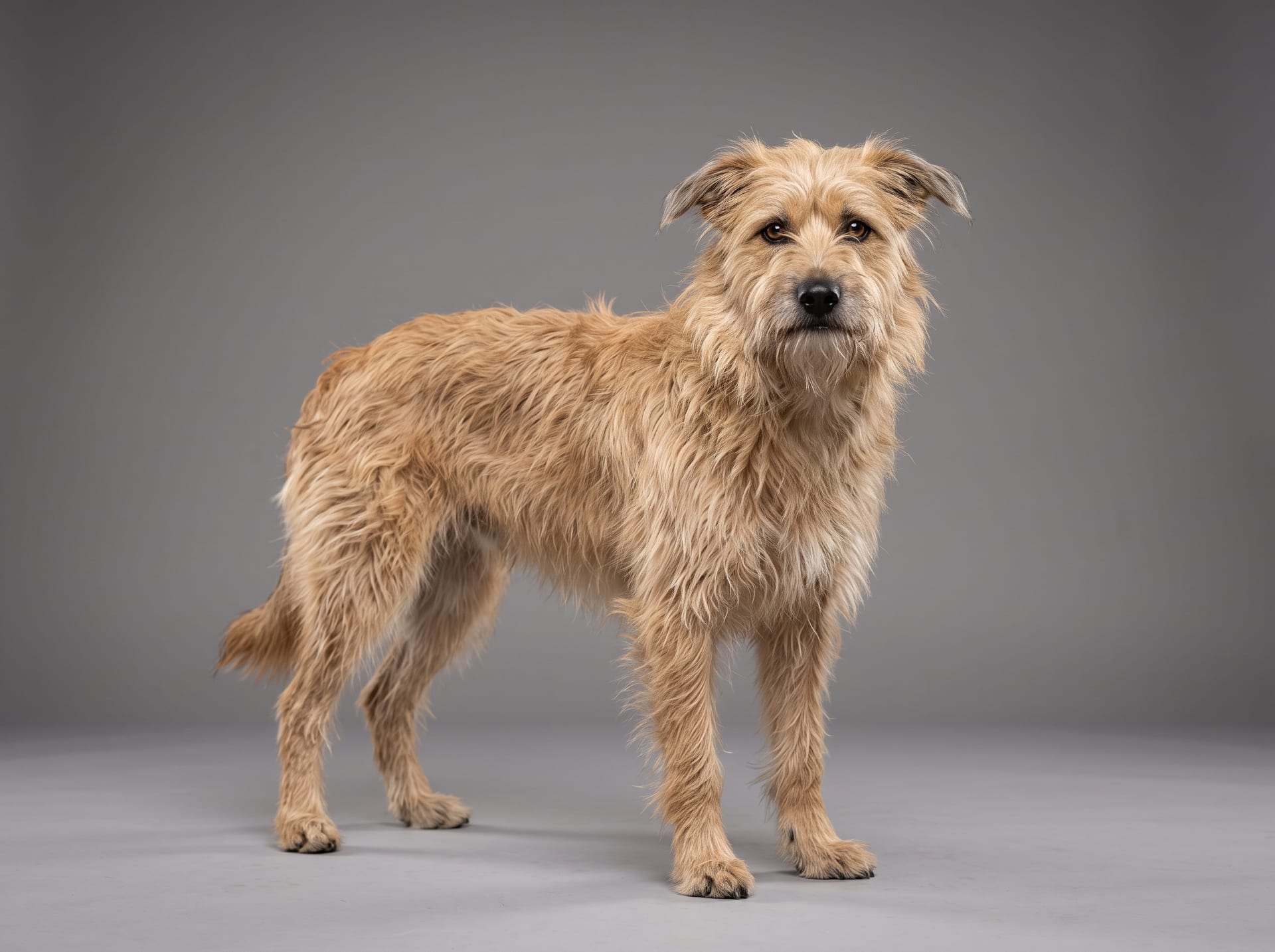
Pyrenean Sheepdog
A Pyrenean sheepdog generating great energy from a small frame. Brave, agile and deeply loyal to its master.
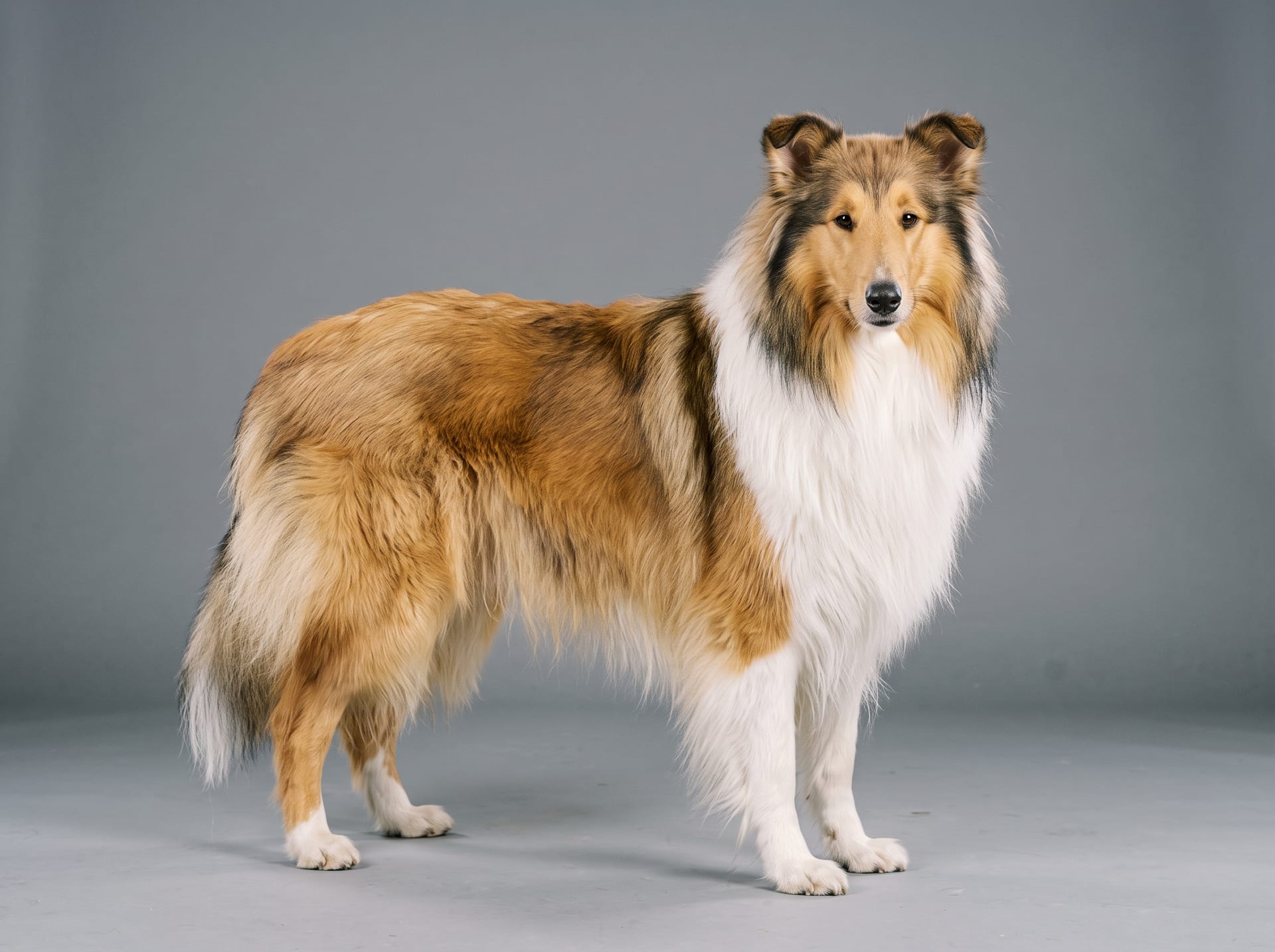
Rough Collie
A Scottish sheepdog beloved by Queen Victoria. Graceful and dignified, one of the friendliest of family dogs.
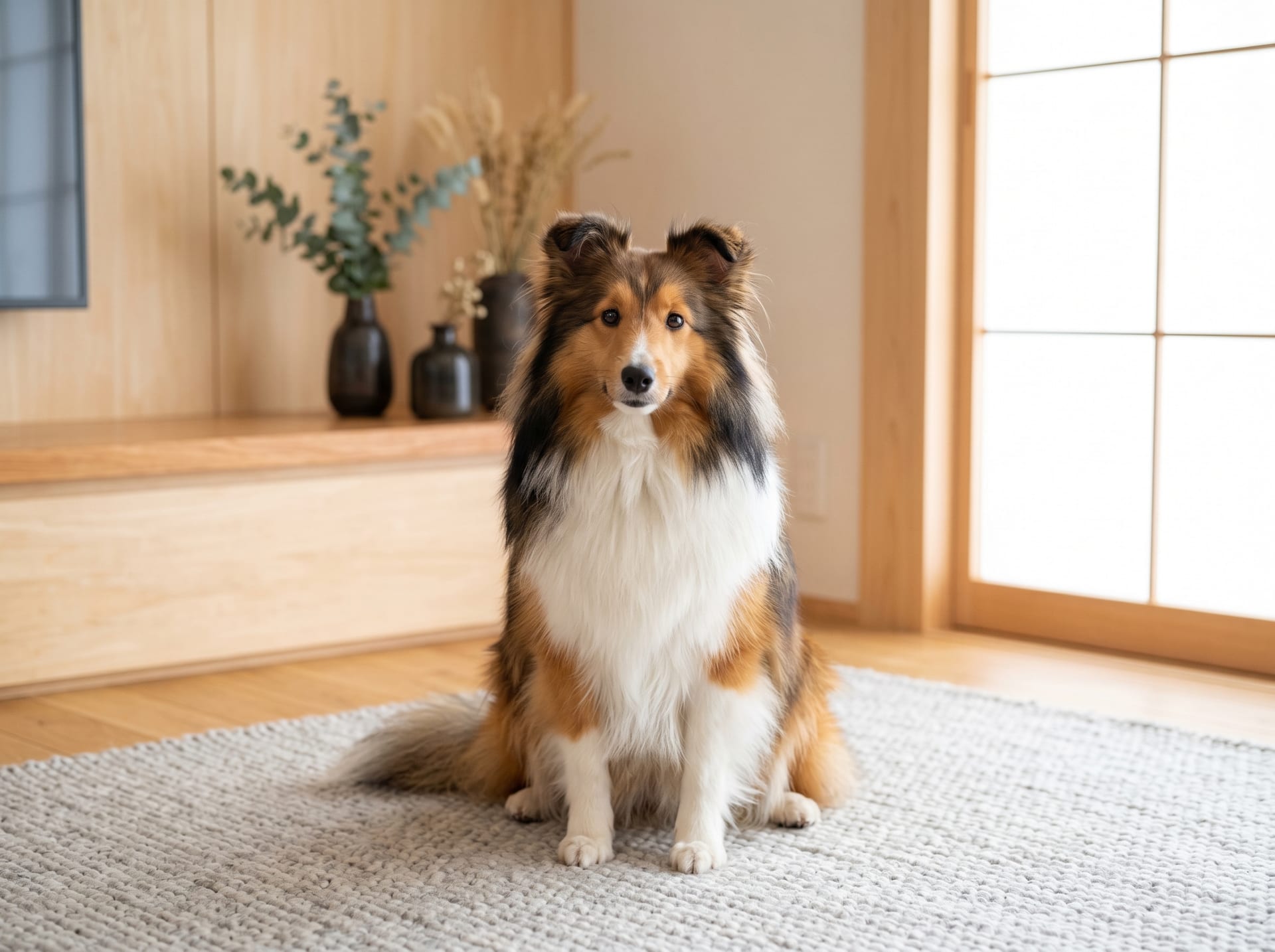
Shetland Sheepdog
Elegant herding dog resembling a miniature Collie. Highly intelligent and trainable. Devoted to family.
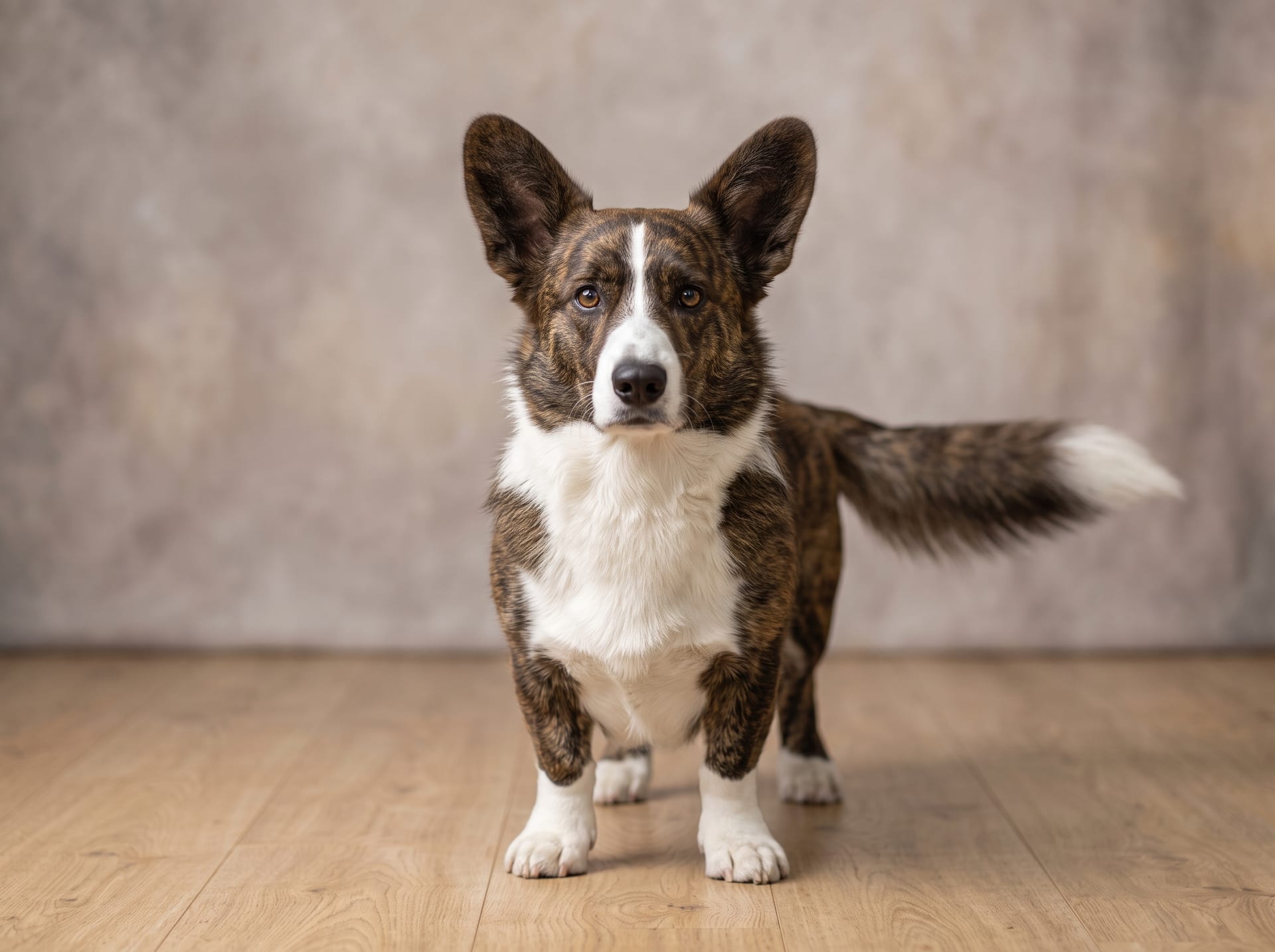
Welsh Corgi (Cardigan)
One of Wales' oldest cattle dogs with a history of some 4,000 years. Fox-like tail, intelligent and steady.
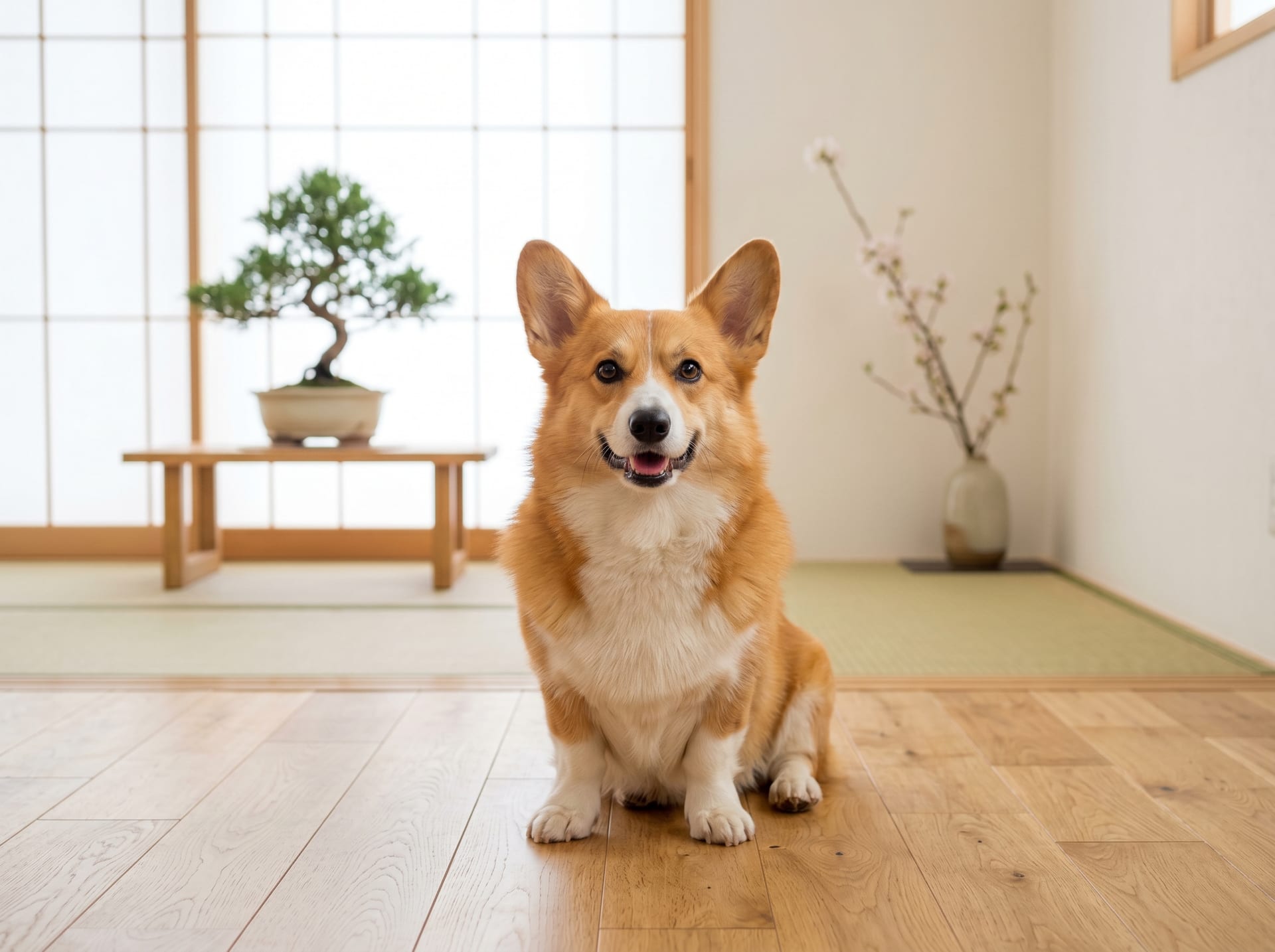
Welsh Corgi (Pembroke)
Herding dog with short legs, long body, and perky ears. Lively, intelligent, and full of character.
Dog FAQ
- How much do dogs cost?
- Prices vary by breed. From breeders directly, Toy Poodles typically run 200,000-450,000 yen, Chihuahuas 150,000-350,000 yen, Shiba Inu 120,000-250,000 yen, and large breeds 200,000-500,000 yen, varying with pedigree, coat, and the parents' track record.
- What are the benefits of buying from a breeder?
- The biggest advantage is being able to see the parent dogs and rearing environment, and to ask directly about temperament, health, and socialization. Under Japan's Animal Welfare Act, sellers must show the actual animal at their premises and provide in-person written explanation of care and date of birth before handover.
- At what age can I bring home a puppy?
- Under Japan's Animal Welfare Act, breeders cannot sell or hand over puppies until they are 56 days (8 weeks) old. For the six native Japanese breeds (Shiba, Akita, Kishu, Kai, Hokkaido, Shikoku) sold directly by specialist breeders, the threshold is 49 days (7 weeks).
- How long do dogs live?
- Generally, small breeds live 12-16 years, medium breeds 10-14 years, large breeds 10-13 years, and giant breeds 8-10 years. Proper diet, exercise, and regular checkups help extend their healthy lifespan.
- What do I need to prepare before getting a dog?
- Basics include a pen or crate, toileting supplies, food and bowls, a collar and leash, and grooming items. After bringing the dog home, promptly arrange a vet health check and vaccination plan, plus municipal registration and the required rabies vaccination.