Coral Encyclopedia — 74 Species Directory
Encyclopedia of popular coral species with care requirements, traits, and difficulty levels.
Showing 34 of 74 species(25–34)
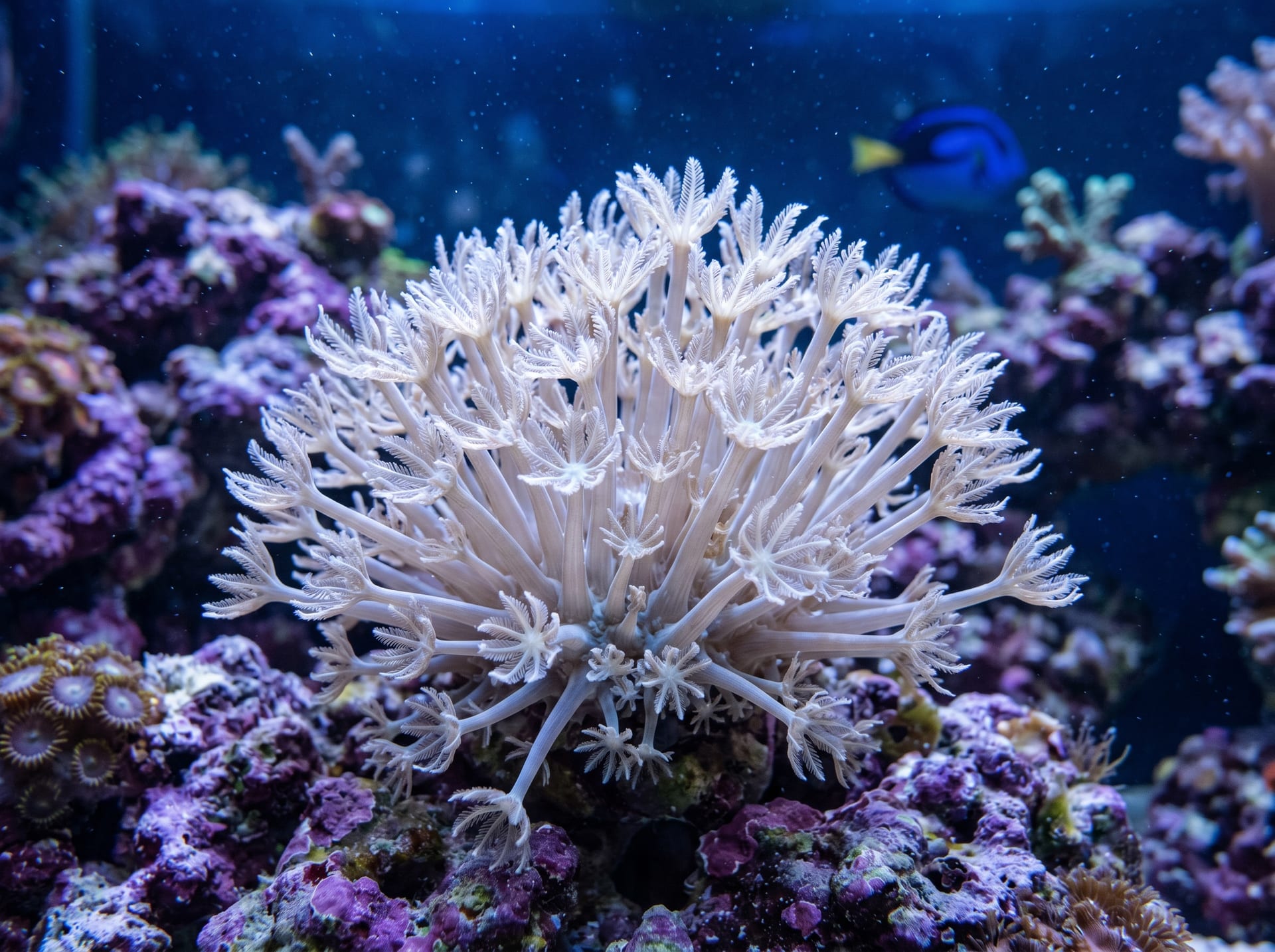
Pulsing Xenia
Xenia sp.
Unique soft coral with pulsing polyps that rhythmically open and close. Mesmerizing movement. Hardy and proliferates quickly.
 © Stan Shebs / CC BY-SA 3.0
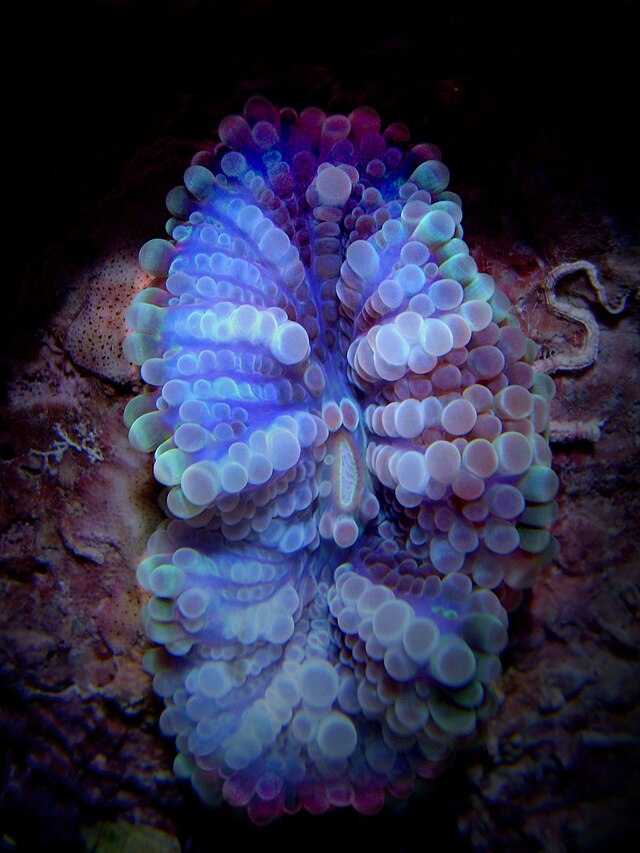
Ricordea
A mushroom coral relative with cute colorful bubble-like tentacles. Extremely collectible.
 © Ryan Boren / CC BY 2.0
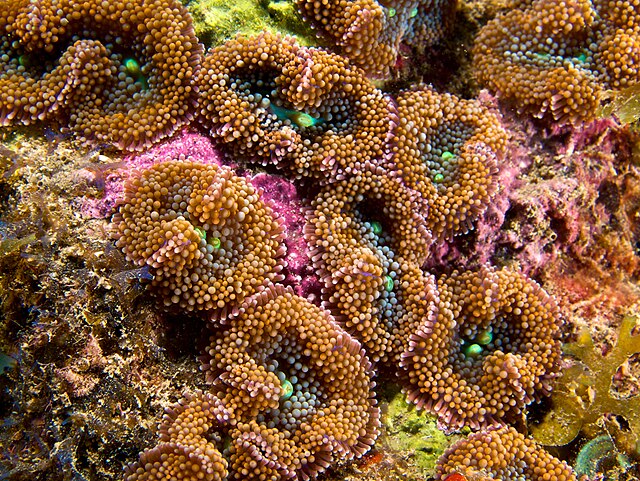
Ricordea Florida
Ricordea florida
A Caribbean mushroom anemone with densely packed bubble polyps. Extremely beautiful fluorescent colors.
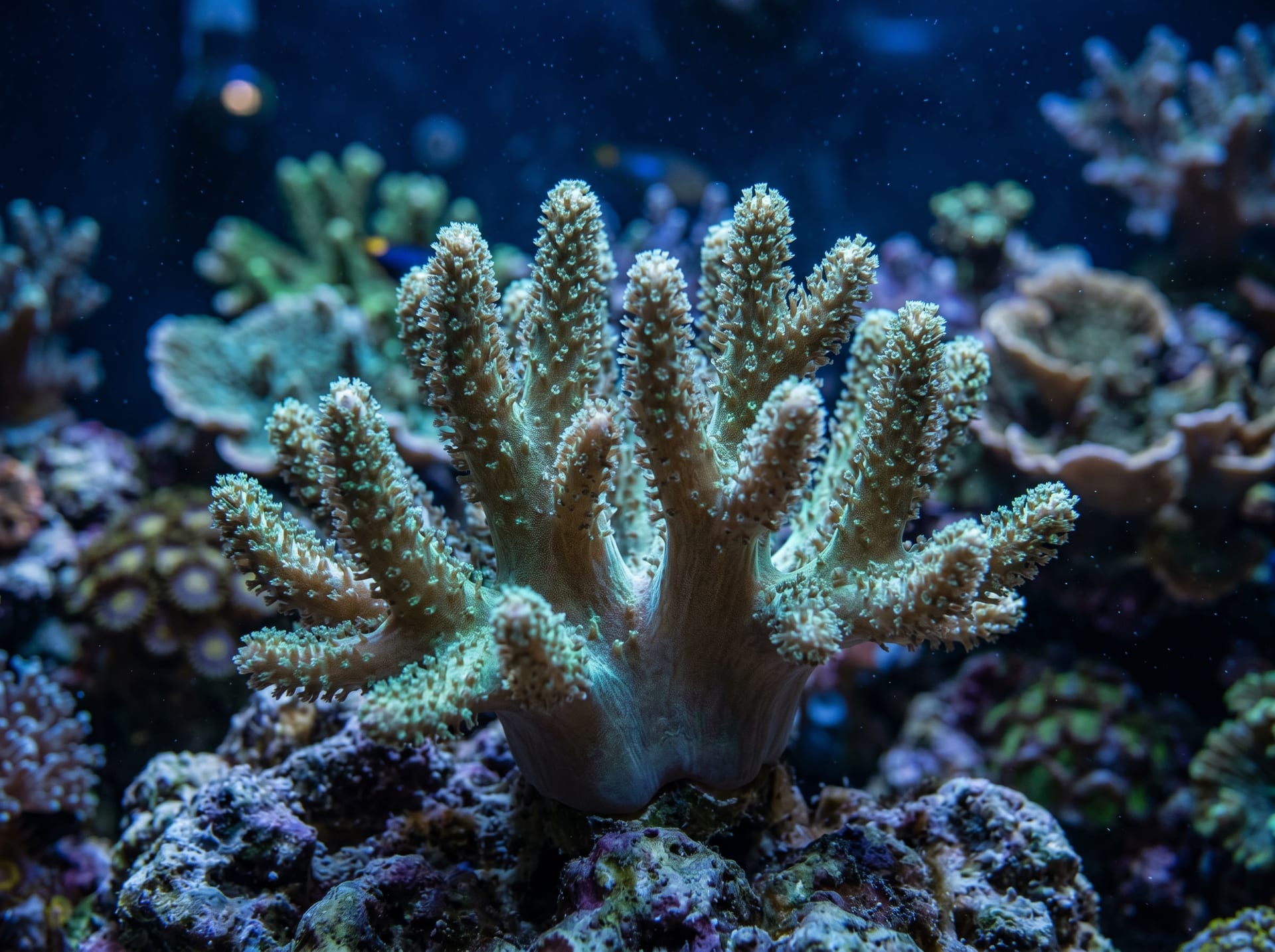
Sinularia (Finger Leather Coral)
Sinularia sp.
Finger-shaped branching soft coral. Related to leather corals and equally hardy. Cream, green, brown color varieties. Similar to Toadstool but with branching form.
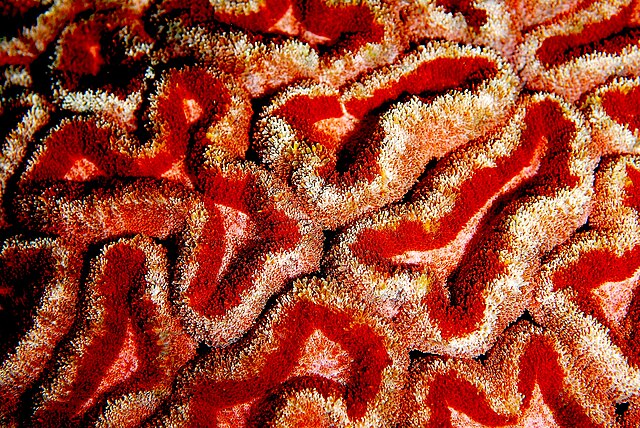 © Nhobgood / CC BY-SA 3.0
Symphyllia
Symphyllia
An LPS coral with complex brain-like patterns. Vivid fluorescent green and red specimens are popular.
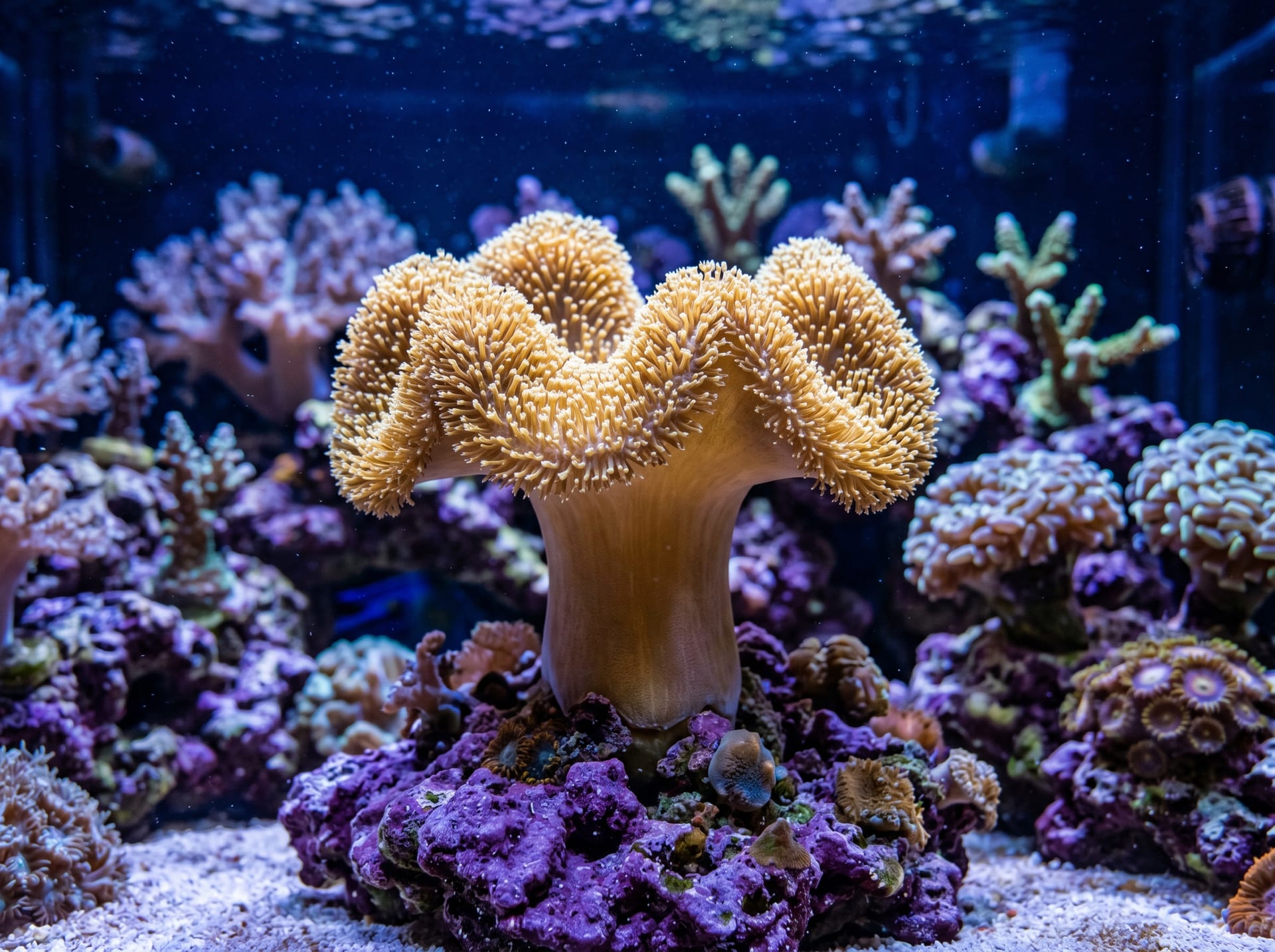
Toadstool Coral
Sinularia sp.
Branching soft coral that is hardy with diverse color variations. Easy to frag and propagate.
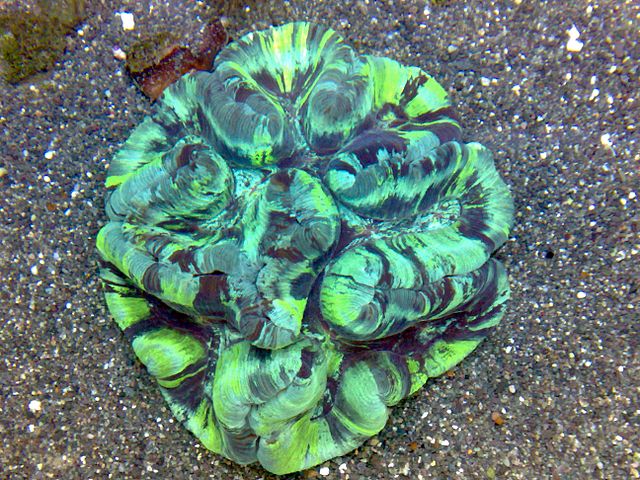 © Diego Delso / CC BY-SA 4.0
Trachyphyllia
Trachyphyllia geoffroyi
An LPS coral with large fleshy polyps placed on floor. Beautiful fluorescent red and green.
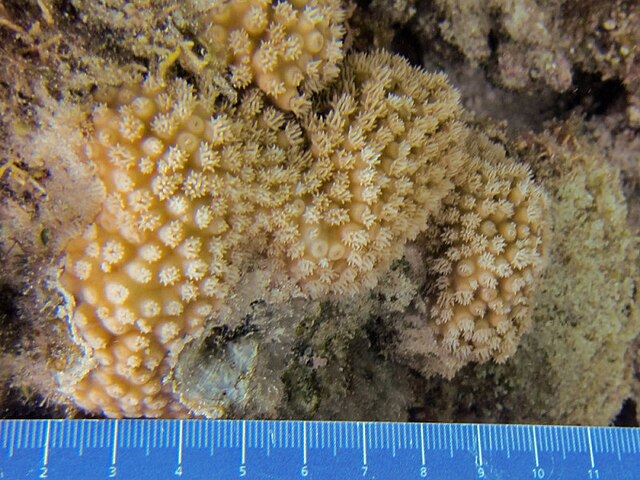 © Grendelkhan / CC BY-SA 3.0
Turbinaria
Turbinaria
An LPS coral growing in cup or scroll shape. Extremely hardy, one of most suitable species for LPS beginners.
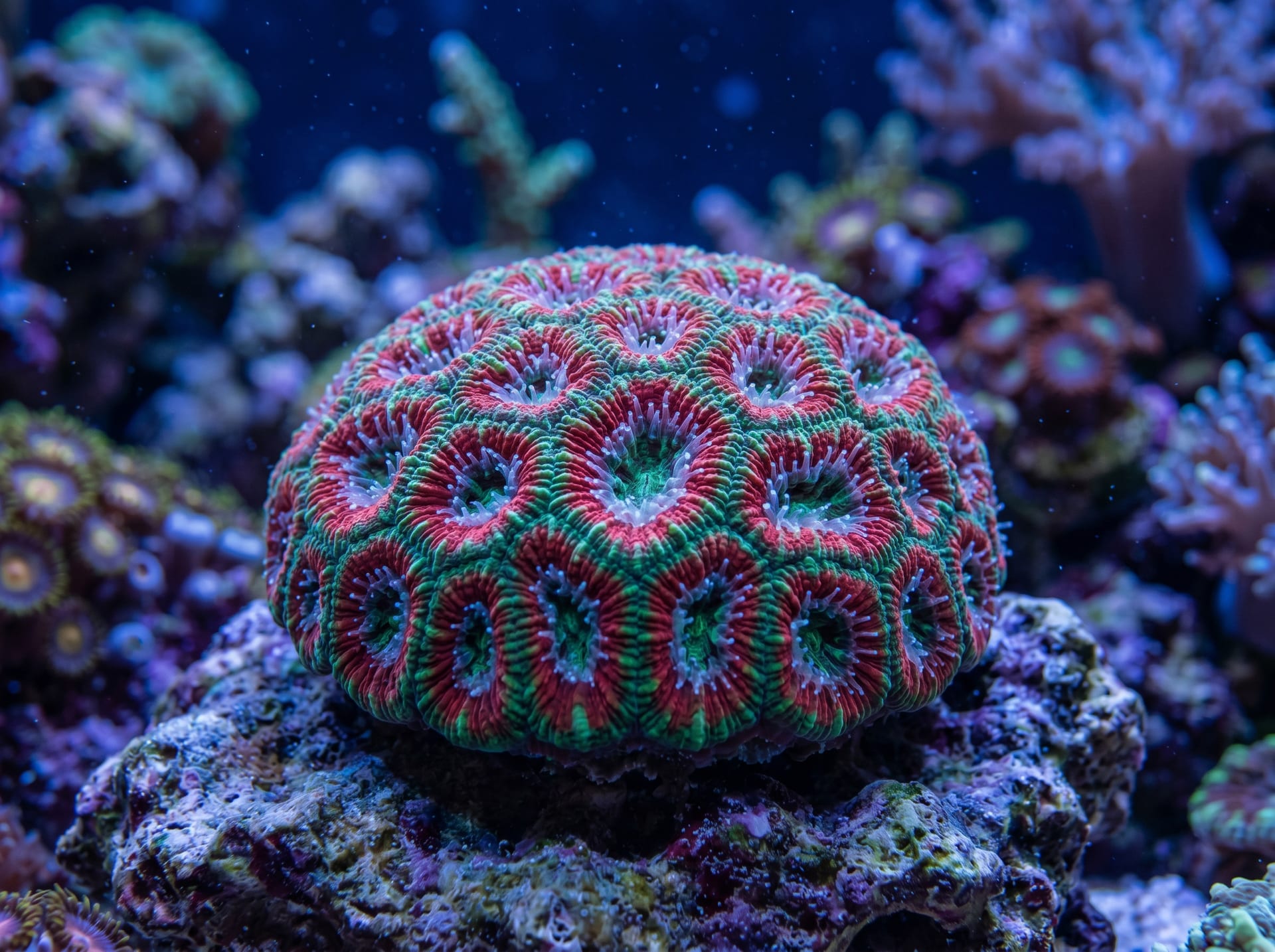
War Coral
An LPS coral with distinctive rugged appearance. Also called Favia, beautiful with fluorescent colors.
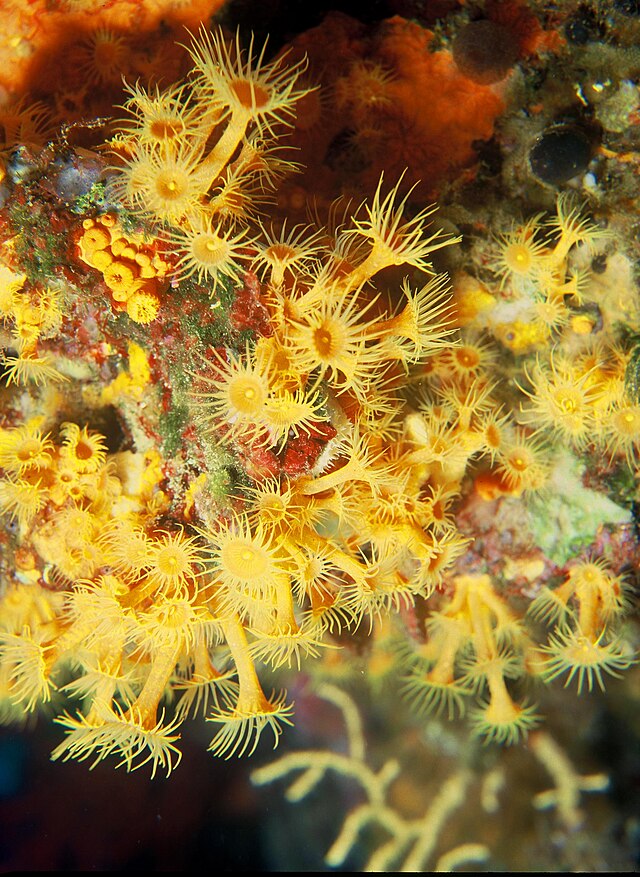 © Albert Kok / Public domain
Zoanthids
Zoanthus sp.
Perfect entry-level soft coral with incredible color variety. Tolerant of water quality fluctuations and easy to propagate.
Related Content
Coral FAQ
- Can beginners keep corals?
- Soft corals like zoanthids and star polyps are hardy and beginner-friendly. Start with resilient species and gradually work your way up to LPS and SPS corals.
- How much do corals cost?
- Zoanthid frags range from around 1,000-3,000 yen, LPS from 3,000-10,000 yen, and SPS Acropora species from 5,000-30,000+ yen depending on species and coloration.
- What equipment is needed for coral keeping?
- Basic equipment includes a tank, LED lighting, protein skimmer, circulation pump, heater, and refractometer. For SPS corals, you'll also need a calcium reactor and high-performance lighting.
- What should I check when buying corals?
- Ensure the coral has vivid coloration without bleaching, polyps are fully extended, and the base is firmly attached. Also watch for shipping damage.
- How long do corals live?
- With proper care, corals can live for decades. In the wild, some colonies survive for hundreds of years. Water quality management and proper lighting and flow are key to longevity.