Small Animals & Birds adoption guide
Small animals and birds such as rabbits, hamsters, ferrets, and parakeets vary greatly by species in lifespan, care requirements, and temperature management. This section explains each species' characteristics and predisposed diseases, and outlines confirmation points for responsibly welcoming a healthy individual from a clean environment. Before bringing one home, prepare your living environment and determine compatibility based on the premise of providing lifelong care.
What to check before adopting
Health status confirmation.
HighCheck the eyes, nose, coat or feathers, cleanliness around the rear, appetite, and movement. Understand the predisposed diseases for each species, and consult with a veterinary hospital that treats that animal if you notice any concerning symptoms.
Species-specific housing environment and temperature management
HighSmall animals and birds require entirely different appropriate temperatures, humidity, diet, and cages depending on the species. Before bringing one home, confirming that you can prepare an environment suited to that species is essential to protecting its health.
Confirming the seller, rearing environment, and weaning status
HighConfirm that the individual was raised in a clean environment and appropriately weaned. It is reassuring to adopt from a seller who shows you the rearing environment and explains the care methods.
Care requirements, lifespan, and lifelong care
MediumLifespans and care requirements vary greatly by species. Confirm that you can provide daily care and commit to keeping the animal throughout its entire lifespan appropriate to the species.
Tameness and handling
LowThe degree of tameness varies by species and individual. Since excessive handling can be stressful for some species, confirm that you can interact with the animal in a way suited to it.
Key points to check
Confirm health status before bringing the puppy home.
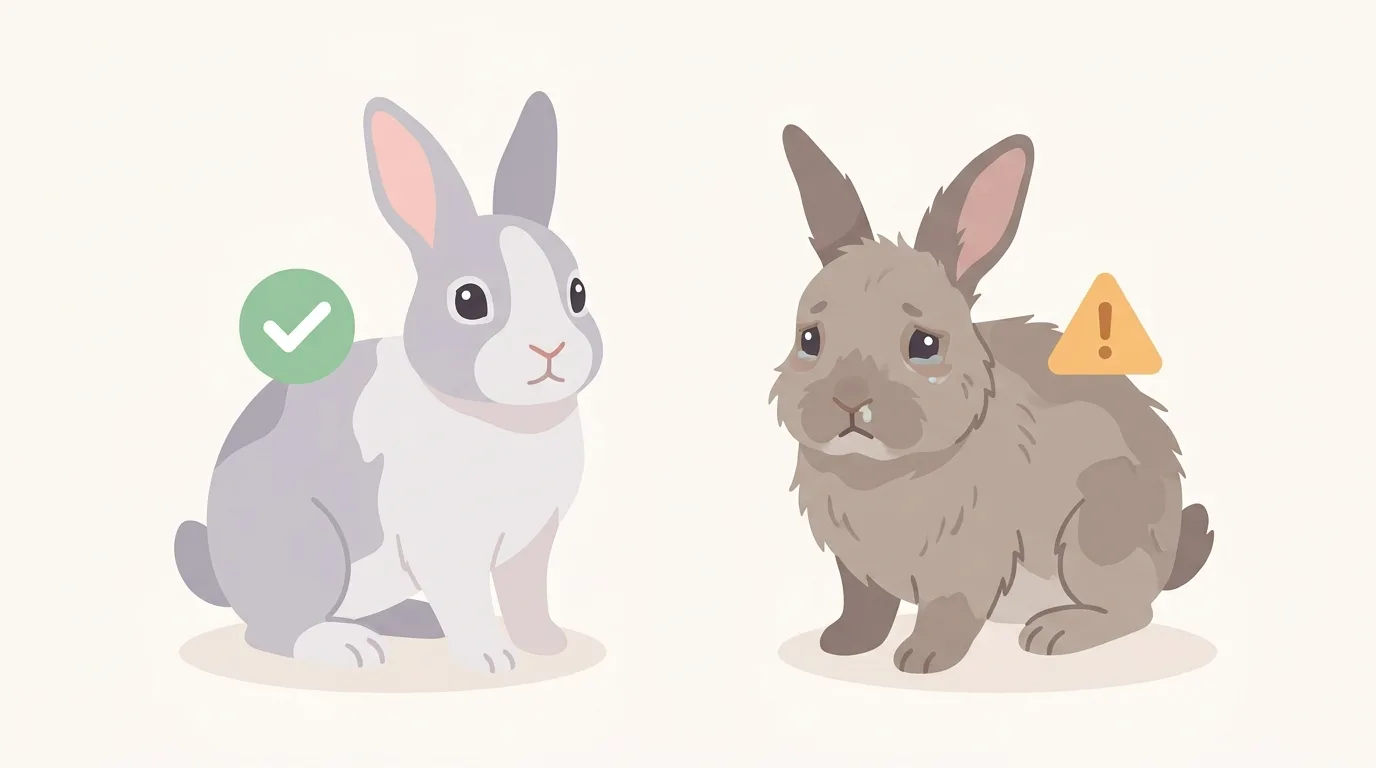
- Good:
- Eyes and nose are clean, coat or feathers have a healthy shine, and the area around the rear is clean. The animal moves actively and has a good appetite.
- Caution:
- Eye discharge, nasal discharge, soiling around the rear, and staying puffed up and still are signs to check health status. If concerned, consult with a veterinary hospital that treats that animal.
Prepare an environment and temperature management suited to the species
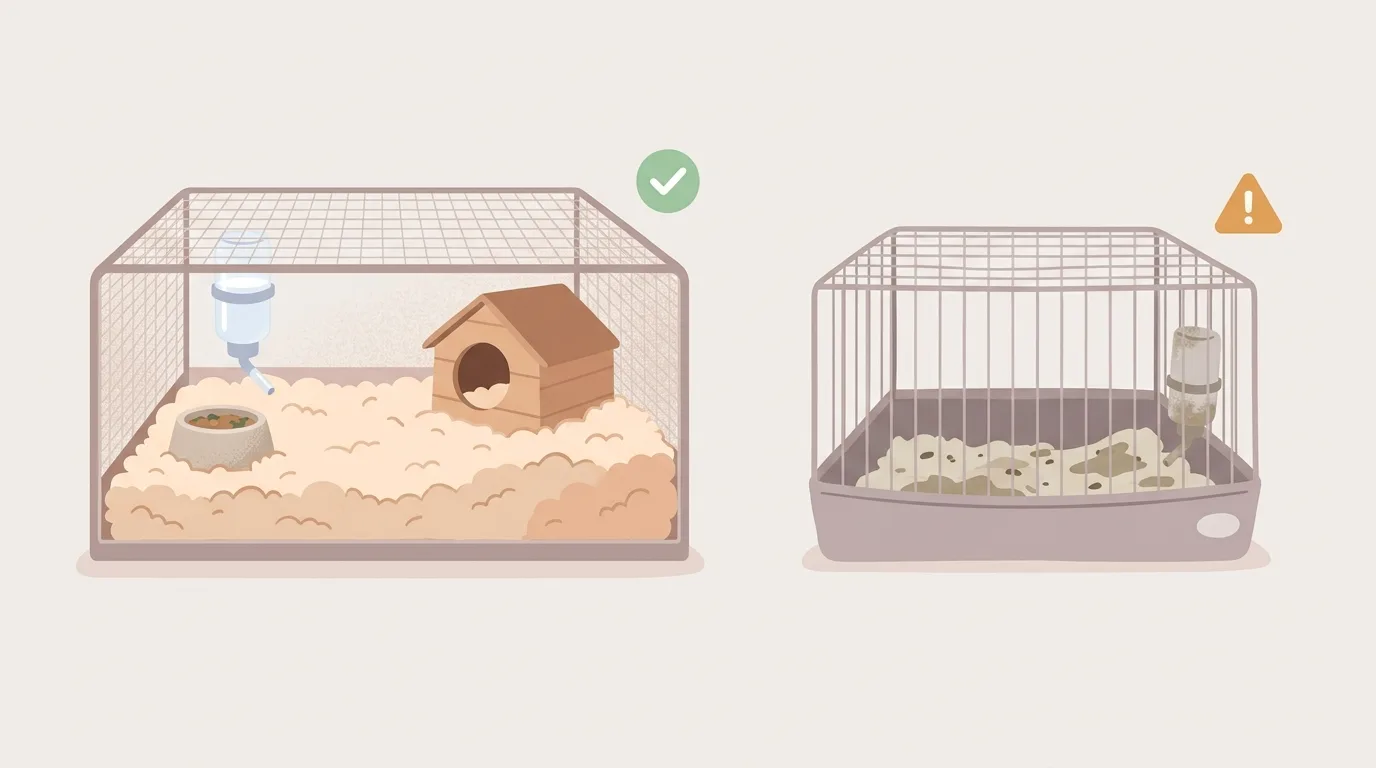
- Good:
- Before bringing the animal home, you have prepared the appropriate temperature, diet, cage, bedding, and other items necessary for that species.
- Caution:
- It is a mistake to assume all species can be kept in the same environment. Many species are sensitive to heat and cold, and improper temperature management easily leads to health problems.
Confirm a clean rearing environment and appropriate weaning
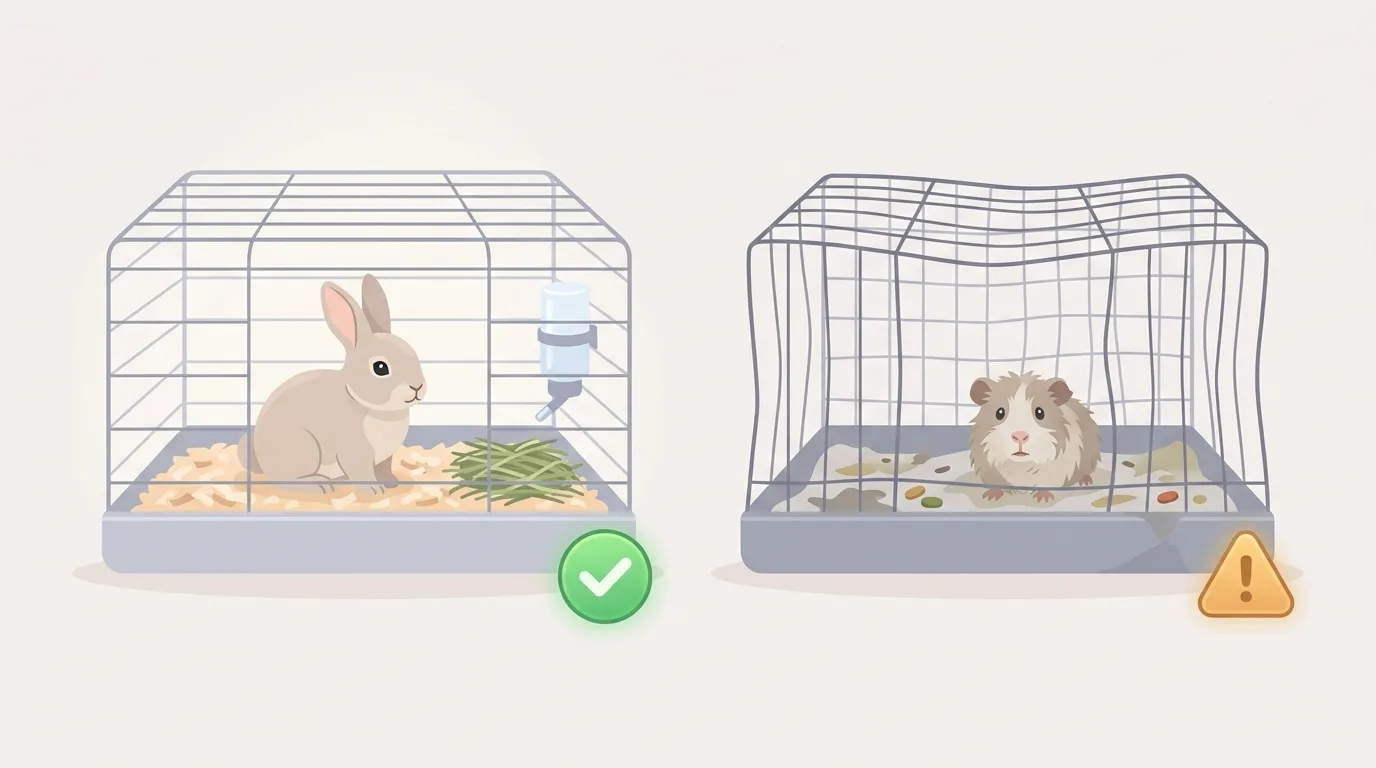
- Good:
- The animal was raised in a clean environment and appropriately weaned. The seller shows you the rearing environment and explains the care methods.
- Caution:
- Signs to consider carefully include if the animal has not been weaned, the rearing environment is unsanitary, or the seller does not explain care methods.
Pre-adoption checklist quiz
What should you confirm before bringing home a small animal or bird?
What are the key points for distinguishing a trustworthy seller or breeder?
Adoption guide by breed
General guidance for adoption decisions; not a health/pedigree guarantee or diagnosis. Confirm condition with the seller or a professional.