Dog adoption guide
Dogs are family members you will share 10+ years of life with, and confirming before bringing one home leads to lifelong peace of mind. Rather than to "select the best individual," this guide explains key confirmations for understanding each breed's temperament, care requirements, and breed-predisposed diseases, and for responsibly welcoming a healthy puppy from a trustworthy breeder. With lifelong care as the foundation, carefully assess compatibility with your household's lifestyle.
What to check before adopting
Health status confirmation.
HighConfirm the overall condition, including eye brightness, coat condition, gait, and appetite. For breed-specific predisposed diseases, it is reassuring to confirm the parent dogs' health information with the breeder. If you notice concerning symptoms, consult a veterinarian after bringing the puppy home.
Temperament and household compatibility.
HighTemperament varies by breed in terms of activity level, exercise needs, and trainability. Confirming whether the dog's temperament can fit naturally with your living environment, daily routine, and family composition leads to mutual happiness.
Breeder, parent dog, and rearing environment confirmation.
HighConfirm the breeder is willing to show the parent dogs and rearing environment and explains their health, pedigree, and care practices in-person. Puppies raised in clean environments with attention to socialization tend to develop more stable emotional and physical well-being.
Rearing environment, care requirements, and exercise needs.
MediumConfirm the time required for daily walks, grooming, and training, as well as indoor environment preparation. Since care requirements vary significantly by breed, assess before bringing a puppy home whether you can sustain the necessary care.
Lifespan and lifelong care.
MediumDogs live 10+ years. It is important to discuss with your family whether you can afford and commit to caring for them until the end, including veterinary expenses, even through moves and life stage changes.
Key points to check
Confirm health status before bringing the puppy home.
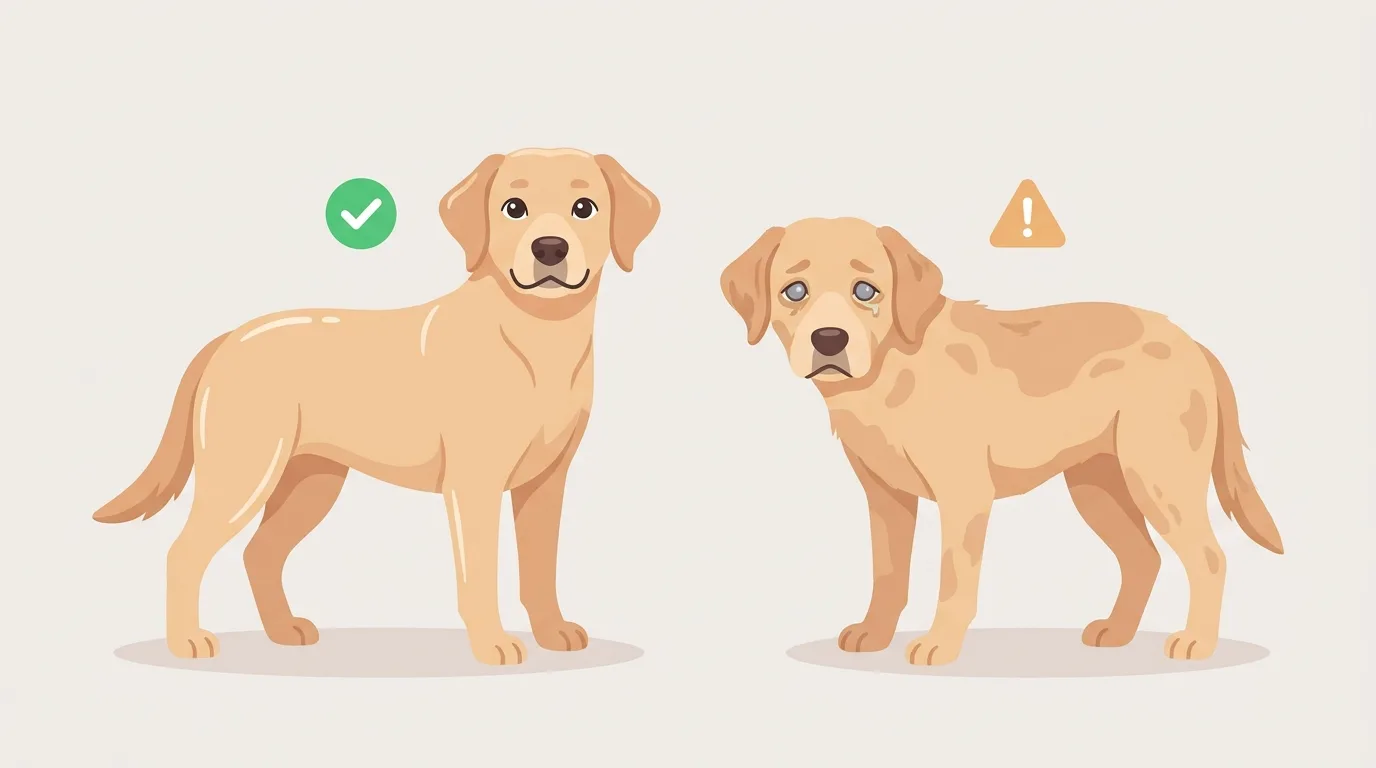
- Good:
- Clear eyes, glossy coat, steady gait on all four limbs, and good appetite. Parent dog health information is disclosed.
- Caution:
- Eye discharge, scratching, being underweight, or abnormal gait are signs to check health status. If concerned, consult a veterinarian after bringing the puppy home.
Bring home at the appropriate age.
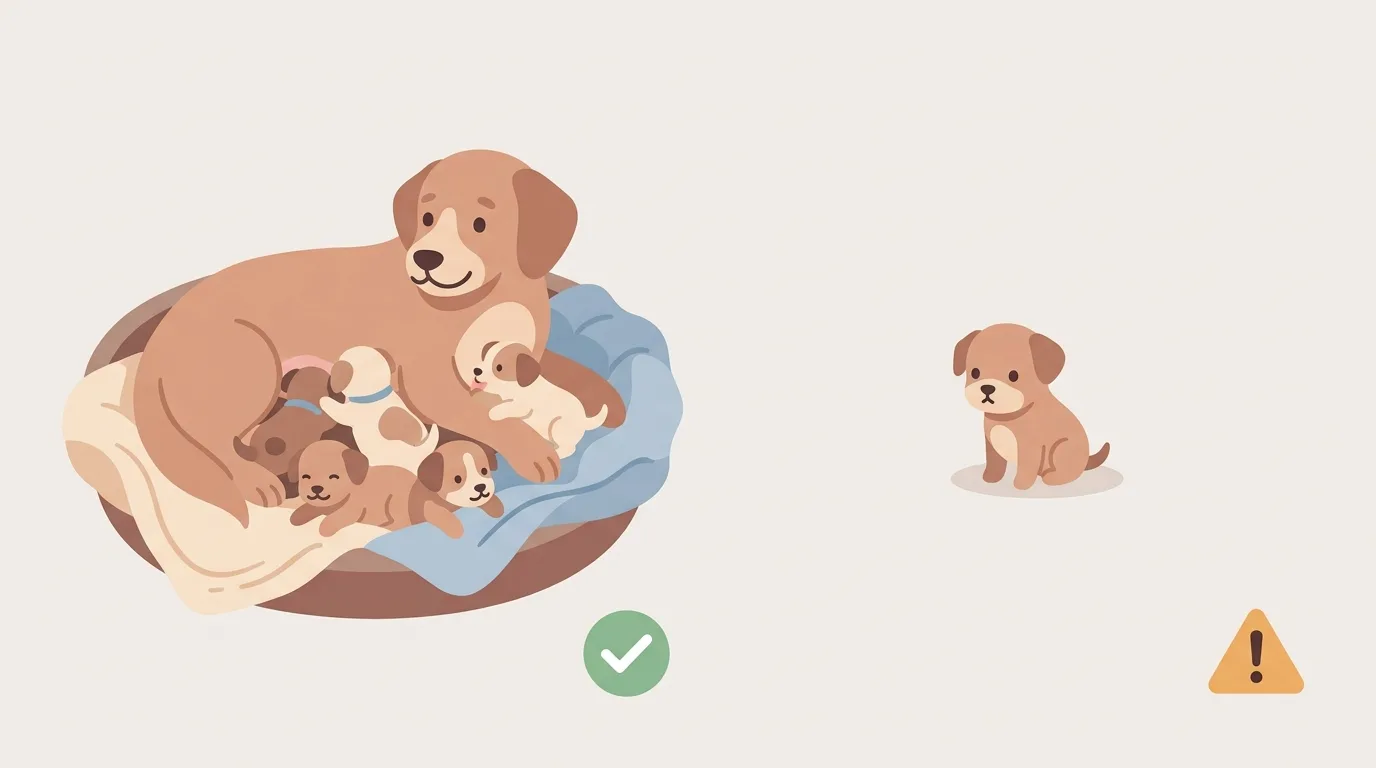
- Good:
- Bring home puppies that have spent adequate time with their parents and littermates for socialization, at the appropriate age.
- Caution:
- Early separation affects socialization. The Animal Welfare Management Law, as a rule, prohibits the sale or transfer of dogs and cats before 56 days (8 weeks) of age (designated native breeds have exceptions).
Identifying a trustworthy breeder.
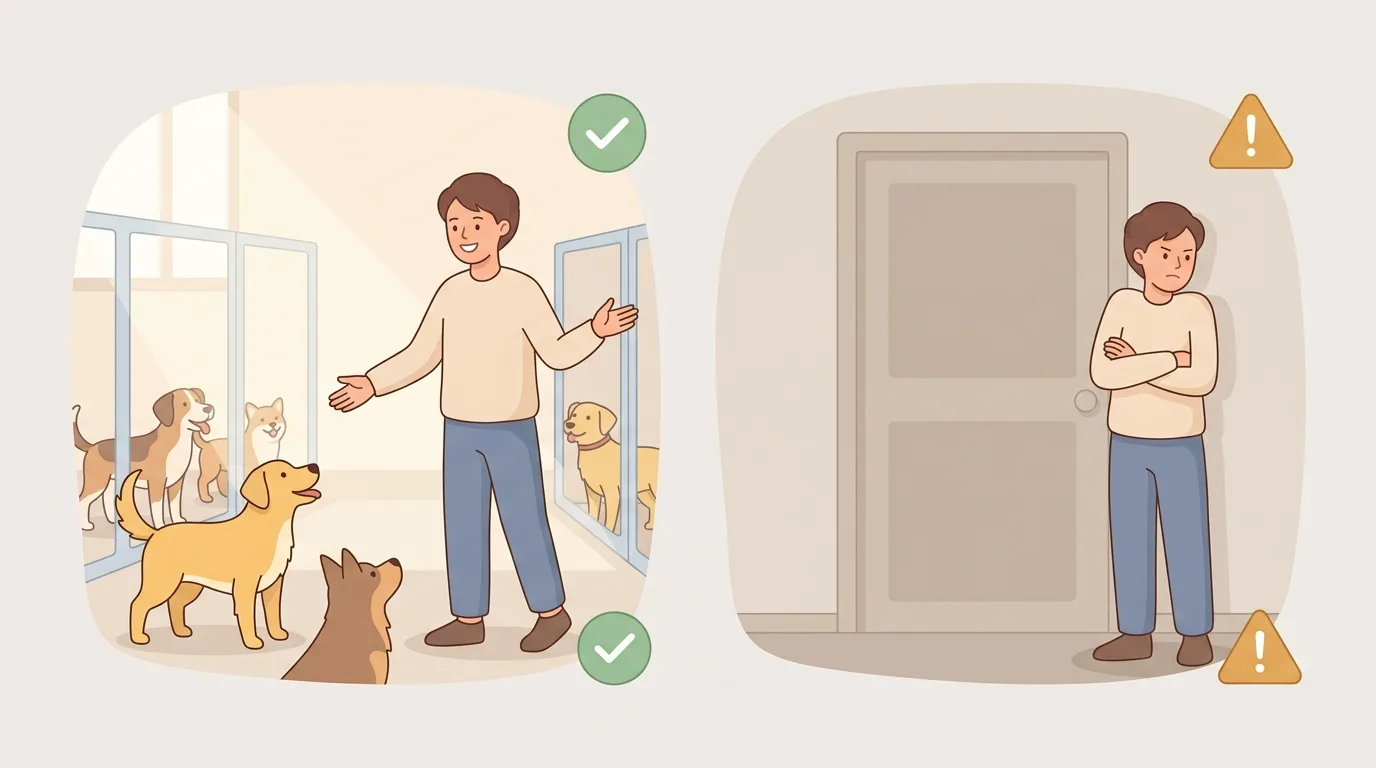
- Good:
- Shows parent dogs and rearing environment, explains their health, pedigree, and care practices in-person, and complies with laws such as microchip implantation.
- Caution:
- Parents or breeding environment not shown at all, lack of documentation or in-person explanation — these are signs to be cautious about.
Pre-adoption checklist quiz
Which is correct about the appropriate timing to bring a dog home?
What are the key points to distinguish a trustworthy breeder?
Adoption guide by breed
General guidance for adoption decisions; not a health/pedigree guarantee or diagnosis. Confirm condition with the seller or a professional.