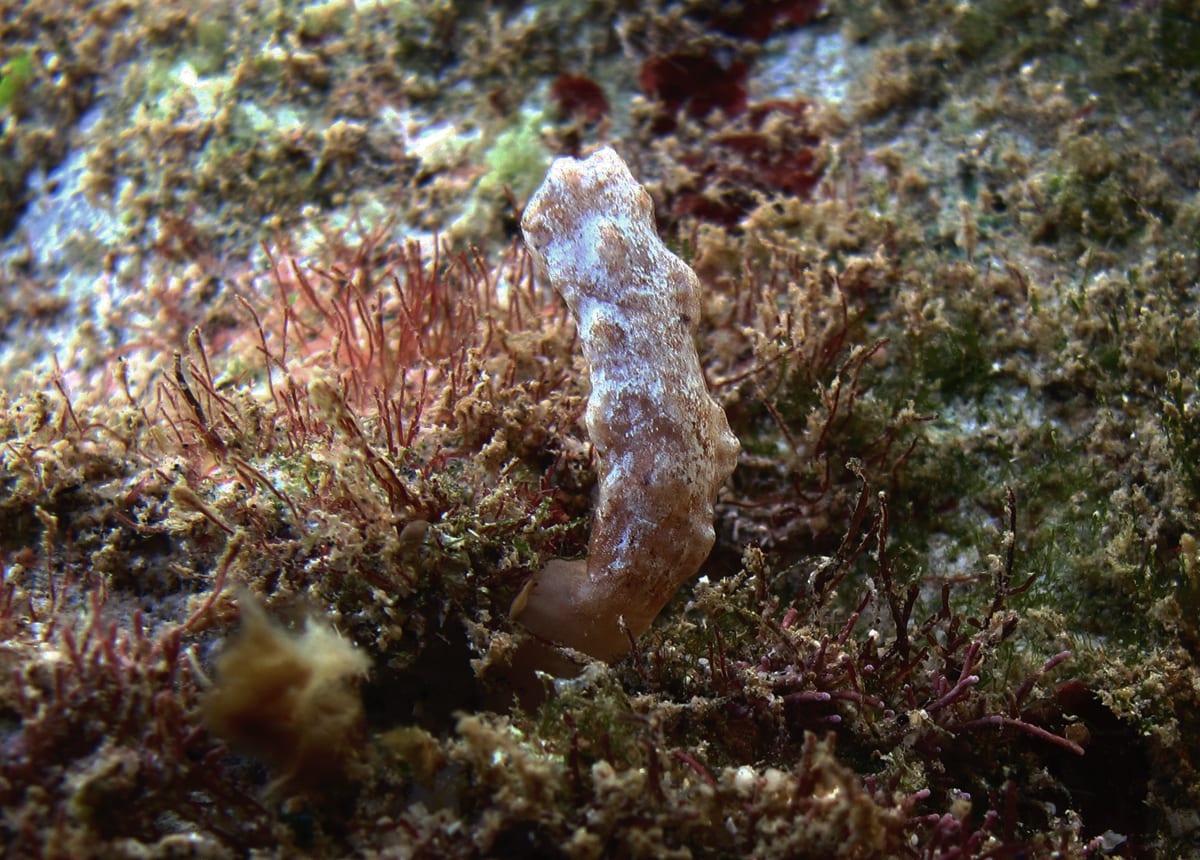
 © Philippe Bourjon / CC BY-SA 4.0
Snake Polyps (Isaurus)
The Snake Polyp is a distinctive zoanthid-relative whose slender, cylindrical polyps lean sideways rather than standing upright, their surfaces covered in irregular, knobby bumps. By day the tentacles retract, leaving the colony looking like a snake or a bundle of dry twigs, while at night the tentacles open up for feeding, giving the coral two very different looks depending on the time of day. It's generally considered suited to intermediate keepers, and part of its appeal is watching the colony gradually spread across the tank over time. Though it doesn't move much, its unusual texture and form add a striking accent to any reef display.
View Snake Polyps (Isaurus) encyclopedia →成交手续费0%!2026年9月30日前注册,前 2 笔成交免佣金!
繁殖者 招募中!
在BreederDirect发布商品,直接销售给全国客户!
Br-Choku 承诺的 6 个透明度要点
繁殖者在珊瑚的商品中公开以下信息。避免野生捕获个体,确保养殖CB为主、实物照片、饲养难易度信息的透明度。
- 养殖个体
- 实物照片
- 难易度标示
- Frag/Colony
- 包含饲养信息
- 标明流通名
查看全部210个品种
已注册的繁殖者(抢先看)
关于Snake Polyps (Isaurus)
The Snake Polyp is a zoanthid relative resembling a coiled snake by day, opening its tentacles to feed at night. Suited to intermediate reef keepers.
迎接Snake Polyps (Isaurus)前需要了解的7件事
1Different looks by day and night
During the day the polyps retract their tentacles and resemble a snake or a dry twig, but at night they open up to feed. The impression can differ greatly depending on when you observe them, so daytime viewing alone may seem understated.
2A sideways-leaning growth form
Its slender, cylindrical polyps grow leaning to the side rather than standing upright, with irregular knobby bumps covering the surface. The form differs from typical coral shapes, making it a good fit for aquarists who want to add character to their layout.
3Intermediate-level care
Care difficulty is generally rated as intermediate. It's best introduced once you're comfortable managing water quality and equipment, rather than right after setting up a new tank.
4Best observed during nighttime feeding
Since it opens its tentacles to feed at night, feeding and observation are easier after the lights go out. Avoid judging its condition based on daytime appearance alone.
5Consider water flow at placement
Because of its tendency to grow leaning sideways, it settles in better away from direct strong currents, in a spot with gentle, indirect water flow.
6Keep some distance from neighbors
As a cnidarian, placing it too close to other corals or polyp colonies can lead to stinging interactions. Leave some space between it and neighboring specimens when arranging your layout.
7Confirm your tank is established first
Since this is considered an intermediate-level species, reviewing your tank's water quality, lighting, and flow management beforehand will help you notice any changes more easily once it's introduced.
Snake Polyps (Isaurus)的常见问题
- Q.It barely moves during the day — is it healthy?
- A.It's normal for the Snake Polyp to retract its tentacles and appear shrunken during the day. Looking like a snake or dry twig isn't a sign of trouble — it opens its tentacles and begins feeding at night.
- Q.Can beginners keep this coral?
- A.Its care difficulty is generally rated as intermediate. It's recommended to gain some experience with basic water quality and lighting management for corals before keeping this species.
- Q.Can it be kept in the same tank as other corals?
- A.As a cnidarian, placing it too close to other corals or polyps can cause stinging interactions. Be sure to keep some distance between specimens when placing it in the tank.
- Q.How large does it grow?
- A.Individual polyps reach roughly 2 to 4 cm in height. While each polyp is small, part of the appeal is watching the colony spread over time.
- Q.Are there any legal regulations for keeping this species?
- A.The Snake Polyp is not subject to CITES. There are no other special legal regulations for keeping this species.
适合饲养Snake Polyps (Isaurus)的实用工具
在图鉴中详细了解Snake Polyps (Isaurus)
查看Snake Polyps (Isaurus)的图鉴条目 →
收录饲养难度、寿命、体长、食性等基础数据。