Source: Wikimedia Commons
Sarracenia Psittacina
IntermediateSarracenia psittacina
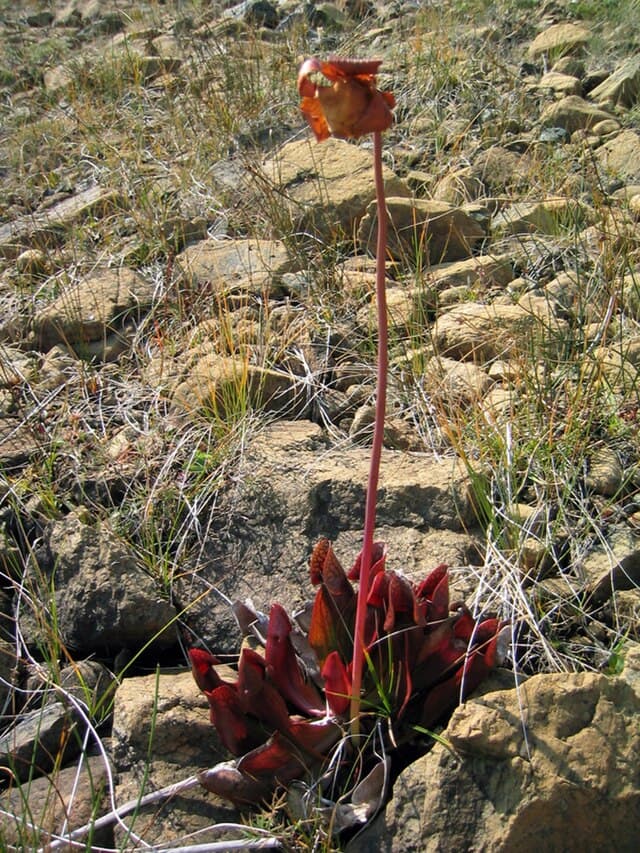
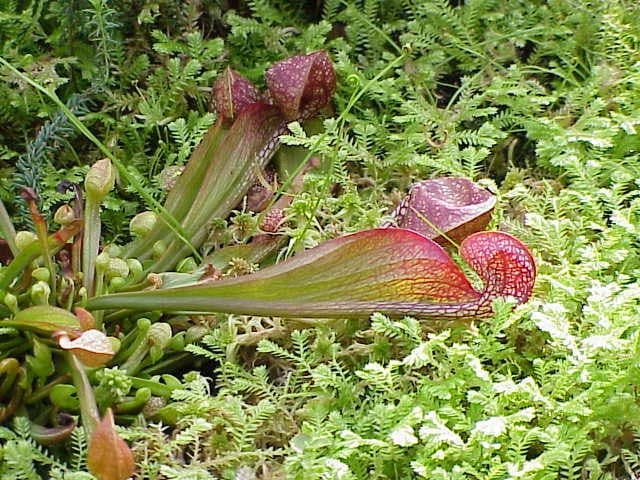
A Sarracenia with unique parrot-beak-like pitchers spreading along the ground.
Difficulty
Intermediate
Temperature
10〜30℃
Lifespan
10+ years
Size
10-20cm
Humidity
60〜90%
Diet
Insects, small aquatic life
About
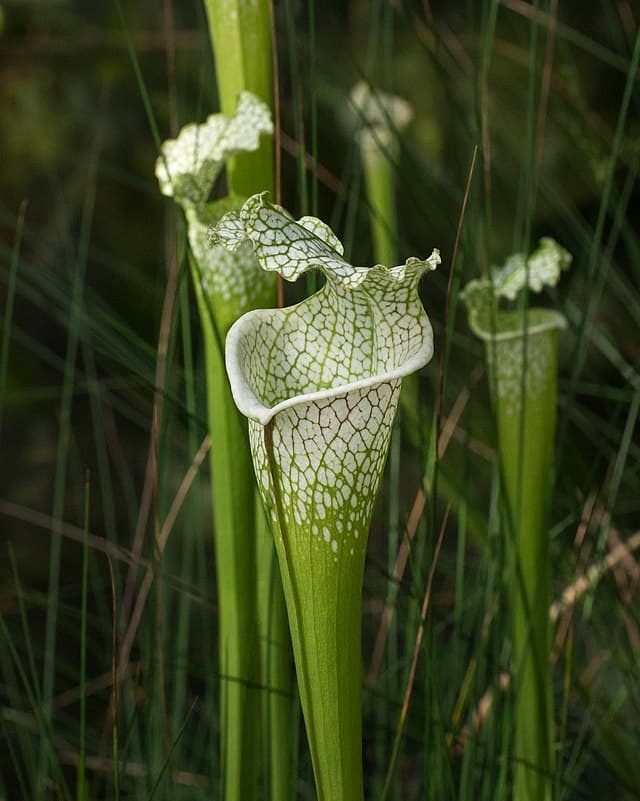
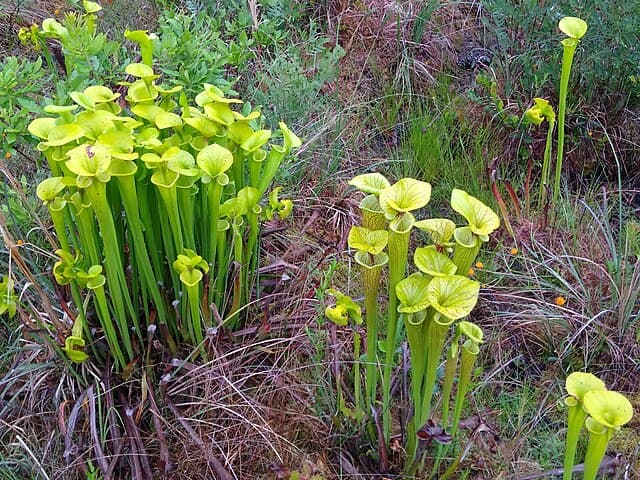
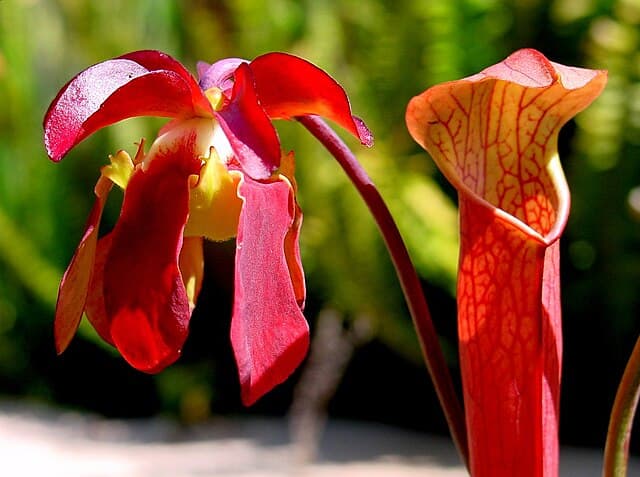
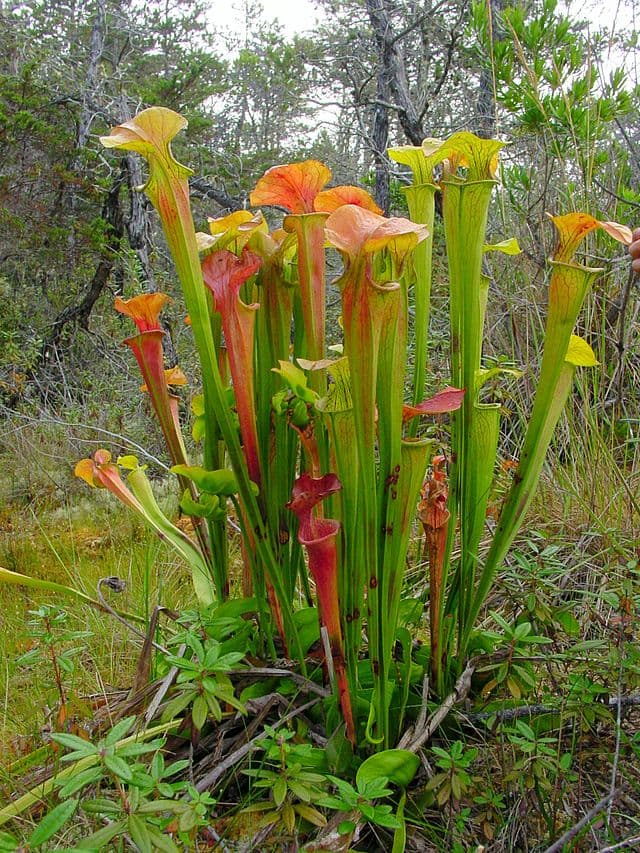
Sarracenia psittacina, the parrot pitcher plant, is native to the coastal plain wetlands of the southeastern United States from Georgia to Louisiana. It is immediately distinguished from all other Sarracenia by its prostrate, ground-hugging growth habit and by the small, globe-like, hooded pitchers whose entrance is curved and heavily veined in a manner strongly suggesting a parrot's beak—the basis for both its common and scientific names. The convoluted entrance traps insects effectively, and during flooding events the submerged pitchers can also capture aquatic invertebrates and small crustaceans, making this one of the most ecologically versatile Sarracenia. Cultivation requirements follow the genus standard: acidic media, pure water tray culture, full sun, and mandatory winter dormancy.
Basic Info
Origin
Southeastern USA (Georgia to Louisiana), coastal plain bogs and wetlands
Lifespan
10+ years
Size
10-20cm
Temperature
10〜30℃
Humidity
60〜90%
Diet
Insects, small aquatic life
Care Guide
Shape
Parrot-beak shaped
Growth
Creeping
Flooding
Tolerates flooding
Light
Full sun
CarnivorousSarraceniaParrotCreeping
Sarracenia Psittacina FAQ
QHow difficult is it to keep Sarracenia Psittacina?
A
Intermediate. This is an intermediate-level species. Some prior experience and knowledge of environmental management are recommended.
QWhat is the ideal temperature for Sarracenia Psittacina?
A
The ideal temperature for Sarracenia Psittacina is 10〜30℃. Recommended humidity is 60〜90%. Avoid sudden temperature changes and maintain a stable environment.
QWhat is the lifespan of Sarracenia Psittacina?
A
Sarracenia Psittacina Q&A
Find listings for this species