Before adopting British Shorthair
Characterized by a round face, plump body, and dense coat, with a calm and independent temperament. Care regarding hypertrophic cardiomyopathy and polycystic kidney disease, as well as weight management due to their sturdy build, are important.
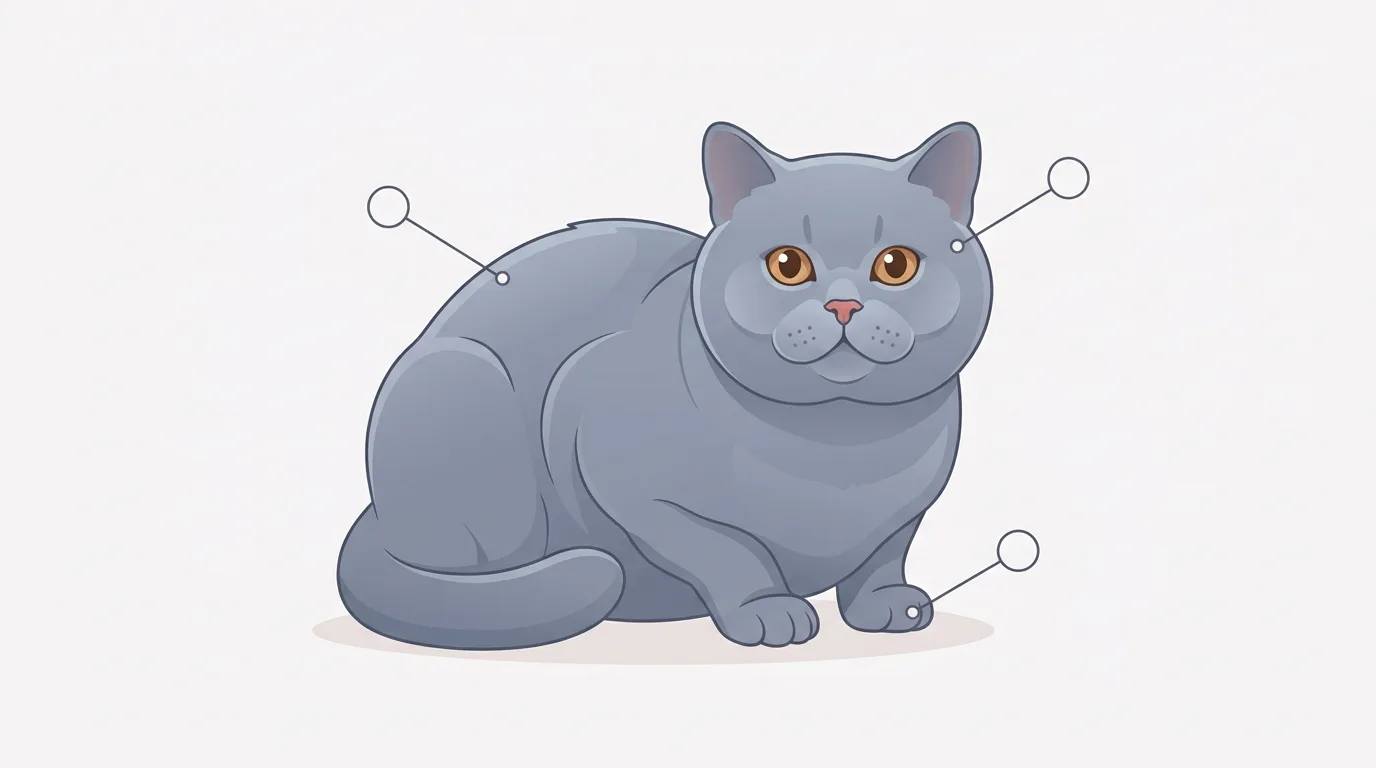
What to check before adopting
Calm and independent temperament.
LowWith a calm and independent temperament, they tend to prefer moving at their own pace rather than constant attention. Confirm whether this dynamic suits your lifestyle.
Dense coat care.
MediumThough short-haired, their coat is dense, and shedding increases during shedding season. Confirm whether you can maintain regular brushing.
Checking for predisposed health conditions
HighHypertrophic cardiomyopathy and polycystic kidney disease (PKD) are known to occur. Confirm parental genetic testing and health information; consult a veterinarian about any concerning symptoms such as changes in breathing or water intake.
Weight management
MediumWith a sturdy build, they tend toward obesity. Confirm whether you can maintain healthy weight through diet management.
Key points to check
Confirm health status
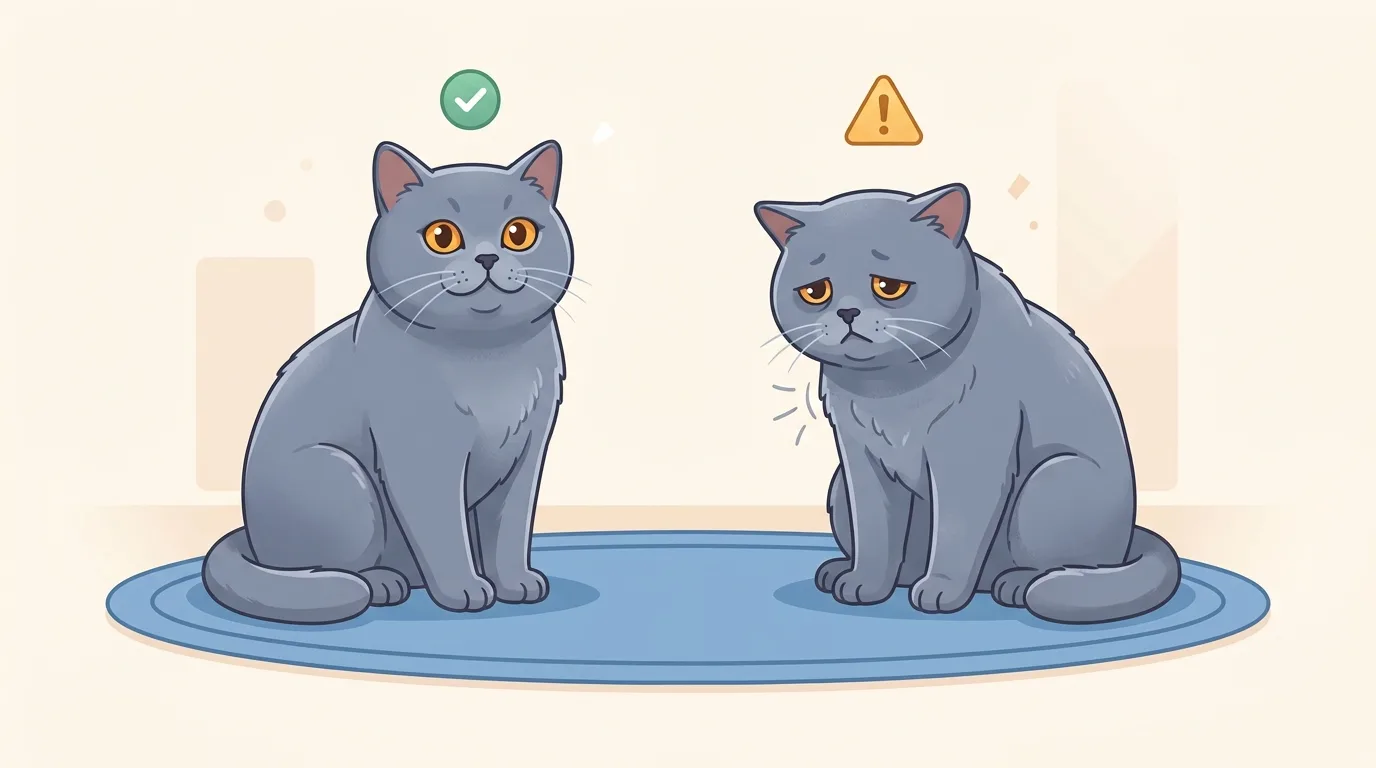
- Good:
- Breathing is calm, moving actively with good appetite, and parental testing information is provided.
- Caution:
- Rapid breathing or significant changes in water intake or urine volume may indicate heart or kidney problems; seek veterinary care.
Check the coat
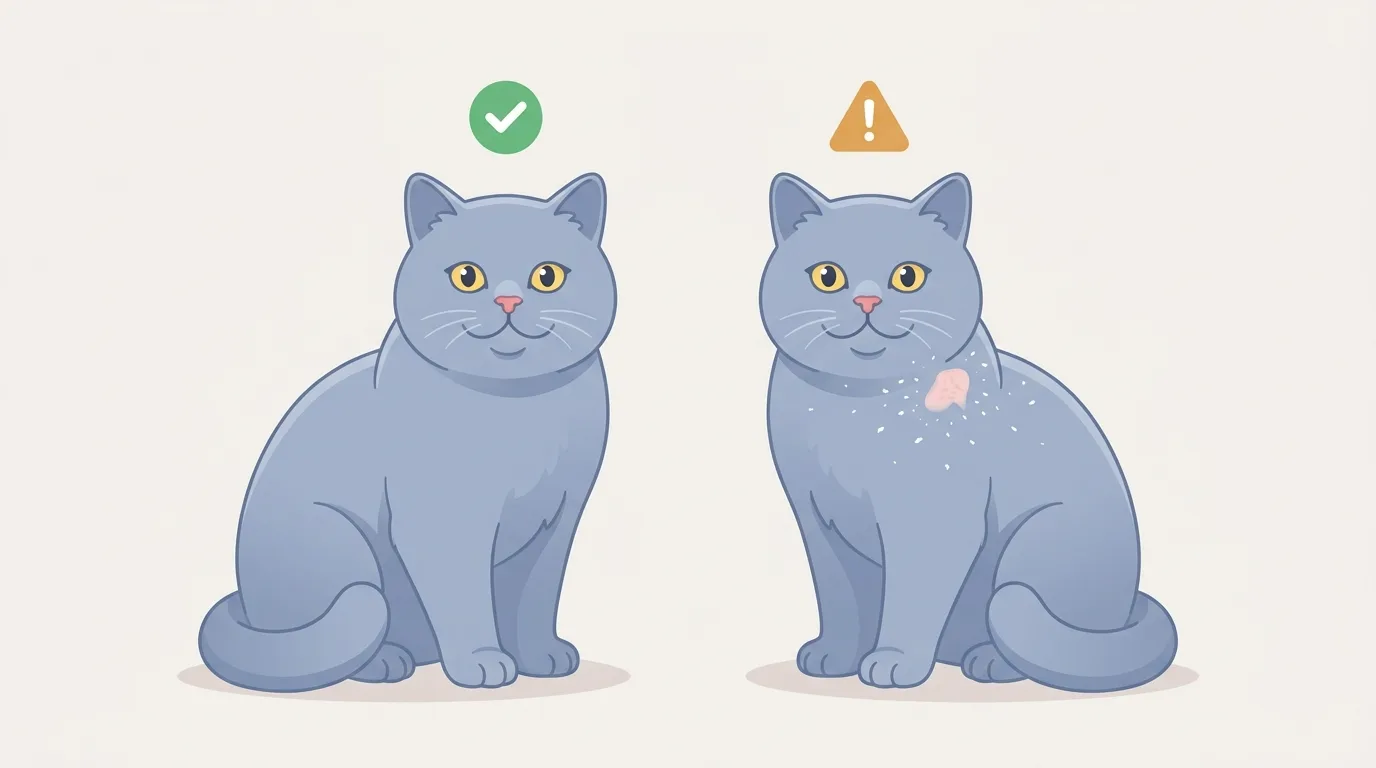
- Good:
- Dense coat with luster, no matting or hair loss.
- Caution:
- Hair loss and dandruff may indicate skin trouble. Evaluate in conjunction with grooming practices.
Verify temperament
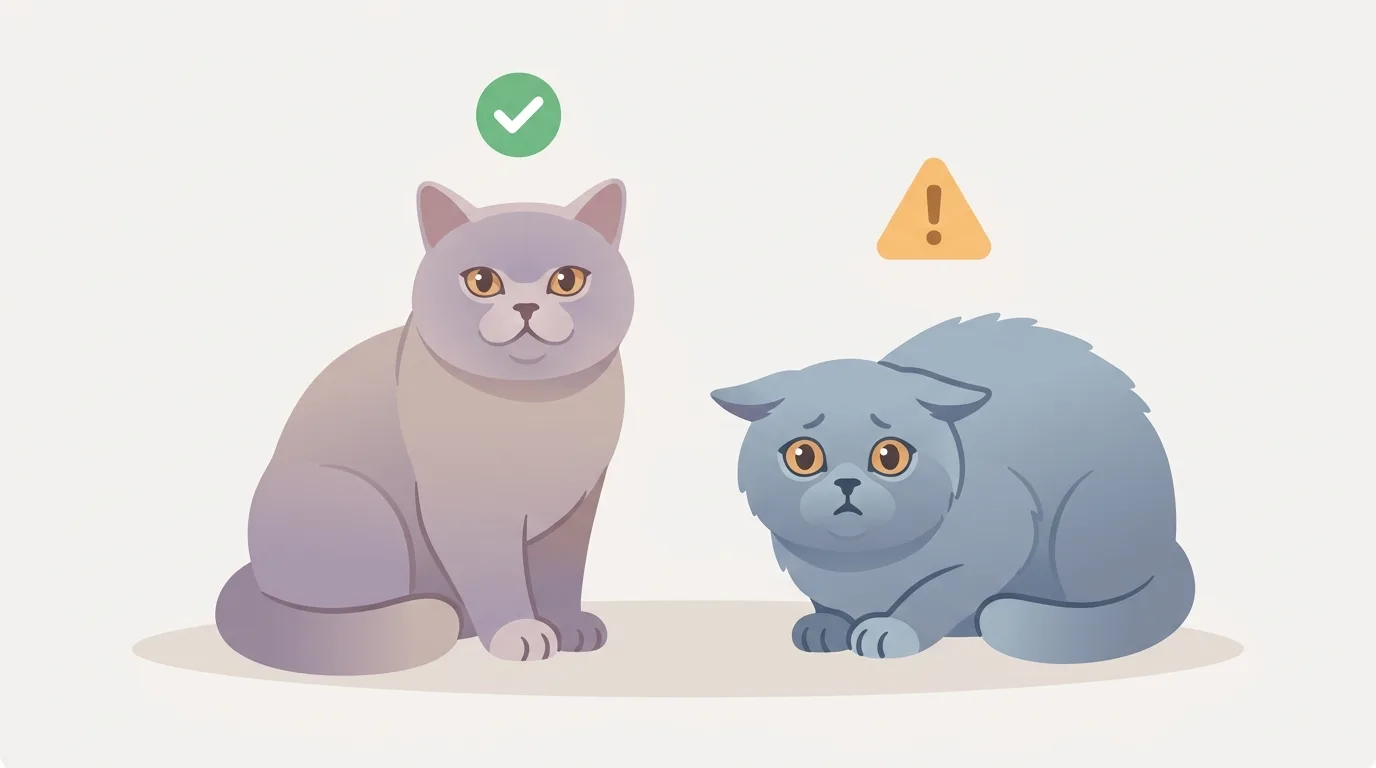
- Good:
- Calm, comfortable with people, not excessively fearful.
- Caution:
- Extreme fearfulness or aggression can be a sign of inadequate socialization.
Pre-adoption checklist quiz
What should you confirm before bringing home a British Shorthair?
Other Cat adoption guides
General guidance for adoption decisions; not a health/pedigree guarantee or diagnosis. Confirm condition with the seller or a professional.