Cat adoption guide
Cats are often family members you live with for 15 years or more. Here, we explain the key points for understanding each cat breed's temperament, care needs, and predisposed conditions, and for responsibly welcoming a healthy kitten from a trustworthy breeder. Based on the premise of complete indoor housing and lifelong care, discern compatibility with your lifestyle and health considerations for breeds with distinctive features such as folded ears and short legs.
What to check before adopting
Health status confirmation.
HighCheck the cleanliness of the eyes, nose, coat, and anal area, as well as appetite and movement. For breed-specific predisposed conditions, it is reassuring to confirm with the breeder the parent cats' health information and whether genetic testing has been performed. Consult a veterinarian about any concerning symptoms.
Temperament, compatibility, and compatibility with existing cats
HighActivity level and affection vary by cat breed. Confirming that your lifestyle, living environment, and compatibility with any existing cats—if present—are well-matched leads to a peaceful life together.
Verification of the breeder, parent cats, and rearing environment
HighVerify that the breeder shows you the parent cats and rearing environment and explains their considerations regarding health, pedigree, and genetic disease. For breeds with distinctive features such as folded ears and short legs, it is especially important to confirm whether breeding is conducted with health considerations.
Indoor housing environment and care requirements
MediumConfirm that you can maintain an environment and care suited to the cat breed, such as cat trees for vertical exercise, litter boxes, and grooming of the coat.
Lifespan and lifelong care.
MediumIt is not uncommon for cats to live 15 years or more. It is important to discuss with your family beforehand whether you can keep your cat indoors for life, including medical expenses.
Key points to check
Confirm health status before bringing the puppy home.
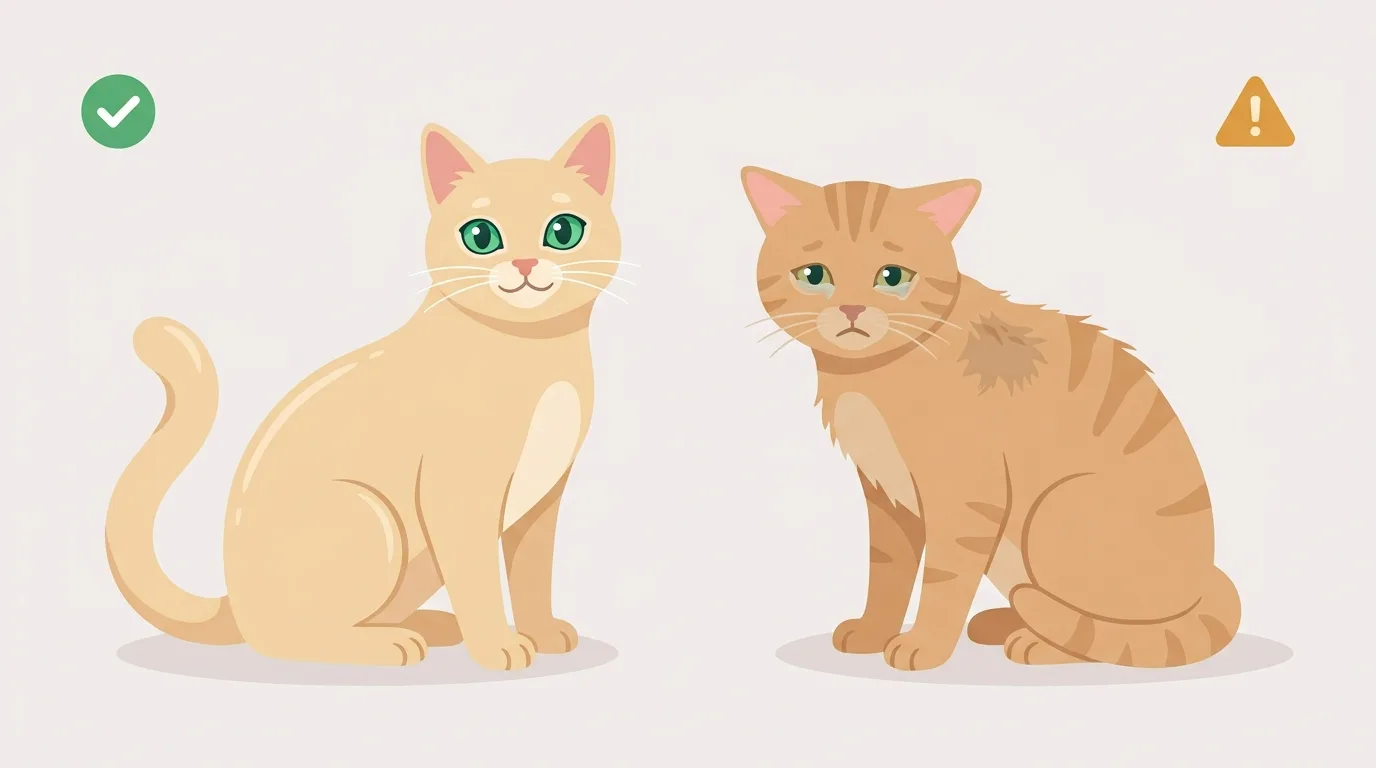
- Good:
- Eyes and nose are clear, coat is glossy, the kitten moves actively and has a good appetite. The parent cats' health information is disclosed.
- Caution:
- Eye discharge, nasal discharge, soiled anal area, and lack of energy are signs to check the animal's condition. If you notice these, consult a veterinarian after welcoming the kitten.
Bring home at the appropriate age.
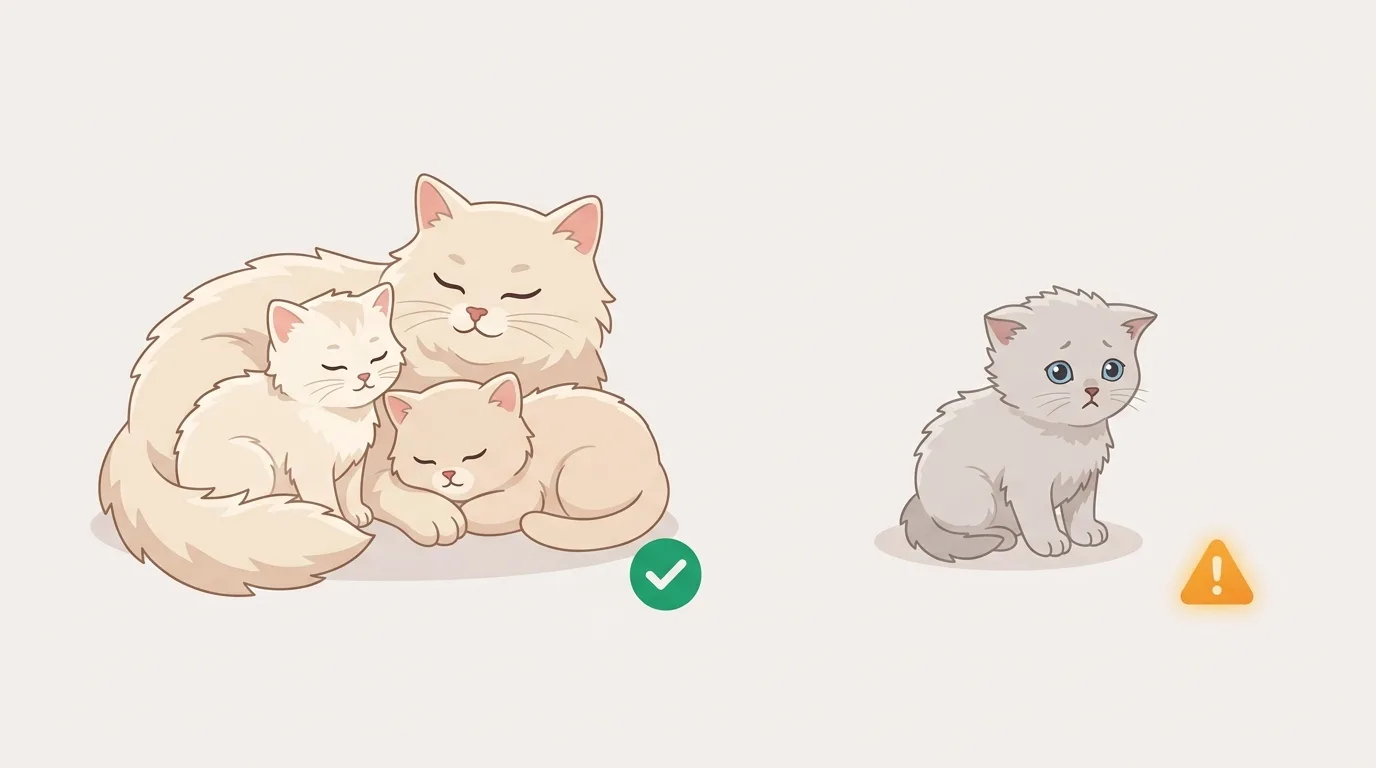
- Good:
- Welcome a kitten that has spent sufficient time with its mother and littermates for socialization, at an appropriate age.
- Caution:
- Early separation impacts socialization. The Animal Welfare Management Law generally prohibits the sale or delivery of dogs and cats that have not reached 56 days old (8 weeks).
Identifying a trustworthy breeder.
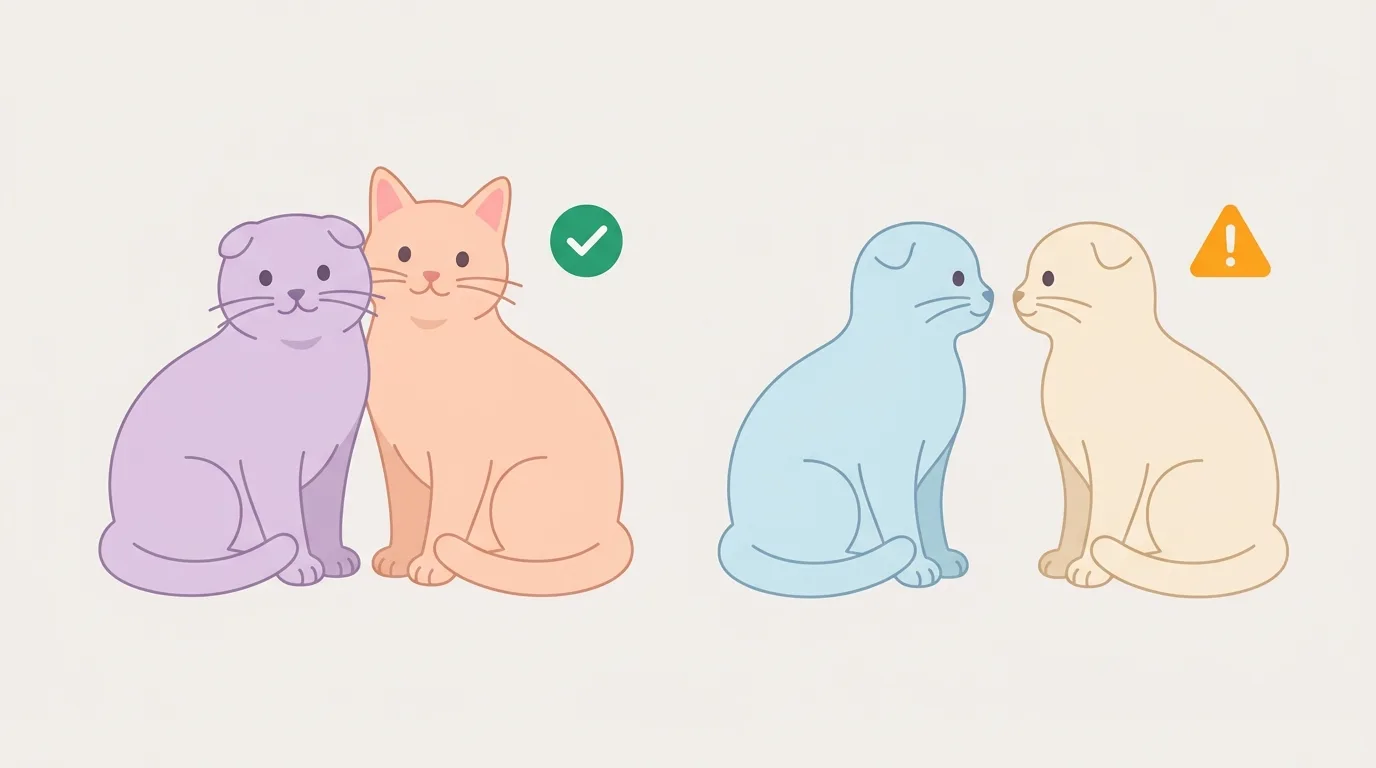
- Good:
- Shows the parent cat and breeding environment, explains health, pedigree, and genetic disease considerations in-person, and complies with regulations such as microchip implantation.
- Caution:
- Signs to approach cautiously include conducting high-health-risk matings such as folded-ear with folded-ear or short-legged with short-legged, or refusing to show the breeding environment.
Pre-adoption checklist quiz
What is correct about the appropriate timing for bringing home a cat?
What are the key points for identifying a trustworthy cat breeder?
Adoption guide by breed
General guidance for adoption decisions; not a health/pedigree guarantee or diagnosis. Confirm condition with the seller or a professional.