熱帶魚產卵與育兒網的活用法:保護幼魚的分離飼養系統的使用方法和注意事項
說明使用產卵網或育兒盒進行幼魚分離飼養的方法、水質與氧氣管理的注意事項,以及按幼魚成長階段的護理。熱帶魚繁殖中最困難的課題之一就是「保護幼魚免受成魚侵害」。在許多魚類中,親魚或其他成魚會吃掉幼魚,因此需要在單獨的環境中飼養幼魚。
要點總結
說明使用產卵網或育兒盒進行幼魚分離飼養的方法、水質與氧氣管理的注意事項,以及按幼魚成長階段的護理。熱帶魚繁殖中最困難的課題之一就是「保護幼魚免受成魚侵害」。在許多魚類中,親魚或其他成魚會吃掉幼魚,因此需要在單獨的環境中飼養幼魚。
相關品種
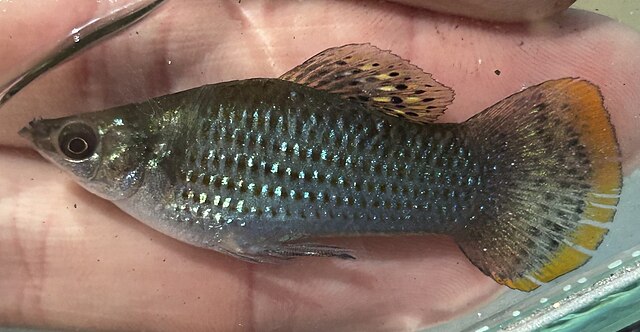
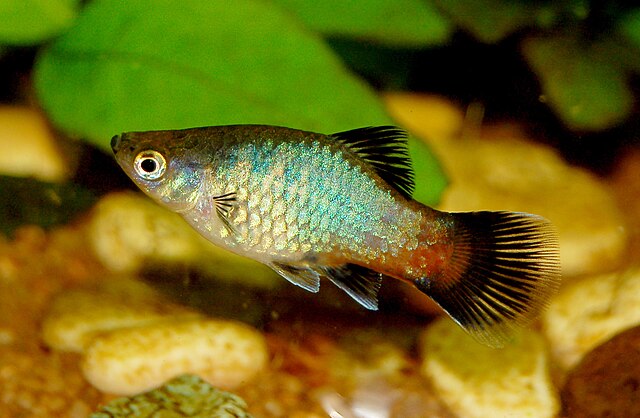
熱帶魚繁殖中最困難的課題之一就是「保護幼魚免受成魚侵害」。在許多魚類中,親魚或其他成魚會吃掉幼魚,因此需要在單獨的環境中飼養幼魚。使用產卵網或育兒盒進行分離飼養是一種簡單有效的方法,但如果不知道正確的使用方法,幼魚有死亡的風險。本文將從分離飼養的基礎到進階應用,提供實用的知識和解說。
需要分離飼養的情況
卵或幼魚有被吃掉的風險時
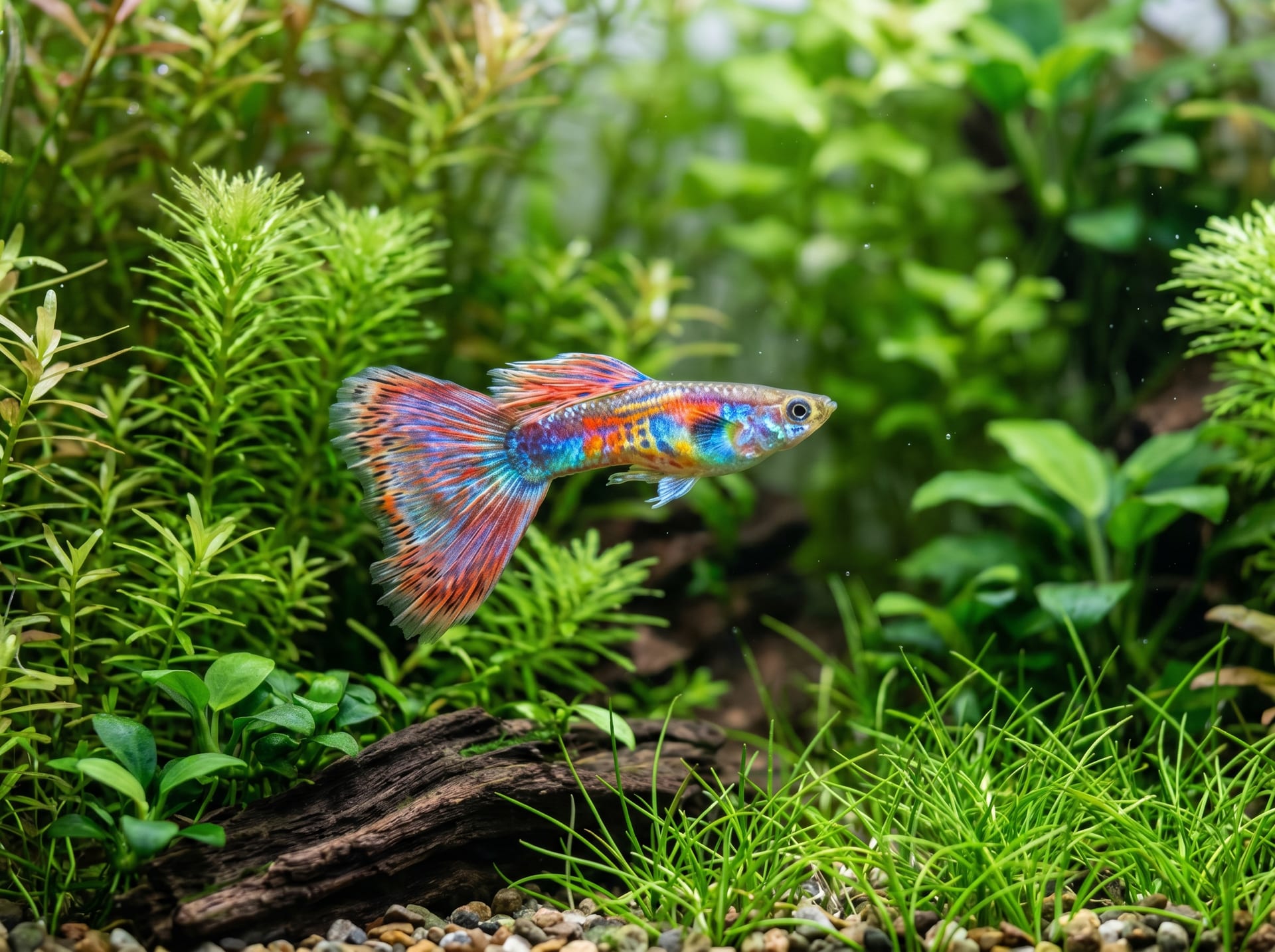
孔雀魚、摩利魚、劍尾魚等卵胎生魚在出產直後就有吃掉幼魚的傾向。母親本身吃掉自己的幼魚的情況也並不少見,需要在出產的時機隔離。四線魚等卵生魚也常在產卵直後被其他魚吃掉,需要隔離產卵床或將卵轉移到單獨環境中管理。
混合飼養水槽中的繁殖
在多種多尾魚混在一起的水槽中,幼魚會被其他魚視為「食物」。即使是同種的成魚也可能捕食幼魚,口中能容納的生物幾乎都是捕食對象。在混合飼養水槽中進行繁殖時,密植水草以確保幼魚的隱藏場所,或使用產卵網或單獨水槽進行分離是現實的選擇。
慈鯛等親代參與育兒的種類
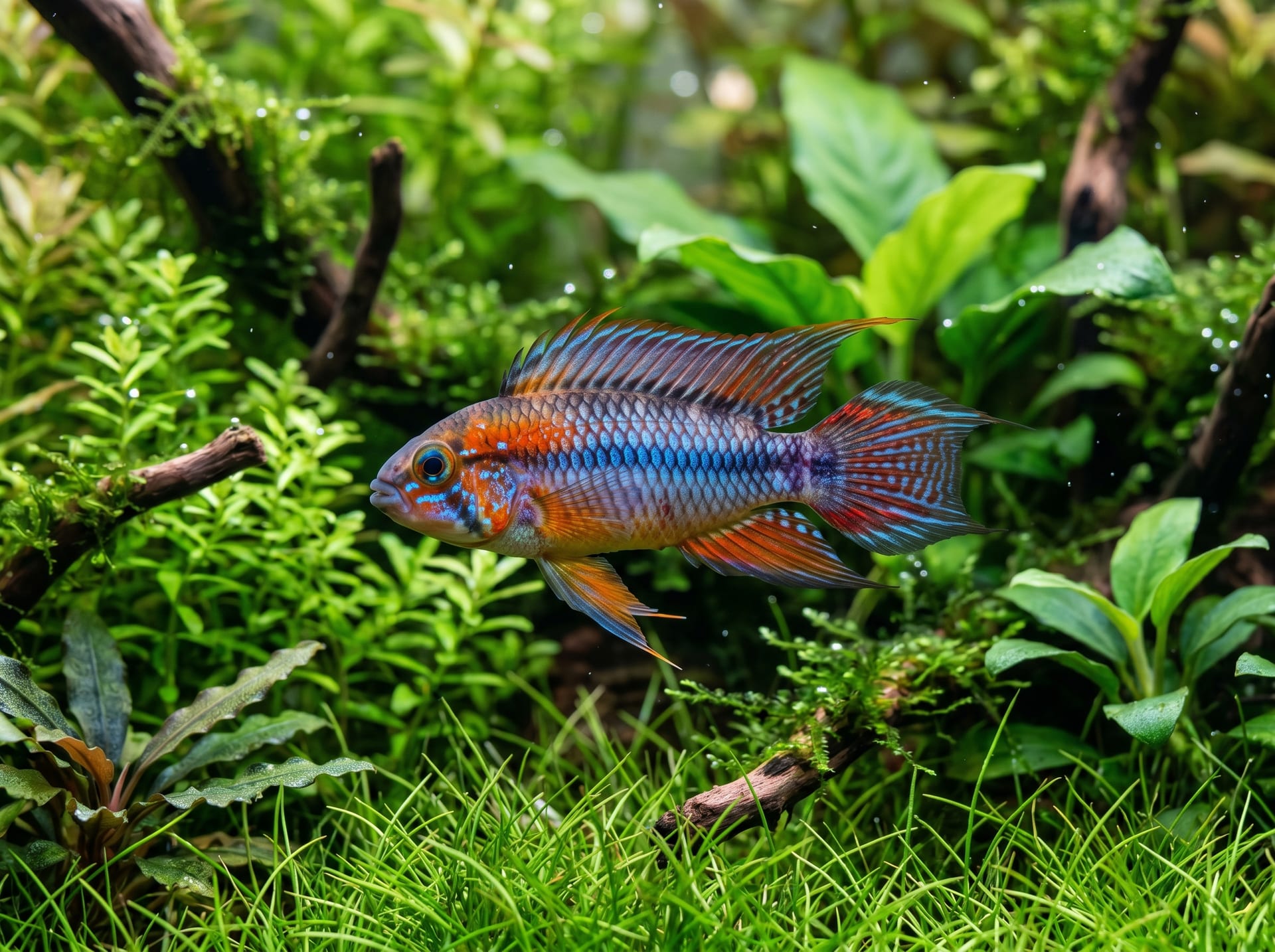
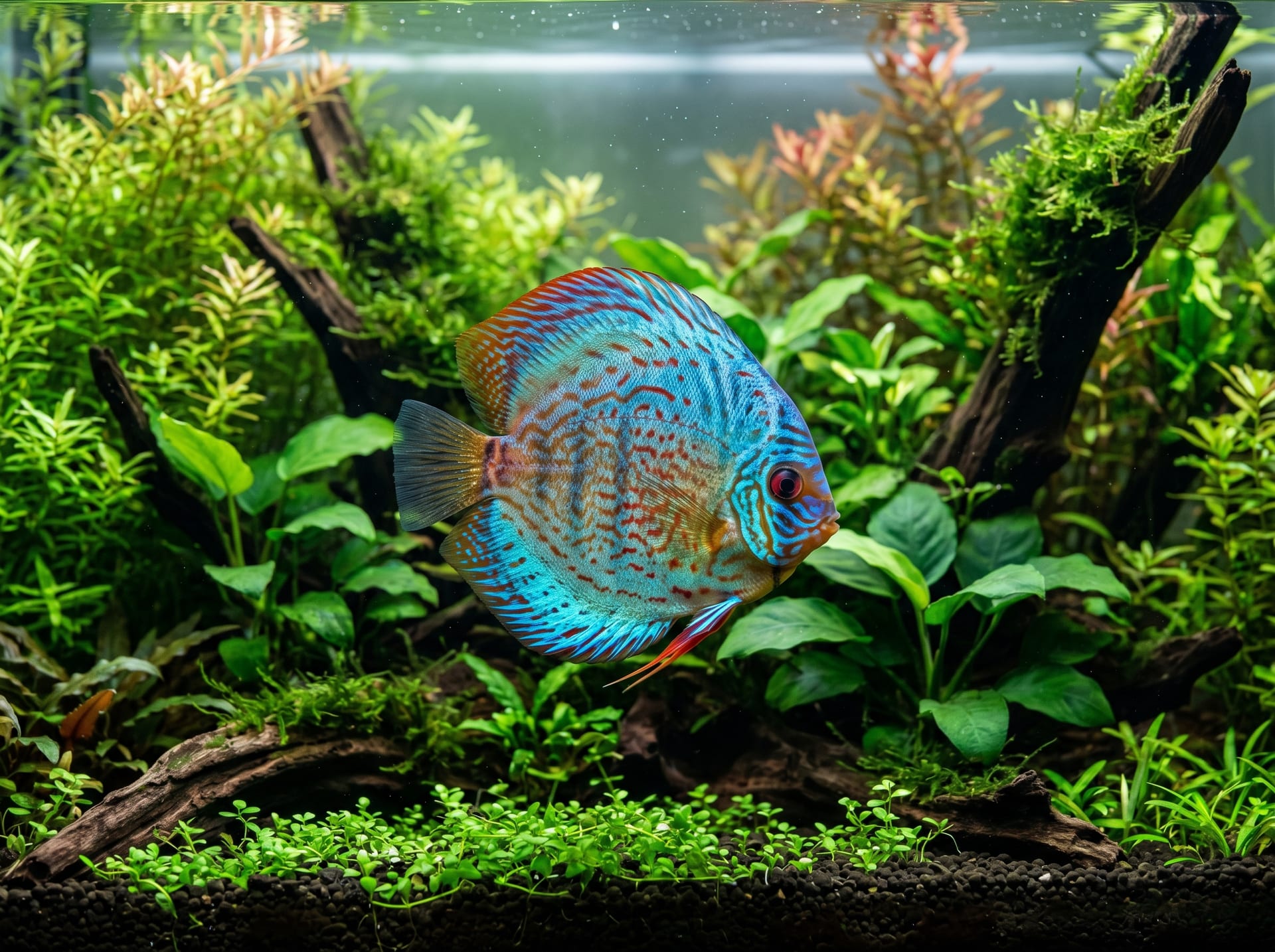
阿卡鼠和七彩神仙等慈鯛類會顯示出積極保護幼魚的育兒行為。但在混合飼養水槽中,來自其他魚的攻擊壓力可能導致親魚放棄育兒。在這種情況下,將幼魚和親魚一起隔離到單獨環境中,可以維持親魚的育兒行為,同時消除外敵風險。
分離飼養的主要方法和選擇
產卵網(育兒網)
用網布製成的隔網固定在水槽壁上,是最容易使用的隔離工具。由於外側水槽水和內部有水流通,溫度、水質、氧濃度基本上與外側相同,這是最大的優點。價格便宜,在緊急時刻用於臨時隔離非常方便。
但是,如果網眼太細,水流會滯留,容易導致缺氧,因此在內部安裝小型氣石非常重要。此外,容積較小,不適合大量幼魚,更適合短期保護而不是長期育成。
育兒盒(浮式分離器)
一種浮在水槽內的小型塑膠盒,比產卵網的構造更堅固且易於管理。底部有小孔的類型具有水流通,完全密閉的類型可以獨立管理水質。通常用於孔雀魚或摩利魚出產直後的臨時保護,通過將母親和幼魚分隔開來防止捕食,同時在同一水槽內管理。
單獨水槽(幼魚專用水槽)育成
最確實和通用性最強的方法。準備10~20升的幼魚專用水槽,移入親水槽已過濾的水和細菌,可以快速建立水質穩定的育成環境。過濾器基本上使用海綿過濾器,可以防止幼魚被吸入的事故,同時也兼具生物過濾的作用。對於稀有種的繁殖或大量幼魚的管理,單獨水槽育成最為合適。
水質和氧氣管理的實踐
過濾和氧氣供應
產卵網和育兒盒容積小,幼魚的排泄物和食物殘渣會迅速惡化水質。外部過濾器或上部過濾器等強力過濾設備有吸入幼魚的風險,因此無法使用。基本方法是通過氣石進行充氣來補充氧氣,同時每天用吸管仔細吸出底部積累的糞便和食物殘渣以維持水質。
單獨水槽育成最適合使用網眼細的海綿過濾器。定著了細菌的海綿也起到生物過濾的作用,可以抑制氨和亞硝酸的積累。
日常換水
幼魚比成魚對水質變化更敏感,對氨和亞硝酸的耐受性特別低。分離容器內理想情況下每天或隔日進行10~20%的少量換水。換水用的水必須從親水槽中取出,或使用相同溫度、除過氯的水,避免急劇的溫度變化。換水量太少會導致水質惡化,太多則會因急劇的水質變化造成壓力,因此少量勤換是鐵律。
幼魚成長階段別護理和給餌
孵化直後~3日(卵黃囊期)
卵孵化直後的仔魚腹部有卵黃囊,在消化這些營養期間無需給餌。這個時期許多種類對光敏感,照明應保持暗淡,或遮擋水槽的一部分。大多數個體靜止在底部,要注意不要在用吸管吸取糞便時誤吸掉。
3~7日(開始初期給餌)
卵黃囊被吸收,幼魚開始在水面附近游動時開始給餌。此時口腔極小,給予食物的大小決定生死。
- 原生動物(草履蟲等微生物):最小的初期餌料。使用市售培養套件自家培養,或將枯草浸入水中自然產生
- 豐年蝦孵化幼蟲(無節幼體):營養價值高,是許多幼魚的標準初期餌料。用鹽水和專用燈泡在24~48小時內孵化
- 市售幼魚粉末飼料:方便但容易污染水質,因此重要的是少量給予並及時清除殘餘飼料
每天3~5次,少量多餐,及時用吸管清除殘餘食物。
1週~1個月(成長期)
隨著幼魚口腔增大,逐步增加餌料大小。從豐年蝦過渡到細碎的片狀飼料、小顆粒飼料。這個時期給予充足的食物會大大改變成長速度,也會影響最終的體形和色澤。密度過高會導致成長不均,應將成長較大的個體移到其他容器中進行密度管理。
1個月後(合併至主水槽的目標)
當達到成魚60~70%的大小時,可以考慮合併到主水槽。但合併前必須進行檢疫(隔離期),防止疾病傳入。合併直後要密切觀察混養魚的反應,如發現欺凌或捕食行為應立即重新隔離。
從飼養者角度構建幼魚管理系統
從事正式繁殖和銷售的飼養者會構建提高幼魚生存率和成長效率的系統。準備多個育成水槽,按成長階段分配幼魚,可以防止體型差異導致弱小個體受壓迫。水質管理方面,越來越多飼養者利用自動換水系統和水質傳感器,大幅減輕日常管理負擔。截至2026年,國內也普及了價格合理的智能水質監測器,可以通過智能手機實時確認水質的環境也正在完善。
自動給餌機的利用也很有效,通過在早晚固定時間穩定供應少量飼料,可以減少幼魚的成長差異。記錄管理也是重要的習慣,持續記錄產卵日期、孵化數量、存活數量、給餌內容和水質數據,可以為下一代提供明確的改進方向。
無論設備規模如何,分離飼養的基本原則是共通的。「穩定的水質」「適切的餌料大小和頻率」「避免過密飼養」,堅守這3點是幼魚育成成功的核心。即使是第一次繁殖挑戰,只要按照本文步驟進行細心管理,也一定能體會到將幼魚養育成成魚的喜悅。