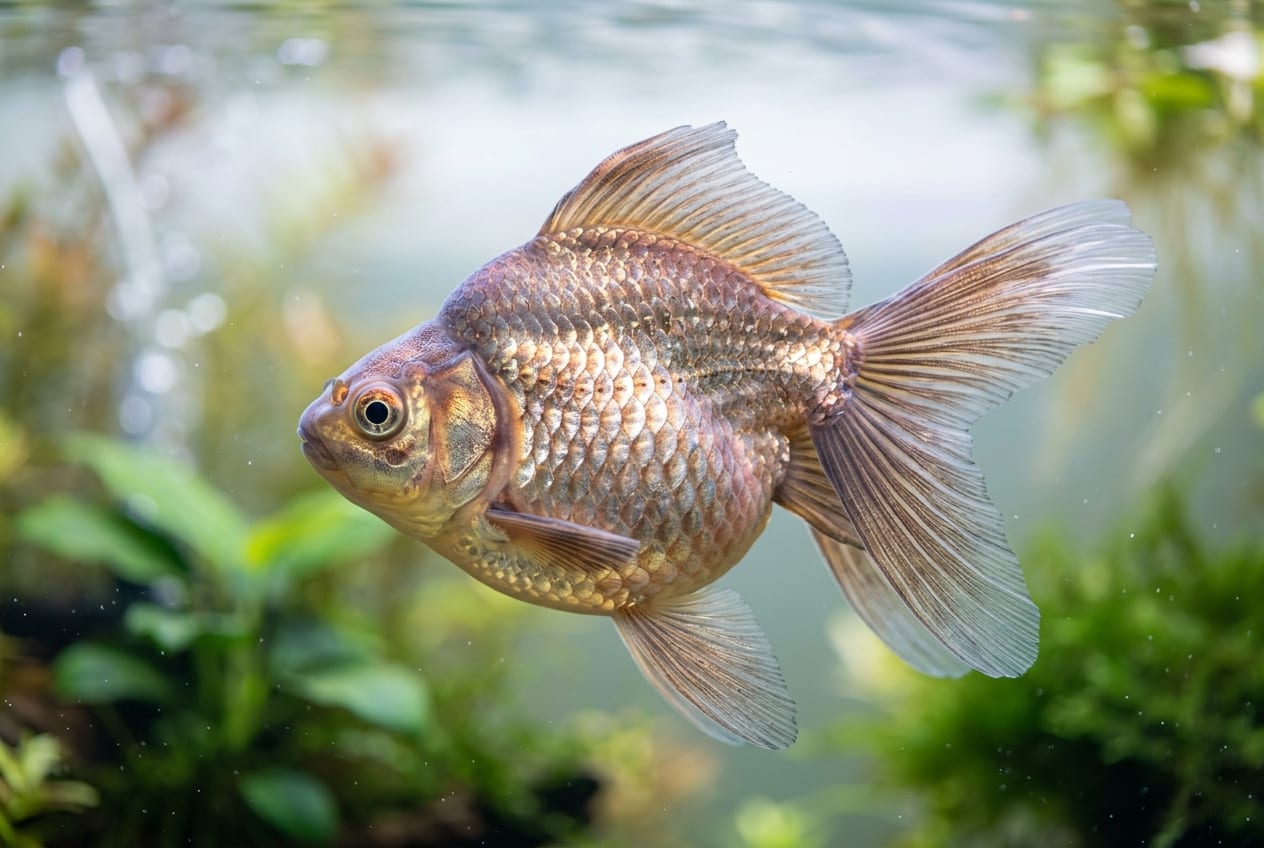
Comparing LED, fluorescent, and metal halide lighting for tropical fish tanks: brightness guidelines, color temperature selection, photoperiod management, and algae control techniques.
要點總結
Comparing LED, fluorescent, and metal halide lighting for tropical fish tanks: brightness guidelines, color temperature selection, photoperiod management, and algae control techniques.
# Complete Guide to Tropical Fish Tank Lighting | Choosing LED and Fluorescent Lights and Light Cycle Management Tips
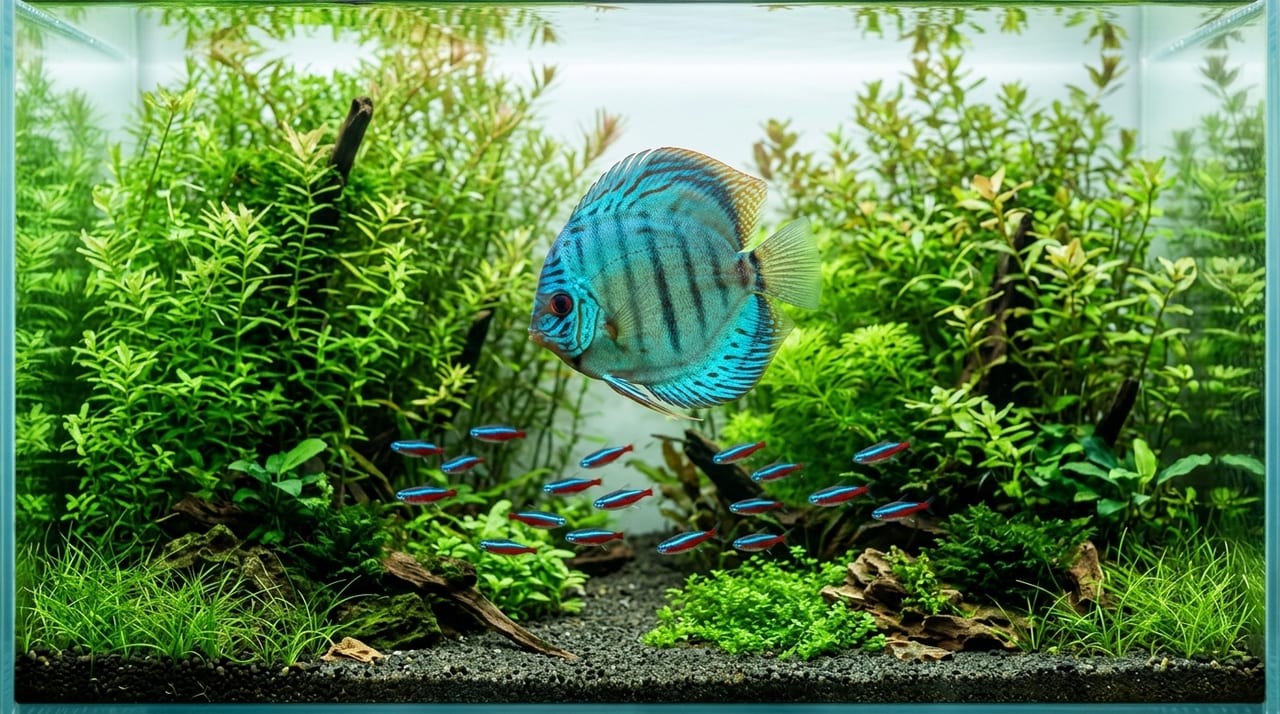
Lighting in a tropical fish tank is not merely about making the interior visible. Lighting is a fundamental element supporting the tank environment, directly affecting fish coloration, behavioral rhythms, health status, and even aquatic plant photosynthesis and algae proliferation. By selecting appropriate lighting and establishing the correct light cycle, fish display their natural vibrant colors and can live long, healthy lives with minimal stress.
This article systematically explains lighting knowledge, from comparing the characteristics of different lighting types to considering optimal light intensity and color temperature for tropical fish keeping, lighting techniques to suppress algae while enhancing fish coloration, and tips for light cycle management using timers.
---
In nature, tropical fish adjust their activity to the rising and setting sun. They start swimming in the morning and hide in safe places to rest when the sun sets. This light-dark cycle is called the "circadian rhythm," which is essential for maintaining fish health.
When tank lighting is turned on and off irregularly, fish rhythms become disrupted, causing chronic stress. This results in weakened immunity, decreased appetite, fading coloration, and abnormal behaviors (excessive hiding, swimming in circles in the same spot, and so on).
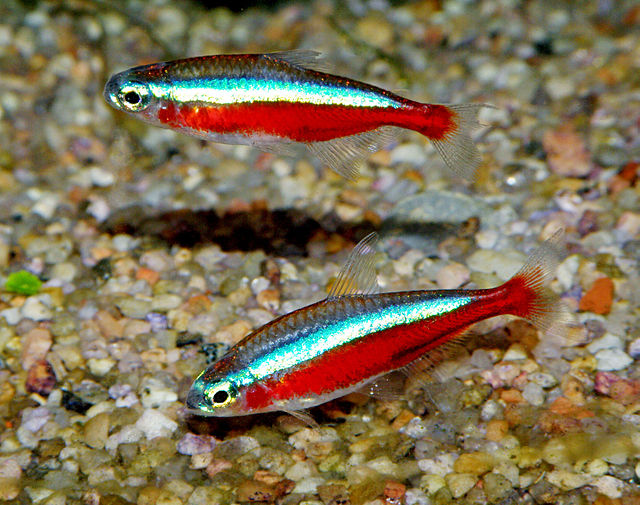
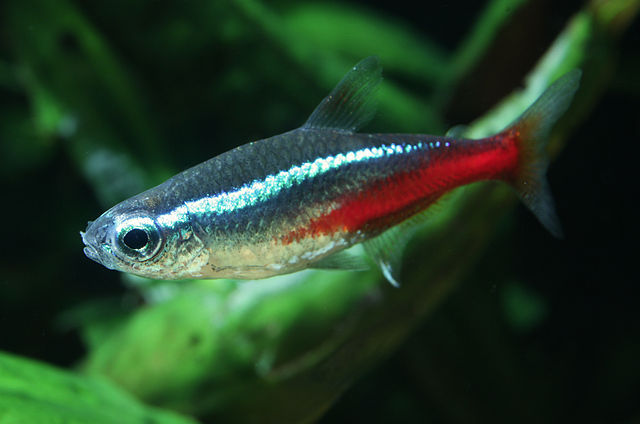
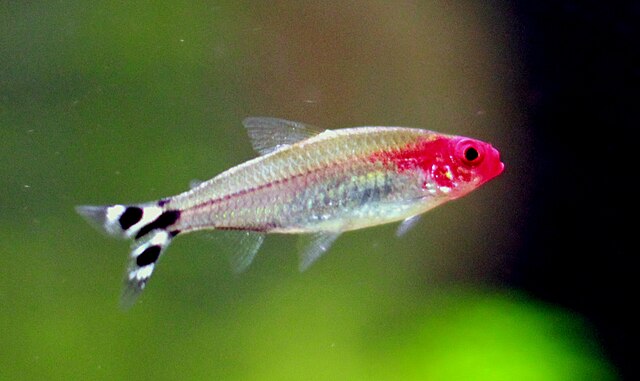
Many tropical fish change their body color in response to light wavelength and intensity. Fish with red and orange pigments (Neon Tetras, Cardinal Tetras, Rummy-nose Tetras, etc.) show more vibrant coloration when chromatophores are activated in adequately lit environments.
Conversely, if lighting is too bright, fish exhibit defensive coloration, becoming paler and attempting to hide in darker areas. If lighting is too dim, metabolism decreases and coloration becomes dull.
In tanks containing aquatic plants, lighting directly affects plant photosynthesis. When photosynthesis occurs actively, dissolved oxygen increases and carbon dioxide is consumed, stabilizing water quality. Insufficient lighting causes plants to wither, and decaying leaves worsen water quality—a vicious cycle.
---
LED is currently the mainstream for aquarium lighting. It dominates other lighting types with superior energy efficiency, minimal heat output, and long lifespan (30,000–50,000 hours).
Advantages - Power consumption less than half that of fluorescent lights - Minimal impact on water temperature (low heat output) - Some products allow adjusting light color and intensity via app - Slim and lightweight, keeping the tank area tidy - Many products include dimming and timer functions
Disadvantages - Inexpensive products have low color rendering, making fish colors appear washed out - High-performance products have higher initial costs (¥5,000–¥30,000) - Low-diffusion products tend to have dark corners
Selection Tips
For tropical fish keeping, prioritize "color temperature" and "color rendering index (Ra value)" over total luminous flux (lumens). Selecting products with Ra 80 or higher ensures fish colors appear natural. Color temperature of 6,500–8,000K (Kelvin) is standard for tropical fish tanks, providing a slightly cool white light that enhances the aquatic atmosphere.
Fluorescent lights, which were the standard before LED became prevalent, are still used today. T5 fluorescent lights, in particular, excel in light diffusion and remain popular in planted tanks.
Advantages - Light diffuses uniformly, brightening the entire tank - Many products with proven spectra for aquatic plant cultivation - Replacement bulbs are relatively inexpensive
Disadvantages - Higher power consumption than LED - Heat output can raise water temperature, especially in summer - Short lifespan of 6–12 months, requiring regular replacement - Equipment is bulky and heavy
Metal halide lamps produce intense light and are primarily used in coral tanks or large planted tanks. For typical tropical fish keeping, they are overkill, though they offer unique appeal when you want to showcase the "shimmer" at the water surface in deep tanks.
Advantages - Overwhelming light intensity creates a distinctive glittering effect at the water surface - Spectrum similar to natural sunlight
Disadvantages - Extremely high power consumption and heat output - High equipment and electricity costs - Water temperature control often requires cooling fans or chillers
| Item | LED | Fluorescent (T5) | Metal Halide | |------|-----|-------------|---------| | Power Consumption | Low | Moderate | High | | Heat Output | Minimal | Moderate | Extreme | | Lifespan | 30–50,000 hours | 6–12 months | 6–12 months | | Initial Cost | Moderate to High | Low to Moderate | High | | Light Diffusion | Product-dependent | Excellent | Point source (concentrated) | | Dimming Function | Available (product-dependent) | None | None | | Suitability for Tropical Fish | ◎ | ○ | △ |
---
In tanks focused on fish without or with minimal plants, the light intensity required is not particularly high. The guideline is approximately 10–20 lumens per liter of tank volume.
| Tank Size | Tank Volume | Recommended Lumens | |-----------|---------|---------| | 30 cm tank | Approx. 12L | 120–240 lm | | 45 cm tank | Approx. 30L | 300–600 lm | | 60 cm tank | Approx. 57L | 570–1,140 lm | | 90 cm tank | Approx. 150L | 1,500–3,000 lm |
For serious aquatic plant cultivation, the guideline is 20–40 lumens per liter. Growing foreground plants (Glossostigma, Dwarf Pearl Grass, etc.) requires even higher light intensity.
However, increased light also promotes algae growth, making the balance of CO2 injection and fertilization important.
---
Color temperature indicates the color tone of light. Lower values produce warmer, orange-tinted tones, while higher values produce cooler, blue-tinted tones.
The most popular range for tropical fish tanks is 6,500–8,000K. You can choose based on preference, but for red fish, a slightly warmer tone (around 6,000K) is more attractive, while for blue and metallic fish, a cooler tone (around 8,000K) is more beautiful.
The color rendering index indicates "how naturally a light source renders the colors of objects." Sunlight has an Ra of 100, the highest value.
For aquarium LEDs, Ra 80 or higher ensures fish colors appear natural. Selecting high-color-rendering LEDs with Ra 90 or higher significantly improves red, green, and blue saturation and viewing quality.
Inexpensive LEDs sometimes have Ra values below 70, and while producing white light, fish colors appear washed out. When selecting lighting, always check the Ra value in the specifications.
---
Tank lighting management's most challenging issue is algae control. When light is too intense or exposure duration too long, algae proliferate explosively.
Limit Exposure Time to 6–8 Hours
Many aquarists believe "longer lighting benefits aquatic plants," but plants actually perform adequate photosynthesis in 6–8 hours of light. Extended exposure merely promotes algae growth.
Siesta Lighting Method (Lunch Break Method)
Divide the light exposure into two periods with a 2–3 hour dark interval in between. For example: "8:00–12:00 on → 12:00–15:00 off → 15:00–19:00 on."
Plants can accumulate CO2 during the dark period and perform photosynthesis efficiently when lights return. Algae, conversely, grows more readily with continuous light, so interruption suppresses proliferation.
Utilize Dimming Functions
With dimmable LED lights, you can program gradual brightening in the morning (mimicking sunrise) and gradual dimming in the evening (mimicking sunset). Sudden on-off switches startle fish, so gradual dimming also reduces stress.
---
Manually turning lights on and off daily is unreliable and not recommended due to timing inconsistencies. Use a digital timer (programmable timer) for automation—this is the standard approach.
Aquarium programmable timers cost ¥1,000–¥3,000 and many support day-of-week settings and sunrise/sunset modes. Even standard household timer outlets sold at electronics retailers function adequately.
Basic Pattern (For Beginners)
Planted Tank Pattern
Algae Control Pattern (Siesta Method)
While natural light duration varies seasonally, tanks do not need to replicate this change. Maintaining a consistent light cycle year-round stabilizes fish rhythms and reduces stress.
However, there is an exception for breeding. Many tropical fish recognize extended day length as the breeding season. Extending light duration by 1–2 hours compared to normal can stimulate spawning.
---
Although LEDs are long-lasting, water spots, salt spray (in marine tanks), and dust accumulate on lenses and covers, effectively reducing light output. Wipe the lens surface monthly with a soft cloth.
LED chips themselves last 3–5 years but gradually experience light depreciation. When light output drops to 70–80% of purchase levels, replacement is due. If aquatic plant growth slows, suspect lighting degradation.
Fluorescent lights are difficult to assess visually for degradation even while operating, but after 6 months, light output drops to 60–70% of new levels. Signs like stunted plant growth or algae type changes (shift from green algae to blue algae or hair algae) indicate replacement is needed.
If using multiple bulbs, replace one at a time with 2-week intervals rather than all at once. This prevents sudden light changes that shock the environment.
---
LEDs sold online for hundreds to a thousand yen are tempting, but many have low color rendering and insufficient light output. This causes problems like fish colors appearing different than reality and aquatic plants not growing at all. Select at minimum products from established aquarium specialty manufacturers.
Running lights for 12+ hours thinking "fish suffer in darkness" causes massive algae proliferation. Fish require dark periods, and excessive lighting creates stress.
Distance too close to the water surface creates overly intense light, promoting algae. When using stand-type LEDs with open-top tanks, maintain 20–30 cm distance from the water surface. For hanging lights, 30–40 cm is the guideline.
---
Tropical fish tank lighting is not merely equipment to turn on—it is a crucial element affecting fish health, coloration, behavioral rhythm, and overall tank balance. By selecting appropriate LED lighting, managing a 6–8 hour light cycle with a timer, and monitoring algae development, you create a tank environment where fish appear most beautiful. A single lighting adjustment significantly transforms tank appearance. Please use this article as a reference to establish optimal lighting conditions.
Aquarium Volume Calculator
Calculate water volume, weight, and heater wattage from tank dimensions
Water Quality Checker
Find compatible fish, shrimp, plants & corals based on pH, temperature & hardness
Feeding Guide
Check feeding frequency, portion sizes & supplements by species and growth stage
Compatibility Checker
Check compatibility between two species on a 5-level scale