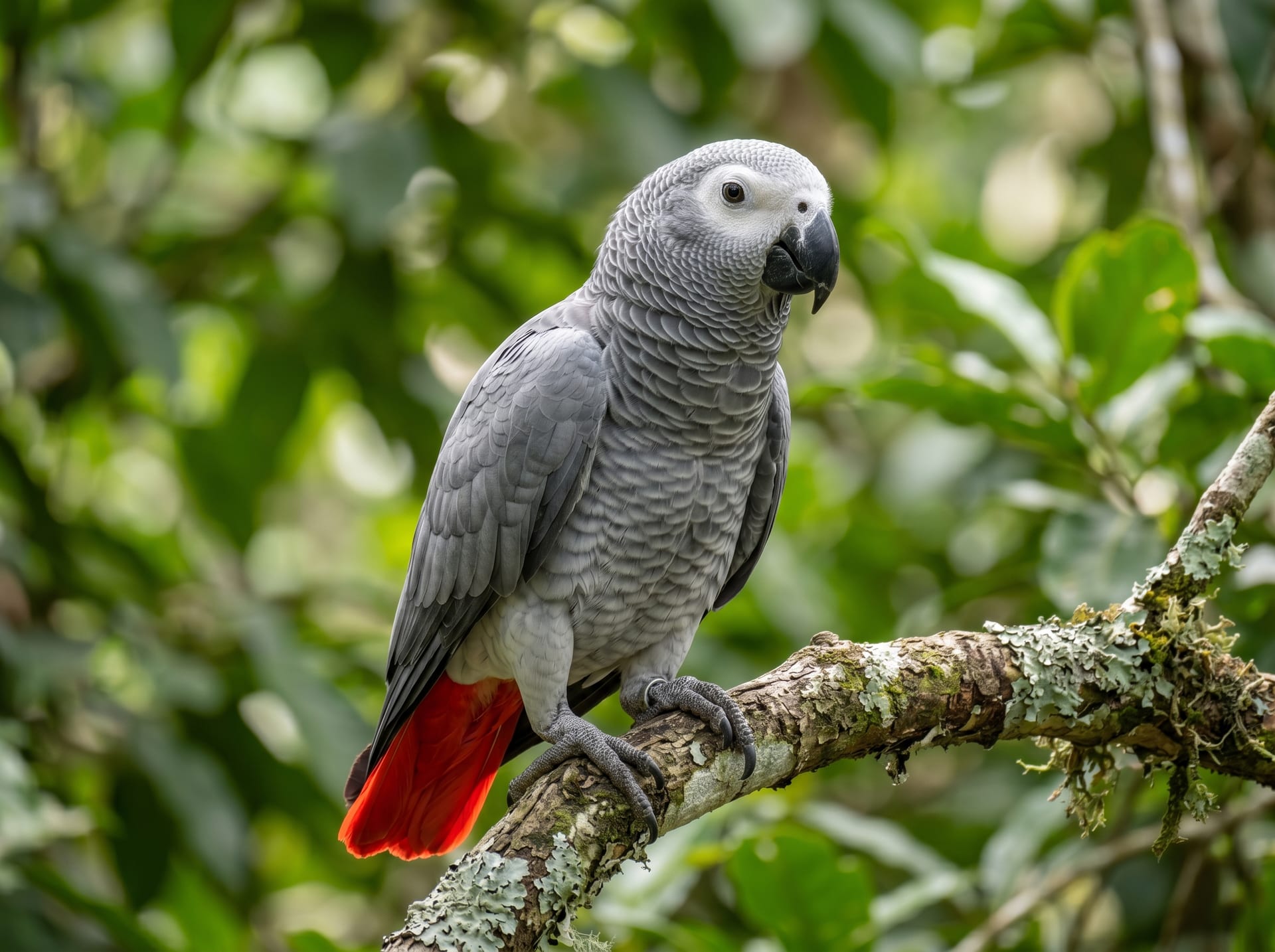
非洲灰鸚鵡
被認為是最聰慧的鳥類。具有理解和使用人類語言的能力。灰色的體軀配以紅色尾羽是其特徵。壽命50年以上。
View 非洲灰鸚鵡 encyclopedia →- 價格行情
- ¥210,000〜¥210,000
成交手續費 0%!2026年9月30日前註冊,前 2 筆成交免佣金!
繁殖者 招募中!
在 BreederDirect 上架,直接銷售給全國各地的客戶!
BreederDirect 保證的 6 項透明度要點
鳥出品時,繁殖者將公開以下資訊。確保手養、DNA性別鑑定、健康檢查的透明度。
- 手養
- DNA性別鑑定
- 健康檢查完成
- 產地公開
- 色彩公開
- 月齡公開
查看全部35個品種
鳥分類正在招募認證繁殖者
繁殖者正在陸續註冊,即將上架。設定上架通知,不錯過新商品。
「接收上架通知」需免費註冊會員即可設定。當有符合您儲存條件的新商品上架時,我們會以郵件和站內通知提醒您。
已註冊的繁殖者(搶先看)
非洲灰鸚鵡的基本資料
- 飼養難度
- 適合高級者
- 壽命
- 40-60 years
- 體型
- 30-35cm
- 飲食
- High-quality pellets, vegetables, fruits, nuts
- Cage
- Large cage essential (60cm+)
- Enrichment
- Enrichment toys matching high intelligence essential
- Social
- Forms deep bonds. Sensitive to loneliness
- Noise
- Mimics speech and environmental sounds
- Notes
- Prone to feather plucking — mental care critical
關於非洲灰鸚鵡
非洲灰鸚鵡原產於非洲中西部的熱帶雨林,已知有兩個亞種——剛果非洲灰鸚鵡和西非灰鸚鵡。自古以來就作為歐洲王室的伴鳥而備受珍視,動物行為學家艾琳·佩珀伯格的研究在科學上證實了牠們具有數值概念、顏色識別和物體屬性理解等高度認知能力。外觀呈深灰色全身,唯有尾羽呈現鮮豔的紅色,整體色彩搭配優雅精緻。性格既好奇又謹慎,一旦建立信任關係就會表現得非常親昵。同時感受力強,對環境變化敏感,偏好穩定的日常生活。由於智力超群,容易厭倦,每日的對話互動和豐富的玩具必不可少。這是一位伙伴鳥,壽命超過50年,適合願意與牠長期相伴、建立深厚紐帶的人。
迎接非洲灰鸚鵡前需要了解的7件事
1壽命長達50年以上
非洲灰鸚鵡的平均壽命為50〜70年,出現比飼養者壽命更長的情況並不罕見。帶牠回家之前,應該提前考慮「如果自己無法繼續飼養,誰來接手」這樣的問題。請充分意識到這是一份終身的責任。
2高度的智能與無聊的風險
非洲灰鸚鵡擁有非常高的智能,若缺乏充分的刺激,可能因無聊而出現拔毛等問題行為。每日的對話、遊戲和豐富的玩具必不可少。精神充實是維持健康的關鍵。
3對敏感心理的細心照顧
非洲灰鸚鵡對環境變化和飼養者的情緒很敏感,搬家、家庭成員變化、長期外出等都可能造成壓力。應該重視日常規律,營造一個安心穩定的生活環境。壓力可能導致免疫力下降和問題行為。
4大型鳥籠和充足的活動空間
非洲灰鸚鵡體長約33公分,即使翅膀完全展開也需要充足空間的鳥籠。建議鳥籠的寬度、深度和高度都不少於90公分。此外,每天為牠們安排籠外活動時間有助於防止運動不足。
5飲食多樣性至關重要
推薦以顆粒飼料為主食,配合蔬菜、水果和穀物均衡餵養。非洲灰鸚鵡容易缺乏鈣和維生素A,因此需要注意避免飲食過於單一。酪梨、巧克力和酒精等有毒食品必須嚴格禁止。
6定期獸醫檢查
非洲灰鸚鵡天生具有隱藏病情的本能,所以當你發現異常時,症狀可能已經相當嚴重了。建議每年到鳥類專科獸醫處進行1~2次定期檢查。如果所在地區鳥類專科醫生較少,建議提前瞭解可靠的就診地點,這樣會讓人更加安心。
7長期養護費用高昂
非洲灰鸚鵡的購入價格通常需要數十萬元,加上大型鳥籠、顆粒飼料、玩具和醫療費用等維護成本,花費會很高。由於其壽命可達50年以上,長期總費用會相當可觀,購買前一定要做好充分的心理和經濟準備。精心規劃費用預算對於長期飼養的順利進行至關重要。
非洲灰鸚鵡的常見問題
- Q.一個人住也能養嗎?
- A.一個人住也能飼養,但不適合長期外出的生活方式。非洲灰鸚鵡需要強烈的社交聯繫,理想的環境是每天能進行數小時的互動交流。請提前反思自己的生活節奏,確保回家後有足夠的時間陪伴它。
- Q.什麼時候開始說話?
- A.雖然個體差異很大,但多數情況下,生後6個月~1年左右會開始發出單詞和短句子。從2~3歲開始,詞彙量和理解力會急速發展。說話的數量和質量受遺傳和環境(交流頻率)的雙重影響。
- Q.怎樣防止拔毛?
- A.拔毛的原因多種多樣,包括無聊、壓力、營養不足、皮膚疾病等。預防的基礎是提供充足的刺激和穩定的環境。如果出現症狀,應盡早諮詢專業鳥類獸醫來確定具體原因。
- Q.能和其他寵物一起生活嗎?
- A.與狗和貓同居是有可能的,只要能提供充分的安全管理環境,但與有捕食本能的動物接觸總是伴隨風險的。基本的安全措施是確保獨立的生活空間,避免直接接觸。與同種鳥類共養也取決於個體相性,需要慎重地逐步引入。
- Q.非洲灰鸚鵡適合的室內溫度是多少?
- A.非洲灰鸚鵡舒適生活的室內溫度目標為20〜28℃。急劇的溫度變化和冷風吹入會引起身體狀況惡化,需要特別注意。特別在冬季,除了溫度管理外,維持不過乾的濕度(約50〜60%)也有助於健康維護。
適合飼養非洲灰鸚鵡的實用工具
在圖鑑中詳細了解非洲灰鸚鵡
查看非洲灰鸚鵡的圖鑑條目 →
收錄飼養難度、壽命、體長、食性等基礎資料。